

With its mix of mountains, wetlands, forests, and grasslands, Arkansas is one of the most ecologically diverse states in the South. As a result, it hosts a wide variety of bird species—over 400 recorded—making it a prime destination for birdwatchers and nature lovers.
In this article, we explore 15 bird species that represent the avian diversity of Arkansas, broken into three categories: common year-round residents, seasonal migrants, and rare or notable visitors.
I. Common Birds of Arkansas
These birds are easy to spot throughout the year and are often familiar to backyard birders, hikers, and park-goers across the state.
1. Northern Cardinal (Cardinalis cardinalis)

Status: Year-round resident
Habitat: Woodlands, gardens, suburbs
Notes: The striking red male cardinal is one of the most recognizable birds in Arkansas. Females are a warm brown with reddish accents, and both sexes sing.
2. Carolina Wren (Thryothorus ludovicianus)
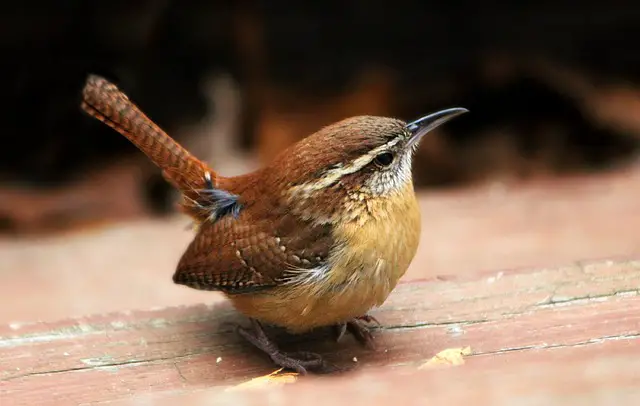
Status: Year-round resident
Habitat: Forests, brushy areas, backyards
Notes: Loud and bold for its size, the Carolina Wren has a distinctive “tea-kettle-tea-kettle” song. It often nests in porches and sheds.
3. American Goldfinch (Spinus tristis)
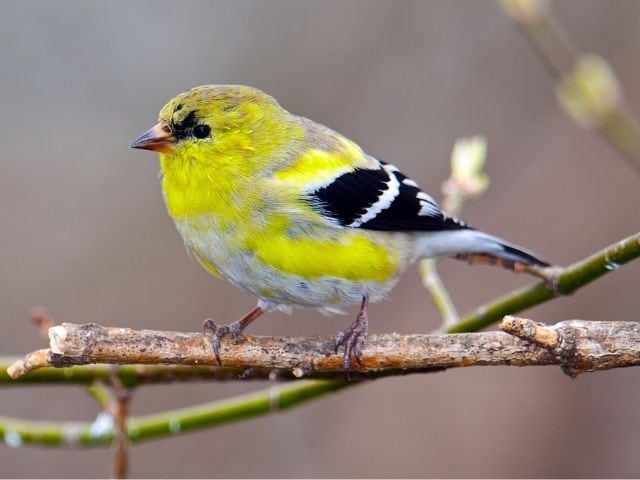
Status: Common, year-round (most visible in winter)
Habitat: Open fields, weedy areas, feeders
Notes: Males are bright yellow in summer, duller in winter. Goldfinches love sunflower and thistle seeds and are regulars at feeders.
4. Blue Jay (Cyanocitta cristata)
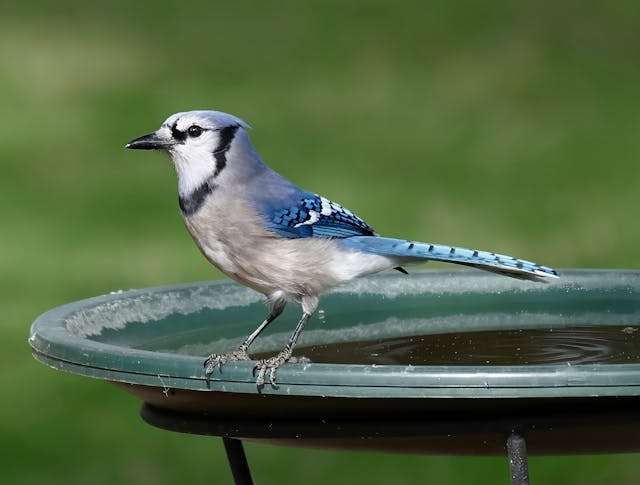
Status: Year-round resident
Habitat: Woodlands, towns, suburbs
Notes: Loud, intelligent, and social, Blue Jays are often seen flying in family groups. They’re known to mimic hawk calls.
5. Red-bellied Woodpecker (Melanerpes carolinus)
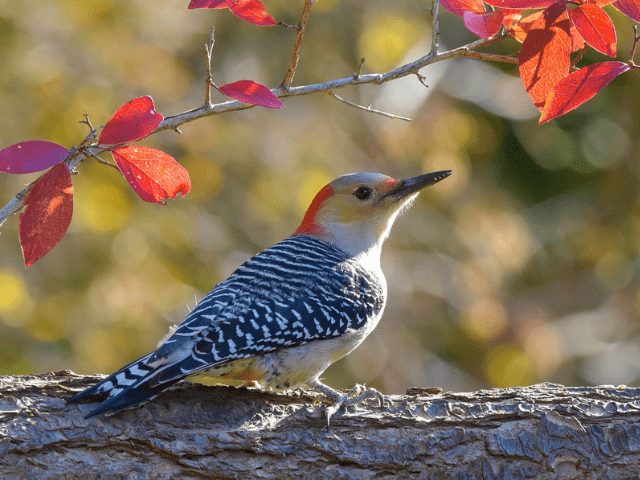
Status: Year-round resident
Habitat: Deciduous forests, parks, residential areas
Notes: Despite its name, its red crown and nape are more noticeable than its lightly tinted belly. Commonly heard drumming on tree trunks or telephone poles.
II. Migratory Birds of Arkansas
These birds visit Arkansas during migration or breed here in summer before flying south for the winter.
6. Ruby-throated Hummingbird (Archilochus colubris)

Status: Summer breeder
Habitat: Gardens, woodlands, parks
Notes: The only regular hummingbird in Arkansas, males have iridescent red throats. They arrive in spring and migrate to Central America by fall.
7. Baltimore Oriole (Icterus galbula)
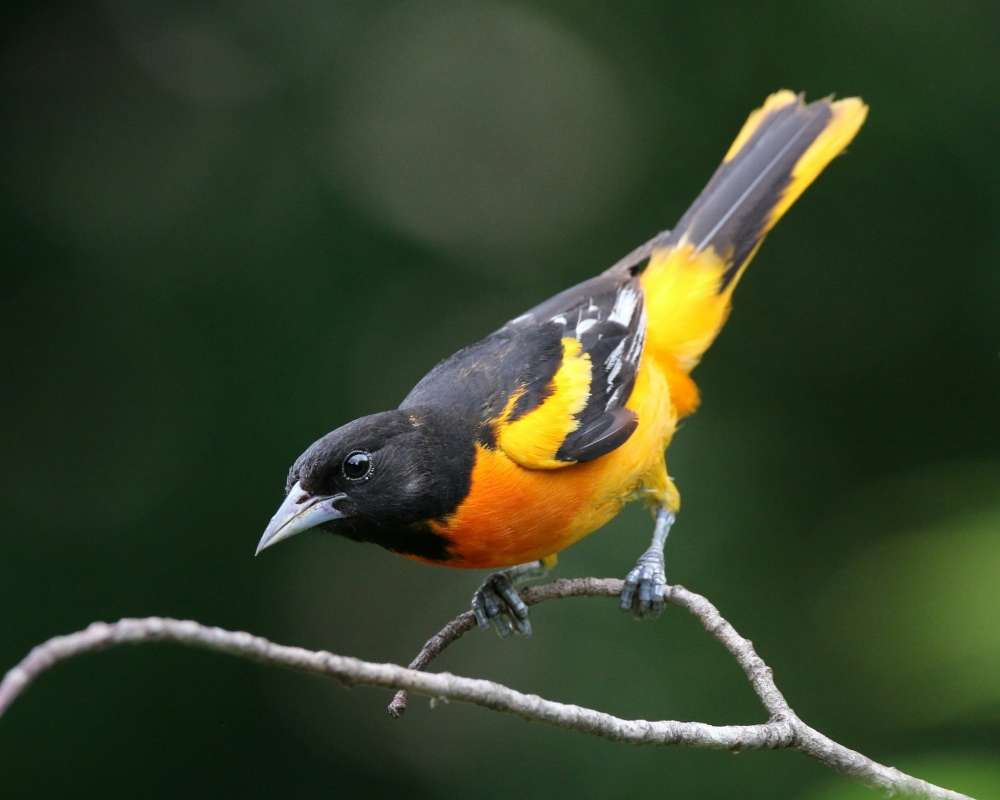
Status: Spring/summer migrant
Habitat: Open woodlands, riversides
Notes: Males are brilliant orange with black heads; females are more muted. They weave hanging nests and are attracted to fruit and jelly.
8. Yellow Warbler (Setophaga petechia)
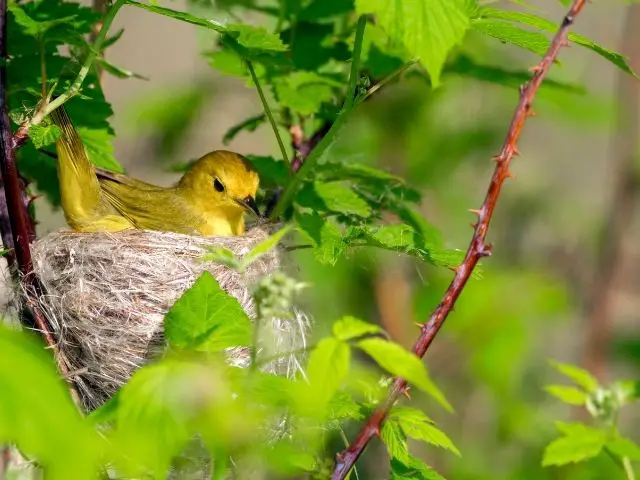
Status: Summer breeder
Habitat: Riparian woodlands, thickets
Notes: One of the brightest warblers, the Yellow Warbler sings a sweet, musical tune and is often found near water.
9. Mississippi Kite (Ictinia mississippiensis)
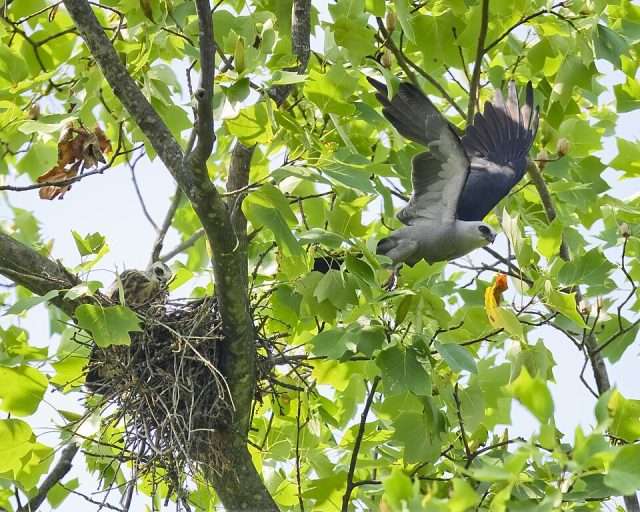
Status: Summer breeder
Habitat: Open woodlands, pastures, towns
Notes: These sleek gray raptors soar gracefully while hunting insects in flight. They are often seen in late spring and summer in southern and eastern Arkansas.
10. Northern Parula (Setophaga americana)
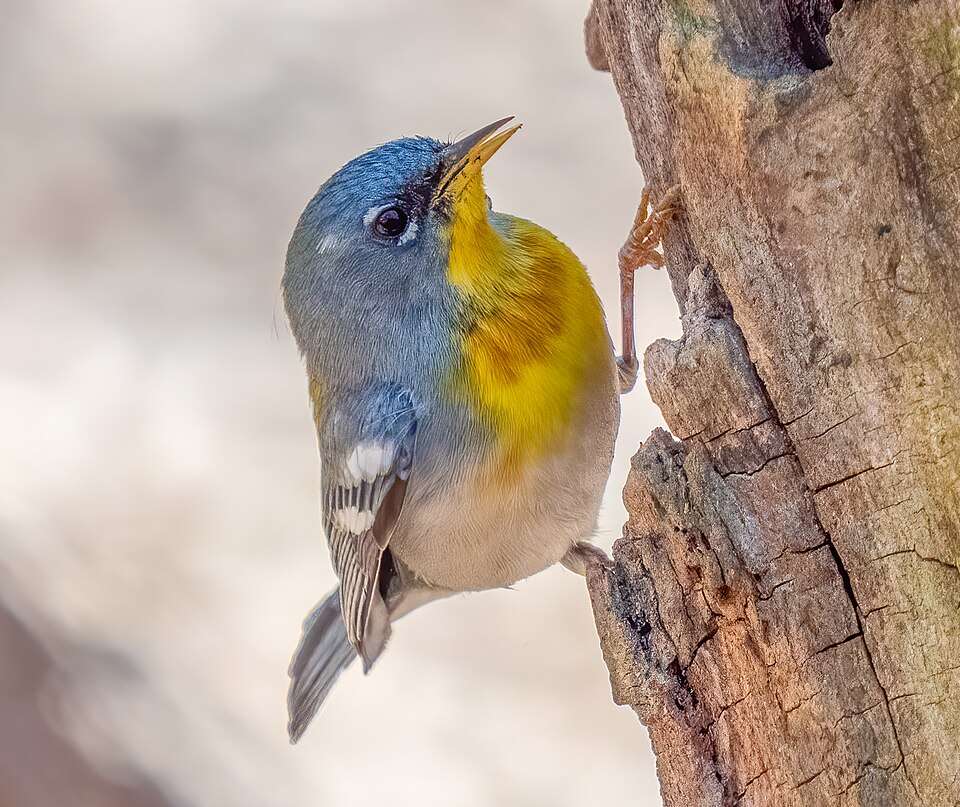
Status: Spring/summer migrant
Habitat: Moist woodlands with Spanish moss or lichens
Notes: A small warbler with a blue-gray back and yellow throat. Their buzzy rising trill is a common sound in bottomland hardwood forests.
III. Rare or Uncommon Birds in Arkansas
These species are either rarely seen, highly localized, or once considered extinct. They often generate excitement among birders.
11. Painted Bunting (Passerina ciris)

Status: Locally uncommon breeder in southwest Arkansas
Habitat: Shrubby edges, thickets
Notes: The male Painted Bunting is one of North America’s most colorful birds, with red, blue, and green plumage. Females are lime green and secretive.
12. Scissor-tailed Flycatcher (Tyrannus forficatus)
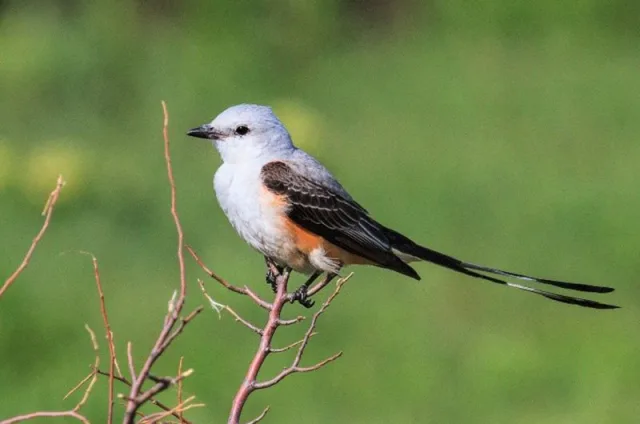
Status: Rare breeder, more common in bordering states
Habitat: Open fields, pastures, fence lines
Notes: With its long tail and salmon-pink sides, the Scissor-tailed Flycatcher is unmistakable. Occasionally breeds in western Arkansas.
13. Trumpeter Swan (Cygnus buccinator)
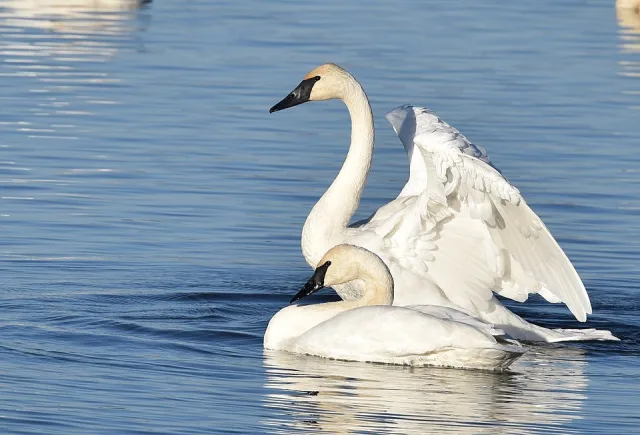
Status: Rare winter visitor
Habitat: Lakes and wetlands in the northern Delta
Notes: Once nearly extinct, Trumpeter Swans are making a comeback and have been spotted overwintering at sites like Magness Lake.
14. Swallow-tailed Kite (Elanoides forficatus)
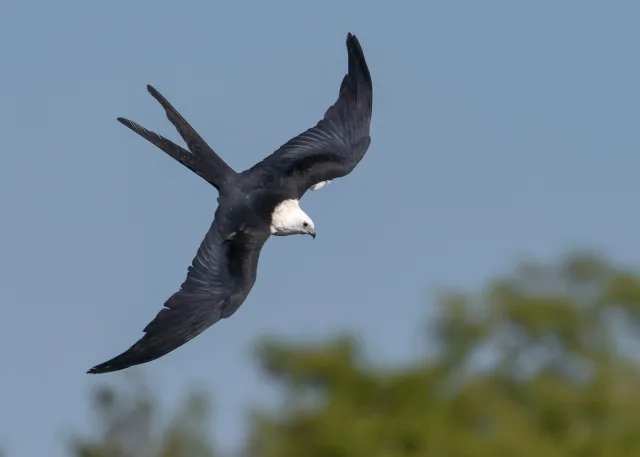
Status: Rare summer visitor
Habitat: Forested wetlands, cypress swamps
Notes: A graceful raptor with stark black-and-white plumage and a deeply forked tail. Occasionally seen soaring over southeastern Arkansas.
15. Ivory-billed Woodpecker (Campephilus principalis)?????

Status: Presumed extinct, but unconfirmed reports persist
Habitat: Bottomland hardwood forests
Notes: Once ranged through eastern Arkansas, and reports from the Big Woods in the early 2000s sparked global interest. Its status remains controversial, but its legacy still haunts the state's birding lore.
Birding Hotspots in Arkansas
For those eager to spot these birds, Arkansas offers a wide variety of public lands and parks perfect for birding:
Cache River National Wildlife Refuge – Known for bottomland forest birds and waterfowl
Lake Dardanelle State Park – A hotspot for migratory birds, including shorebirds and raptors
White River National Wildlife Refuge – Offers a chance to see Prothonotary Warblers, herons, and wintering ducks
Mount Magazine – Arkansas’s highest point and a great place to see high-elevation species and raptors
Bird Conservation in Arkansas
While many bird populations remain strong, others face threats from:
Habitat loss (especially bottomland hardwood forests)
Collisions with glass and towers
Climate change and shifting migratory patterns
Declining insect populations, affecting insectivorous birds like warblers and swallows
Conservation efforts by organizations such as Audubon Arkansas, Arkansas Game and Fish Commission, and local bird clubs help monitor bird populations, restore habitat, and engage the public in citizen science.
Final Thoughts
Whether you’re watching a Red-bellied Woodpecker at a backyard feeder, catching a glimpse of a hummingbird darting through flowers, or scanning cypress trees for a rare kite, Arkansas offers birding experiences for every season and skill level.
Its central location on the Mississippi Flyway, varied ecosystems, and seasonal diversity make it one of the best states in the South to observe both resident and migratory birds. And who knows—maybe you’ll be the one to rediscover the elusive Ivory-billed Woodpecker.
Birds Of Kentucky: 28 Species Col. Sanders (May Have) Loved!
