
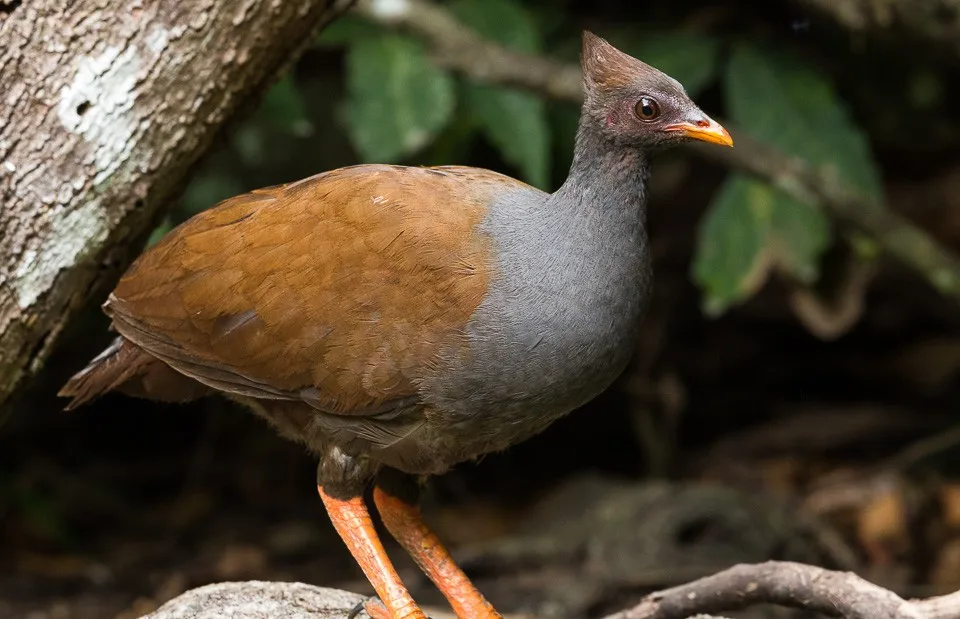
There are two primary categories of birds that require the least amount of parental care: brood parasites and megapodes. Both groups have evolved unique and fascinating strategies that allow them to avoid or minimize the demanding task of raising their young.
Brood Parasites
Brood parasites are birds that completely outsource the raising of their offspring. They lay their eggs in the nests of other species, known as hosts, and leave the entire process of incubation and chick-rearing to the unsuspecting foster parents. This strategy is a remarkable example of an evolutionary arms race, where parasites develop ways to trick their hosts, and hosts evolve defenses to reject the foreign eggs.
The Common Cuckoo
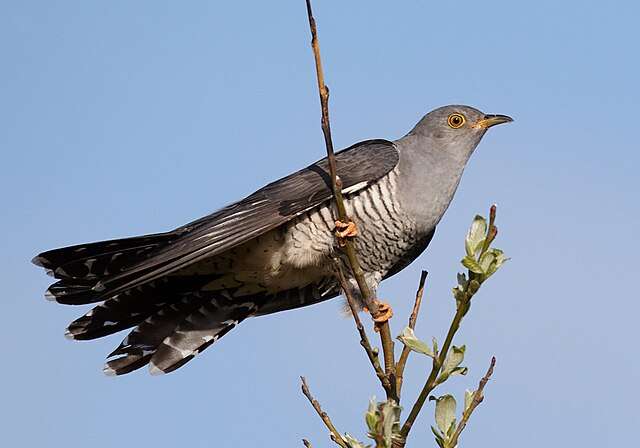
The Common Cuckoo (Cuculus canorus) is one of the most well-known brood parasites. Female cuckoos are able to lay their eggs in a variety of host nests, including those of the dunnock, meadow pipit, and reed warbler. To ensure their egg is accepted, the cuckoo's egg often closely mimics the size and color of the host's eggs.
Once the cuckoo chick hatches, a remarkable and ruthless behavior unfolds. The chick, often born before its host siblings due to a shorter incubation period, will instinctively push all other eggs or chicks out of the nest. This act ensures that the cuckoo chick receives all of the food and attention from its unwitting foster parents. The host parents, despite the dramatic difference in size as the cuckoo chick grows, continue to feed the voracious imposter until it is ready to fledge.
This strategy allows the adult cuckoo to dedicate its time to laying more eggs and foraging for food, rather than expending energy on parental care. The lack of any parental investment in their own young is the ultimate form of minimal care.
Megapodes
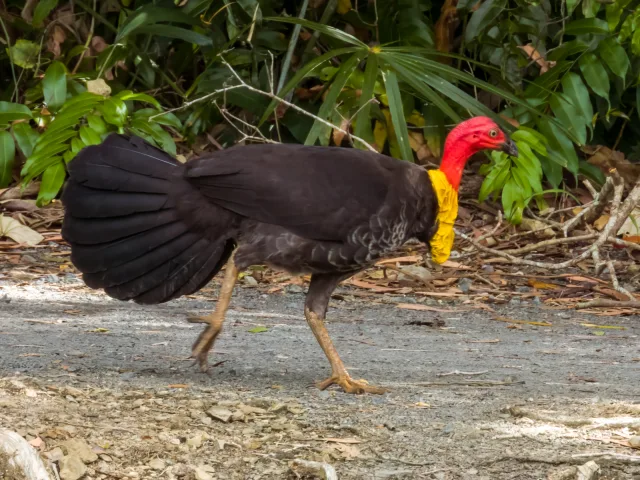
Megapodes, also known as "mound-builders," represent another extreme of minimal parental care. These birds, found primarily in the Australo-Papuan region, have developed an incredible method of incubation that completely eliminates the need for parents to sit on their eggs. Instead, they use external heat sources to incubate their clutches.
The Australian Brush Turkey
The Australian Brush Turkey (Alectura lathami) of Australia is a prime example of this strategy. The male megapode meticulously constructs a large mound of soil and decaying vegetation. The heat generated by the decomposing plant matter provides a stable, warm environment for the eggs. The male carefully monitors the mound's temperature, using its beak as a thermometer, and adds or removes material to ensure the temperature remains optimal.
When the chicks hatch, they are in an astonishingly advanced state of development, a condition known as superprecocial. Unlike altricial birds (like songbirds) which are born helpless and naked, megapode chicks are fully feathered, have open eyes, and are completely mobile and self-sufficient upon hatching. They are strong enough to dig their way out of the mound on their own, a process that can take a couple of days.
Once they emerge, they receive no further care from their parents. They can fly within hours and are immediately able to find their own food and avoid predators. This incredible level of independence from birth means the parental care period for megapodes is effectively zero. The parents' job is simply to create and maintain the incubation environment, after which their role is complete.
Contrasting Strategies
The two groups, brood parasites and megapodes, achieve minimal parental care through fundamentally different means. Brood parasites, like the cuckoo, rely on deception and exploitation of other species. This strategy is a behavioral adaptation that shifts the entire burden of care to another bird. The cuckoo has evolved to be a master manipulator, from egg mimicry to a chick that outcompetes its nest-mates.
Megapodes, on the other hand, have evolved a unique reproductive strategy that bypasses direct parental care for the chick itself. Their investment is focused entirely on building and maintaining a natural incubator. This physiological and behavioral adaptation results in chicks that are born in a state of hyper-independence, a phenomenon unparalleled in the avian world.
These two approaches highlight the diverse ways in which life history strategies can evolve. While most birds dedicate significant time and energy to raising their young, a select few have found ingenious ways to minimize this costly investment.
