
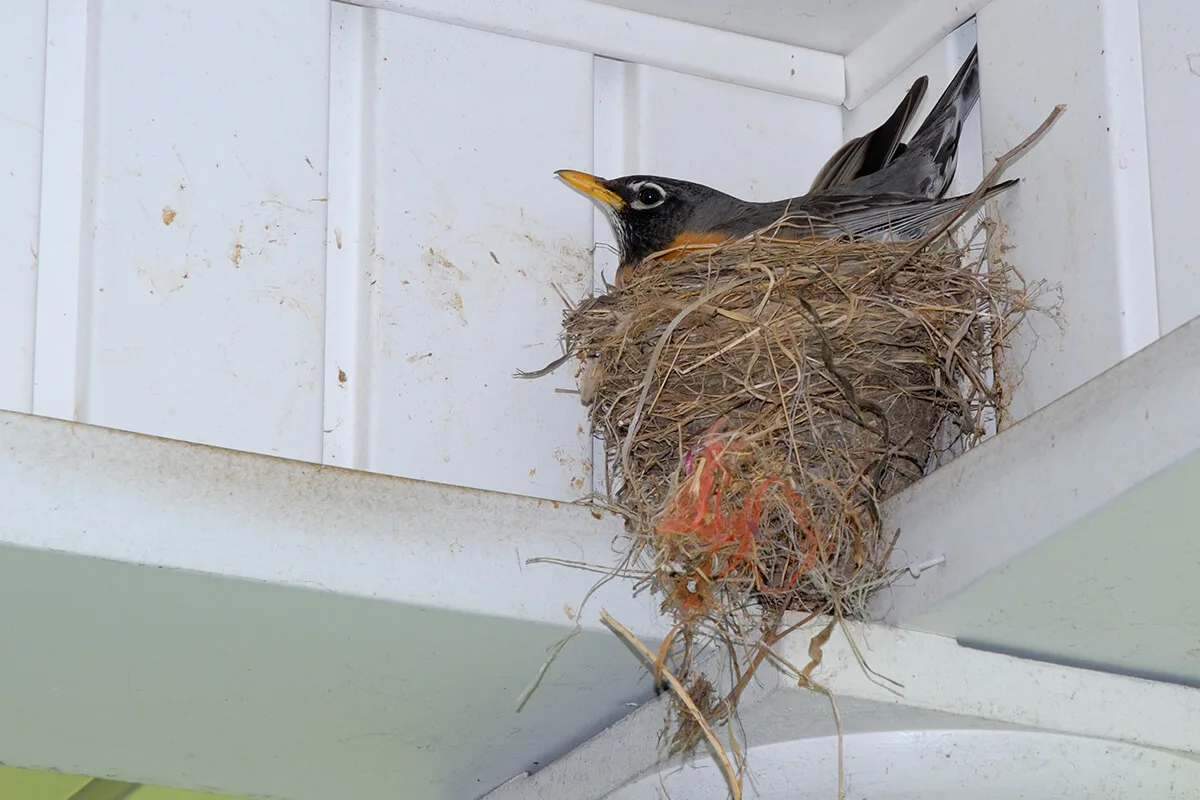
Birds can be beautiful to watch but having them nest around your home might not be ideal. But how to prevent birds from nesting around your home? This article will help you with tips on how to solve this issue by using simple, effective strategies and tools.
Knowing what attracts birds to certain spots and how to remove those attractors makes a difference in keeping them away.
Natural tools like shiny objects or bird-safe repellents can deter birds without harming them. Blocking potential nesting areas also helps protect your home from unwanted nests. You can enjoy a bird-free environment with the right approach and simple strategies.
Key Takeaways
- Understand why birds nest and how to prevent it effectively.
- Use simple techniques like shiny objects to keep birds away.
- Protect nesting areas to maintain a bird-free zone.
Understanding Bird Nesting and Prevention Strategies
Birds often look for safe and suitable places to build nests. Understanding why birds choose certain spots helps in preventing them from nesting in unwanted areas. Knowing the legal aspects is also crucial, as some birds are protected by law.
Bird Behavior and Attraction to Nesting Sites
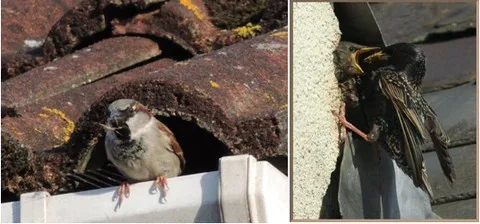
Birds seek places to nest based on safety and availability of food and shelter. Common areas include eaves, gutters, and open vents. Roosting sites with nesting materials like twigs and leaves attract them.
Some species return to the same spot yearly. This makes it important to address preferred nesting sites early. Visual deterrents like shiny objects or fake predators can help. Physical barriers like mesh or spikes prevent access to potential locations.
Consistent maintenance of property, such as trimming trees and sealing openings, is also effective.
Legal Considerations for Bird Nest Prevention
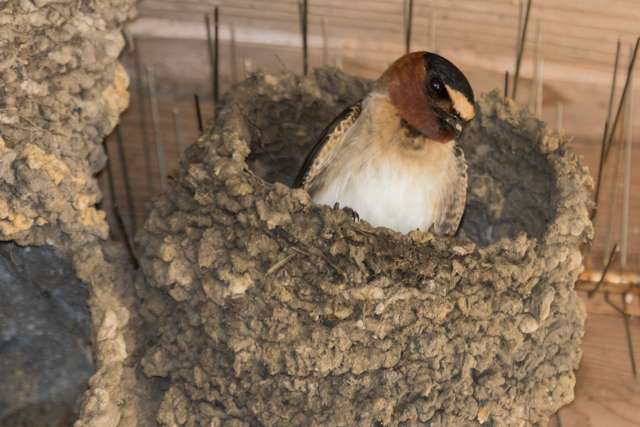
Certain birds are protected by laws like the Migratory Bird Treaty Act in the United States. This law makes it illegal to destroy or remove nests of protected birds without permission. If you need to remove a nest, consulting a wildlife expert or wildlife rehabilitator is advised. They ensure that any necessary actions follow the law.
It’s essential to check regional laws regarding bird nest removal. Allowing birds to complete their nesting cycle and then using preventive measures for future seasons is often recommended. Legal guidance helps ensure actions are both ethical and compliant with relevant laws.
Practical Measures to Deter Nesting
Prevent birds from nesting with effective tactics. These include physical barriers, sensory repellents, and natural or chemical deterrents to help achieve successful bird control and safety.
Physical Deterrents and Barriers
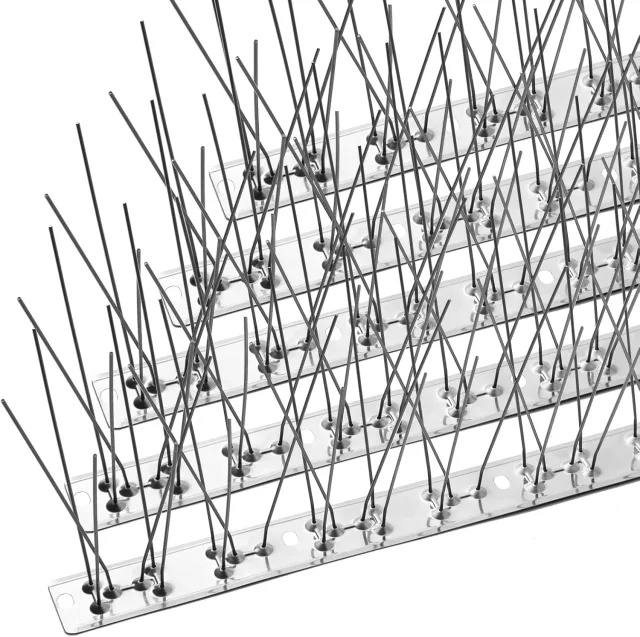
Physical deterrents stop birds from nesting by making surfaces inhospitable. Bird spikes and roosting spikes are common tools. They are placed on ledges, windowsills, and eaves to stop birds from landing. Wire mesh and netting can cover larger areas like rooftops, offering a reliable way to prevent nesting.
Bird netting is especially useful for gardens and open structures. It's an exclusion method that keeps birds out without harm. Ensure you install these barriers tightly. Any gaps can allow birds to slip through, rendering the setup ineffective. Regular checks are crucial to maintaining protection.
Sensory Repellents and Diversion Tactics
Sensory repellents deter birds using lights and sounds. Reflective objects, such as tape, and shiny objects like aluminum foil, can confuse and scare birds away. Wind chimes add noise to further discourage roosting and nesting.
For tech lovers, motion-activated lights and auditory deterrents like ultrasonic devices can be effective. These create environments that birds find uncomfortable. Use these devices wisely, placing them where birds tend to gather. Knowing the birds' patterns helps position deterrents for maximum impact.
Natural Repellents and Chemical Deterrence
Natural repellents like mint, peppermint oil, garlic, peppers, and citronella can be used to ward off birds. These act as natural bird repellents due to their strong, pungent smells that birds typically dislike. You can mix these ingredients to create homemade sprays.
For chemical deterrents, there are commercial bird repellents available. These gels and sprays often contain substances that irritate birds but are safe for humans. Always read labels and apply according to the instructions.
Ensure these products are suitable for your environment before use to maintain safety and health standards.
Frequently Asked Questions
Preventing birds from nesting involves using physical barriers, certain sprays, and other tactics. These methods aim to keep birds away without causing harm.
How can I stop birds from building nests under my roof?
To keep birds from nesting under your roof, try installing bird spikes or netting. These create a physical barrier that makes it hard for birds to settle. Regularly inspect and repair any damage to keep these barriers effective.
What methods are effective for deterring birds from nesting within homes?
Consider using reflective objects like aluminum foil or shiny tape around areas where birds usually nest. The reflections can confuse and scare birds away. Ultrasonic bird repellents may also help by emitting sounds that birds dislike.
Is there a particular spray that can prevent birds from creating nests?
Bird repellent sprays made with natural ingredients like peppermint oil are available. Spray these around areas you want to protect. They emit a scent that birds find unpleasant, discouraging them from nesting.
What tactics work best for discouraging birds from nesting overnight?
Set up motion-activated lights or sound devices to startle birds. These sudden changes can make birds uncomfortable and less likely to stay overnight. Placing decoys of predators like hawks or owls can also deter them by creating a sense of danger.
We Love Birds, But Not on Our Porch: Finding the Right Balance with Bird Repellents
