

With its unique position along the Atlantic Flyway, Delaware is a prime destination for birdwatchers of all experience levels. The state's diverse landscape—from expansive coastal marshes and bay shores to inland forests and fields—provides critical habitat for a vast array of resident and migratory birds.

Whether you're hoping to spot the vibrant plumage of a warbler during spring migration, witness the impressive gathering of shorebirds like the famous Red Knot, or simply enjoy the sight of a majestic Bald Eagle soaring overhead, Delaware offers an abundance of opportunities. This guide will explore some of the top birding locations across the state, highlighting the species you're most likely to encounter and providing tips to make your birdwatching adventure a success.
Bombay Hook National Wildlife Refuge
Located in Kent County along the western shore of the Delaware Bay, Bombay Hook National Wildlife Refuge is a sprawling 15,978-acre sanctuary that protects one of the largest remaining expanses of tidal salt marsh in the mid-Atlantic region. Established in 1937, the refuge is a crucial link in the chain of protected areas along the Atlantic Flyway, a major migratory route for birds.

Its landscape is a rich mosaic of habitats, including not only vast tidal marshes but also managed freshwater impoundments, upland forests, and agricultural fields. This diversity of ecosystems provides a variety of food sources and cover, making it an ideal stopover and breeding ground for a wide array of wildlife.

Bombay Hook's reputation as a premier birding destination is well-deserved, offering exceptional opportunities throughout the year. The refuge is most famous for its spectacular spring and fall migrations, when hundreds of thousands of ducks, geese, and shorebirds descend upon its waters and mudflats.
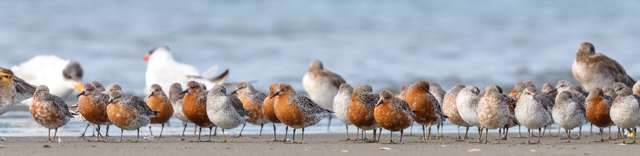
In May, the Delaware Bay shoreline at Bombay Hook becomes a critical staging area for species like the Red Knot, which stop to feast on horseshoe crab eggs before continuing their long journey north. A 12-mile one-way auto tour route and several walking trails with observation towers allow visitors to access the different habitats and get a closer look at the diverse birdlife, from the wading birds and waterfowl of the impoundments to the songbirds of the forested uplands.
Target Birds
Bald Eagle
Seaside Sparrow
Clapper Rail
Red Knot
Least Bittern
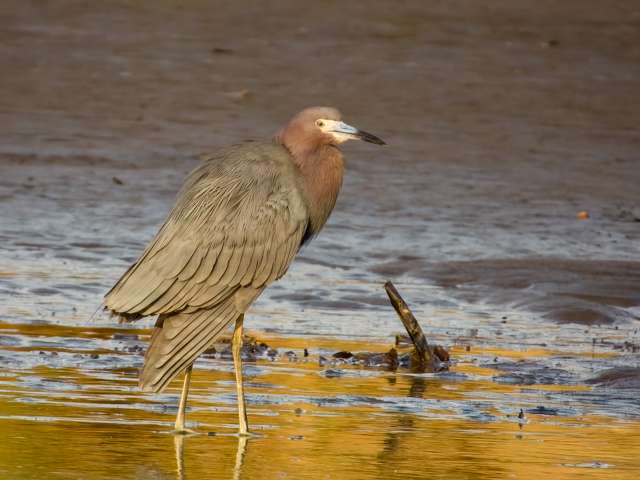
Little Blue Heron

There are lots of websites with information about the Bombay Hook NWR but the best place to start is the Friends of Bombay Hook. It has articles about the volunteers, building works, not to mention the wildlife!
Prime Hook National Wildlife Refuge
Located along the western shore of Delaware Bay, Prime Hook National Wildlife Refuge is a sprawling 10,000-acre sanctuary established in 1963. Its geography is a mosaic of diverse habitats, including expansive freshwater and tidal marshes, wooded swamps, grasslands, and ponds. This variety of ecosystems is meticulously managed through a system of dikes and water control structures to create ideal conditions for migratory and resident wildlife.

The refuge's location makes it a critical stopover on the Atlantic Flyway, a major migratory route for birds traveling up and down the East Coast. While it may be slightly less famous than its northern counterpart, Bombay Hook NWR, Prime Hook offers an equally rewarding and perhaps quieter birding experience, with several access points and a network of trails for exploration.

Prime Hook's diverse habitats provide spectacular birdwatching opportunities throughout the year, with a staggering 308 species of birds recorded within the refuge. The marshes and impoundments are the main draws, attracting massive concentrations of migratory waterfowl in the fall and winter, including thousands of snow geese, ducks, and other waterbirds. Spring and fall migrations are also a prime time to witness a spectacular variety of shorebirds and warblers.

The refuge is a designated site within the Western Hemispheric Shorebird Reserve Network and is especially known for its breeding and nesting populations of species like the American Avocet and Black-necked Stilt. Bald Eagles and Osprey are also common sights, soaring overhead or perched near the water. Even in the summer months, birders can find resident wading birds like Great Blue Herons and Snowy Egrets, as well as early southbound migrants returning from their northern breeding grounds.
Target Bird
Gray Plover
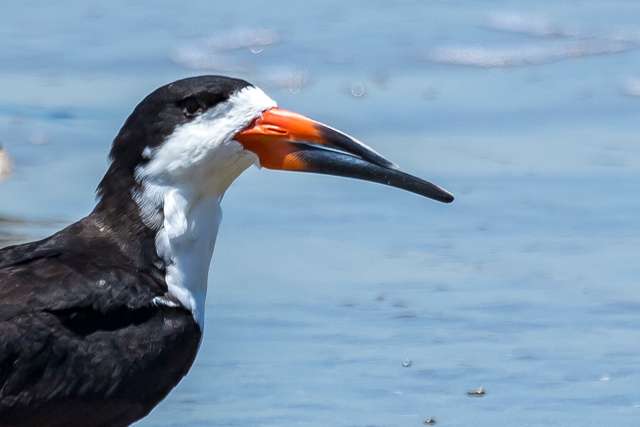
Black Skimmer
Orchard Oriole
Indigo Bunting
Short-billed Dowitcher
Forster's Tern

EcoDelaware has some good information about activities in the area. The U.S. Fish and Wildlife Service has more guidance for visitors.
Ted Harvey WMA
Located in Kent County near the historic capital of Dover, Ted Harvey Wildlife Management Area (WMA) is a significant and multifaceted conservation area. The WMA encompasses approximately 2,700 acres, with a diverse mix of habitats including impoundments, salt marshes, bayshore, and upland forests. Its location along the St. Jones River and the Delaware Bay makes it a critical component of the region's vast coastal ecosystem.

The area is divided into several tracts, such as the Logan Lane Tract, each offering slightly different landscapes and opportunities for wildlife viewing. This geographic diversity, combined with its proximity to other renowned birding spots like Bombay Hook National Wildlife Refuge, establishes Ted Harvey WMA as a key destination for anyone interested in exploring the natural beauty and biodiversity of Delaware's Bayshore.

For birdwatchers, Ted Harvey WMA offers exceptional opportunities to observe a wide variety of species throughout the year. The impoundments and marshes are particularly productive, attracting numerous waterfowl, wading birds, and rails. Birders can look for species like American Avocet, Black Skimmer, and Gull-billed Tern, which are known to frequent the area.
During the spring and fall migrations, the WMA becomes a vital stopover for a spectacular number of migratory shorebirds and songbirds, including various warblers. The open waters and bayshore also provide a chance to spot raptors like Bald Eagles and Osprey, as well as a diverse range of gulls and terns. While birding, it's important to be aware of hunting seasons, as access to certain areas may be restricted.
Target Birds
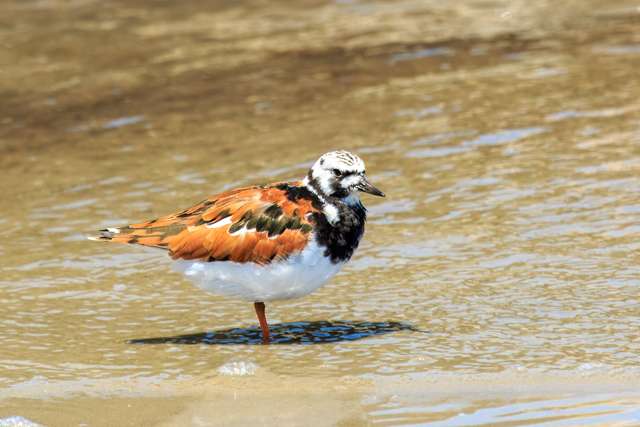
Ruddy Turnstone
Dunlin
Caspian Tern
Red-bellied Woodpecker
Marsh Wren
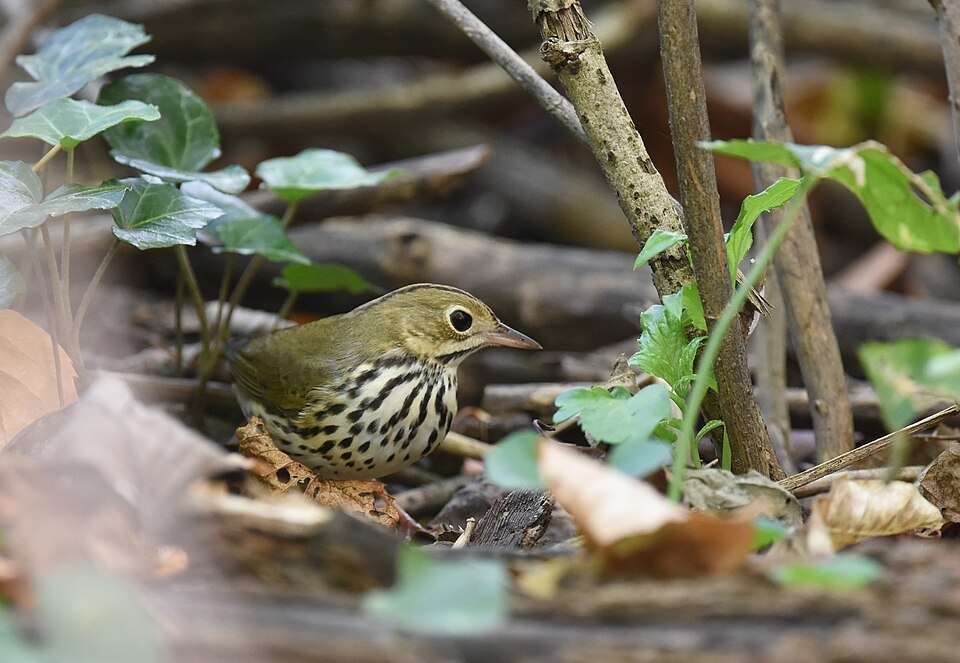
Ovenbird

The Delaware Birding Trail has up to date information about access to the area and the birds seen there.
Little Creek Wildlife Area
Just east of Dover, Delaware, the Little Creek Wildlife Area is a sprawling, 4,700-acre haven for both wildlife and the people who come to observe it. Its location on the Delaware Bay coast makes it an essential stop along the Atlantic Flyway, a major migratory route for birds.

The area's geography is a rich mosaic of habitats, including vast tidal marshes, agricultural fields, upland forests, and coastal impoundments. This blend of environments provides the perfect conditions for a remarkable diversity of bird species to thrive throughout the year, with seasonal highlights that attract birders from near and far.

Little Creek's varied landscape presents exceptional birdwatching opportunities year-round, but it is particularly renowned for its spectacular migrations and winter raptors. Birders flock to the area to witness the horseshoe crab spawning event in late spring, which draws massive numbers of shorebirds, including the famous Red Knot, to feast on the eggs.

During the colder months, the wildlife area becomes a prime location for observing wintering waterfowl and raptors, such as the impressive Short-eared Owl, which is a consistent sight around sunrise and sunset. The site is a key part of the Delaware Birding Trail and features a multi-level observation tower and a boardwalk, providing excellent vantage points to scan the impoundments and marshlands for herons, egrets, and a wide variety of migratory species.
Target Birds
Great Crested Flycatcher
Killdeer
Least and Spotted Sandpiper
Northern Harrier
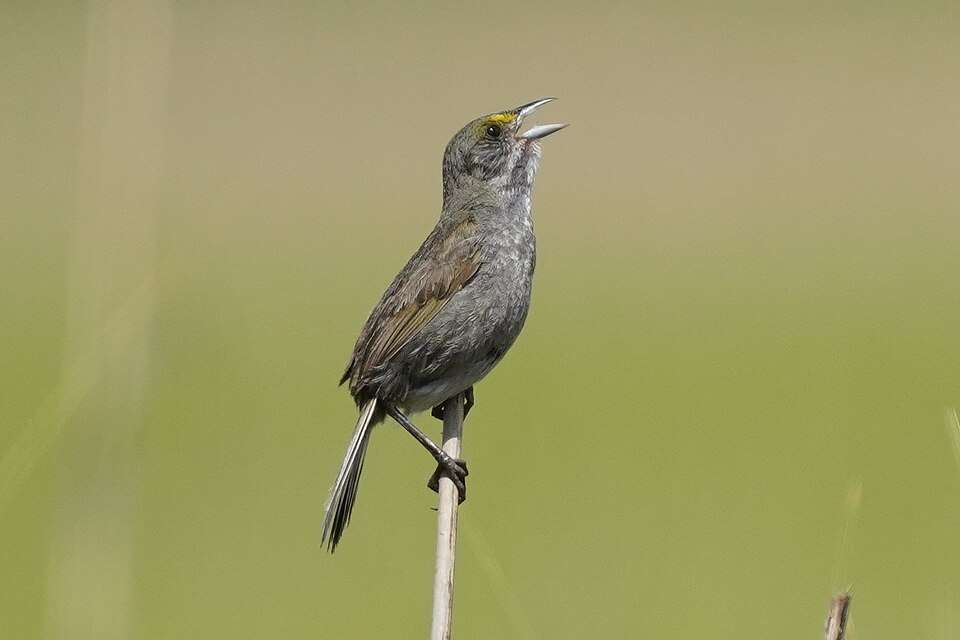
Seaside Sparrow
Blue Grosbeak

The Delaware Bayshore Byway has good detail about the area and access to area for visitors.
Assawoman Wildlife Area
Situated in the southeastern corner of Delaware, just south of Bethany Beach, the Assawoman Wildlife Area is a haven for nature lovers and birdwatchers. This expansive area spans over 3,100 acres, encompassing a variety of habitats that were once farmlands. The geography of the area is defined by its proximity to the Little Assawoman Bay, with a landscape that includes tidal marshes, freshwater ponds and impoundments, and dense forests dominated by loblolly pine.

Access to the area is primarily via a network of dirt roads, with popular entry points at Mulberry Landing, Strawberry Landing, and Sassafras Landing, each offering unique perspectives on the diverse ecosystems.

This rich mosaic of habitats makes the Assawoman Wildlife Area a prime location for birdwatching year-round. The managed freshwater impoundments are a major draw, attracting large numbers of migrating and wintering waterfowl. Birders can expect to see various duck species, as well as wading birds like great blue herons and egrets.

The forested areas are excellent for spotting land birds, including a variety of warblers during spring and fall migration, as well as resident species like the brown-headed nuthatch. An observation tower at Mulberry Landing provides an elevated view of the surrounding landscape, offering a fantastic vantage point to scan the skies for soaring raptors like Bald Eagles and Ospreys. The area is also known for summer sightings of Black Skimmers foraging in the bay, making it a truly rewarding destination for any birder.
Target Birds
Acadian Flycatcher
Magnolia and Pine Warbler
Laughing and Ring-billed Gull
Eastern Towhee
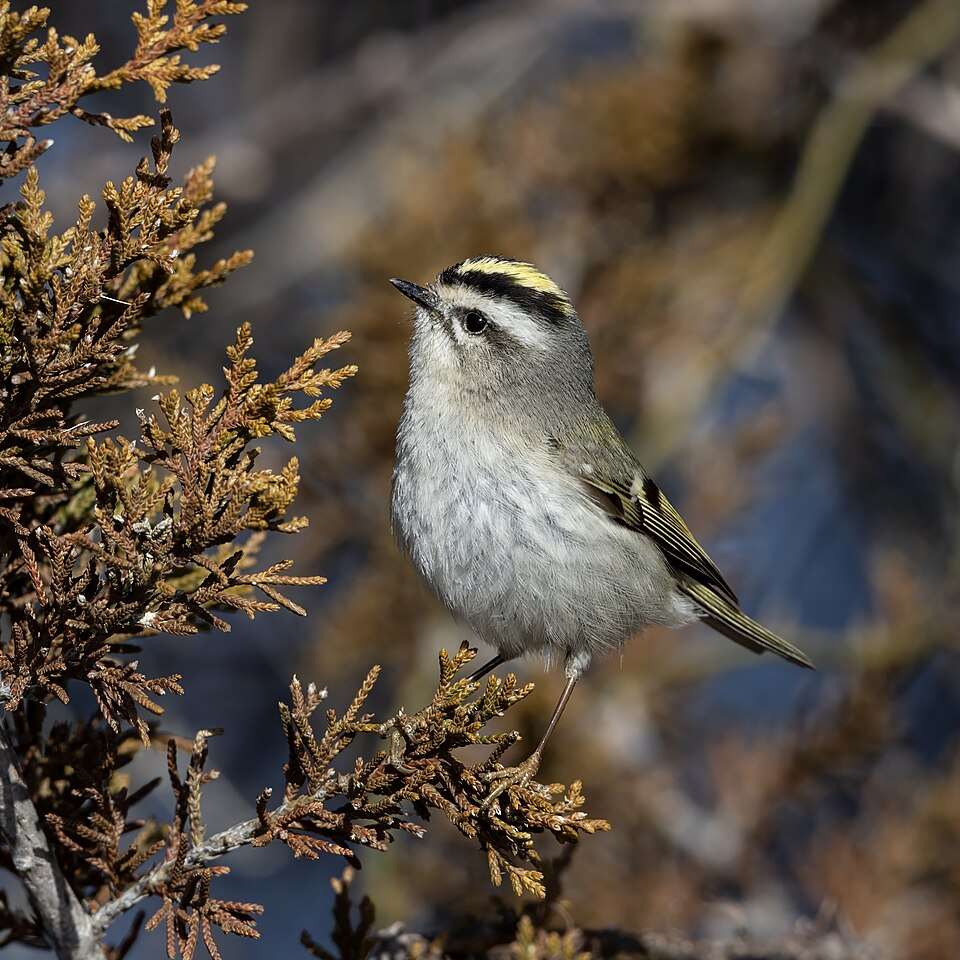
Golden-crowned Kinglet
Belted Kingfisher

Delaware Birding Trails has a nice description of the area and a list of individual spots to visit.
Port Mahon Road
Port Mahon Road, a classic birding hotspot in Delaware, offers a distinct and highly productive birdwatching experience. Located in Kent County, northeast of Little Creek, this road extends from Delaware Route 9 to the Delaware Bay, passing through the Little Creek Wildlife Area. Its geography is dominated by vast tidal salt marshes, which are a critical part of the Delaware Bay ecosystem.

The road itself is a narrow causeway that allows birders to drive directly into this sprawling wetland landscape. At the end of the road, a fishing pier provides an elevated vantage point to scan the bay and the surrounding marsh, making it a prime location for observing a diverse range of species that thrive in this coastal environment.

The birdwatching opportunities at Port Mahon are exceptional, particularly for species that favor marsh and coastal habitats. The area is famous for its late May spectacle when tens of thousands of migratory shorebirds, including the celebrated Red Knot, arrive to feed on the abundant eggs of spawning horseshoe crabs. Throughout the year, the marshes are a reliable place to find secretive rail species, such as Clapper and Black Rails, and a variety of marsh sparrows.

During the winter, Port Mahon transforms into a premier spot for observing raptors, with Short-eared Owls being a consistent highlight at dawn and dusk. Birders can also spot a variety of waterfowl, gulls, and terns along the bay shore, while the surrounding brushy fields and hedgerows attract sparrows and other land birds. The sheer density and variety of birdlife make Port Mahon Road a must-visit location for any serious birder in Delaware.
Target Birds
Osprey
Semipalmated Plover
Red Knot
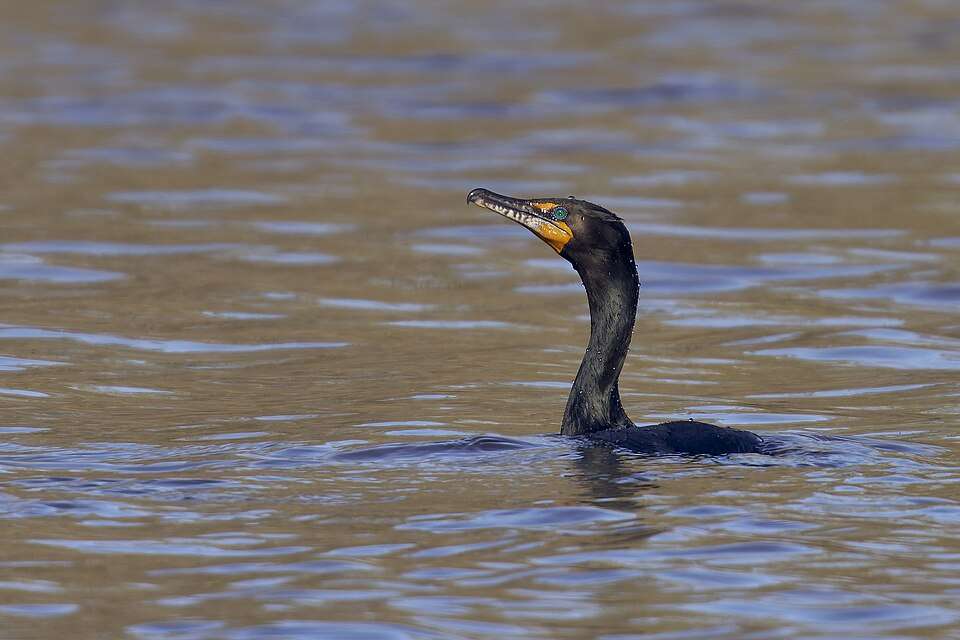
Double-crested Cormorant
Ruddy Duck
Clapper Rail

The Delaware Birding Trail again has detail about the site and other nearby birding locations.
Fort DuPont State Park
Fort DuPont State Park, located in Delaware City, offers a unique blend of history and natural beauty, making it a fantastic birdwatching destination. Situated on the Delaware River and at the mouth of the Chesapeake & Delaware Canal, the park's geography provides a mix of habitats that attract a wide variety of birds. Visitors can explore tidal marshes, wooded areas, and open fields, all within the park's boundaries.
The park is also directly across the Delaware River from Pea Patch Island and Fort Delaware State Park, which is home to one of the largest mixed-species heronries on the East Coast. Fort DuPont's strategic location along the Atlantic Flyway means it is a critical stopover for many migratory species, particularly in the spring and fall.

The park's diverse landscape offers excellent birding opportunities throughout the year. The Riverview Trail is a prime spot, meandering along the Delaware River with views of the historic gun batteries and the tidal marshes. From here, birders can spot various wading birds, herons, and egrets flying to and from the Pea Patch Island heronry.
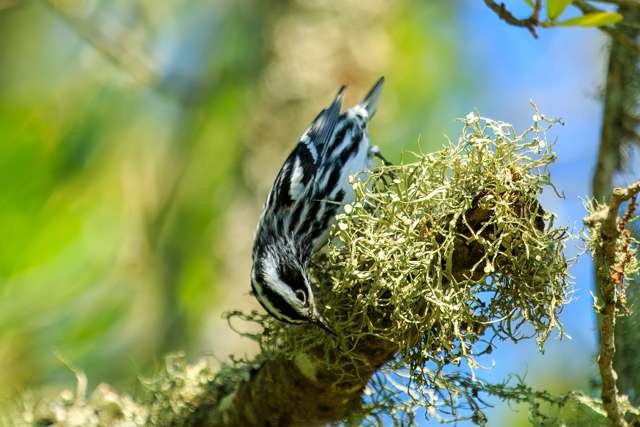
The park's woodlands are a haven for migrating songbirds, including a variety of warblers, vireos, and flycatchers, especially during spring and fall migration. Year-round residents such as eagles and hawks can be seen hunting over and around the water, while the open fields attract sparrows and other field birds. The park's mix of habitats ensures that there is always something new to discover for both novice and experienced birdwatchers.
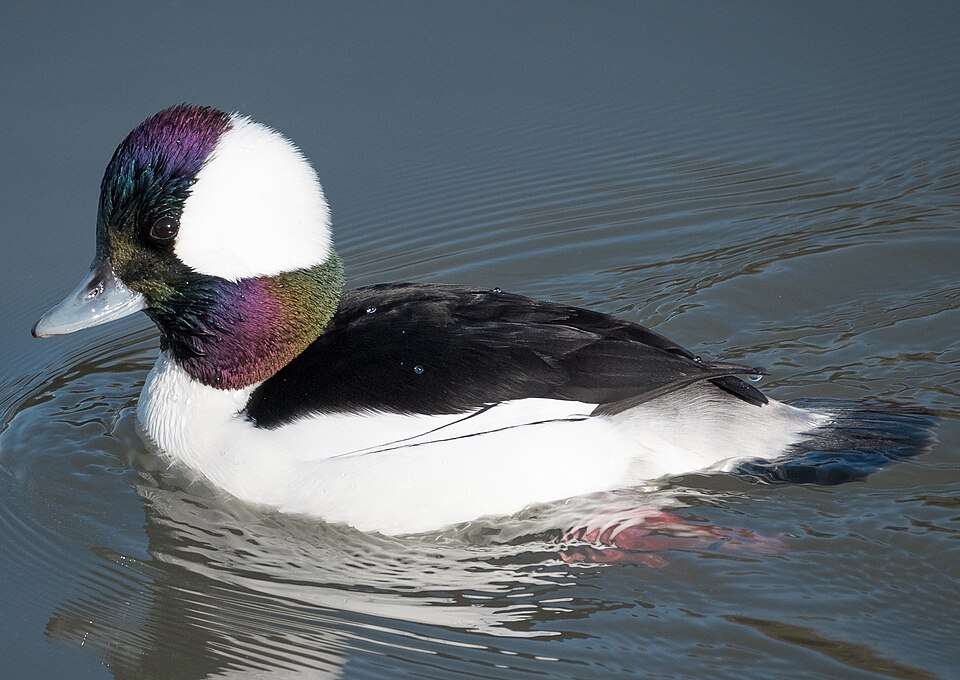
Target Birds
Snowy Egret
Sand Martin
American Redstart
Black and White Warbler
Bufflehead
- Fox Sparrow

The Department of State Parks has lots of information about the war history, recreational activities and local trails.
Trap Pond State Park
Trap Pond State Park, located in southwestern Sussex County near Laurel, holds the distinction of being Delaware's first state park. Its defining feature is Trap Pond, a 90-acre millpond surrounded by one of the northernmost naturally occurring stands of bald cypress trees in North America. This unique geography creates a diverse and enchanting habitat.

The park's landscape includes not only the cypress swamp but also mixed hardwood forests, open fields, and various smaller ponds and streams. The flat, sandy trails and extensive water system provide easy access to these different environments, offering birdwatchers a chance to explore a variety of ecosystems in a relatively compact area.

This distinctive habitat makes Trap Pond State Park a fantastic location for birding year-round. The cypress swamp and surrounding wetlands are a haven for waterbirds and species that thrive in a wet environment. Birders can spot graceful Great Blue Herons, Green Herons, and a variety of ducks and geese. One of the most sought-after species is the Prothonotary Warbler, a brilliant yellow songbird that nests in cavities over the water.

The park's upland forests are also excellent for spotting resident and migratory species, including Pileated Woodpeckers, Barred Owls, and a wide array of warblers, vireos, and flycatchers during spring and fall migration. Bald Eagles and Ospreys can also be seen hunting over the pond, adding to the rich and rewarding experience for any bird enthusiast.
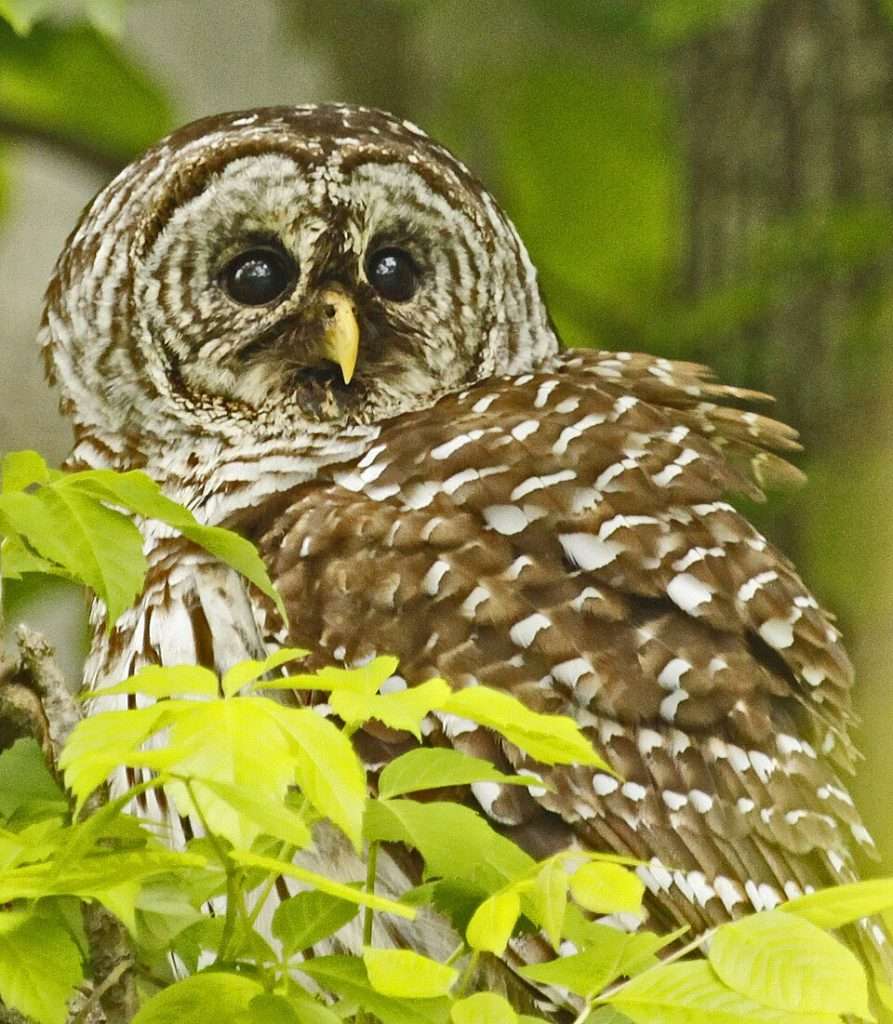
Target Birds
Prothonotary Warbler
Summer Tanager
Yellow-billed Cuckoo
Brown Thrasher
Yellow-throated Vireo
Worm-eating Warbler

Delaware State Parks has lots of information about the park for a range of recreational users.
White Clay Creek State Park
Tucked away in the rolling hills of northern Delaware, White Clay Creek State Park stands out as a haven for a wide variety of birds. The park's geography is a departure from Delaware's typical flat coastal plain, instead featuring the stream valleys and ridges of the Piedmont region. White Clay Creek, a designated National Wild and Scenic River, meanders through the landscape, creating diverse habitats.

These include mature hardwood forests, open fields, meadows, and wetlands, providing a rich mosaic of environments that attract different species throughout the year. The park's location in this unique physiographic region makes it an exceptional place to observe species not commonly found in other parts of the state.

The varied habitats at White Clay Creek State Park provide exceptional birdwatching opportunities. The mature forests are particularly noted for attracting neotropical migratory birds during spring and fall, with over twenty species of warblers, as well as vireos, thrushes, and orioles being spotted on a good day.
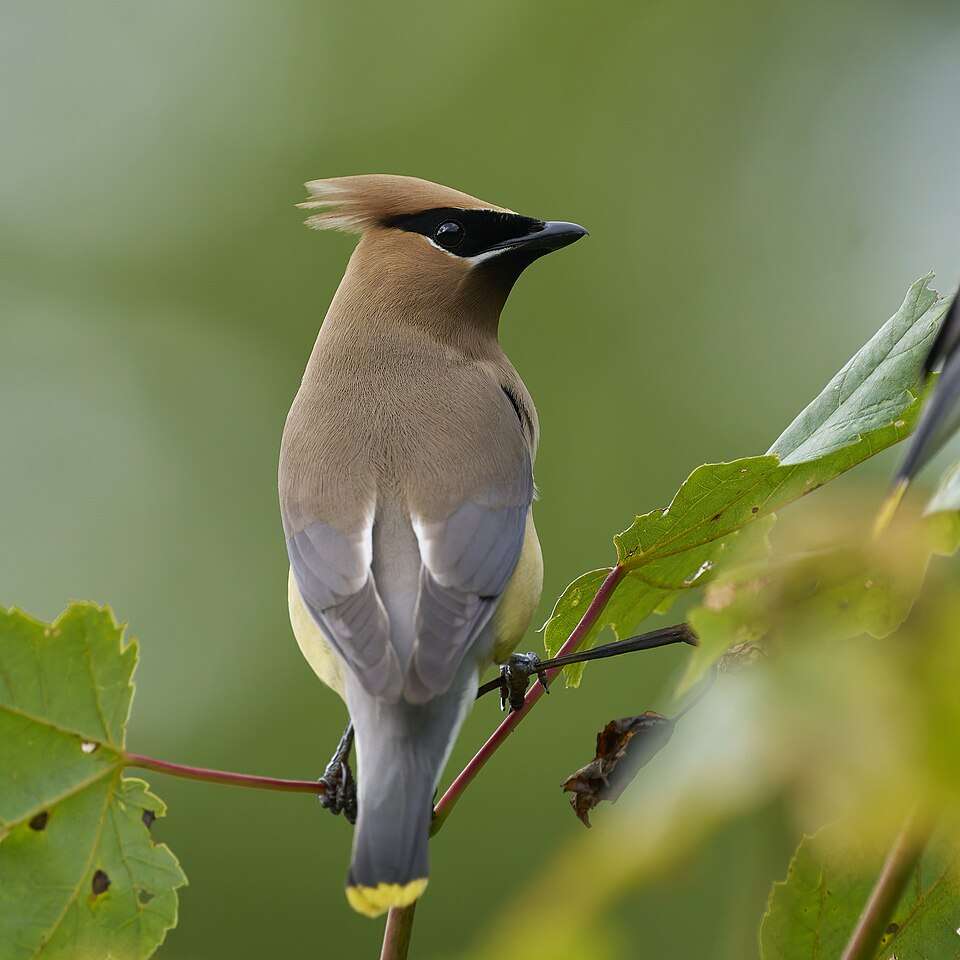
It's a key breeding site for forest-dependent species like the rare Cerulean Warbler, and birders can often hear the distinct calls of a Barred Owl or spot a Pileated Woodpecker. The open fields are home to sparrows and other field birds, while the creek and its tributaries attract waterfowl, wading birds, and kingfishers. With over 200 bird species recorded, White Clay Creek State Park is a year-round delight for birders seeking a diverse and rewarding experience.

Target Birds
Veery
Cedar Waxwing
Orchard and Baltimore Oriole
Spotted Sandpiper
Nashville and Tennessee Warbler
Eastern Screech-Owl

Delaware State Parks has great information about bird watching in the area.
Cape Henlopen State Park
Cape Henlopen State Park is a premier birdwatching destination, located at the very tip of the Henlopen Peninsula where the Delaware Bay meets the Atlantic Ocean. This unique geographical location makes it a funnel for migrating birds traveling the Atlantic Flyway. The park's diverse habitats—including dunes, maritime forests, salt marshes, freshwater wetlands, and extensive beaches—create a sanctuary for a wide range of avian species.

Its location at the northern terminus of the Delaware Bay provides critical stopover points for shorebirds and waterfowl, while the extensive landmass offers a refuge for migrating land birds. The park is also directly connected to the Gordons Pond section via a popular trail, providing access to an additional 900-acre saltwater lagoon that further diversifies the birding experience.

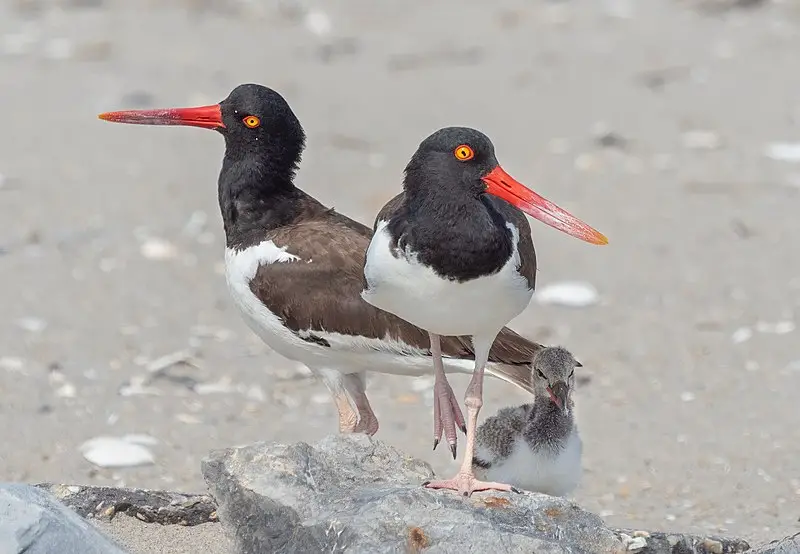
Birding at Cape Henlopen is excellent year-round, with each season offering unique opportunities. During spring and fall migration, the park is a hotspot for raptors and songbirds, with a volunteer hawk watch conducted from a bunker overlook. The beaches at "The Point" are particularly famous for nesting birds, including the federally threatened Piping Plover, as well as American Oystercatchers and Least Terns. In the winter, the bay and ocean waters are filled with sea ducks, loons, and gannets.

The maritime forests are home to year-round residents like the Brown-headed Nuthatch, and the marshes and ponds are excellent for spotting wading birds, herons, and egrets. The park's well-maintained network of trails, including the Gordons Pond Trail, provides easy access to these various habitats, ensuring that birders can explore a variety of ecosystems and maximize their chances of a great sighting.
Target Birds
American Oystercatcher
Least, Forster's and Royal Tern
Brown Pelican
Arctic Skua
Great Northern Diver
- Surf Scoter

The Delaware State Parks has a ton of information for all sorts of visitors.
Wrapping Up
Delaware, though small in size, is a giant in the world of birdwatching. Its position on the Atlantic Flyway, combined with a remarkable diversity of ecosystems, makes it a vital stopover and year-round home for hundreds of avian species. From the historic shores of Fort DuPont to the coastal dunes of Cape Henlopen, each location offers a unique birding experience, whether you're seeking rare migrants, nesting shorebirds, or majestic raptors. The state's commitment to conservation, evidenced by its network of state parks and wildlife areas, ensures these habitats remain protected for both the birds and the enthusiasts who come to observe them.
Whether you are a seasoned birder with a life list to check off or a casual nature lover looking for a peaceful day outdoors, Delaware's accessible and rich natural landscapes provide an unparalleled opportunity to connect with the winged wonders of the East Coast. The state's birding trail and numerous well-maintained public lands make it easy to plan an adventure, promising new discoveries with every season. Ultimately, Delaware stands as a testament to how a small state can provide a grand and unforgettable birdwatching experience.
