

From the icy plains of Alaska to the tropical shores of Hawai'i, each of the fifty United States is defined by its unique landscapes, histories, and cultural identities. While flags and mottos offer symbolic expressions of these identities, a more lively and enduring emblem can be found in the air, on the ground, and in the trees: the official state bird. These feathered ambassadors, often chosen through surprisingly democratic processes involving schoolchildren and women's clubs, represent not only the natural beauty of their regions but also the values and stories that have come to define their people.
The tradition of designating a state bird began in the early 20th century, largely spurred by the conservation movement and the growing popularity of ornithology. Organizations like the General Federation of Women's Clubs advocated for each state to choose a bird that would serve as a symbol of its natural heritage. What followed was a wave of legislative action that saw many states adopt their avian representatives, often after spirited debates, public polls, and classroom votes. The result is a vibrant and diverse collection of fifty state birds, many of which are shared across multiple states, reflecting broad ecological zones and a shared American experience.
The Northern Cardinal: A Symbol of Vitality and Endurance

No single bird holds more state titles than the Northern Cardinal. With its striking crimson plumage, crest, and melodious song, the male cardinal is an unmistakable sight throughout the eastern and central United States. It is the official state bird for seven states: Illinois, Indiana, Kentucky, North Carolina, Ohio, Virginia, and West Virginia. This widespread adoption is a testament to the cardinal's enduring appeal and its powerful symbolism.
The cardinal's selection in these states was often rooted in its visibility and resilience. Unlike many songbirds that migrate south for the winter, the cardinal is a year-round resident. Its brilliant red form stands in stark, hopeful contrast against a snowy winter landscape, making it a natural symbol of vitality, warmth, and perseverance. In North Carolina, the cardinal's designation in 1943 came after a public poll where it easily beat out other contenders, reflecting a popular sentiment that this beautiful, ever-present bird was the perfect representative. Interestingly, an earlier attempt to select the Carolina Chickadee was repealed by lawmakers who found its nickname, "tomtit," to be undignified.
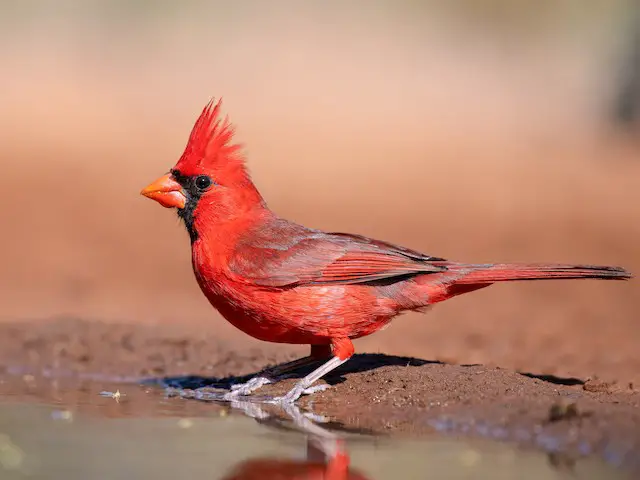
The cardinal's name itself carries a sense of nobility, derived from the brilliant red robes worn by cardinals of the Catholic Church. This connection, along with its consistent presence and stunning appearance, has solidified its place as a beloved and powerful state emblem. Its status in so many states speaks to its role as a unifying symbol of natural beauty and strength in the American heartland.
The Western Meadowlark: The Voice of the Plains

While the Northern Cardinal dominates the East, the Western Meadowlark holds a similar distinction in the West. This ground-nesting bird, with its vibrant yellow breast and distinctive black "V," is celebrated for its beautiful, flute-like song. It is the state bird for a remarkable six states: Kansas, Montana, Nebraska, North Dakota, Oregon, and Wyoming. This geographic clustering highlights the bird's natural range and its deep connection to the open prairies and grasslands of the American West.
The process for selecting the Western Meadowlark was often driven by a genuine love for its song and its representation of the region's expansive, untamed landscapes. In Kansas, schoolchildren first voted for the bird in 1925, but it took more than a decade for the state legislature to make the designation official. In Nebraska, a similar process saw the bird win three different votes from the Ornithologists Union, the Federation of Women's Clubs, and the state's schoolchildren, demonstrating its widespread popular support. Its specific epithet, neglecta, given by John James Audubon, even has a story; it was chosen because the bird had long been "neglected" and mistaken for its eastern cousin, highlighting its unique identity once it was properly studied.
The Western Meadowlark's significance extends beyond its appearance and song. It is a symbol of the pioneer spirit, its presence signifying the vast and productive lands that drew settlers westward. The bird's enduring popularity is a tribute to its role as a consistent, tuneful voice across the sweeping vistas of the plains.
The American Robin: A Harbinger of Spring
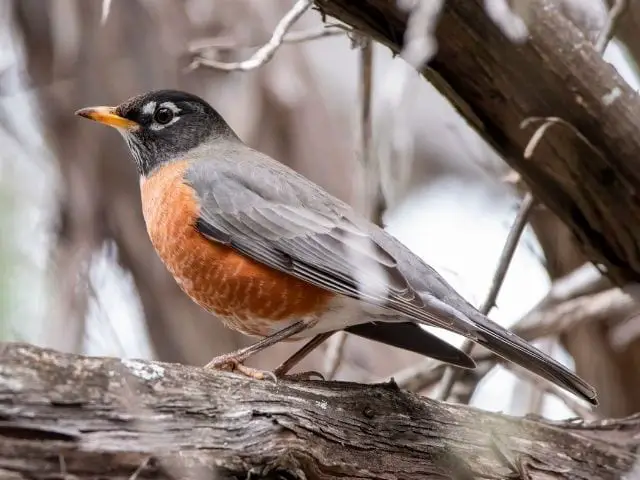
The American Robin, a familiar sight on lawns and in gardens across the country, is the state bird for three states: Connecticut, Michigan, and Wisconsin. Known for its cheerful disposition and its role as a harbinger of spring, the robin is a symbol of renewal, hope, and the changing seasons.
In Connecticut, the robin was officially designated in 1943 after a popular campaign. Its presence in the state year-round, as it adapts to different feeding habits in the winter, makes it an excellent choice for a state that experiences all four seasons. In Michigan, the bird was selected in 1931, with proponents arguing that its cheerful song and widespread presence made it the most appropriate choice. Wisconsin followed suit in 1949, also celebrating the robin's familiar presence and its symbolic link to the end of winter.
The American Robin's selection in these states highlights a common theme in the state bird process: choosing a familiar and beloved species that residents can easily identify and appreciate. It is a symbol of domesticity, community, and the simple beauty of nature found right outside our windows.
A Few Unique State Birds with Unforgettable Stories
While many states share a common bird, some have chosen species with truly unique backstories that are deeply woven into their local history and culture.
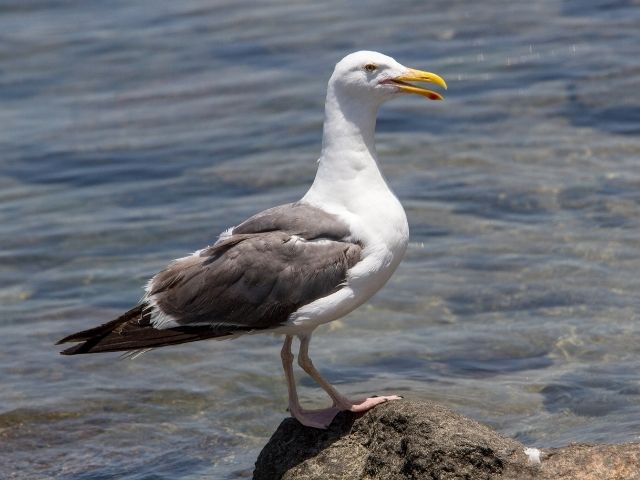
The California Gull, the state bird of Utah, has perhaps the most dramatic and unexpected tale of all. In 1848, a severe cricket infestation threatened to decimate the crops of the early Mormon pioneers, who had just begun to establish their settlements. As the crops were being devoured, flocks of California Gulls miraculously appeared, swooping down to feed on the crickets and saving the harvest. The pioneers viewed this event as a divine intervention, and the gull was revered as a savior. The bird's designation in 1955 was a formal tribute to this pivotal moment in the state's founding history.
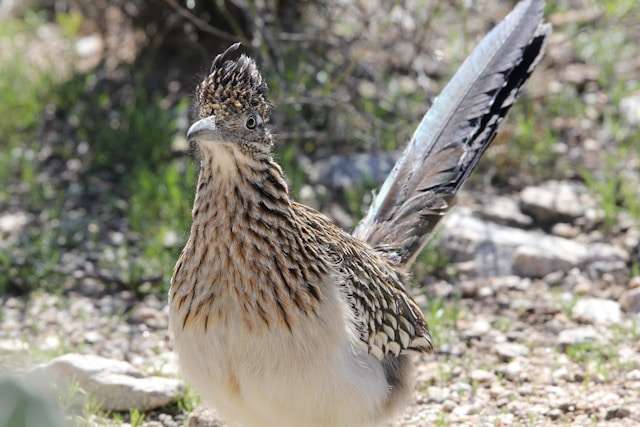
The Greater Roadrunner, the state bird of New Mexico, is an embodiment of the desert's rugged character and a beloved figure in Southwestern folklore. Named in 1949, the roadrunner was chosen for its speed, unmistakable appearance, and its ability to thrive in the harsh desert environment. It is also famous for its ability to hunt snakes, including rattlesnakes, showcasing a tenacity and strength that resonated with the state's identity. The roadrunner's cultural significance was further boosted by its portrayal in popular cartoons, cementing its status as an iconic symbol of the American Southwest.
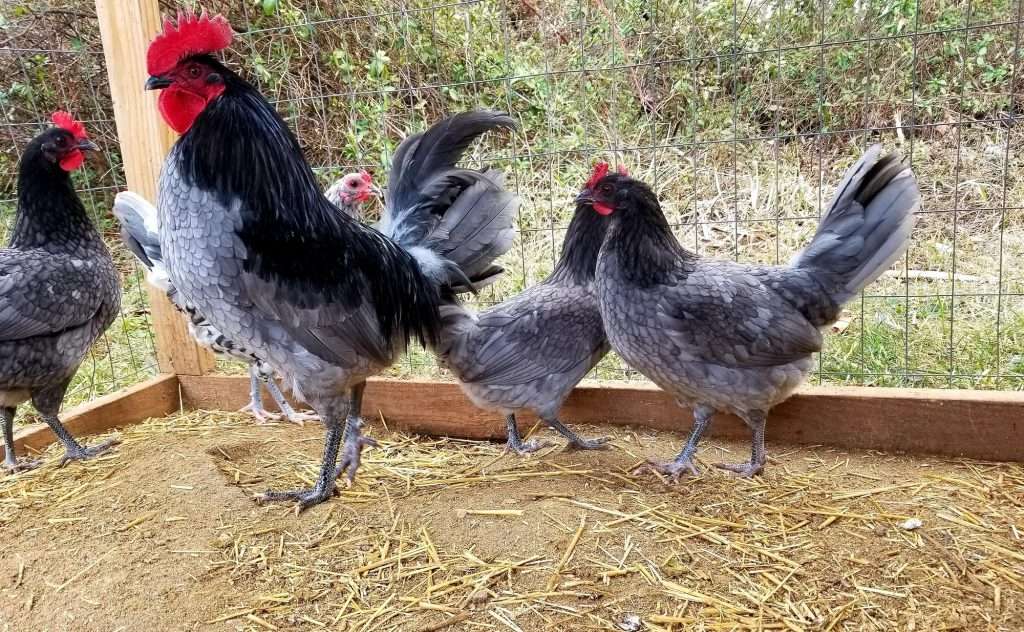
The Delaware Blue Hen, the state bird of Delaware, is a truly one-of-a-kind choice. It is not a wild bird but a breed of domestic chicken. Its story dates back to the Revolutionary War, where a company of soldiers from Delaware was known for their fighting spirit, which they likened to the fierceness of their blue hen fighting cocks. The blue hen became a nickname for the soldiers and eventually a symbol for the entire state, representing its fierce independence and fighting spirit. The breed was officially designated as the state bird in 1939.
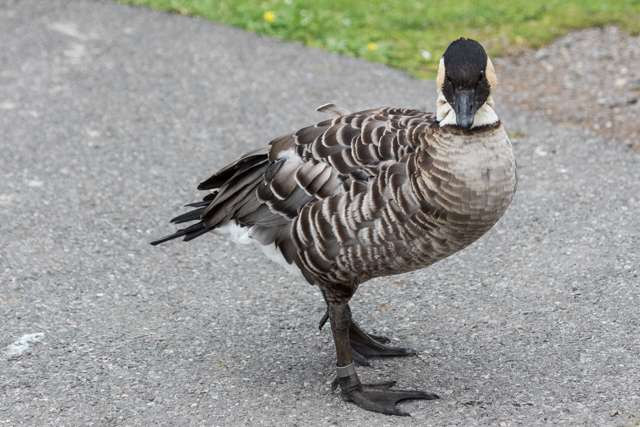
Lastly, the Nene, or Hawaiian Goose, is the state bird of Hawai'i and a powerful symbol of conservation. The Nene is endemic to the Hawaiian Islands and was once critically endangered due to habitat loss and the introduction of non-native predators. Its selection as the state bird in 1957 helped to bring much-needed attention to its plight. Today, the Nene is a conservation success story, with a recovering population, making it a symbol of hope and the importance of protecting unique natural treasures.
The Process of Selection and Its Meaning
The selection of a state bird was rarely a simple legislative act. It was often a democratic, grassroots process that involved citizens directly. The General Federation of Women’s Clubs played a foundational role, initiating campaigns in the 1920s that encouraged states to adopt a bird. This often led to schoolchildren being involved in popular votes and essay contests. The selections frequently favored birds that were common, easily recognizable, and that held a special symbolic meaning or a connection to the state's history.
For many states, the final decision was a careful balancing act between popular choice, biological appropriateness, and historical significance. The fact that so many states chose the same few birds speaks to their widespread presence and a shared appreciation for their characteristics. The cardinal's resilience, the meadowlark's song, and the robin's domestic charm are all qualities that resonated with a broad cross-section of Americans.
Wrapping Up
In the end, the official state birds of the United States are more than just a list of species. They are living symbols of shared histories, ecological diversity, and cultural values.
From the heroic California Gull to the tenacious Greater Roadrunner and the ubiquitous Northern Cardinal, these birds are a constant, fluttering reminder of the unique character of each state and the natural wonders that bind the nation together.
We have lots of posts about the birds and bird watching locations in different states. Read here about Arizona or check the states tab on the menu.
