
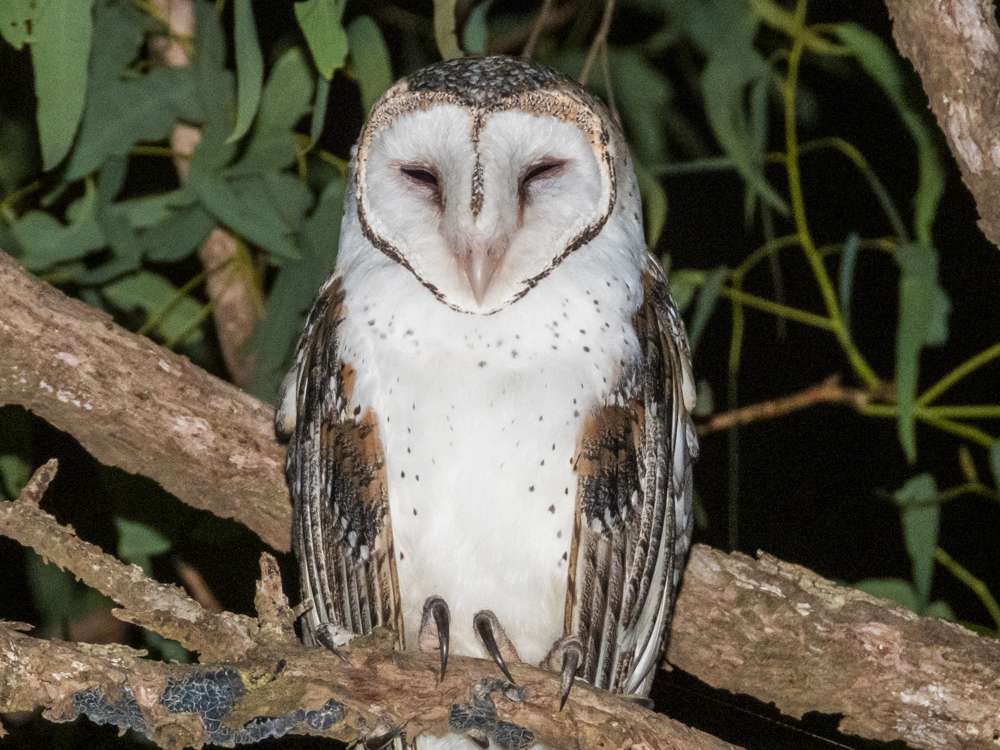
Barn Owls, with their heart-shaped faces, silent flight, and ethereal presence, are a fascinating and enigmatic part of the American landscape. From coast to coast, these nocturnal raptors captivate our imaginations and play a vital role in their ecosystems. This article delves into the life of the Barn Owl (Tyto alba) in the United States, exploring its unique adaptations, hunting prowess, conservation challenges, and the deep cultural connection it shares with humans.

A Feathered Phantom: The Barn Owl's Unique Anatomy and Adaptations
The Barn Owl is a master of its nocturnal domain, thanks to a suite of highly specialized adaptations. Its most striking feature is its heart-shaped facial disc, which acts like a satellite dish to funnel sound waves to its ears. Unlike many other birds, a barn owl's ears are asymmetrical—one is higher than the other. This unique arrangement allows it to pinpoint the exact location of a scurrying mouse in complete darkness by comparing the minute time difference in when the sound reaches each ear. This incredible bio-sonar system is so precise that a Barn Owl can catch prey hidden under a layer of snow or leaves.
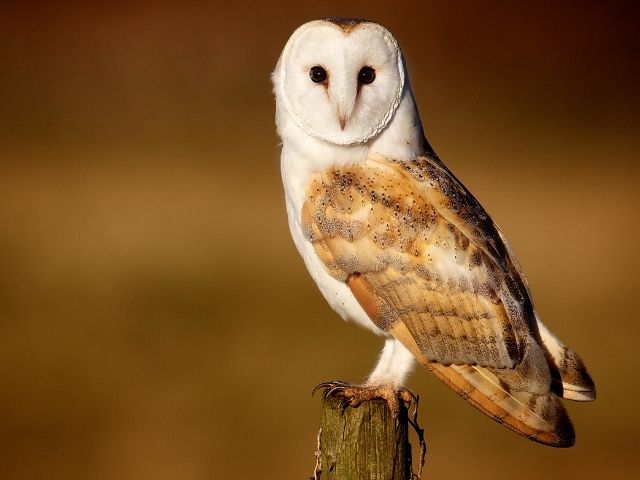
Their plumage is another marvel of silent engineering. The soft, serrated edges on their primary flight feathers break up the air turbulence, allowing them to fly in near-total silence. This silent flight, combined with their ghostly white underside and tawny back, gives them the appearance of a floating specter in the moonlight, earning them nicknames like "ghost owl" and "death owl." Their eyes are also a key adaptation. Unlike humans, a barn owl's eyes are fixed in their sockets. To look around, they must turn their head, and they can do so to a remarkable 270 degrees. This allows them to scan their surroundings without moving their body, further aiding their stealthy hunting approach.
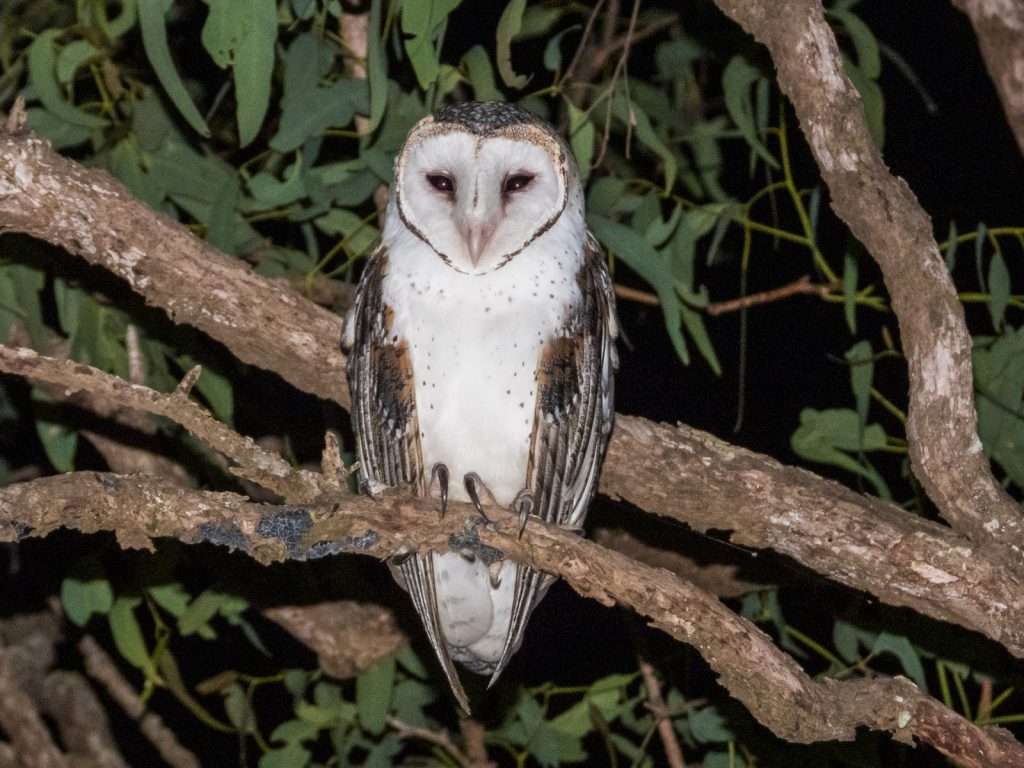
The Ultimate Predator: A Barn Owl's Hunting Prowess
Barn Owls are voracious and highly efficient hunters. Their diet consists almost entirely of small mammals, primarily voles, shrews, and mice. An individual barn owl can consume over a thousand rodents a year, making them an invaluable form of natural pest control for farmers and landowners. This symbiotic relationship has existed for centuries, with humans providing shelter (barns, silos, and other outbuildings) and the owls providing pest control in return.
The Barn Owl's hunting technique is a blend of patience and sudden, decisive action. They typically hunt by flying low over fields, pastures, and open country, using their exceptional hearing to detect the slightest rustle. Once a target is located, they will hover for a moment before dropping silently on their unsuspecting prey. Their sharp talons are perfectly suited for grabbing and piercing through the thick fur of their rodent prey. Unlike other raptors, barn owls swallow their prey whole, and later, they regurgitate the undigested parts—bones, fur, and teeth—in the form of pellets. These pellets are a treasure trove for scientists, who can analyze them to determine the owl's diet and the health of the local ecosystem.

From Roost to Nest: Life and Reproduction in the American Barn Owl
Barn Owls are not nest builders in the traditional sense. Instead, they are cavity nesters, preferring to roost and breed in secluded, dark places. In the wild, this might be a hollow tree or a rock crevice. In the human-dominated landscape of the U.S., they have adapted to nesting in a wide variety of man-made structures. The most common nesting sites are abandoned barns, silos, church steeples, and even attics. This adaptability to human-altered environments is a key reason for their widespread distribution.
The breeding season for Barn Owls in the U.S. typically begins in early spring, though it can vary by region. A female can lay a clutch of anywhere from four to seven eggs, and she will incubate them for about 30 days. Chicks are completely dependent on their parents, and both the male and female are involved in raising the young. The male will hunt and bring food to the nest, while the female will feed the owlets. The owlets fledge (leave the nest) at about 10 weeks of age, but they remain dependent on their parents for several more weeks as they learn to hunt for themselves. Barn Owls often have multiple broods in a single year, especially if food is plentiful.
The American Barn Owl: Status and Conservation
While the Barn Owl has a global distribution and is one of the most widespread birds in the world, its population in the U.S. faces significant challenges. Habitat loss, particularly the conversion of grasslands and open fields into urban and suburban developments, is a major threat. Modern agricultural practices, which often involve the use of rodenticides, also pose a significant danger. Owls that consume poisoned rodents can suffer from secondary poisoning, leading to illness or death.
In response to these threats, conservation efforts are underway across the country. One of the most successful strategies is the installation of Barn Owl nest boxes. These boxes provide a safe and attractive alternative to old barns that are being torn down. Many agricultural communities and conservation groups have embraced this simple solution, and the boxes have proven to be highly effective in boosting local Barn Owl populations.
The American Barn Owl Society, as well as many state and local wildlife organizations, works to educate the public about the importance of these birds and how to live in harmony with them. They promote the use of natural pest control methods and encourage landowners to preserve open spaces that provide suitable hunting grounds.
Cultural Significance and a Shared Future
The Barn Owl's ghostly appearance and nocturnal habits have made it a figure of both reverence and superstition in human folklore. In many cultures, owls are seen as symbols of wisdom and knowledge, while in others, they are associated with death and bad omens. In the United States, the Barn Owl's presence has been a quiet constant, a harbinger of the rural night.

Its haunting call, often described as a raspy hiss or a screech, can send a chill down the spine, but to those who understand its role, it's the sound of a silent guardian at work. As we continue to develop and alter the landscape, it is our responsibility to ensure a future for this incredible creature. By protecting their habitats, providing nesting sites, and opting for sustainable pest control, we can ensure that the "ghost of the night" continues to grace the American sky for generations to come. The Barn Owl is a powerful reminder that some of our most valuable allies are found in the quiet corners of the night, working tirelessly and silently to maintain the delicate balance of our natural world.
Read about what other owls do during the day.
