



Places To Visit When Birding In Utah
Bear River Migratory Bird Refuge
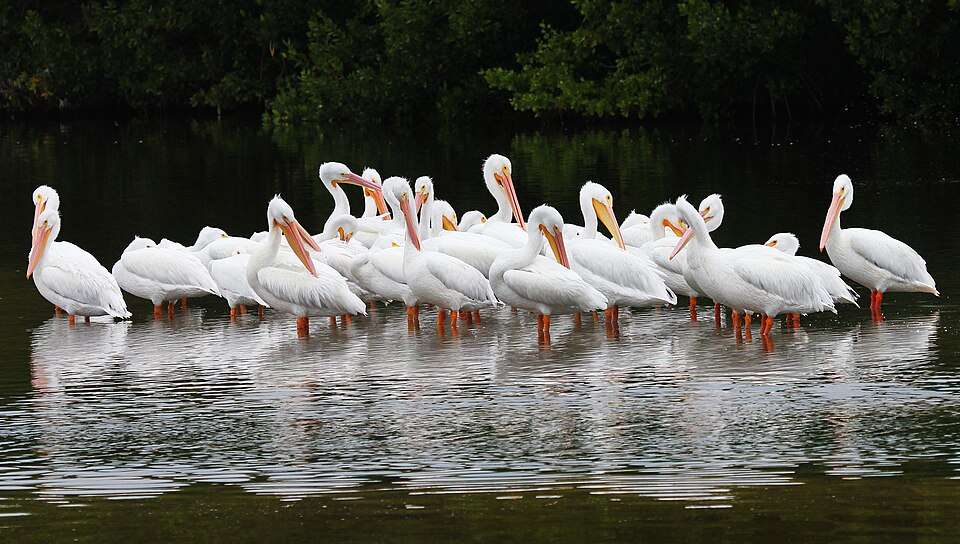
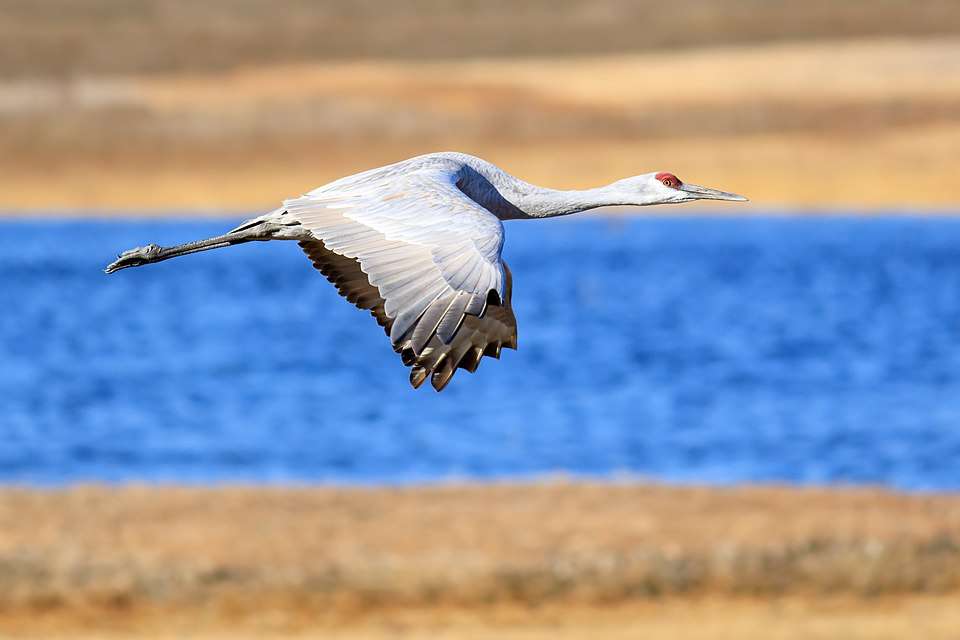
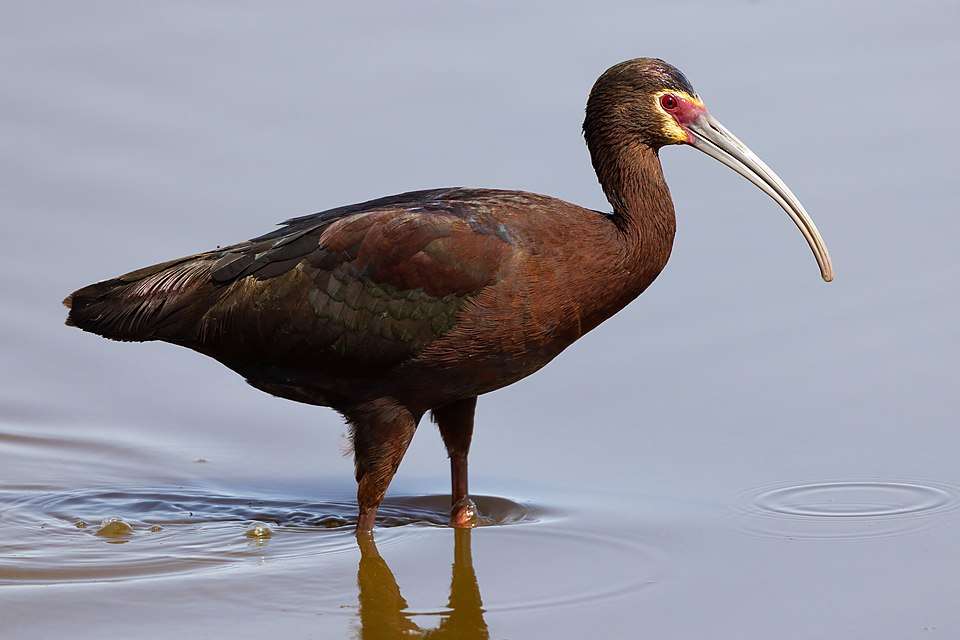
Located near the Great Salt Lake, this refuge is an essential destination for birders. It's a key stopover point on the Pacific Flyway, attracting hundreds of thousands of migratory birds, especially waterfowl, shorebirds, and wading birds. This is one of the best places to see large flocks of American White Pelicans, Sandhill Cranes, and various ibis species, as well as a wide variety of ducks and geese. The refuge's auto tour route provides easy access to excellent viewing opportunities.
Antelope Island State Park
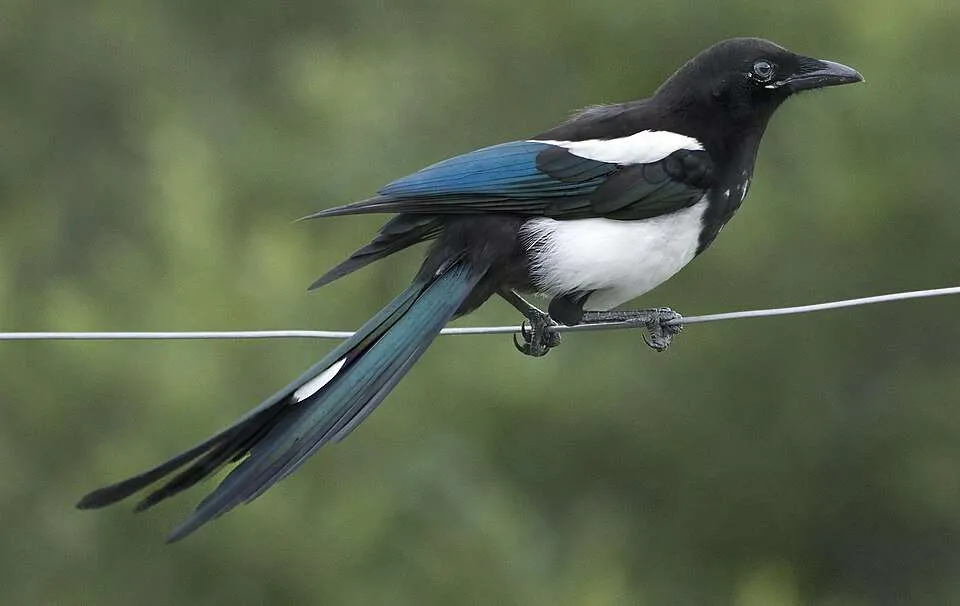
As the largest island in the Great Salt Lake, Antelope Island offers a unique habitat that is a magnet for birds. Its combination of saltwater shoreline, grasslands, and hills makes it an excellent place to see species like the Black-billed Magpie, Common Raven, and various raptors. During migration, the island's causeway and shoreline are fantastic for spotting shorebirds and waterfowl, and the park is a reliable place to find raptors like Northern Harriers and kestrels.
Zion National Park
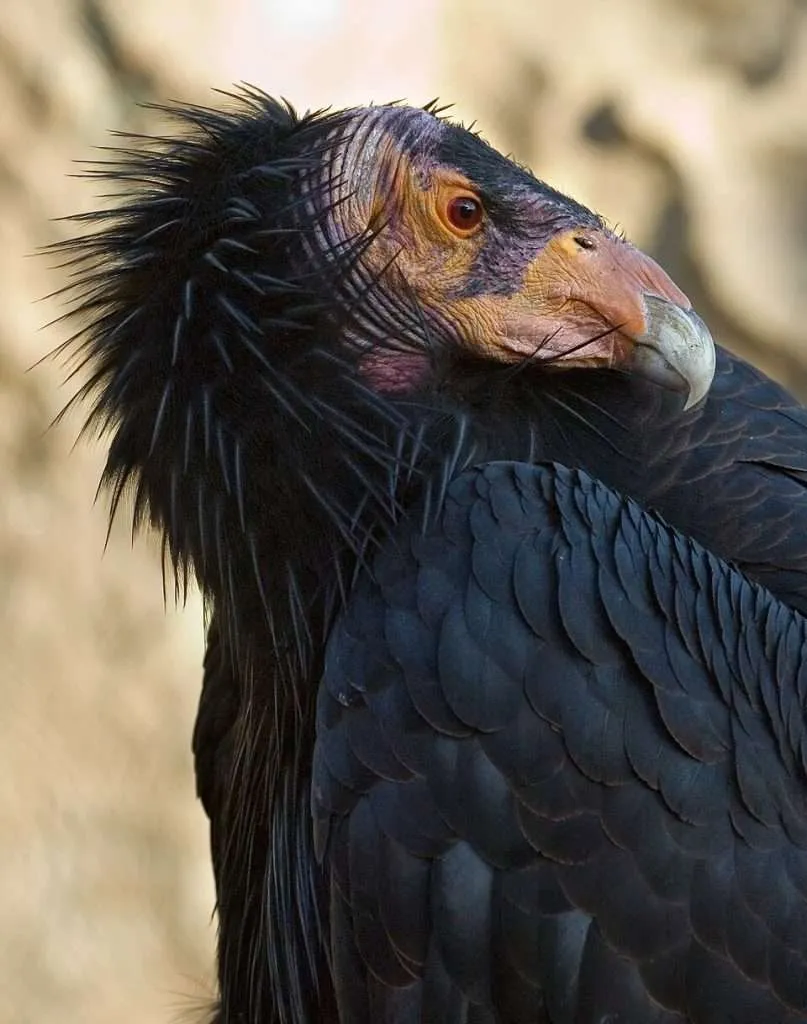
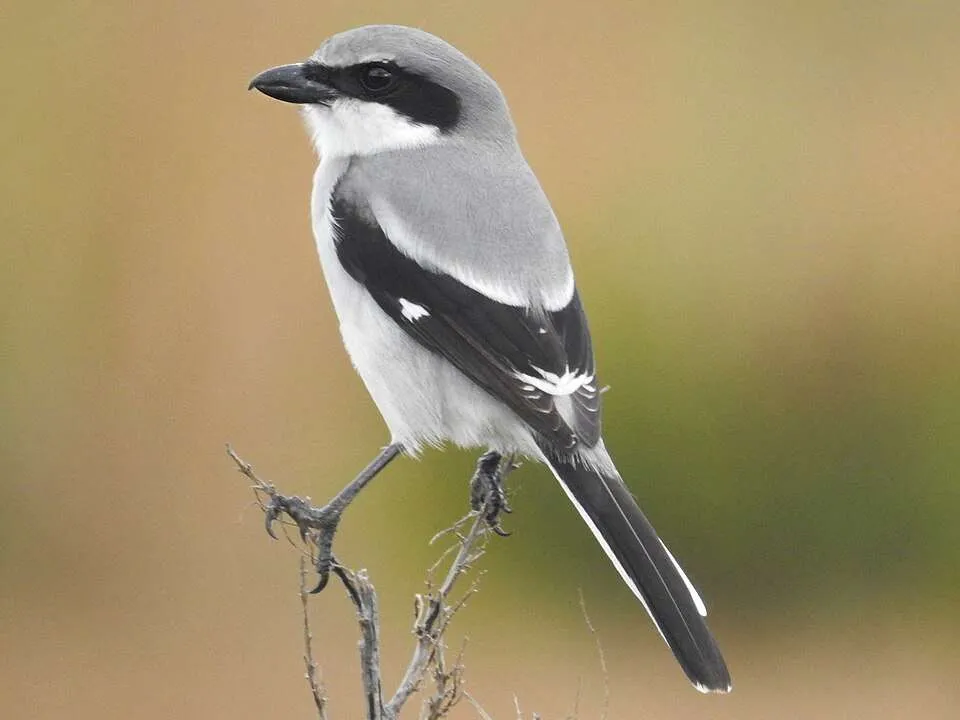
For a birding experience in a stunning desert and canyon landscape, Zion National Park in southern Utah is a top choice. While famous for its scenery, it's also home to a unique mix of species. The majestic California Condor is a rare but possible sighting, particularly around the park's towering cliffs. Hikers can also spot Mountain Bluebirds in the high country, and birds like the Loggerhead Shrike can be found in the lower, more open areas of the park.
Watch this birding video for the Great Salt Lake area of Northern Utah:
Frequently Asked Questions
What Are The Most Common Birds In Utah?
Utah's varied geography, from its urban centers to its sprawling deserts and mountain ranges, supports a diverse avian population. While the state is home to a wide range of species, several are consistently the most common and can be found in a variety of habitats.
Among the most frequently sighted birds are the American Robin, a familiar sight on lawns and in parks throughout the state, and the House Finch, a social finch known for its melodious song and its habit of visiting backyard feeders.
The California Gull, which is Utah's state bird, is extremely numerous, especially around the Great Salt Lake and its surrounding communities. Other common species include the Black-billed Magpie, with its striking black and white plumage, the adaptable Common Raven, and the ever-present Mourning Dove.
In residential areas, it is also very common to see the non-native but widespread House Sparrow and European Starling.
How Many Bird Species Are There In Utah?
According to the Utah Division of Wildlife Resources, there are over 440 documented bird species that have been observed in Utah. This number includes both species that are regular residents or migratory visitors and those that have been documented as accidental or rare visitors to the state. This high number is a testament to the state's diverse habitats, which provide a home for a wide range of avian life, from desert dwellers to high-mountain species.
What Kind Of Finches Are In Utah?
Based on the information I have, a variety of finch species can be found in Utah. These birds often inhabit forests, mountains, and suburban areas, and many are common visitors to backyard feeders. Here are some of the finches you can find in the state:
Common Finches
House Finch: This is one of the most widespread and abundant finches in Utah. Males have a rosy red head and breast, while females are a dull, streaky brown. They are highly adaptable and are common in urban and suburban environments.
American Goldfinch: Known for its brilliant yellow plumage in the breeding season, the male American Goldfinch is a cheerful sight. This finch is found in weedy fields and open woodlands and is a common visitor to feeders with thistle seeds.
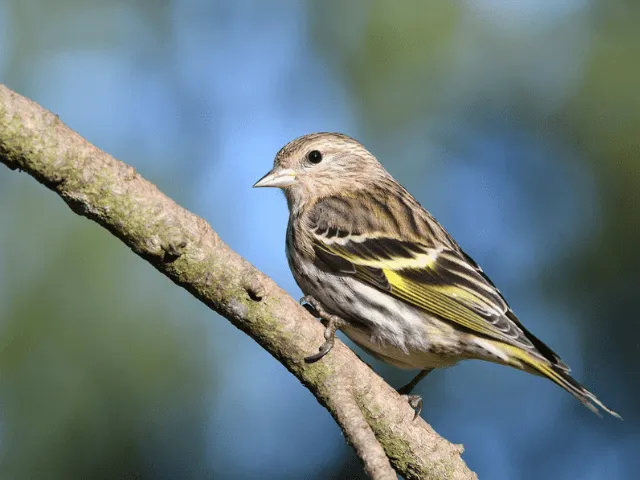
Pine Siskin: A small, streaky finch that resembles a female House Finch but with a more slender bill and a touch of yellow on its wings and tail. They are often found in coniferous forests and are known for their nomadic behavior, moving in large flocks during the winter.
Mountain and Forest Finches
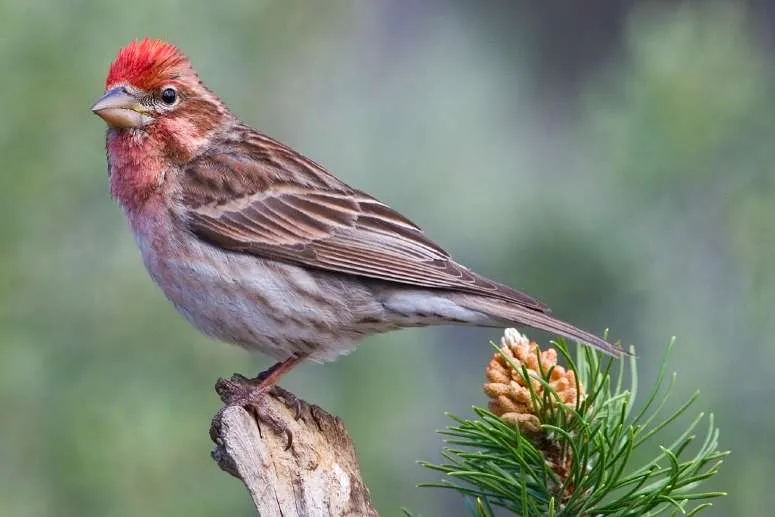
Cassin's Finch: This finch is a resident of Utah's higher-elevation coniferous forests. The male has a distinct raspberry-red crown, which is brighter than the pinkish-red of the House Finch.
Lesser Goldfinch: Found primarily in the southern and western parts of Utah, this smaller goldfinch has a black cap and back and a bright yellow underside. It is typically found in open woodlands and scrub.
Gray-crowned Rosy-Finch: A high-elevation specialist, this finch is often found in large flocks near snowfields and glaciers in the Rocky Mountains. They are identifiable by their brown body, pinkish wings, and gray head with a dark brown or black crown.
Black Rosy-Finch: This species is a high-altitude specialist, found in remote, high-elevation habitats. Males are almost all black on the head and breast, with a mix of rosy red and pink on the wings and belly.
Winter Visitors
Common Redpoll: A small, streaky finch with a red patch on its forehead, this species is an irruptive winter visitor to Utah. During some winters, large flocks can be seen visiting feeders and weedy areas.
Evening Grosbeak: A large, stocky finch with a very thick bill. The male is a striking combination of yellow and black with a bold white wing patch. While they can be found in Utah, their presence is often tied to seasonal food sources.
What Kind Of Sparrows Live In Utah?
Utah is home to a wide variety of sparrow species, which can be found in habitats ranging from high-altitude mountain forests to arid deserts and urban backyards. The following are some of the most common or notable sparrows you can find in the state:
Common Backyard and Urban Sparrows
House Sparrow: Although not a native species, the House Sparrow is a very common resident in Utah's cities, towns, and farms. It's often seen in flocks and is a frequent visitor to backyard feeders.
White-crowned Sparrow: This sparrow is known for its striking black-and-white striped head. While some subspecies breed in the mountains, many are seen in Utah during the winter and migration, foraging in weedy fields and brushy areas.
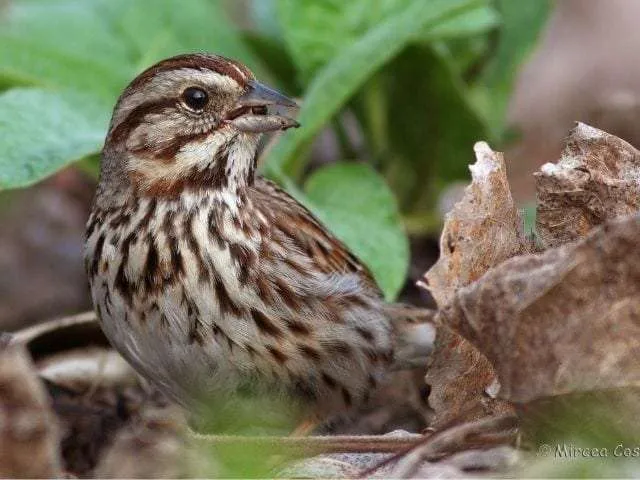
Song Sparrow: A familiar year-round resident, the Song Sparrow is a medium-sized sparrow with a streaky brown back and a central spot on its breast. They are often found in marshes, thickets, and overgrown fields, and are a common sight at backyard feeders.
Sparrows of the Deserts and Open Country
Black-throated Sparrow: Found in the dry, brushy habitats of southern Utah, this sparrow is easily identified by its black throat and a white stripe above its eye.
Brewer's Sparrow: This small, plain-looking sparrow is a specialist of sagebrush habitats in Utah, particularly in the Great Basin. Its subtle, twittering song is a common sound in these areas during the breeding season.
Lark Sparrow: This beautiful sparrow has a bold head pattern with black, white, and rufous markings. It is a summer resident in open woodlands, grasslands, and agricultural fields.
Mountain and Winter Sparrows
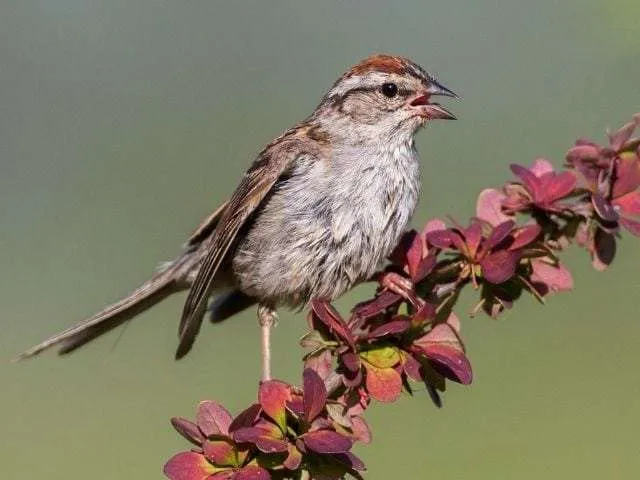
Chipping Sparrow: A small sparrow that is a common summer resident in Utah's open woodlands and residential areas. It is easily identified by its rusty cap and a black line through its eye.
American Tree Sparrow: A winter visitor to Utah, this sparrow is known for its rusty cap, bicolored bill, and a dark spot on its breast. They are often found in large flocks in weedy fields and thickets.
Dark-eyed Junco: While sometimes called a junco, this species is a type of sparrow. It is one of the most common birds in Utah, especially in the winter. Its dark hood, white belly, and flashing white tail feathers in flight make it easy to identify.
Wrapping Up
Utah’s diverse birdlife reflects its varied and stunning landscapes. Whether you are exploring the shores of the Great Salt Lake or hiking through the state’s majestic mountains, keep an eye out for these and many other fascinating avian inhabitants. With a little patience and attention to detail, you can unlock the wonders of Utah's vibrant bird community.
