

For the dedicated young birder, the passion for feathered creatures often feels like a solitary pursuit, especially in a world that seldom slows down long enough to appreciate a warbler's song. The remedy for this isolation, and the incubator for the next generation of ornithologists and conservationists, comes in the form of the American Birding Association’s (ABA) Young Birder Camps. These camps are not merely summer vacations; they are intensive, life-changing immersions that blend the rigor of field science with the joy of community, forging lifelong connections with both birds and like-minded peers.
The ABA, through its robust Young Birder Program, understands that nurturing this early passion requires more than just field guides. It requires access to premier birding locations, instruction from leading experts, and, perhaps most importantly, a space where birding is not a niche hobby but the central, celebrated activity. The camps—such as the well-established Camp Colorado and Camp Delaware Bay (also known as Camp Avocet), and the newer Camp Surfbird—provide just that, offering distinct, biogeographically rich experiences across the continent.
The Geography of Avian Discovery
Each ABA camp is strategically situated to offer a unique slice of North American birdlife and ecology, maximizing the diversity of species young attendees can encounter and study.
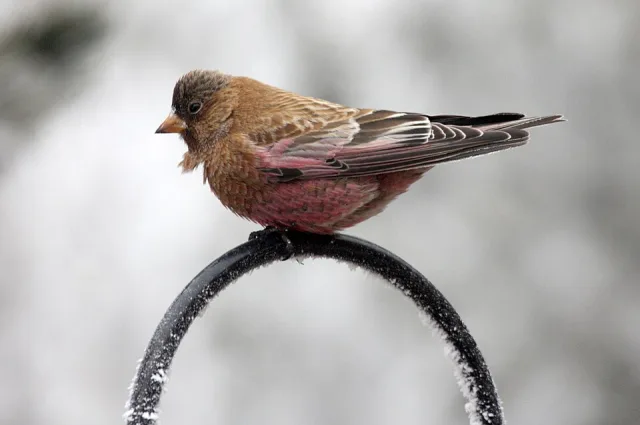
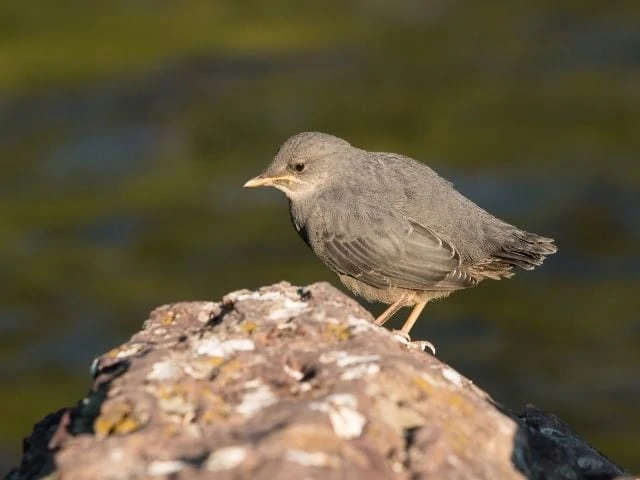
Camp Colorado: From Plains to Peaks. Based near Estes Park, Colorado, Camp Colorado is a journey of elevation. Campers explore a dramatic spectrum of habitats, ranging from the vast shortgrass prairie of the eastern plains to the alpine tundra of Rocky Mountain National Park. This geographical diversity exposes young birders to specialized species like the Brown-capped Rosy-Finch near the snow line, American Dippers along montane streams, and various prairie dwellers, including different species of Longspurs. The focus here is on understanding how altitude dictates habitat and species distribution, offering a masterclass in Western bird ecology.

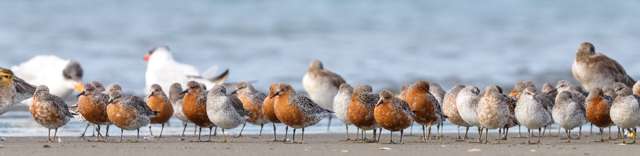
Brown-capped Rosy-Finch Camp Delaware Bay (Camp Avocet): Migration’s Mecca. Situated near the confluence of the Delaware Bay and the Atlantic migration flyway, this camp is an unparalleled opportunity to study the logistics of migration. Located near key refuges like Bombay Hook and Prime Hook, the camp often coincides with the spectacular staging of shorebirds—like the Red Knot—as they refuel for their epic journeys. Campers learn to distinguish between difficult groups like plovers and "peeps" (small sandpipers) and explore the critical role coastal habitats play in conservation. The trip often includes hallowed birding ground in nearby Cape May, New Jersey, providing exposure to two of the continent's most critical migration hotspots.

Red Knot Camp Surfbird: Coastal Rarity and Conservation. In partnership with the San Diego Bird Festival, this camp offers an immersion into Southern California’s coastal environments and a focus on species unique to the region. It’s a chance to explore marine and tidal birdlife, learn about the impact of human development on sensitive ecosystems, and practice birding in the context of a major regional birding festival, complete with networking opportunities.
The Expert Advantage: Mentors and Skill-Building
What truly sets the ABA camps apart is the caliber of instruction. The staff and instructors are not just chaperones; they are often professional ornithologists, leading field guides, experienced authors, and acclaimed bird artists. These mentors share not only their deep knowledge of bird identification and ecology but also their personal stories, showcasing the diversity of career paths available in the birding world, from ecotourism and conservation biology to wildlife filmmaking.
The curriculum is hands-on and immersive, going far beyond simply ticking species off a checklist. Young birders are actively involved in:
Advanced Field Identification: Mastering the subtle distinctions in plumage, vocalizations, and behavior that separate cryptic species.
Ethical Birding: Learning best practices for minimizing disturbance, including the proper use of optics and the ethics of using playback recordings.
Citizen Science: Practical instruction on contributing valuable data through platforms like eBird, teaching them how to conduct point counts and collect rigorous field data.
Creative and Scientific Documentation: Sessions on field sketching, photography, and effective nature writing, skills that are also honed through the ABA’s year-round Young Birder of the Year Mentoring Program.
The Power of Peer Community
While the incredible birding and expert instruction are major draws, the most transformative element is often the peer-to-peer connection. For many attendees, ABA camps are the first time they have been surrounded by dozens of other teenagers who share their intense passion for birds. The experience of "talking birds" 24/7, sharing binoculars, and recounting “lifer” sightings with unconditional enthusiasm creates an immediate, lasting bond. This sense of belonging is vital, transforming a solitary interest into a shared, empowering identity.
Many young attendees credit these camps with providing the foundational experience and networking that propelled them into college studies in ecology or eventual careers in conservation. They leave camp not just with a longer life list, but with a network of friends—both young and experienced—and a renewed sense of purpose in their commitment to bird protection.
The ABA Young Birder Camps are an investment in the future of avian conservation, building a well-trained, ethically-minded, and fiercely passionate generation ready to take flight as the next custodians of the natural world.
Eligibility and Age Requirements
The camps are designed for specific age ranges to ensure that the instruction and social experience are appropriate for all participants.
Age: Generally, the ABA camps target birders between the ages of 13 and 18.
Camp Colorado and Camp Avocet (Delaware Bay) typically focus on this age group.
Specific dates of birth are checked to confirm the applicant falls within the camp's required age range during the camp dates.
Experience: While you don't need to be an expert, applicants are expected to have a demonstrated interest in birding, nature, or conservation. The camps are intensive and structured for those who already know they enjoy the activity.
The Application Process
Involvement begins with submitting a comprehensive application, which is crucial for the limited spots available.
1. Application Submission
The application is generally released on the ABA website early in the year (e.g., in January or February) for the summer camps. The application typically includes:
Personal Information: Basic contact and demographic details.
Waiver/Release Forms: Standard parental/guardian consent forms.
2. Essays and Birding Background
This is the most critical part, as it helps the camp staff understand the applicant's passion and maturity. Applicants are usually required to write essays or thoughtful answers to prompts such as:
Why they are interested in attending the specific camp.
Their birding experience (e.g., how long they've been birding, their "spark bird," their favorite location).
Their goals related to conservation or ornithology.
What they hope to gain from the experience.
3. Recommendations
Applicants often need to provide letters of recommendation from an adult who can attest to their character, enthusiasm, and preparedness for an intensive field experience. This is usually a teacher, a nature center employee, or an experienced birder.
4. Selection and Notification
Spots are highly competitive. The camp staff reviews applications based on:
Enthusiasm and Dedication: Demonstrated passion in their essays and background.
Level of Preparedness: Readiness for field work and group living.
Geographic Diversity: Ensuring a mix of participants from various regions.
Selected applicants and their families are then notified, and payment and final paperwork are organized.
Costs and Scholarships
The camps involve a significant cost (which covers expert instruction, lodging, meals, transportation during the camp, and field trips), but the ABA and its partners are committed to making the camps accessible.
Tuition: The cost covers all on-site expenses. Travel to and from the camp meeting location is typically the responsibility of the family.
Financial Aid/Scholarships: The ABA offers scholarships and financial assistance to help offset the tuition for young birders who demonstrate need. Applying for financial aid usually involves submitting a separate, brief application outlining the need.
The best way to start the process is to monitor the American Birding Association (ABA) website in winter for the announcement of the following summer's camp dates and application windows.
