
Creating a 50 Bird Species Bucket List for the entire world is a monumental task, but this list focuses on birds that are not only spectacular and iconic but also representative of different continents, biomes, and evolutionary marvels. This list inspires a global birding adventure, pushing beyond national borders to witness avian diversity in its most magnificent forms.
The List
This curated list offers a mix of legendary rarities, endemic spectacles, large-scale phenomena, and birds that are simply breathtaking to behold, representing diverse families and habitats across the seven continents.
I. Birds of Paradise & Display Masters (Australasia)
These represent the ultimate evolutionary show-stoppers, known for their stunning display plumage.
- King Bird-of-Paradise (Cicinnurus regius): The smallest and arguably most dazzling BoP, known for its incredible tail wires. (New Guinea)
- Victoria Crowned Pigeon (Goura victoria): The largest pigeon species, with a delicate, lace-like crest. (New Guinea)
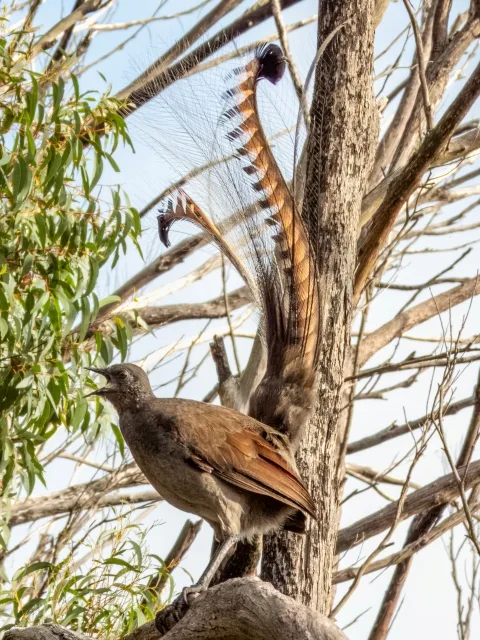
- Superb Lyrebird (Menura novaehollandiae): The ultimate mimic, known for its intricate vocal repertoire and elaborate tail display. (Australia)
- Southern Cassowary (Casuarius casuarius): A massive, flightless "dinosaur bird" with a casque and brilliant blue and red neck. (Australia/New Guinea)
- Galah (Eolophus roseicapilla): The iconic pink-and-grey cockatoo of Australia. (Australia)
II. The Neotropical Jewels (Central & South America)
The New World tropics hold the richest concentration of bird life, renowned for color and unique behavior.
- Andean Condor (Vultur gryphus): One of the world's largest flying birds, a majestic scavenger of the Andes Mountains. (Andes)
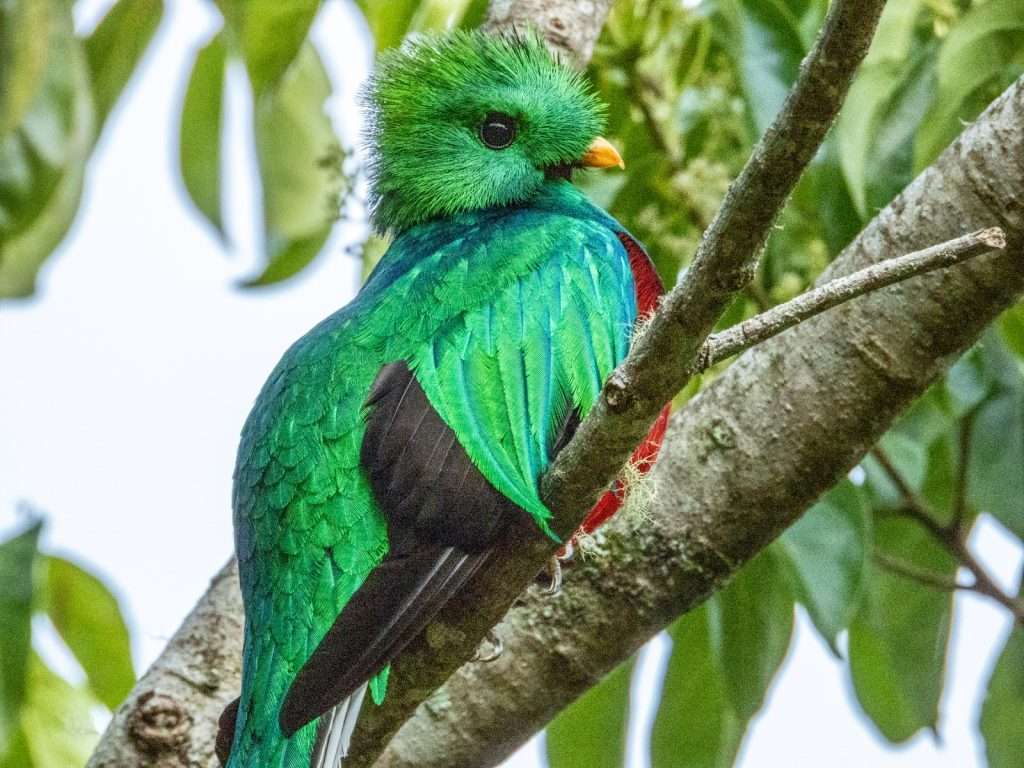
- Quetzal (Resplendent or Golden-headed): Revered as a deity by ancient cultures, famous for the male's iridescent green tail streamers. (Central America/Andes)
- Hyacinth Macaw (Anodorhynchus hyacinthinus): The largest flying parrot, striking deep blue with intense yellow eye rings. (Brazil/Pantanal)
- Cock-of-the-Rock (Andean or Guianan): Males have a massive, compressed crest used in communal lek displays. (Andes/Amazonia)
- Snowy Cotinga (Carpodectes nitidus): A startling, pure white canopy bird of Central American rainforests. (Central America)
- Scarlet Macaw (Ara macao): The quintessential tropical parrot, often seen at clay licks. (Central/South America)
- Harpy Eagle (Harpia harpyja): One of the world's largest and most powerful eagles. (Amazon Rainforest)
- Horned Screamer (Anhima cornuta): Known for its unique, single "horn" projection from its forehead. (South America)
III. The African Icons (The Great Continent)
Africa boasts powerful raptors, vast nomadic flocks, and unique specialized families.
- Ostrich (Struthio camelus): The world's largest bird and fastest runner, an icon of the African savanna. (Africa)
- Secretarybird (Sagittarius serpentarius): A unique, long-legged raptor that hunts snakes by stamping on them. (Sub-Saharan Africa)
- Shoebill (Balaeniceps rex): A massive, prehistoric-looking wading bird with an enormous, clog-shaped bill. (East African Swamps)
- Lilac-breasted Roller (Coracias caudatus): Perhaps the most photographed bird in Africa due to its ten vibrant colors. (Sub-Saharan Africa)
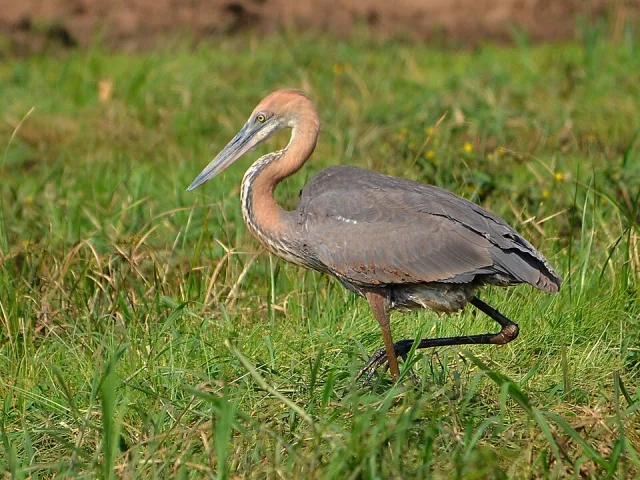
- Goliath Heron (Ardea goliath): The world's largest heron, a formidable fisherman of African waters. (Sub-Saharan Africa)
- African Fish Eagle (Haliaeetus vocifer): Known for its powerful, unmistakable call often described as the "Voice of Africa." (Sub-Saharan Africa)
IV. Arctic, Antarctic, and Oceanic Giants (The Extremes)
These birds are masters of cold, isolation, and vast oceanic journeys.
- Emperor Penguin (Aptenodytes forsteri): The largest penguin, famous for its breeding colonies in the harsh Antarctic winter. (Antarctica)
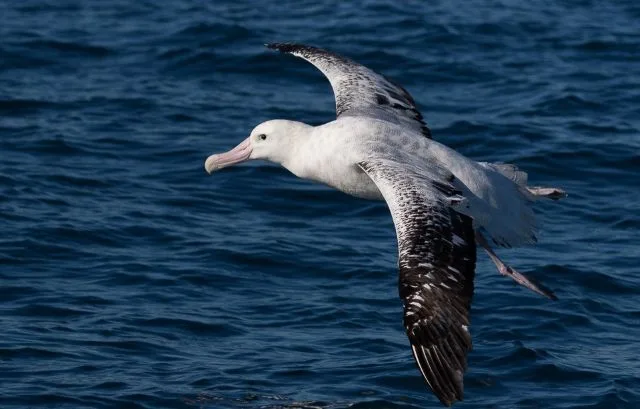
- Wandering Albatross (Diomedea exulans): Possessing the largest wingspan of any living bird, a master of oceanic gliding. (Southern Ocean)
- Snowy Owl (Bubo scandiacus): A magnificent white predator of the high Arctic tundra. (Circumpolar Arctic)
- Arctic Tern (Sterna paradisaea): Famous for its annual migration, which is the longest of any bird on Earth. (Global, Arctic-Antarctic migration)
- King Eider (Somateria spectabilis): A huge, distinctively-plumed sea duck of Arctic waters. (Circumpolar Arctic)
V. Eurasian Spectacles (Europe & Asia)
Representing the oldest landmasses, these birds include ancient lineages and incredible migratory concentrations.
- Siberian Crane (Leucogeranus leucogeranus): A pure white, critically endangered crane with the third-longest migration. (Siberia to China/India)
- Himalayan Monal (Lophophorus impejanus): A spectacular, iridescent pheasant of high Himalayan forests. (Himalayas)
- Common Kingfisher (Alcedo atthis): A tiny, electric-blue European jewel, iconic of rivers and streams. (Europe/Asia/North Africa)
- Great Bustard (Otis tarda): One of the heaviest flying birds in the world, known for its dramatic mating display. (Europe/Asia)
- Demoiselle Crane (Anthropoides virgo): The world's smallest crane, migrating over the Himalayas. (Central Asia/India)
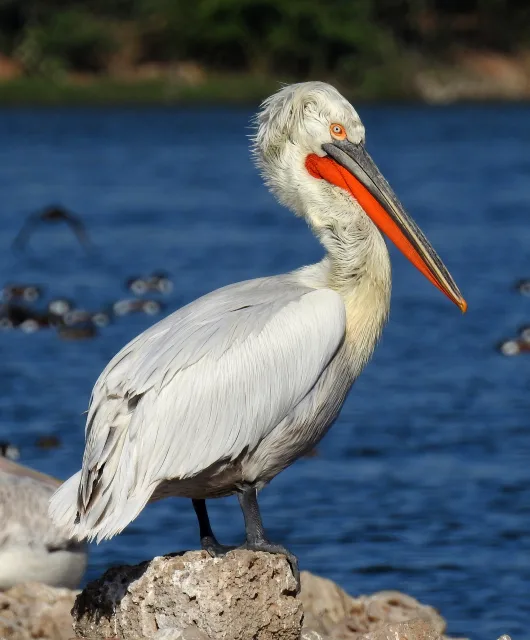
- Dalmatian Pelican (Pelecanus crispus): The world's largest pelican species, with shaggy feathers and a distinct curl. (Europe/Asia)
- Amur Falcon (Falco amurensis): Famous for its massive congregations during migration across the Arabian Sea. (East Asia to Southern Africa)
- Lammergeier (Bearded Vulture) (Gypaetus barbatus): A striking raptor that drops bones from the air to break them open. (Eurasia/Africa)
VI. North American Icons (A Continental Showcase)
Representing unique North American families and conservation successes.
- California Condor (Gymnogyps californianus): The largest North American land bird, a magnificent conservation success story. (California/Arizona)
- Whooping Crane (Grus americana): The tallest bird in North America, a symbol of recovery from near extinction. (US/Canada)
- Harlequin Duck (Histrionicus histrionicus): A spectacularly patterned sea duck of fast-moving water and rocky coastlines. (North America/Asia)
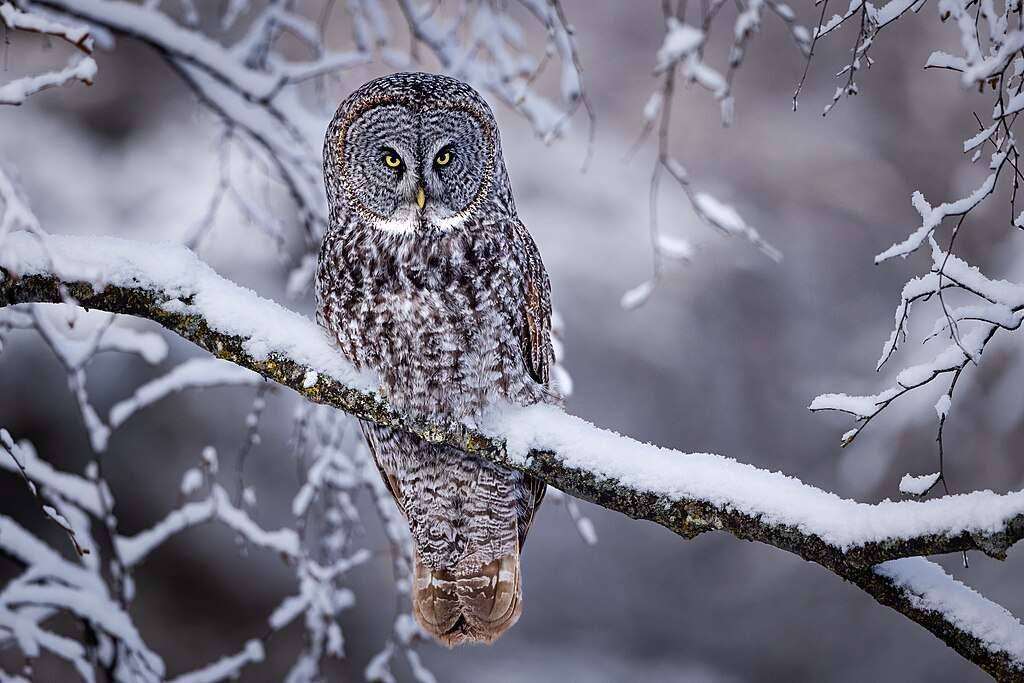
- Great Gray Owl (Strix nebulosa): North America's largest owl by length, a magnificent hunter of boreal forests. (North America/Eurasia)
- Greater Sage-Grouse (Centrocercus urophasianus): Famous for the male's incredible, bubbling "lek" display. (Western U.S.)
- Painted Bunting (Passerina ciris): Arguably North America's most colorful passerine. (Southeastern U.S.)
VII. Evolutionary Marvels & Endemics
These species are noted for their unique features, isolated evolution, or extreme specializations.
- Oilbird (Steatornis caripensis): The only nocturnal, fruit-eating bird that navigates using echolocation. (Northern South America/Trinidad)
- Hoatzin (Ophisthocomus hoazin): A bizarre, semi-flightless bird whose chicks possess claws on their wings. (Amazon and Orinoco Basins)
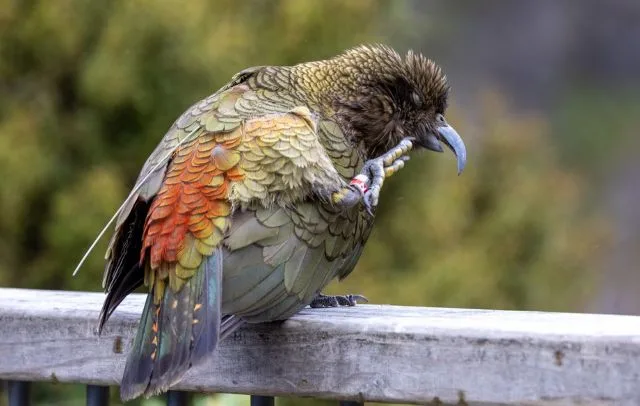
- Kea (Nestor notabilis): The world's only alpine parrot, renowned for its intelligence and mischievous behavior. (New Zealand)
- Kagu (Rhynochetos jubatus): A flightless, endangered bird endemic to New Caledonia, known for its odd appearance and courtship dance. (New Caledonia)
- Kakapo (Strigops habroptilus): The world's only flightless, nocturnal, and heaviest parrot, critically endangered. (New Zealand)
- Darwin's Finches (various species): Though often unimpressive in appearance, they are essential to the study of evolution and natural selection. (Galapagos Islands)
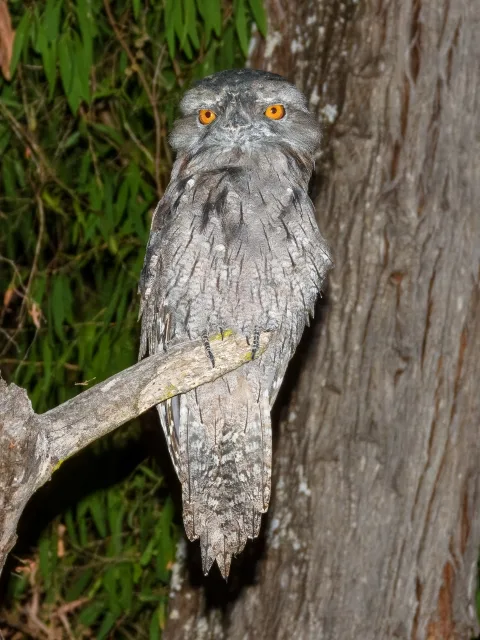
- Tawny Frogmouth (Podargus strigoides): A master of camouflage, often mistaken for a broken branch. (Australia)
VIII. Extraordinary Flocks & Phenomena
Birds to be sought not for individual beauty, but for the scale of their collective gathering.
- European Starling Murmuration (Sturnus vulgaris): Witnessing the hypnotic, collective aerial dance of thousands of starlings at dusk. (Europe/North America)
- Sanderling Tides (Calidris alba): Observing the huge, coordinated "waves" of these shorebirds as they chase the surf line. (Global coastlines)
- Montezuma Oropendola Colony (Psarocolius montezuma): Finding a massive nesting colony with the distinctive woven, tear-drop nests. (Central America)
- Lesser Flamingo Flock (Phoeniconaias minor): Witnessing the enormous, pink flocks on the Rift Valley Soda Lakes (e.g., Lake Nakuru). (Africa)
- Broad-winged Hawk Kettle (Buteo platypterus): Seeing the massive columns of raptors during fall migration in the U.S. or Mexico. (Americas)

This global list encourages birders to become not just observers of species, but students of geography, climate, and evolution. Each bird is a key to unlocking the wonder of a unique part of our planet. Happy travels, and may your life list grow!
The 50 US Bird Species Bucket List: A Journey Across America
