
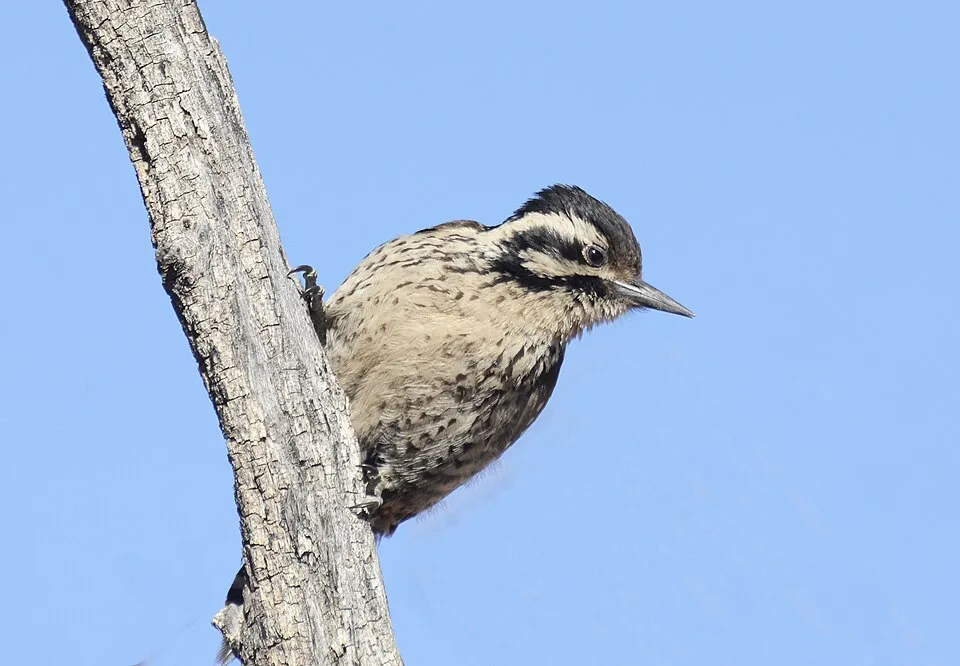
The sharp, rhythmic rat-a-tat-tat of a woodpecker is one of the most distinctive and ubiquitous sounds of the North American wilderness and, increasingly, of suburban gardens. For a creature to repeatedly strike its head against a hard surface with forces that would instantly cause severe brain trauma in almost any other animal is a remarkable feat of biomechanical engineering. Woodpeckers are not just noisy; they are living jackhammers, equipped with an intricate defense system that allows them to pound wood up to 20 times per second while enduring decelerative forces exceeding 1,000 times the force of gravity (1,000 g).
Understanding the process of pecking reveals a sophisticated evolutionary strategy that underpins the health of U.S. forests, making the woodpecker a vital component of the ecosystem, not a simple pest.
Why They Peck: More Than Just Food
Woodpeckers engage in three primary types of pecking, each serving a distinct survival purpose: foraging, drumming, and excavating.
1. Foraging (The Quiet Pecking)
This is the most frequent type of pecking and the core of their survival. The goal is to locate, expose, and extract insects and larvae hidden beneath the bark or within decaying wood.
- Action: The pecking is often slower, more exploratory, and involves peeling or flaking off bark to find prey.
- Extraction: Once the insect tunnel is located, the woodpecker uses its specialized tongue—which is long, barbed, sticky, and often wraps around the back of its skull—to probe the tunnels and retrieve the meal. Species like the Pileated Woodpecker excavate large, rectangular holes to access deep-boring beetle larvae, while the Downy Woodpecker focuses on smaller surface tunnels.

2. Drumming (The Loud, Resonant Pecking)
Drumming is strictly a form of communication, replacing the complex songs of many other songbirds.
- Action: This is rapid, rhythmic, and concentrated on highly resonant surfaces like hollow dead trees, metal gutters, or wooden siding (much to the dismay of homeowners). The woodpecker hits the surface rapidly to create the loudest possible sound.
- Function: Drumming is primarily used for territorial defense (warning rivals) and courtship (attracting a mate) during the late winter and spring. The louder the drumming, the more effective the display.
3. Excavating (The Deep Pecking)
This is the most strenuous pecking, focused on creating durable, protected cavities for nesting and roosting.
- Action: Excavating requires chipping away large amounts of wood over days or weeks. The woodpecker drills a small hole and then widens the interior chamber, often favoring softer, decaying wood (snags) or diseased areas of live trees.
- Function: The resulting nest cavity is used to raise young. Roosting cavities are smaller and used year-round for shelter from weather and predators.
The Science of Survival: How the Brain is Protected
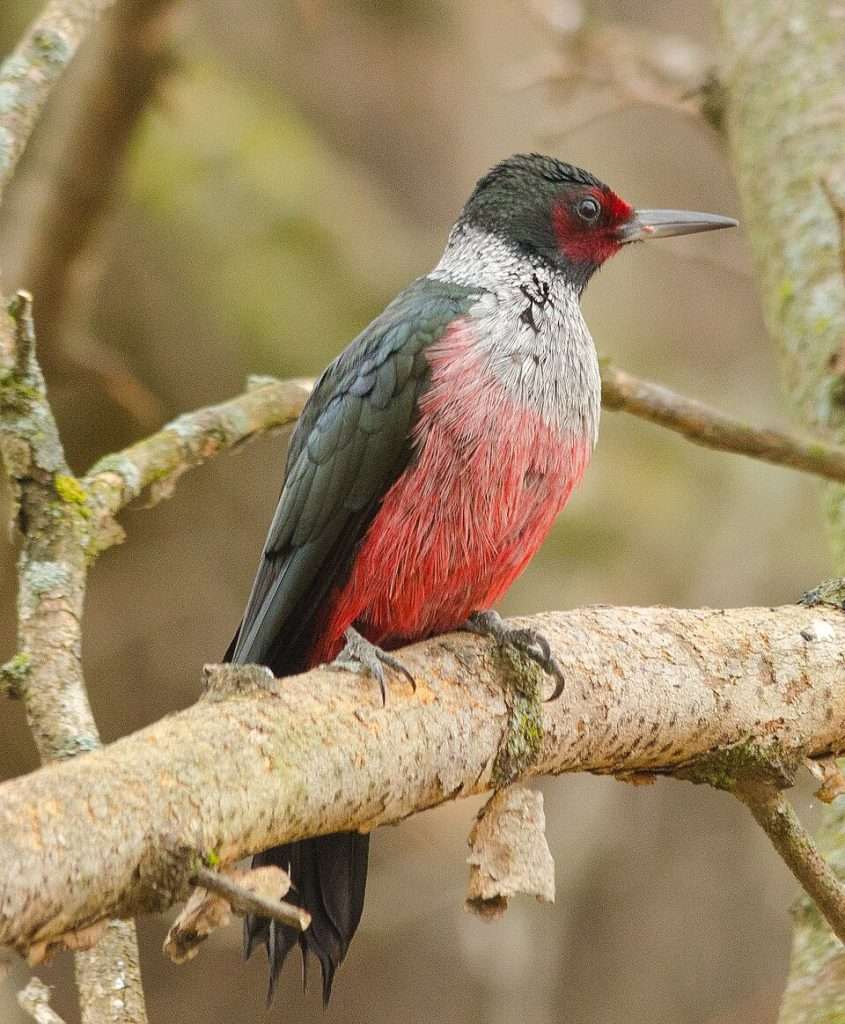
The key to the woodpecker's ability to withstand extreme forces lies in an intricate four-part biomechanical shock-absorption system that prevents the brain from slamming into the skull.
1. The Beak: Unequal Absorption
The woodpecker’s bill is not uniform. The upper jaw is slightly longer than the lower jaw. When the beak hits the wood, the upper beak absorbs the initial impact and provides the strength to chip the wood, while the slightly shorter lower beak acts as a damping element, distributing the force and preventing it from being transmitted directly upward to the skull.
2. Specialized Skull Bone: Spongy Structure
The skull bone itself is not solid and rigid; it is composed of a network of spongy, porous bone. This structure acts like crumple zones in a car, absorbing and distributing mechanical energy away from the brain. The density difference between the bone in the forehead (more porous) and the back of the head (denser) is precisely calibrated to manage kinetic energy.
3. The Hyoid Bone: The Seatbelt of the Skull
Perhaps the most unique feature is the hyoid bone, which anchors the tongue. In woodpeckers, this bone is greatly elongated, exiting the back of the beak and wrapping over the top of the skull and sometimes even anchoring near the nostril.

- Function: This elastic, springy bone acts like a flexible helmet strap or a seatbelt. As the beak strikes the wood, the taut hyoid muscle and bone pull tight, providing essential support and dampening the vibration and rebound energy that could rattle the brain.
4. The Cerebrospinal Fluid (CSF)
The space between the brain and the skull contains a minimal amount of cerebrospinal fluid (CSF) compared to other animals. The reduced CSF volume limits the movement of the brain inside the skull (known as the "slosh effect" in human concussions), effectively keeping the brain tightly packed and secured against the back of the head during impact.
The Ecological Significance: Forest Architects
The woodpecker’s pecking process is not just a personal survival skill; it is an ecosystem service vital to the biodiversity of U.S. forests, earning them the title of "Keystone Excavators."
1. Cavity Creation: The Real Estate Agent
Woodpeckers create nest and roosting sites that they use for only one season. After abandonment, these cavities become prime real estate for dozens of other species that cannot excavate their own holes (secondary cavity users).
- Beneficiaries: Eastern and Western Bluebirds, Nuthatches, Tree Swallows, Flying Squirrels, Opossums, and Owls (like the Screech-Owl) all rely on abandoned woodpecker holes for safe nesting and shelter. Without the constant production of new cavities by woodpeckers, populations of these cavity-dependent animals would crash.
2. Insect Control and Tree Health
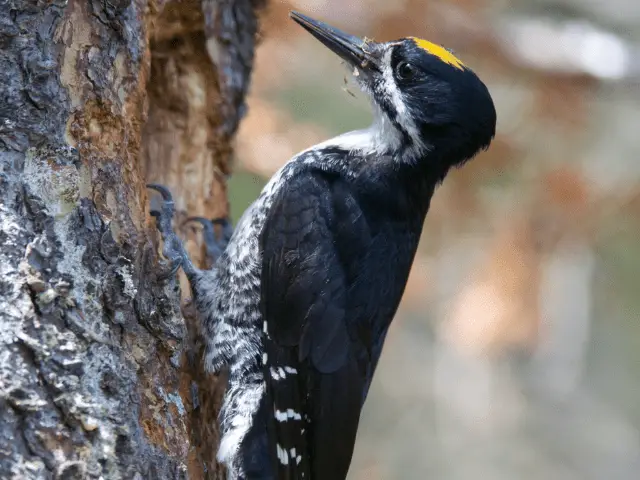
Woodpeckers perform constant surveillance on trees, drilling into bark to expose and consume insects, many of which are pests that could otherwise kill the tree.
- The Indicator: Contrary to the belief that they harm healthy trees, woodpeckers often target trees that are already diseased or infested with wood-boring larvae. Their presence is often a diagnostic tool, indicating a tree is stressed. By removing the larvae of pests like the invasive Emerald Ash Borer or native beetles, they prevent the insects from completing their life cycle and spreading to neighboring, healthy trees.
3. Nutrient Cycling
By breaking down dead wood through their foraging, woodpeckers accelerate the process of decomposition. The wood fragments they create fall to the forest floor, where fungi and bacteria can quickly return nutrients back into the soil, maintaining the fertility of the forest ecosystem.
The drumming in your yard is, therefore, a signal of health—a testament to a complex biological machine keeping the forest's pest populations balanced and providing crucial housing for future generations of wildlife. The woodpecker’s unique ability to withstand impact makes it one of the most hardworking and indispensable architects of the North American environment.
