
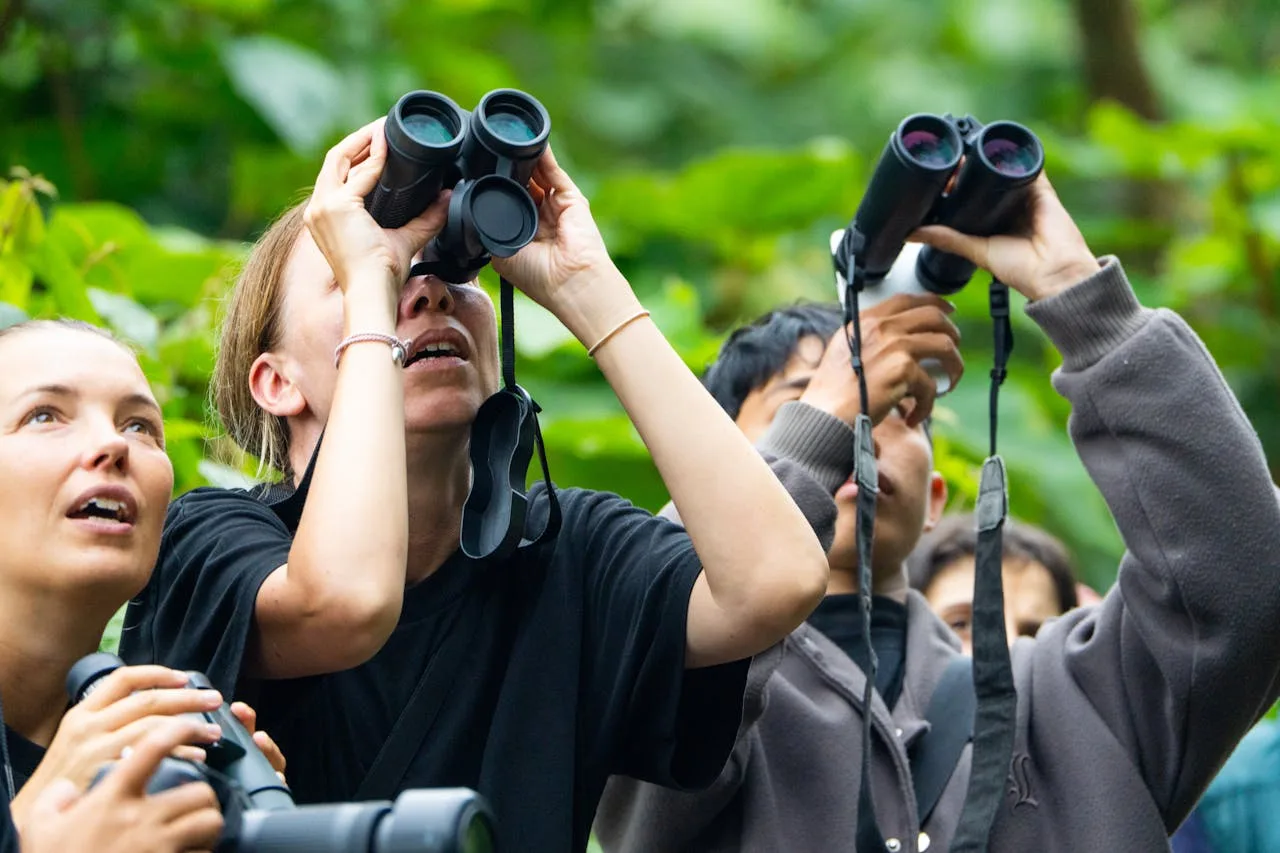
For decades, the popular image of a "birder" in the United States was often a singular trope: an older gentleman in a multi-pocketed vest, standing stoically in a swamp with a massive spotting scope. But look at any nature trail or local Audubon chapter today, and you will see a dramatic shift in the landscape. Women are now the fastest-growing demographic in the birding world, reclaiming a historical legacy and transforming the hobby into a vibrant, community-focused movement.
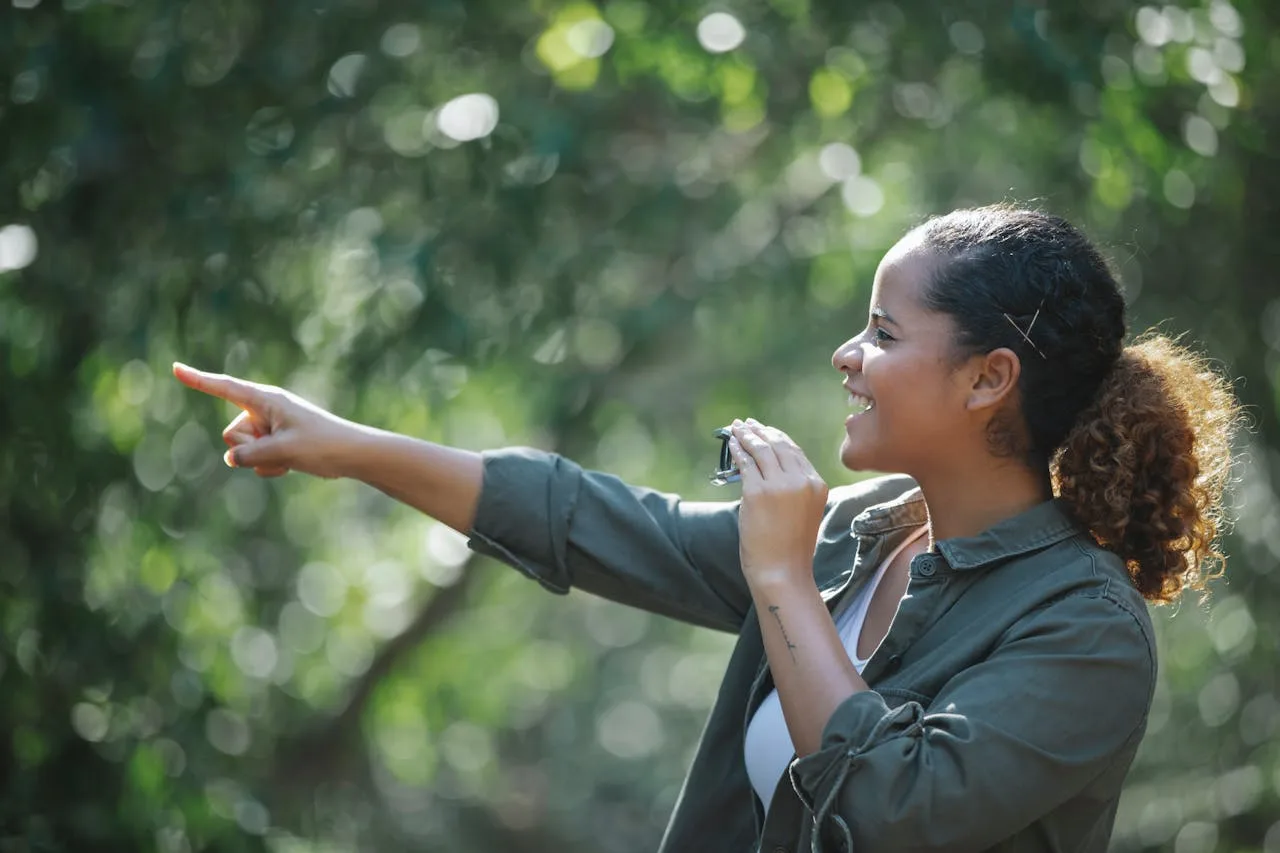
From the shores of Cape May to the canyons of the Southwest, women are redefining what it means to be a "watcher." It is no longer just about the "life list" or the competitive pursuit of a rare vagrant; for many women, birding has become a form of radical self-care, scientific contribution, and sisterhood.
A Legacy Reclaimed
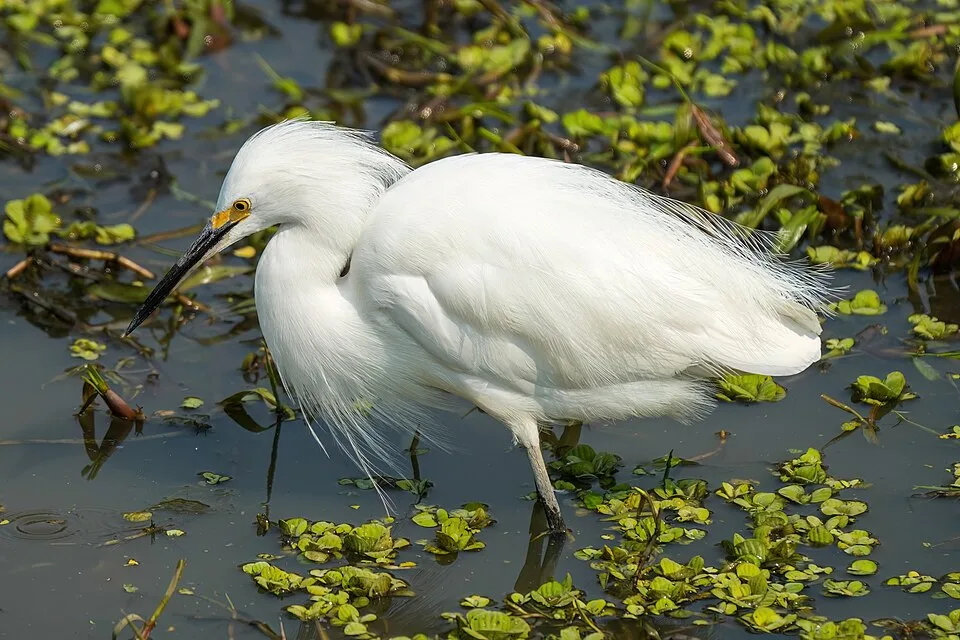
While birding has often been seen as a male-dominated field, women have been the backbone of avian conservation since the beginning. In the late 19th century, it was women like Harriet Hemenway and Minna Hall who led the boycott against the plume trade—a movement that protected species like the Great Egret and the Snowy Egret from being hunted to extinction for the millinery trade. Their activism directly led to the formation of the first Audubon societies.
Today, figures like Sophie A. H. Osborn continue this legacy, working on the front lines of recovery for the California Condor and writing about the "bluebird effect" in the Rockies. These women remind us that birding is not just a passive hobby; it is an act of stewardship that dates back generations.
The Appeal: Mindfulness and Connection

Why are so many women flocking to the binoculars now? For many, it is the perfect antidote to a high-speed, digital world. Birding requires a specific type of presence—a quiet, focused attention that mirrors the benefits of meditation.
When you are tracking the high-pitched "zeet" of a Blackpoll Warbler through a dense canopy or waiting for a Green Heron to strike in a marsh, the stresses of the workday fade. There is a profound sense of empowerment in the "hunt"—the ability to identify a Rose-breasted Grosbeak by its "bleeding heart" chest or distinguish the rasping call of a Scarlet Tanager from that of an American Robin.
Breaking the "Safety" Barrier: Women’s Birding Groups
One of the most significant shifts in the U.S. birding scene is the rise of women-only birding groups and festivals. Organizations like "The Feminist Bird Club" and various "Girls Who Bird" chapters have sprouted up to address specific needs within the community.
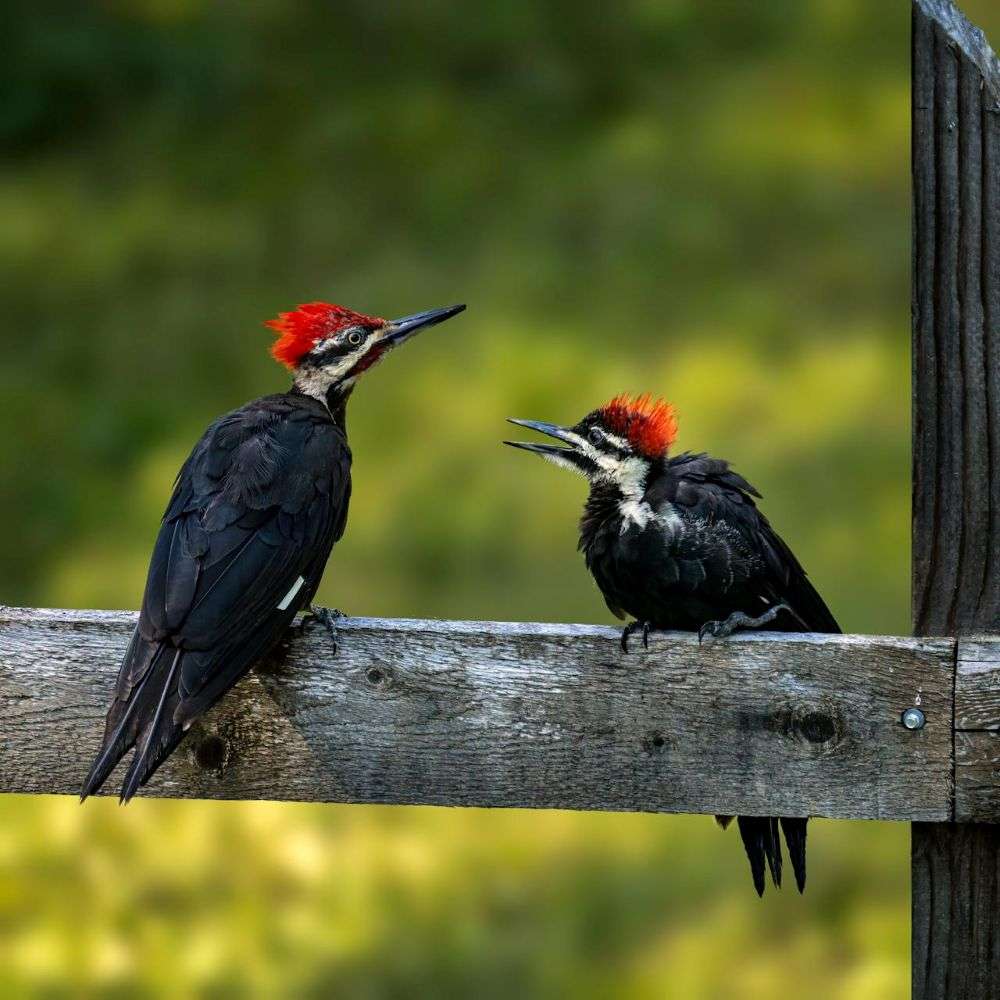
Safety is a primary concern for many women birding solo in remote areas. By organizing group outings, these clubs provide a secure environment where women can explore deep-woods habitats—to find a Pileated Woodpecker or a Barred Owl—without the anxiety of being alone in the wilderness.
Furthermore, these groups foster a "learning-first" environment. Traditional birding circles can sometimes feel intimidating or overly competitive. Women’s groups often prioritize sharing knowledge and celebrate the sighting of a common Northern Cardinal or a Blue Jay with as much enthusiasm as a rare Snail Kite. This inclusive atmosphere lowers the barrier to entry for beginners who might be nervous about misidentifying a "confusing fall warbler."
Birding as Community Science

Women are also leading the charge in "Community Science" (formerly known as Citizen Science). Through apps like eBird and participation in the Great Backyard Bird Count, women are providing the data that scientists need to track the impacts of climate change on bird populations.
Whether it’s monitoring a Eastern Bluebird nest box in a suburban backyard or counting Sandhill Cranes during their spring migration, women are contributing to a global database that protects the future of these species. This sense of purpose—knowing that your weekend hobby is helping save the Cerulean Warbler or the Loggerhead Shrike—is a powerful motivator.
The Equipment Evolution
The industry has finally started to take notice of its female demographic. For years, binoculars and field gear were designed for larger frames, often resulting in heavy optics that were difficult for smaller hands to steady.
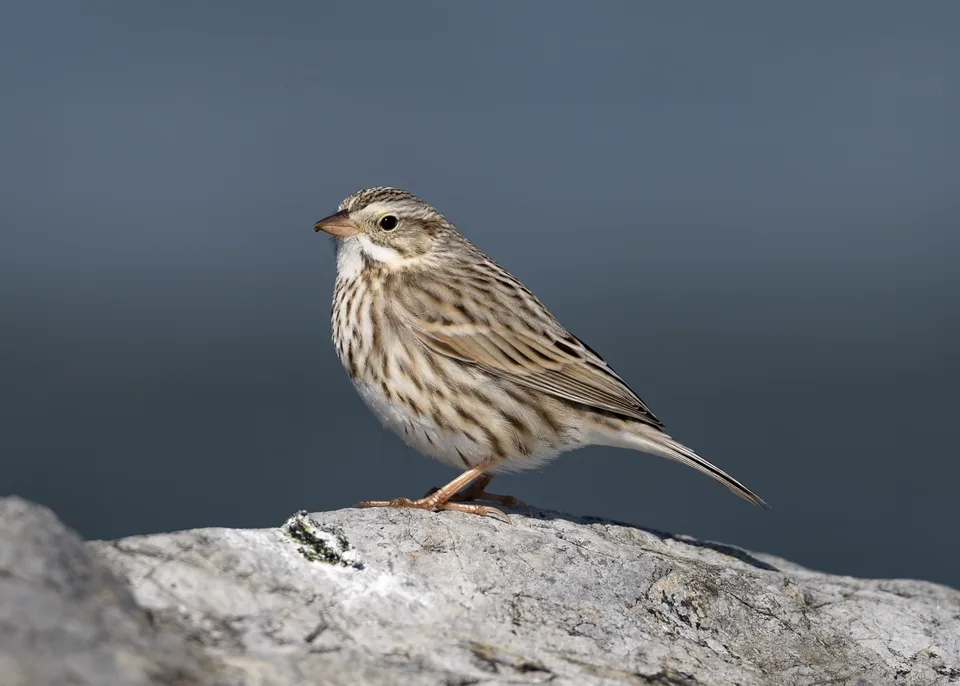
Now, there is a surge in "women-friendly" gear—lightweight, high-performance binoculars that offer the same clarity needed to see the fine streaks on a Savannah Sparrow without the neck strain. Apparel companies are also moving away from the "shrink it and pink it" philosophy, offering functional, rugged field clothing with plenty of pockets for field guides and smartphones.
Getting Started: A Call to the Field
If you are a woman looking to get into birding, there has never been a better time. The community is more accessible than it has ever been.
Start Local: You don't need to travel to a National Park to be a birder. Watch the Ruby-throated Hummingbirds at your feeder or the Cooper’s Hawks in your local park.
Join a Group: Look for local Audubon chapters or "Femme Birders" groups on social media.
Focus on the "Spark": Don't worry about memorizing every species. Find your "spark bird"—the one that makes you stop in your tracks. For some, it’s the flash of an Indigo Bunting; for others, it’s the prehistoric call of a Great Blue Heron.
Conclusion
Bird-watching for women is about more than just checking boxes on a list. It is about claiming space in the outdoors, contributing to vital conservation efforts, and finding a community of like-minded observers. As the sky fills with the return of Prothonotary Warblers and Baltimore Orioles each spring, more and more women are raising their binoculars to meet them—continuing a legacy of wonder that is as old as the birds themselves.
