
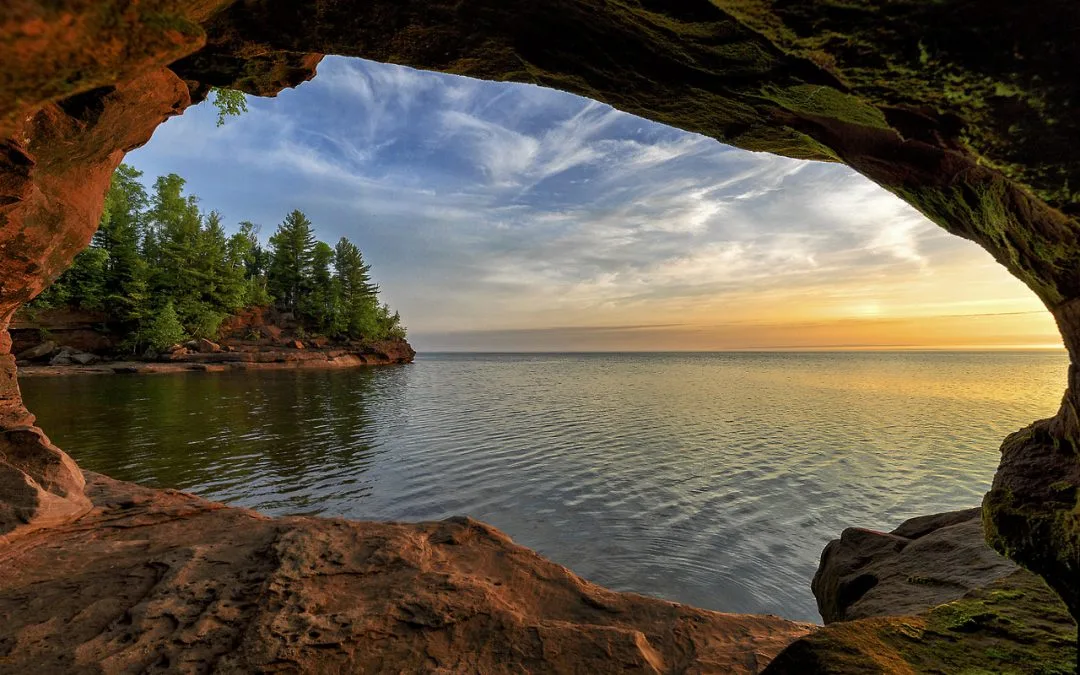
Wisconsin's natural heritage is often defined by its dairy farms and southern hardwoods, but a different, wilder identity emerges at its northern frontier. Here, the state meets the colossal, freshwater sea of Lake Superior and transitions into the boreal and mixed-conifer forests of the Northwoods. This unique geography, combining vast stretches of open water, rocky cliffs, sand spits, and deep forests, creates a haven for a specialized avian community, making the region a critical stop for migrants and a permanent home for highly sought-after northern specialties.
The Apostle Islands and the Shorebird Corridor
The southwestern shore of Lake Superior, especially the Bayfield Peninsula and the 21 islands of the Apostle Islands National Lakeshore, acts as an ecological funnel. These islands and the sandy stretches along the mainland, like Wisconsin Point, provide vital stopping points for migratory birds, reducing the distance they must fly over open water.
Coastal Mariners and Migrant Flocks
The coastal habitat is a critical staging area for shorebirds, gulls, and waterfowl. In spring and fall, the lake’s edges teem with activity:
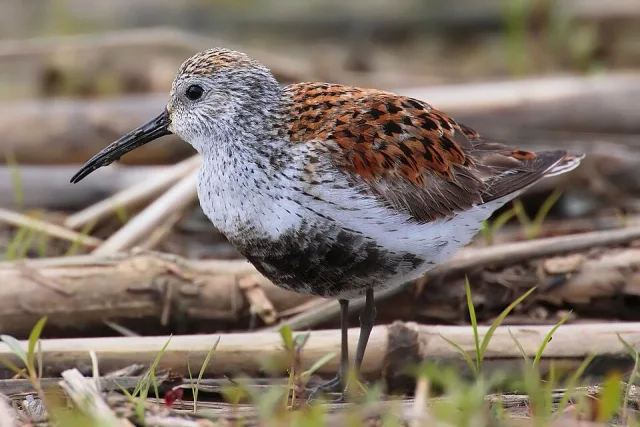
Shorebirds: Migrating sandpipers and plovers use the gravel bars and sand flats to rest and refuel on their journey to and from the Arctic breeding grounds. Key species include the Dunlin, often seen in its striking black-bellied breeding plumage in late spring, and the smaller Sanderling, which dashes along the retreating waves. Rarer visitors like the Red Knot can sometimes be spotted among the larger flocks.
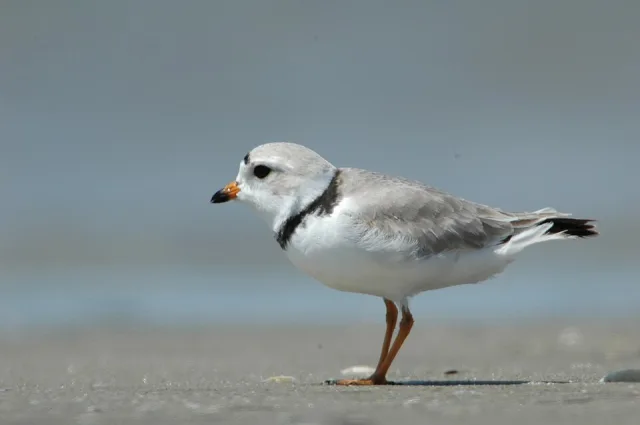
The Piping Plover: The most significant avian resident of this coast is the federally and state endangered Piping Plover (Charadrius melodus). Long Island and its surrounding sandspits are designated critical habitat. Collaborative efforts by the National Park Service and state agencies monitor the few nesting pairs, working diligently to protect the species that requires pristine, undisturbed sandy beaches for its survival.
Colonial Waterbirds: The rocky islands serve as essential nesting sites. Gull Island, in particular, hosts a massive population of Herring Gulls, one of the largest gulleries on the Wisconsin shore of Lake Superior. Double-crested Cormorants and Great Blue Herons also establish rookeries on the less-disturbed islands.

Piping Plover
The Northwoods Specialties: Boreal and Conifer Adaptations
Moving inland from the coast, the Chequamegon-Nicolet National Forest and other tracts of Wisconsin's Northwoods offer a starkly different, yet equally rich, avian experience. This realm of pine, spruce, balsam fir, and birch hosts birds adapted to northern, cold-climate forests, many of which are rarely seen in the state's southern half.
The Boreal Jewels
Birding in the Northwoods is often characterized by the hunt for species that define the Boreal Forest biome:
The Spruce Grouse (Canachites canadensis): A true indicator of deep, mature conifer forests, the Spruce Grouse is notoriously elusive and remarkably unwary when encountered. Its presence confirms a healthy, northern ecosystem.
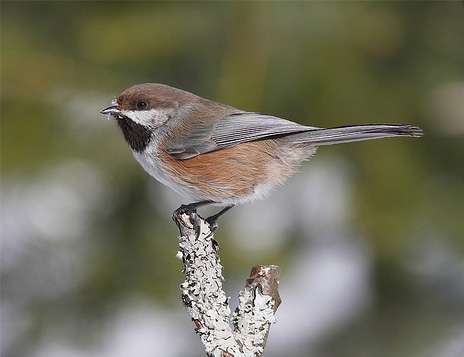
Boreal Chickadee (Poecile hudsonicus): Unlike its widespread cousin, the Black-capped Chickadee, the Boreal Chickadee is confined to spruce and fir habitat, often distinguished by its brown cap and flanks, and a nasal, slightly scratchy call.

Boreal Chickadee Black-backed Woodpecker (Picoides arcticus): This specialist uses its powerful chisel-like bill to hunt wood-boring beetle larvae, often thriving in areas recently affected by wildfires or insect outbreaks. The male’s brilliant yellow cap stands out against his matte black back.
Warbler Territory
During the summer breeding season, the Northwoods forests become a cathedral of song, dominated by wood warblers—the colorful neotropical migrants that nest here before returning south. The coniferous and mixed forests provide ideal habitat for:
Black-throated Green Warbler: One of the most common and easily identified by its distinctive "zee-zee-zoo-zee" song.

Black-throated Green Warbler Northern Parula: Found high in the canopy, often utilizing hanging mosses for nesting material.
Canada Warbler: A visually stunning bird with a distinct "necklace" of black streaks on a bright yellow breast, thriving in moist, shrubby areas.

The Winter Irruption
The birding experience does not end with the summer; winter brings its own excitement through "irruptions." These are irregular southern movements of northern-breeding species, driven by cyclic fluctuations in their food supply (conifer cones, birch seeds, etc.) in Canada.
Birders flock to the Superior shore and Northwoods areas in hopes of spotting:
Winter Gulls: Lake Superior's open water and the harbors of Superior and Duluth attract rare Arctic gulls, including Glaucous Gulls and Iceland Gulls.
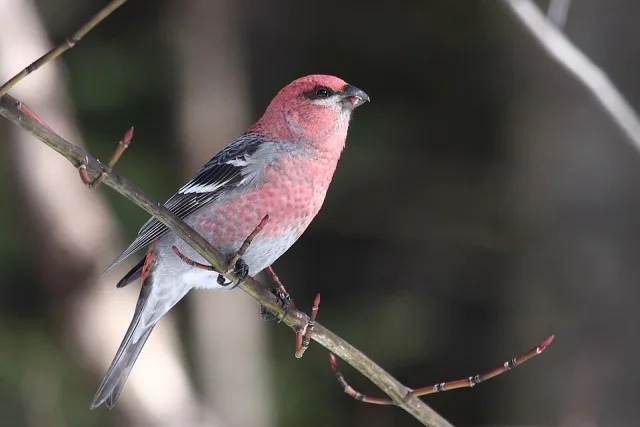
Winter Finches: Pine Grosbeaks, White-winged Crossbills, and Red Crossbills (the latter highly specialized with bills crossed to extract seeds from cones) appear when cone crops fail farther north.
Northern Owls: The vast, open fields and shores may host the magnificent Snowy Owl, a true Arctic traveler, during major irruption years.
From the vulnerable Piping Plover on the sandy spits of the Apostle Islands to the deep-forest quiet of the Spruce Grouse, Wisconsin's northern tier represents a vital, wild component of the Great Lakes ecology. It is a region where the vastness of the water and the depth of the forest coalesce to offer one of the most diverse and specialized birding experiences in the American Midwest.
