

Welcome to the world of Wisconsin birding, a state renowned for its incredible diversity of avian life. As a key stopover on the Mississippi Flyway, one of the world's major bird migration routes, Wisconsin provides a front-row seat to a spectacular feathered parade. With over 400 species officially recorded within its borders, from the iconic Bald Eagle soaring over rivers to the vibrant warblers flitting through forests, the state offers unparalleled opportunities for both seasoned birdwatchers and casual nature lovers.
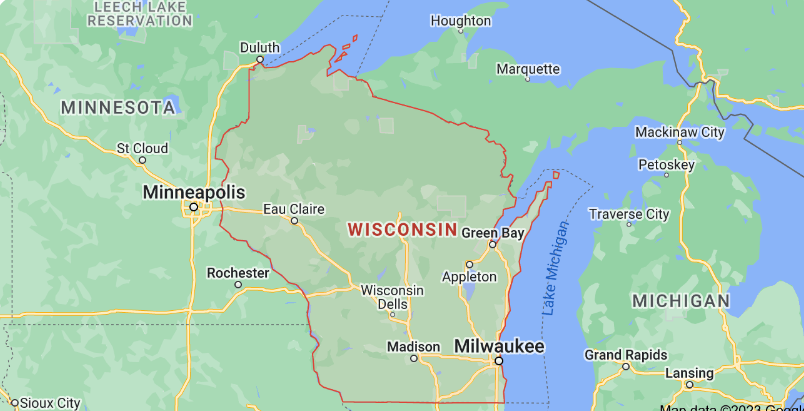
From the expansive wetlands of Horicon Marsh, the largest freshwater cattail marsh in the U.S., to the stunning beaches of Forest and Harrington Beaches, the state's varied habitats are a magnet for birds. Whether you're seeking the booming call of a Greater Prairie Chicken on the Buena Vista Grasslands or hoping to catch a glimpse of a rare Snowy Owl in the winter, Wisconsin's landscapes provide a perfect backdrop for your next birding adventure. This article will guide you through the best spots and seasons to experience the rich and rewarding world of Wisconsin's birds.
Harrington Beach SP
Harrington Beach State Park, located on the shore of Lake Michigan in the town of Belgium, is a haven for birdwatchers thanks to its diverse and unique geography. The 715-acre park boasts a mile of shoreline along the great lake, providing critical habitat for waterfowl and shorebirds.

The park's interior is a mosaic of different ecosystems, including a hardwood forest, a white cedar lowland swamp, and open fields with restored wetlands. A particularly interesting feature is the 26-acre Quarry Lake, a former limestone quarry that adds to the variety of habitats available for both resident and migratory birds. This rich combination of shoreline, forest, marsh, and open water makes Harrington Beach an essential stop on the Great Wisconsin Birding & Nature Trail.
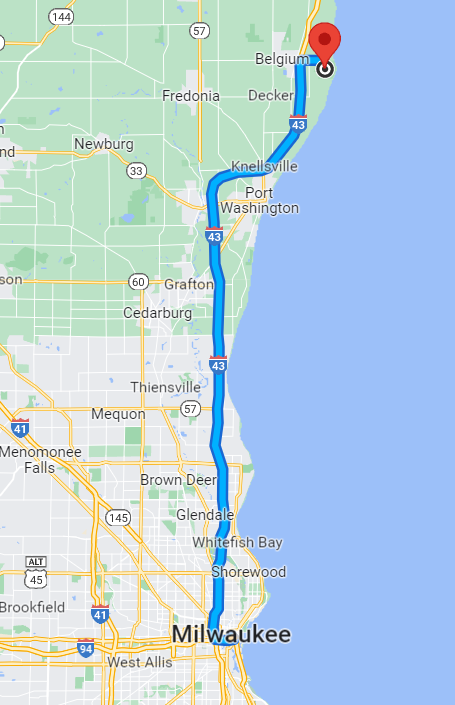
The varied landscapes of Harrington Beach State Park make it a prime location for a wide range of birding opportunities throughout the year. During the spring and fall migrations, the park becomes a hotspot for thousands of birds traveling along the Lake Michigan flyway. The shoreline is a fantastic place to scan for offshore waterfowl, including rare species like loons, grebes, and scoters.

Meanwhile, the park's forests and swamps are alive with the activity of passerines, with nearly every species of warbler making an appearance in the spring. In the fall, the park is a spectacular site for hawk watching as raptors follow the shoreline on their journey south. Even in the winter, the open waters of Lake Michigan and the park's fields provide habitat for winter finches, Rough-legged Hawks, and the occasional Snowy Owl, making Harrington Beach a year-round destination for dedicated birders.
Target Birds
Sedge Wren
Brown Thrasher
Clay-colored and Henslow's Sparrow
Indigo Bunting
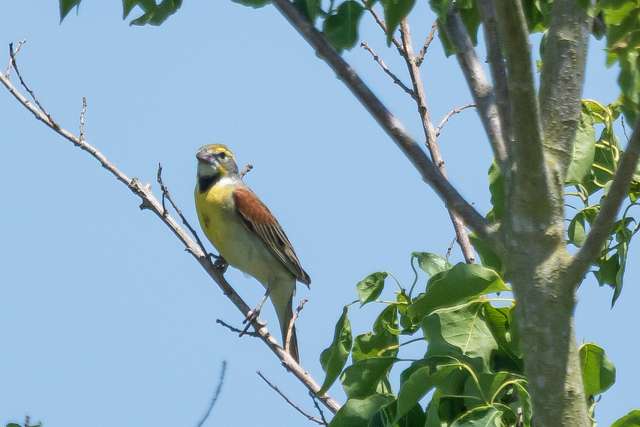
Dickcissel
Alder and Least Flycatcher
Barred Owl

Wisconsin Birds has details about the park and the birds within it, describing the area as:
This 637-acre park has one mile of Lake Michigan frontage and boasts a bird list of 256 species, making it one of the best places to bird watch in the state. Spring and fall migrations bring spectacular concentrations of waterfowl offshore. In the spring, nearly every species of warbler adorns the trees in the hardwood forests and white cedar lowland swamp.
Horicon NWR
Horicon National Wildlife Refuge (NWR), a jewel of Wisconsin's landscape, is located in the southeastern part of the state, spanning northern Dodge and southern Fond du Lac counties. This vast wetland, encompassing over 33,000 acres, is the largest freshwater cattail marsh in the United States and a globally recognized Wetland of International Importance.
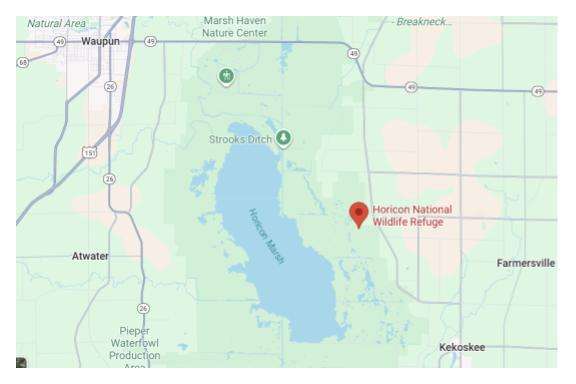
Its unique geography is a product of the last Ice Age, carved out by a continental glacier that left behind a shallow, peat-filled lake bed and a high concentration of drumlins, which now form the marsh's many islands. The Rock River flows through the refuge, providing a constant source of life to this dynamic ecosystem. The refuge is co-managed by the U.S. Fish and Wildlife Service and the Wisconsin Department of Natural Resources, ensuring its preservation as a critical habitat for migratory birds.
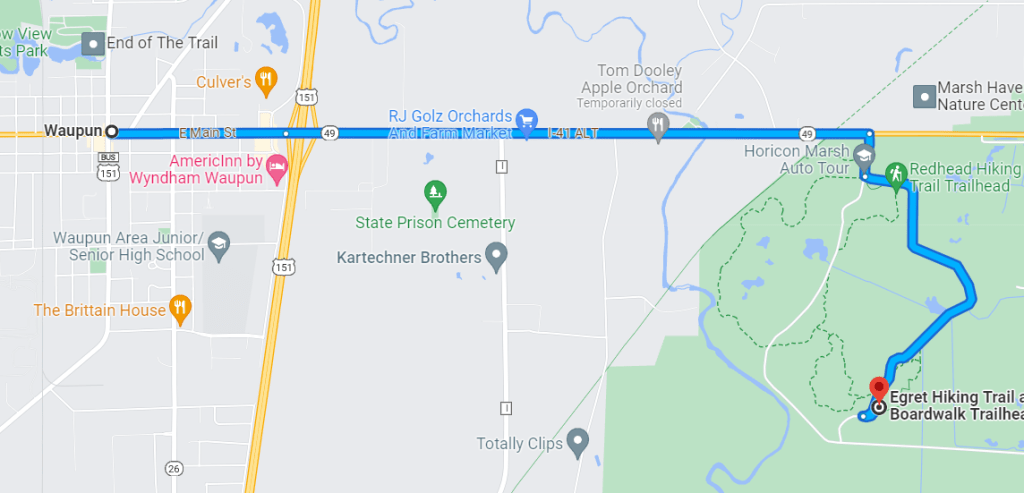
For birdwatchers, Horicon NWR is nothing short of a paradise, with over 300 species officially recorded. The marsh is a vital stopover on the Mississippi Flyway, making it a prime location to witness the spectacular spring and fall migrations. During these peak seasons, the refuge is a bustling spectacle of avian life, with hundreds of thousands of ducks and Canada Geese descending upon the water.
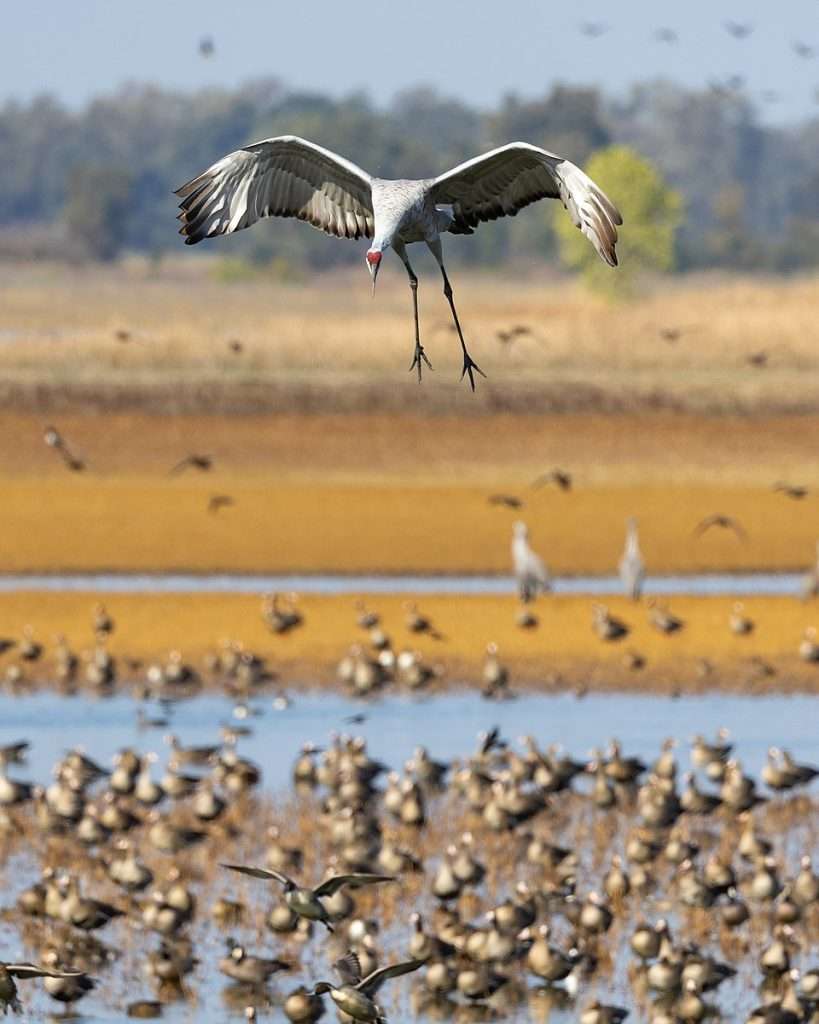
Beyond the waterfowl, visitors can spot a remarkable array of birds, from the booming Greater Prairie-Chicken to the elegant Sandhill Crane and the elusive Yellow-headed Blackbird. A network of hiking trails, including a floating boardwalk, and a scenic auto tour route provide excellent vantage points for observing everything from raptors to songbirds, while guided boat tours offer an intimate look at the marsh's inhabitants.
Target Birds
Sandhill Crane
Black Tern
Blue-winged Teal
Rose-breasted Grosbeak
Ruddy Duck
Virginia Rail
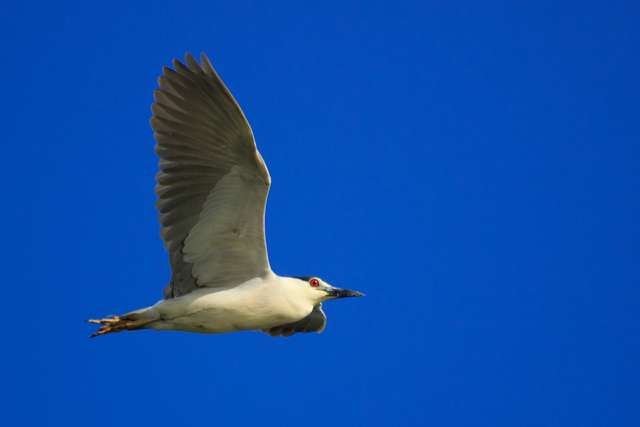
Black-crowned Night Heron
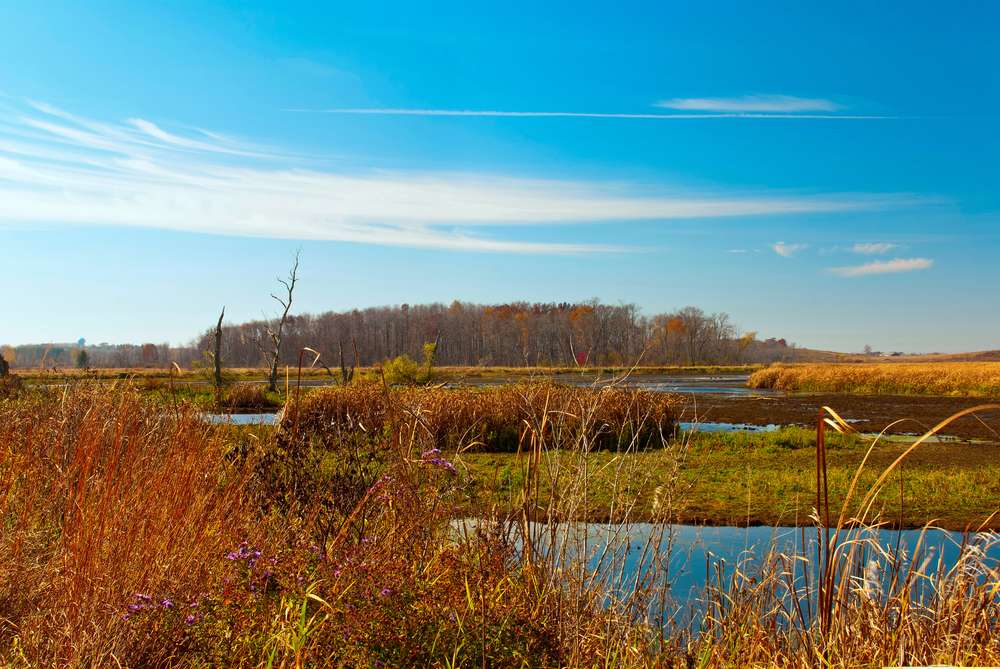
The U.S. Fish and Wildlife Service has some good background information about this huge site.
Horicon Marsh is one of the largest freshwater marshes in the United States. The northern two-thirds is managed by the U.S. Fish and Wildlife Service as the 22,000 acre Horicon National Wildlife Refuge. The southern third of the marsh, 11,000 acres, is managed by the Wisconsin Department of Natural Resources as Horicon Marsh State Wildlife Area. Three visitor centers and numerous trails and other outdoor facilities are available. Enjoy!
Crex Meadows NWR
Located in northwestern Wisconsin's Burnett County, Crex Meadows Wildlife Area is a massive 30,000-acre complex that serves as a vital ecological haven. Its geography is a mosaic of different habitats, a legacy of the last ice age when a retreating glacier left behind a sandy plain and the ancient Glacial Lake Grantsburg.
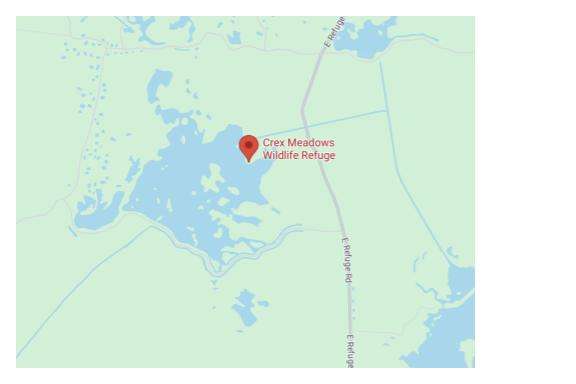
Today, this landscape is characterized by extensive wetlands, including sedge marshes and deep-water flowages, interspersed with restored pine and oak barrens, brush prairies, and forests. The area is a prime example of a globally endangered ecosystem, the Northwest Wisconsin pine barrens, making its conservation and management by the Wisconsin DNR of critical importance.
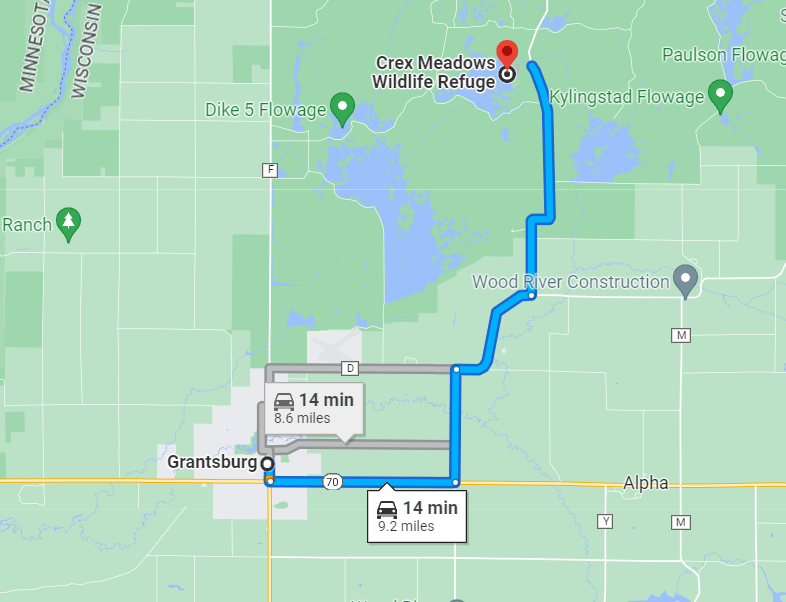
Crex Meadows offers some of the best birdwatching in the Midwest, a reputation it has earned due to its diverse habitats and location on a major migration route. Over 280 bird species have been documented here, including rare and threatened birds like the Sharp-tailed Grouse, a species that benefits from the active management of the barrens habitat through controlled burns.
The area is a critical stopover for tens of thousands of migrating waterfowl and is particularly famous for the spectacular autumn staging of Sandhill Cranes. Other notable species include the federally endangered Trumpeter Swan, the American Bittern, and a variety of warblers and sparrows, each thriving in the specific habitats the refuge provides. The extensive network of well-maintained roads and observation areas, including several overlooks, makes this an accessible and rewarding destination for birders of all levels.

Target Birds
Black-billed Cuckoo
Great Northern Diver
American Diver
Northern Harrier
Veery
Nashville and Pine Warbler
Trumpeter Swan
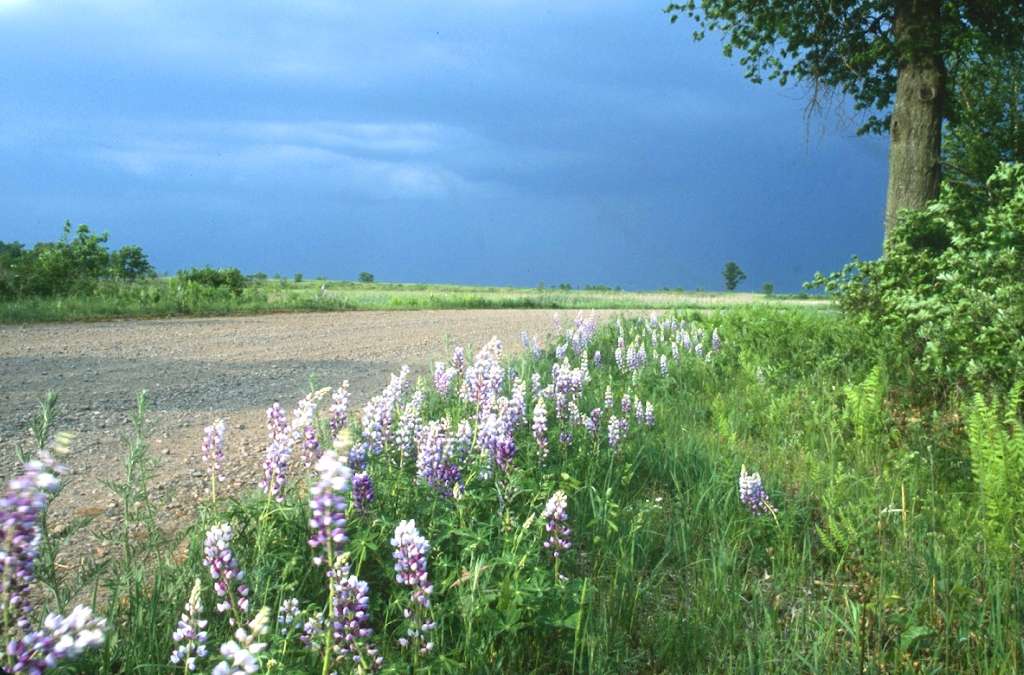
The Friends of Crex Meadows has information about the driving routes and visitor's center.
Crex Meadows is listed as one of the top 500 birding spots to visit in the United States. There are over 280 species that use the property, and many are seen consistently each year. Stop by the visitor’s center for up-to-date bird sighting information.
Manitowoc Lakefront
The Manitowoc lakefront in Wisconsin is a premier birdwatching destination, particularly due to its location on the western shore of Lake Michigan and its unique geographic features. It serves as a vital stopover on the Mississippi Flyway, a major migration route for birds across North America.

The key area for birding is the Lakeshore Birding Area, which includes the lakefront along Maritime Drive and the Confined Disposal Facility (CDF). This man-made, peninsula-like structure, created from harbor dredging, acts as an island and provides an essential resting and feeding spot for a vast number of migrating birds before they continue their journey across or along Lake Michigan.
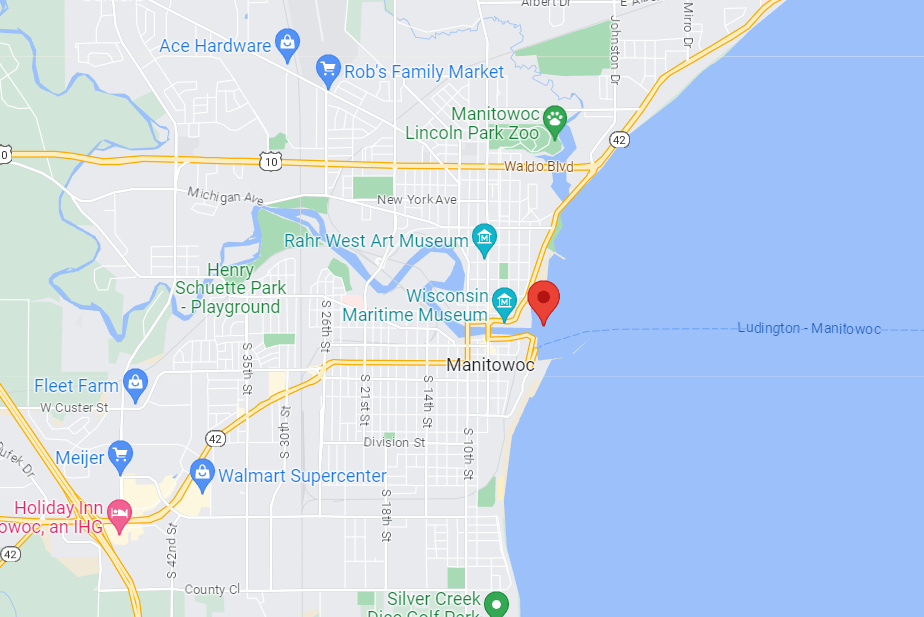
The varied habitats found along the lakefront, from the open waters of Lake Michigan and the Manitowoc River mouth to the restored prairie and walking trails, attract a remarkable diversity of avian life. Birders can spot a wide range of species including waterfowl, pelicans, gulls, terns, and shorebirds utilizing the aquatic environments.
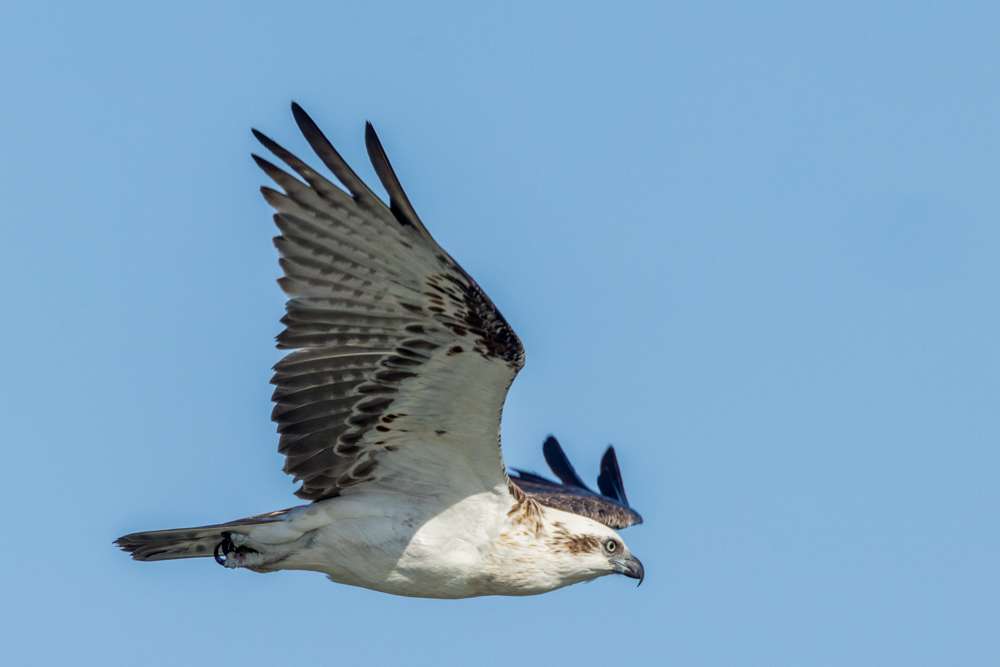
Meanwhile, the land-based areas with their newly established habitats are magnets for songbirds, raptors, and marsh birds. Over 300 species have been recorded here, making it a reliable spot for seeing everything from majestic Bald Eagles and Ospreys to colorful warblers and even rare, out-of-range birds, especially during the peak spring and fall migration seasons.
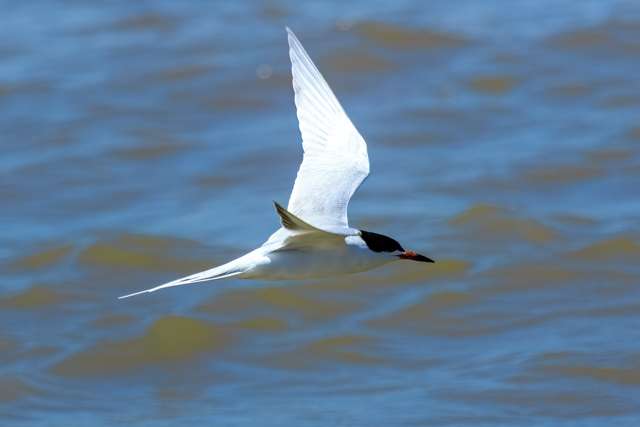
Target Birds
Greater Scaup
Boneparte's Gull
Forster's Tern
Osprey
Dunlin
Ruddy Turnstone
American White Pelican
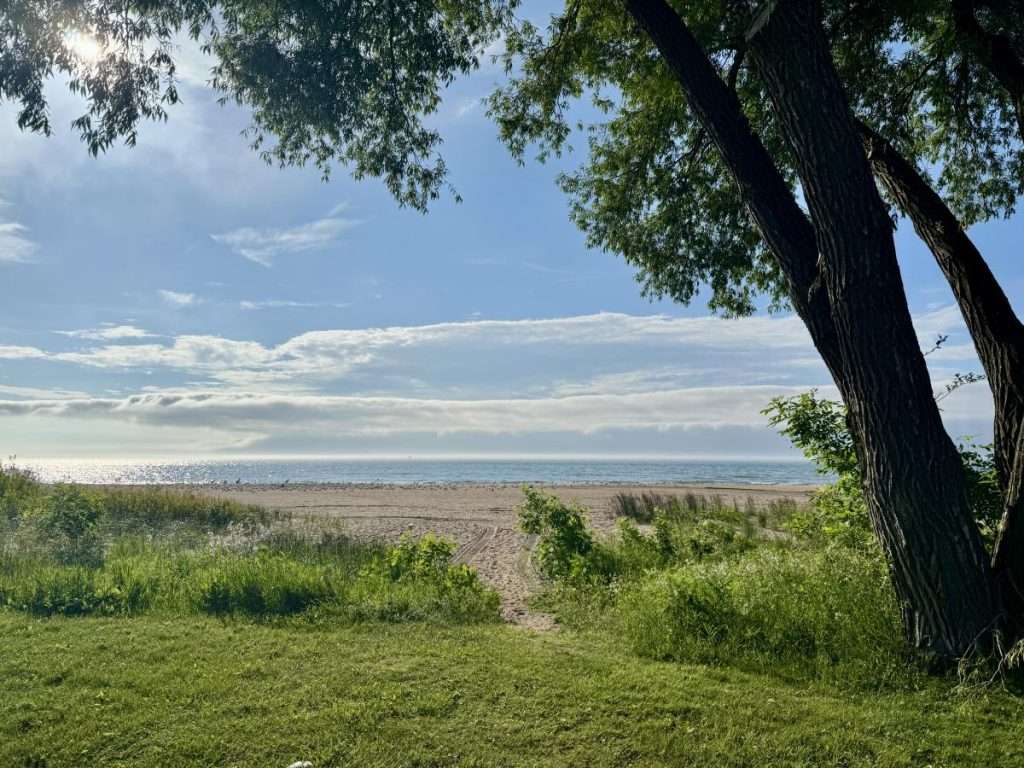
The City of Manitowoc website has information about how it has become 'Bird City.
The City of Manitowoc has received the Bird City Wisconsin (BCW) designation each year since 2011 for its "willingness to act to promote healthy bird and human populations." Click here to see what the Manitowoc community has done in recent years in order to achieve this designation. Signs designating Manitowoc as a Bird City have been posted on Calumet Avenue and Waldo Boulevard for visitors to see as they enter the city.
Forest Beach Migratory Preserve
Forest Beach Migratory Preserve is a 116-acre nature sanctuary located along the Lake Michigan shoreline in the town of Belgium, Wisconsin. Originally a golf course, the land was acquired by the Ozaukee Washington Land Trust and has since been restored to a diverse "patchwork quilt" of habitats to support migratory birds.
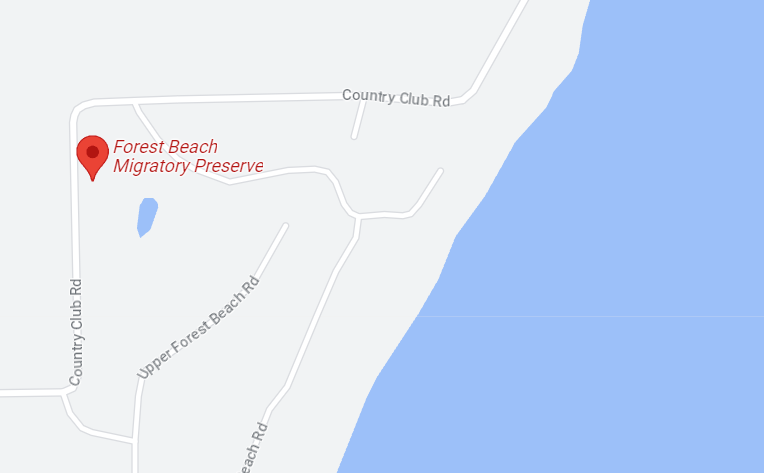
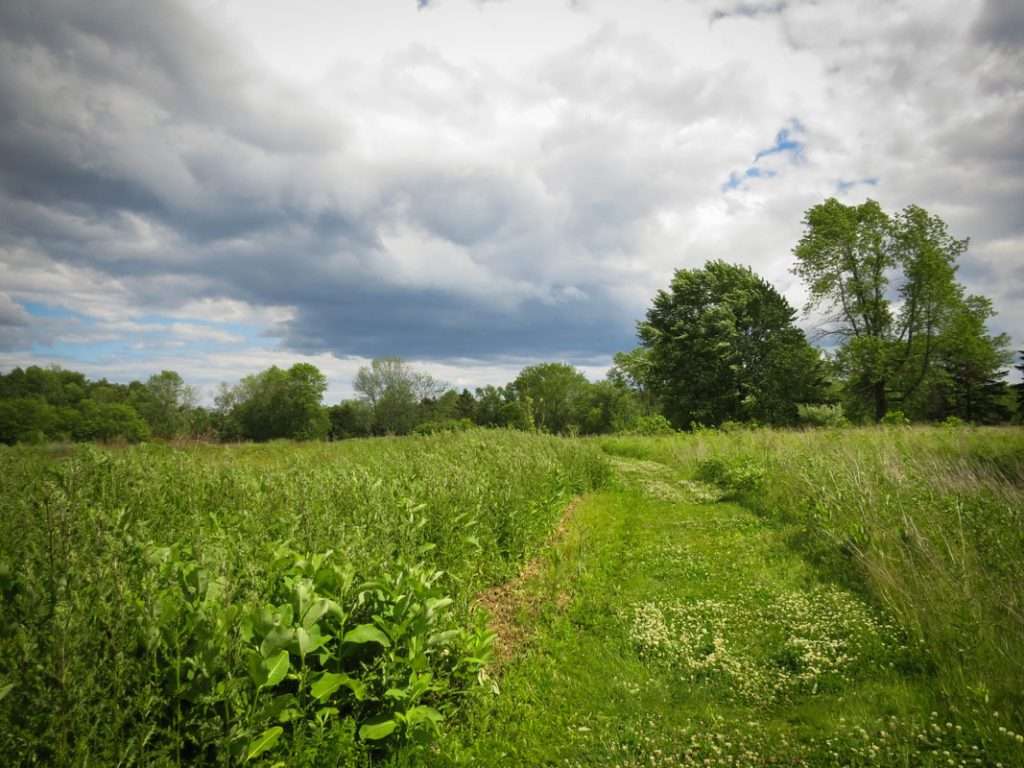
The geography of the preserve includes a five-acre hardwood forest with ephemeral ponds, open grasslands, a prairie, a partially wooded ravine, and five constructed wetland ponds. This variety of restored ecosystems provides crucial stopover habitat for a wide range of bird species along the Lake Michigan Flyway.
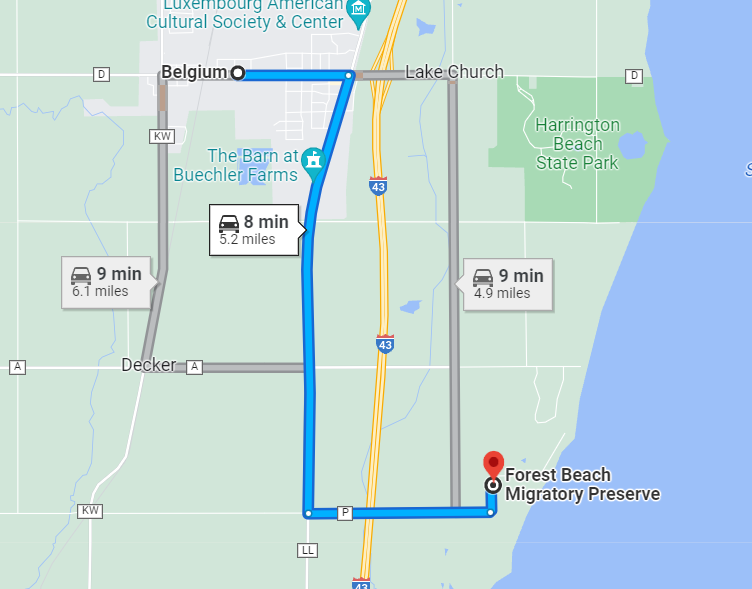
The preserve offers excellent birdwatching opportunities for both novice and experienced birders. The diverse habitats attract a variety of birds, and the preserve has been identified as an eBird hotspot with over 250 species recorded. Birders can explore a system of interpretive trails that meander through the different habitats.

A particularly notable feature is the raptor viewing area and a hawk watch tower, which provides a great vantage point for observing migrating birds of prey such as Sharp-shinned Hawks, Merlins, and Bald Eagles. The preserve is a must-visit during migration seasons, though it remains a rewarding destination for birding year-round.
Target Birds
Bald Eagle
Red-bellied Woodpecker
Green Heron
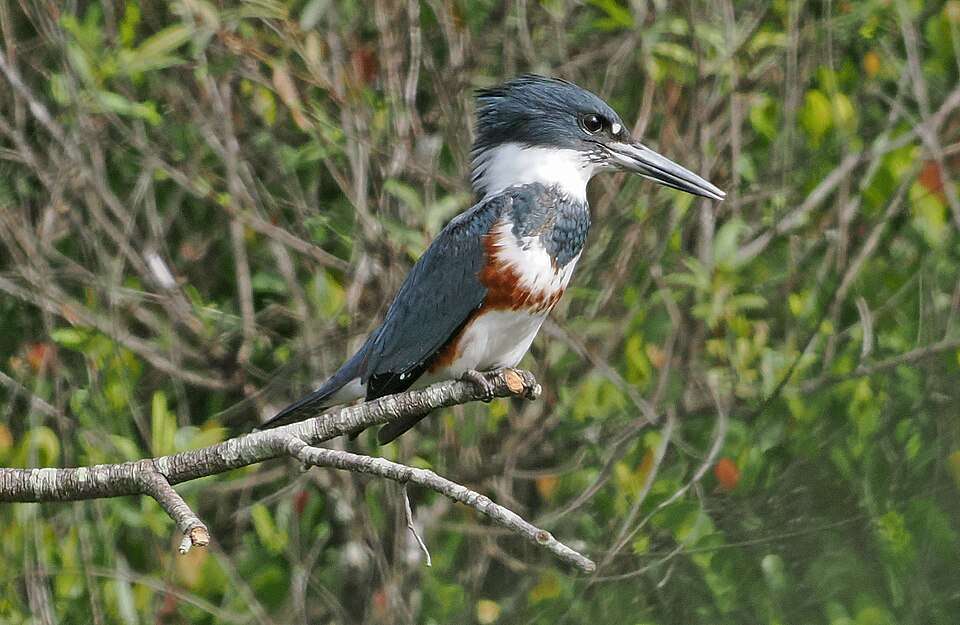
Belted Kingfisher
American Woodcock
Black-throated Green Warbler
Vesper Sparrow
Winter Wren
The Ozaukee Washington Land Trust (OWLT) has a webpage for the preserve and their efforts to conserve it.
Located along Lake Michigan in the town of Belgium, WI, Forest Beach Migratory Preserve is 116 acres. This preserve contains a 5-acre hardwood forest with ephemeral (seasonal) ponds, open grassland and prairie, a partially wooded ravine and 5 constructed wetland ponds. The site was previously a golf course but OWLT purchased the land because the property’s location and attributes lend itself to supporting migratory birds along the Lake Michigan Flyway.
Nine Springs Natural Area
The Nine Springs Natural Area is an important urban green space located on the south side of Madison, Wisconsin, within the larger Lewis Nine Springs E-Way. This environmental corridor stretches for seven miles and serves as a vital ecological and recreational link between the city and surrounding areas.
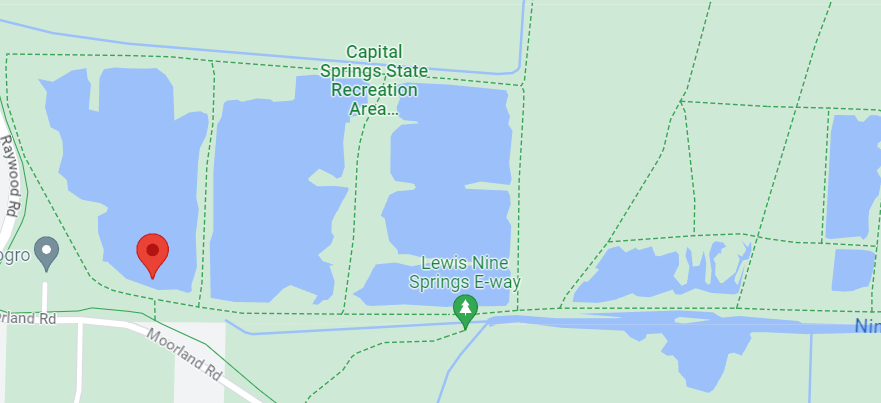
The geography is characterized by a mosaic of habitats, including extensive wetlands, open water lagoons, prairies, and forests. Nine Springs Creek, which flows through the area, and numerous large natural springs are central to the landscape, providing a consistent water source that supports a wide array of wildlife. The terrain is largely flat, with well-maintained gravel and paved trails, including a portion of the Capital City State Trail, making it highly accessible for visitors.
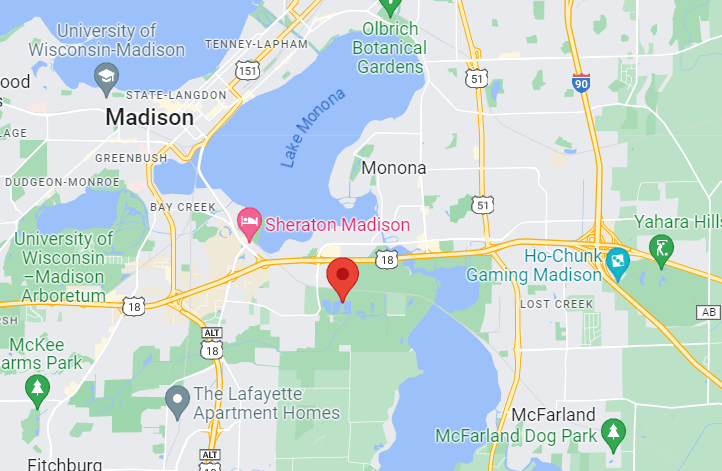
The diverse geography of Nine Springs Natural Area makes it a premier destination for bird watching. Over 250 species of birds have been recorded here, with the varied habitats attracting everything from migrating waterfowl to woodland songbirds. The open water and extensive mudflats are particularly renowned for attracting a wide variety of shorebirds during migration seasons, including species like the Semipalmated Plover, Lesser Yellowlegs, and various sandpipers.
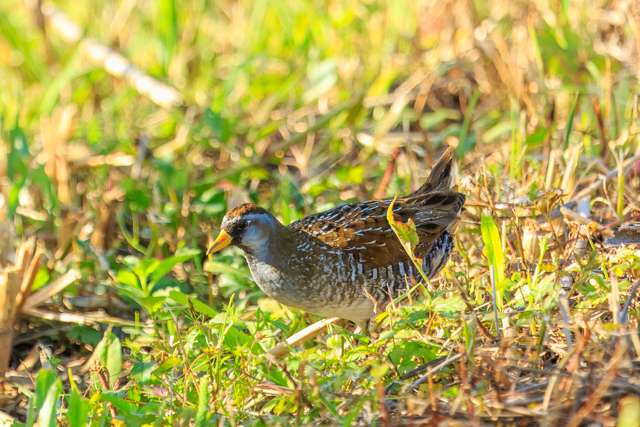
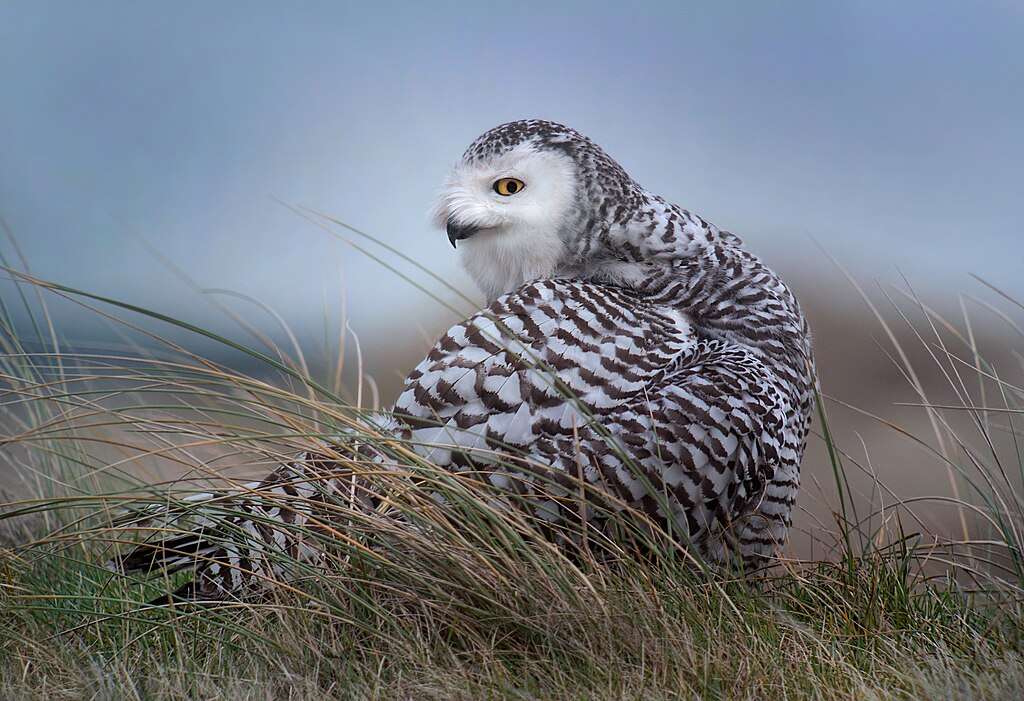
The surrounding marsh and prairie habitats are home to birds like Sora, Marsh Wren, and a range of sparrows. In the spring and fall, the area is a crucial stopover for migratory birds, and winter can bring sightings of species like the Northern Shrike and Snowy Owl. The presence of Bald Eagles, Great Horned Owls, and numerous duck species year-round further cements its status as a must-visit location for birders in the state.
Target Birds
Great Horned Owl
Willow Flycatcher
Warbling Vireo
Hooded Merganser
Semipalmated Sandpiper
Sora
Orchard Oriole
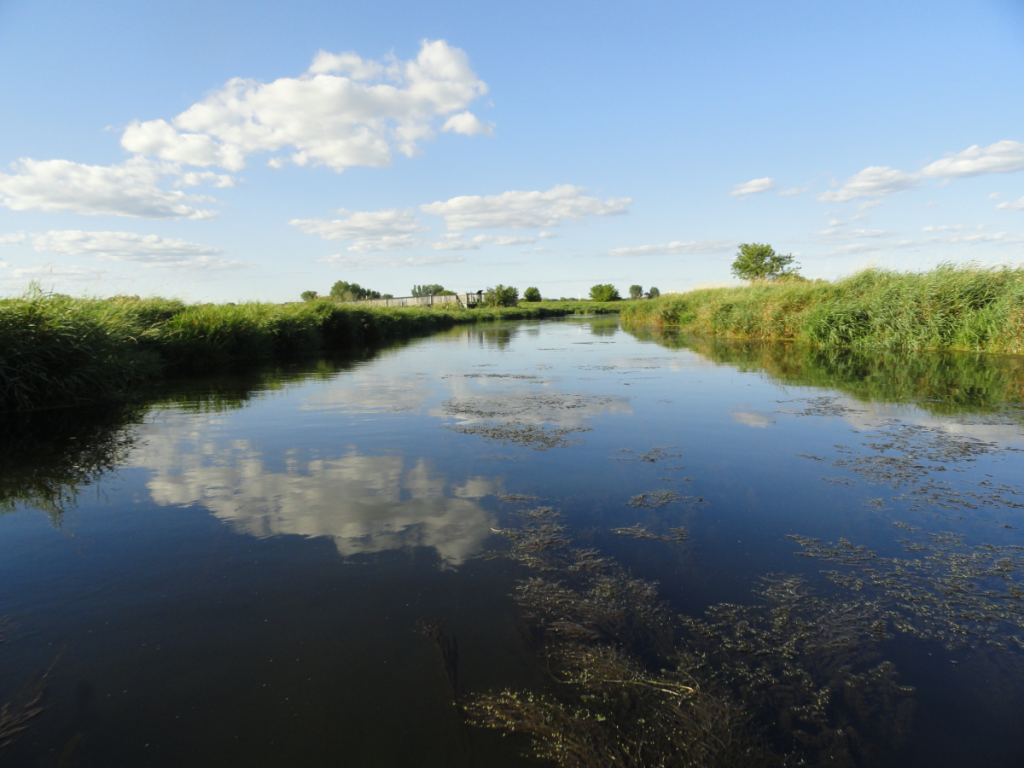
The Friends of Capital Springs website has good birding information about the area including Nine Springs.
The best birding locations at Capital Springs Recreation Area include the Madison Metropolitan Sewerage District’s Wildlife Observation Area, Lunney Lake Farm County Park shoreline, and the Lewis Nine Springs E-Way Marsh.
Schlitz Audubon Nature Center
Located just north of downtown Milwaukee, the Schlitz Audubon Nature Center is a 185-acre sanctuary nestled along the Lake Michigan shoreline. Formerly a farm for Schlitz Brewery's draft horses, the center's geography is a blend of diverse habitats, including forests, wetlands, restored prairies, ravines, and bluffs. Six miles of trails wind through these ecosystems, providing a variety of environments for both wildlife and visitors.
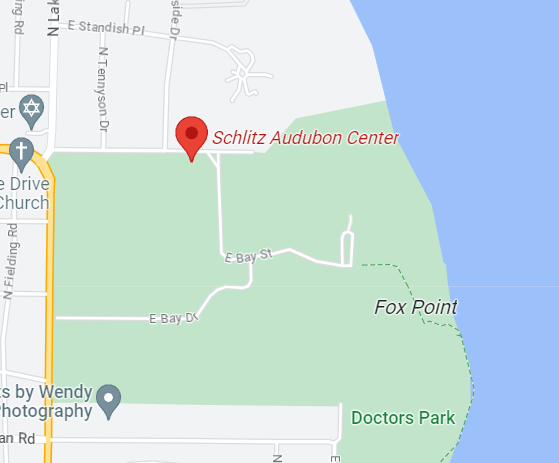
The center's prime location on the bluffs of Lake Michigan also provides stunning views of the Great Lake and the surrounding landscape from its 60-foot observation tower. This unique mix of landscapes makes it a vital green space and a designated Important Bird Area.
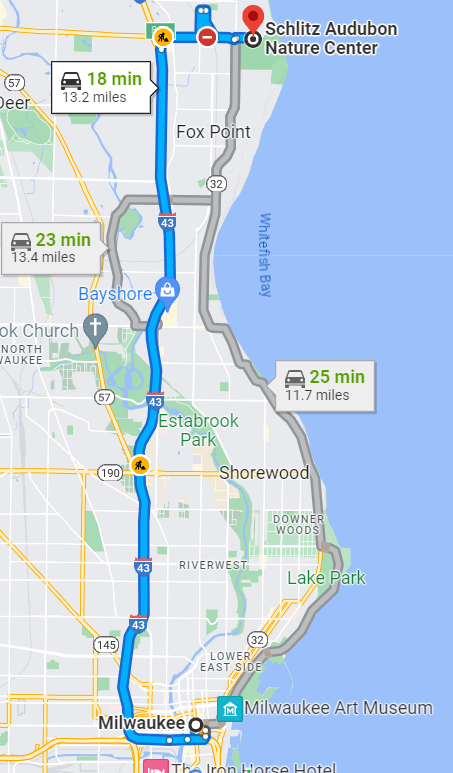
This geographic diversity translates into fantastic birdwatching opportunities. The center's position on the Mississippi Flyway, a major migratory route, makes it a birding hotspot, especially during spring and fall migration. Over 260 species have been recorded here, including a remarkable 36 species of warblers that flit through the trees.
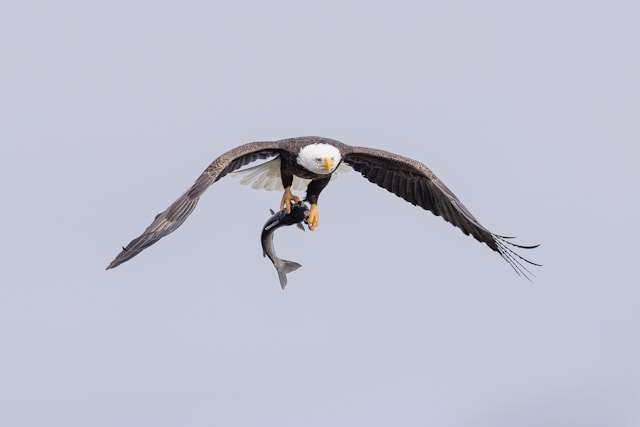
The varied habitats attract a wide range of birds, from waterfowl on Lake Michigan to raptors soaring over the prairies and songbirds in the wooded ravines. The center also features a dedicated raptor program with resident birds of prey, providing an up-close look at species like Bald Eagles, hawks, and owls. With educational programs, guided bird walks, and a bird-friendly atmosphere, Schlitz Audubon offers an exceptional experience for birders of all skill levels.
Target Birds
Red-headed Woodpecker
Baltimore Oriole
Caspian Tern
Cooper's Hawk
Yellow-bellied Flycatcher
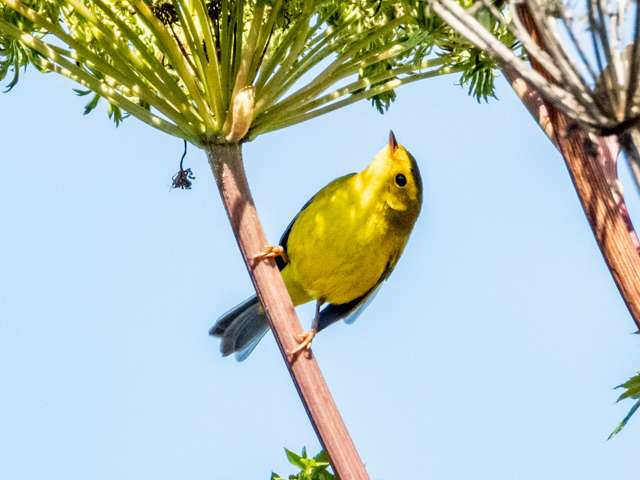
Wilson's and Magnolia Warbler
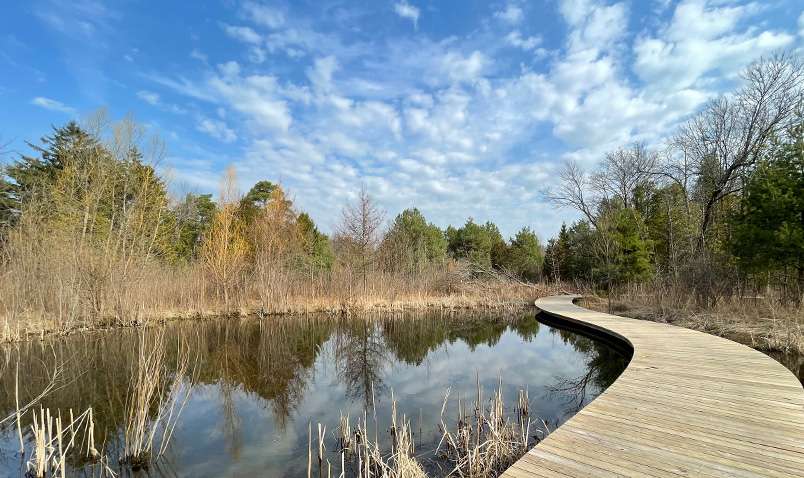
The Schlitz Audubon Nature Center of course, has great information about their center and the area around it.
Schlitz Audubon’s varied habitats and our location within the Mississippi flyway on Lake Michigan make us a birding hotspot for a wide range of bird species. Our contiguous uplands offer crucial habitat for migrants, breeding, and overwintering birds. Since 1974, 261 species, including 36 warbler species, have been seen at the center.
Lake Mills/Zeloski Marsh SWA
The Lake Mills/Zeloski Marsh State Wildlife Area (SWA) is a birding hotspot located in Jefferson County, Wisconsin, about 30 minutes east of Madison. The area spans approximately 3,300 acres and is divided into two distinct units. The eastern unit is a mix of open water marsh, wet prairie, lowland hardwoods, and oak savanna uplands, including parts of Rock, Bean, and Mud lakes.
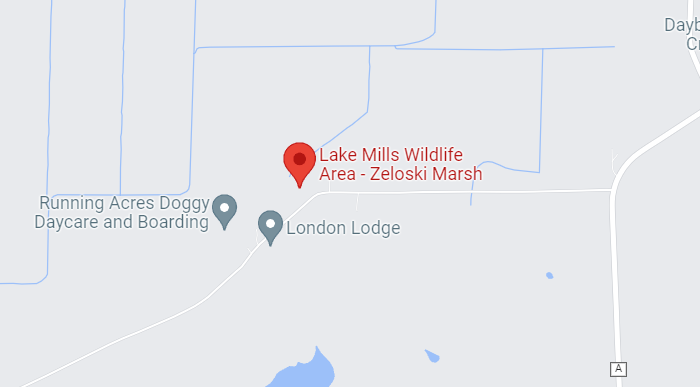
The western unit, known as Zeloski Marsh, is a restored wetland that was once drained farmland. This unit features a series of impoundments with controlled water levels, which have transformed the landscape into a prime habitat for a wide variety of wetland species. The Glacial Drumlin State Trail, a popular biking and hiking path, runs through the SWA, providing easy access and a scenic route for visitors.
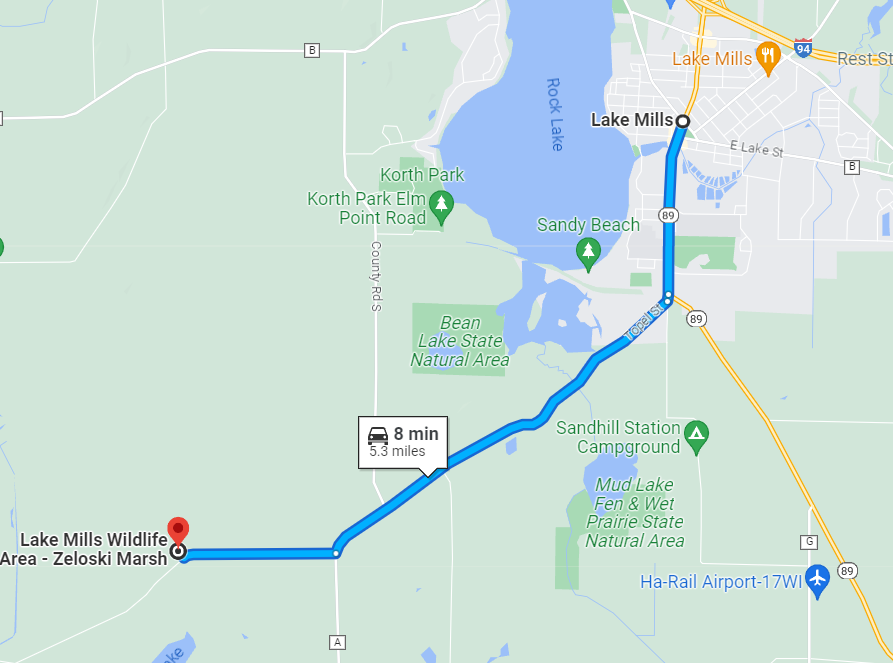
The diverse geography of the SWA creates exceptional birdwatching opportunities, with over 250 species recorded. The restored wetlands of Zeloski Marsh are a magnet for waterfowl, including a variety of ducks and geese, as well as wading birds like the Great Blue Heron and the iconic Sandhill Crane.
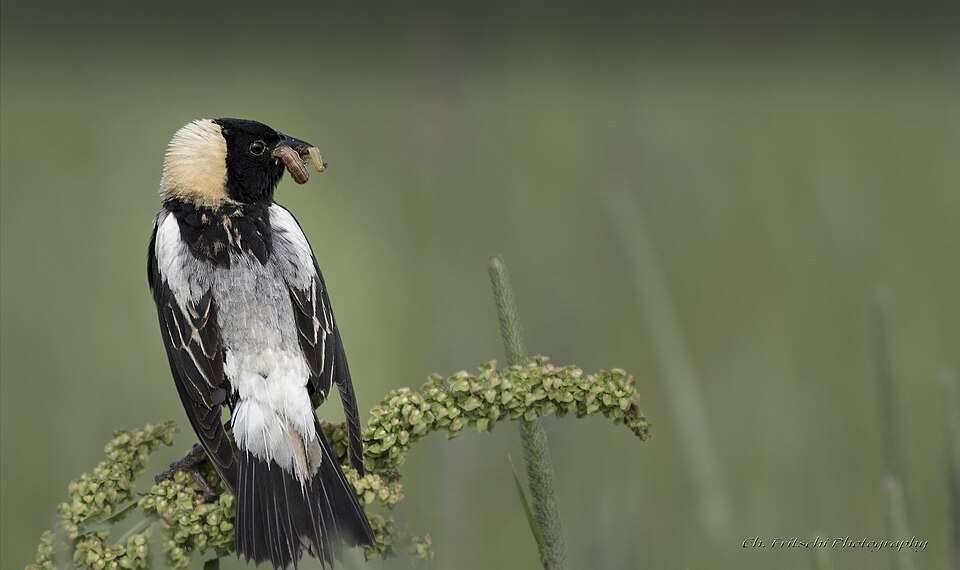
The open grasslands and prairies support species such as the Bobolink and Eastern Meadowlark, while the forested areas attract owls, woodpeckers, and a wide array of migratory wood warblers during spring and fall. The ability to manage water levels in the Zeloski unit allows for the creation of mudflats, which are crucial for shorebirds during migration. The site's strategic location along a major migratory flyway makes it a critical stopover for birds on their long journeys, offering a dynamic and rewarding experience for birders year-round.

Target Birds
White-rumped Sandpiper
Gray Plover
Greater Yellowlegs
Black-necked Stilt
Northern Waterthrush
Common Nighthawk
Shore Lark
Short-billed Dowitcher
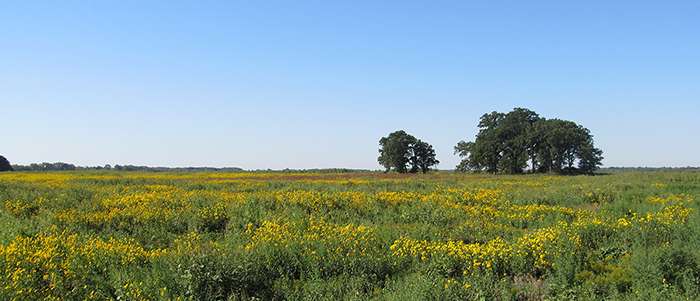
The Wisconsin DNR has visitor information about the area and the birds you might see.
The Zeloski Marsh Wildlife Area is a relatively new wildlife management property located just south west of Lake Mills and promises to be the next “great’ birding spot in south east Wisconsin. When fully restored this property will be over 1,500 acres of wetland and grassland and will attract over 200 species of birds.
UW Madison Arboretum
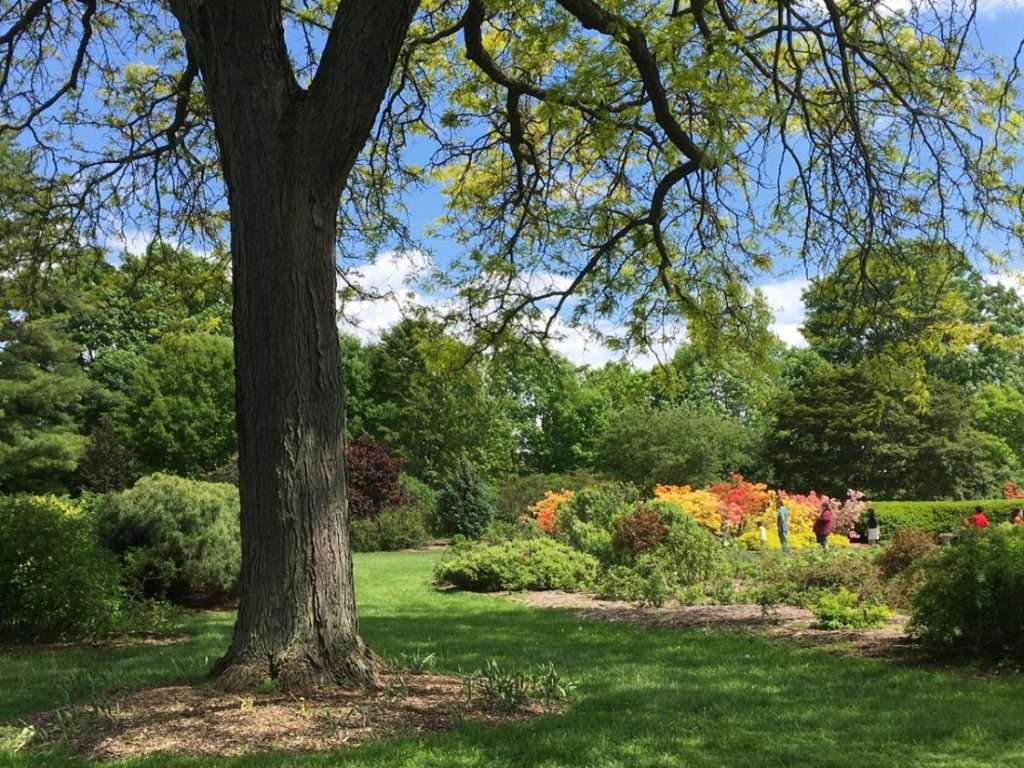
The UW–Madison Arboretum is a sprawling 1,200-acre ecological restoration research facility located on the near-west side of Madison, Wisconsin, bordering the southern half of Lake Wingra. Its geography is a rich tapestry of diverse, restored ecological communities, including the oldest restored tallgrass prairie in the world (Curtis Prairie), as well as wetlands, savannas, and various types of forests.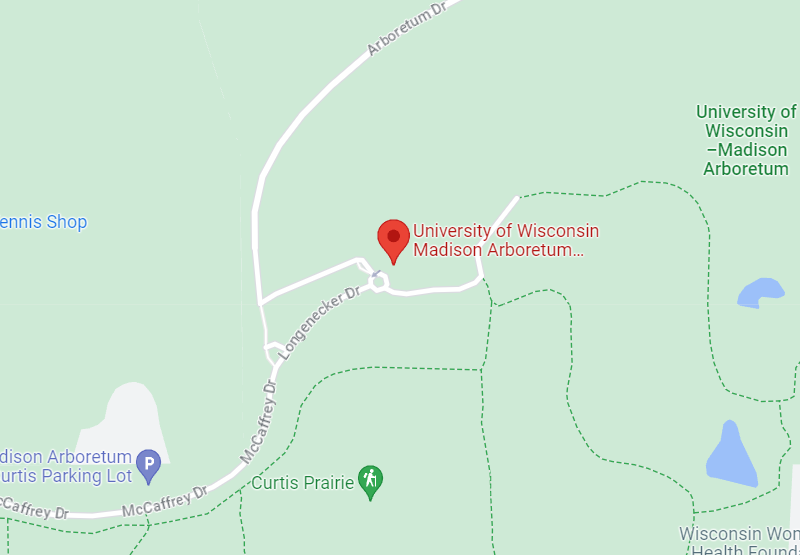
The Arboretum also features horticultural collections like the Longenecker Horticultural Gardens. This unique blend of habitats, combined with its location along a major migratory flyway, makes it an exceptionally important area for birds and a premier birdwatching destination.
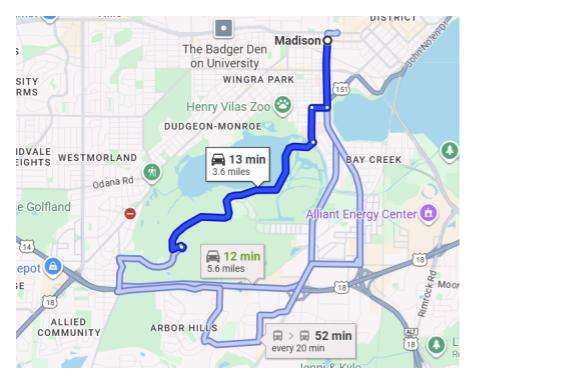
The varied landscapes of the UW–Madison Arboretum provide outstanding birdwatching opportunities throughout the year. The open grasslands of its prairies are ideal for spotting Sandhill Cranes, American Woodcocks, and grassland sparrows, while the mature forests and horticultural gardens are magnets for migrating songbirds, especially during the spring and fall migrations. Warblers, thrushes, and vireos are particularly abundant during these periods.
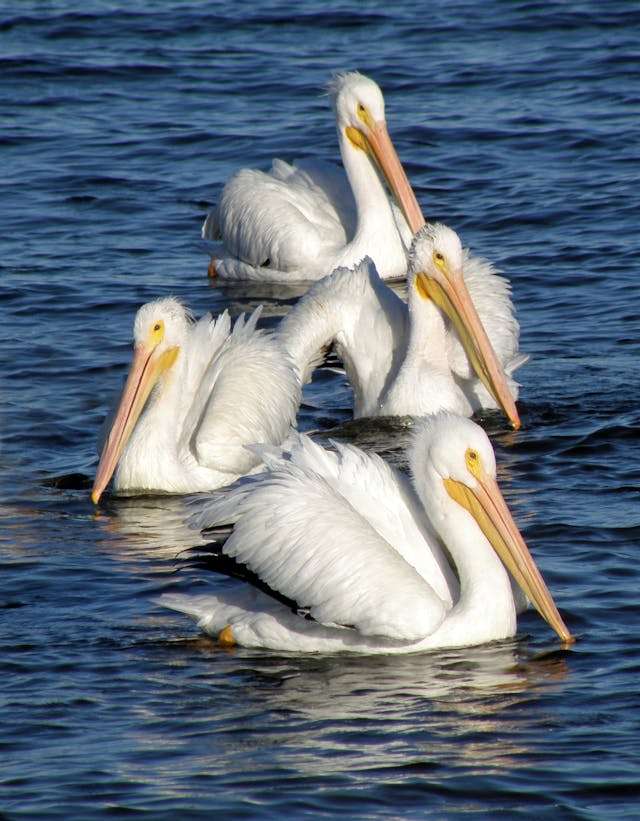
The wetlands and shoreline of Lake Wingra attract a wide range of waterfowl, including American White Pelicans, ducks, and herons. Even in winter, the Arboretum's unfrozen spring-fed ponds at locations like Teal Pond and Big Spring offer a haven for ducks and other birds that would typically migrate further south, such as Great Blue Herons and Belted Kingfishers. Birders can also find resident species, including several owls, like the Great Horned Owl and Barred Owl, as well as various woodpeckers and hawks.
Target Birds
Swamp Sparrow
American Wigeon
Yellow-billed Cuckoo
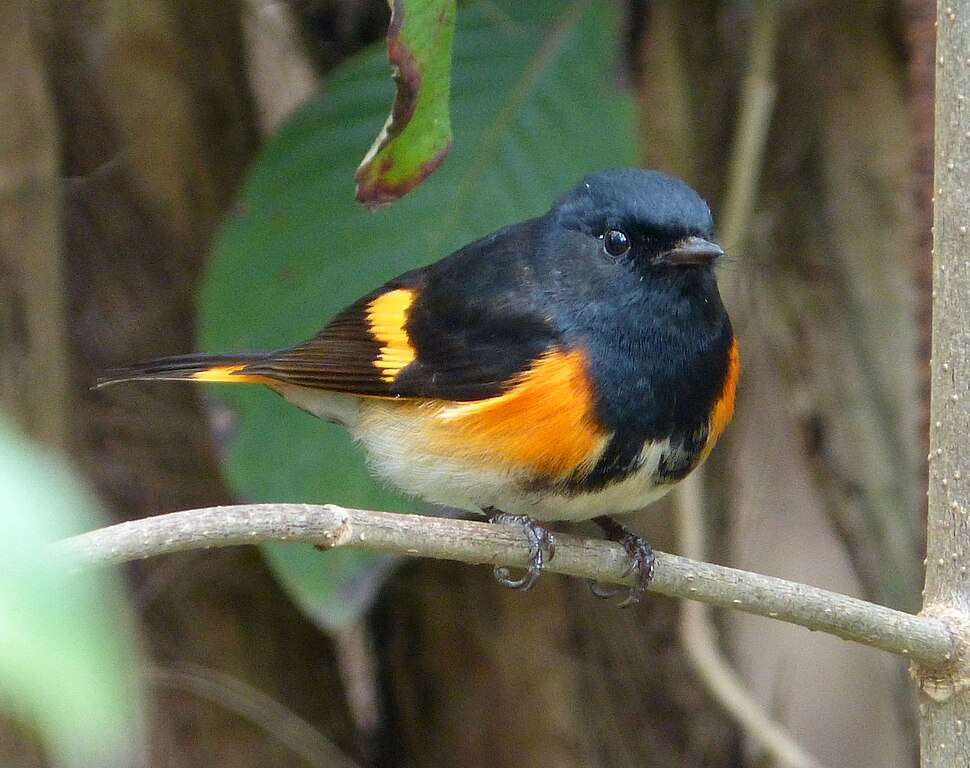
American Redstart
Broad-winged Hawk
Bell's and Yellow-throated Vireo
Swainson's Thrush
The University of Wisconsin has information on how to get started bird watching in the arboretum.
The Lakeshore Nature Preserve—which includes Picnic Point—and the UW Arboretum are birding hot spots. More than 200 species can be seen in these areas over the course of a year, many of them migrants that fly through in spring and fall.
Wrapping Up
With its remarkable variety of habitats and status as a critical stopover on the Mississippi Flyway, Wisconsin stands out as a premier destination for birdwatchers of all skill levels. From the restored prairies of the UW–Madison Arboretum to the vast wetlands of Horicon Marsh, the state offers a rich and rewarding experience throughout every season. The opportunity to witness a spectacular migration of warblers, observe a nesting Bald Eagle, or simply enjoy the sight of common species in a beautiful natural setting makes Wisconsin an ideal location for anyone who loves birds. So grab your binoculars, pack a field guide, and get ready to discover the exceptional avian life that awaits you in the Badger State.
