

Why does the sight of a brilliant Northern Cardinal instantly lift spirits, while a common European Starling may be ignored—or even actively disliked? It’s a curious quirk of human nature that while we collectively appreciate the beauty of avian life, our affection is not evenly distributed. Our preferences for certain bird species over others are not arbitrary; they are deeply rooted in a fascinating blend of psychology, history, cultural values, and evolutionary biology.
This U.S.-based exploration delves into the primary reasons we assign 'favorite' status to some birds, examining the five key factors that shape our feathered preferences: Aesthetics (Visual Appeal), Behavior (Interaction and Intelligence), Scarcity (Rarity and Status), Vocalization (Song and Call), and Cultural/Historical Significance.
1. Aesthetics: The Allure of Color and Form
The most immediate and powerful determinant of avian preference is visual appeal. Simply put, we like birds that are pretty or interesting to look at.
Color Saturation and Contrast
Humans are naturally drawn to intense, pure colors, which often signify health and vitality in nature. Birds that exhibit high color saturation, particularly across the visible spectrum, command our attention. This is why species like the Painted Bunting (often called "nature's rainbow") or the fiery Scarlet Tanager are instant favorites.
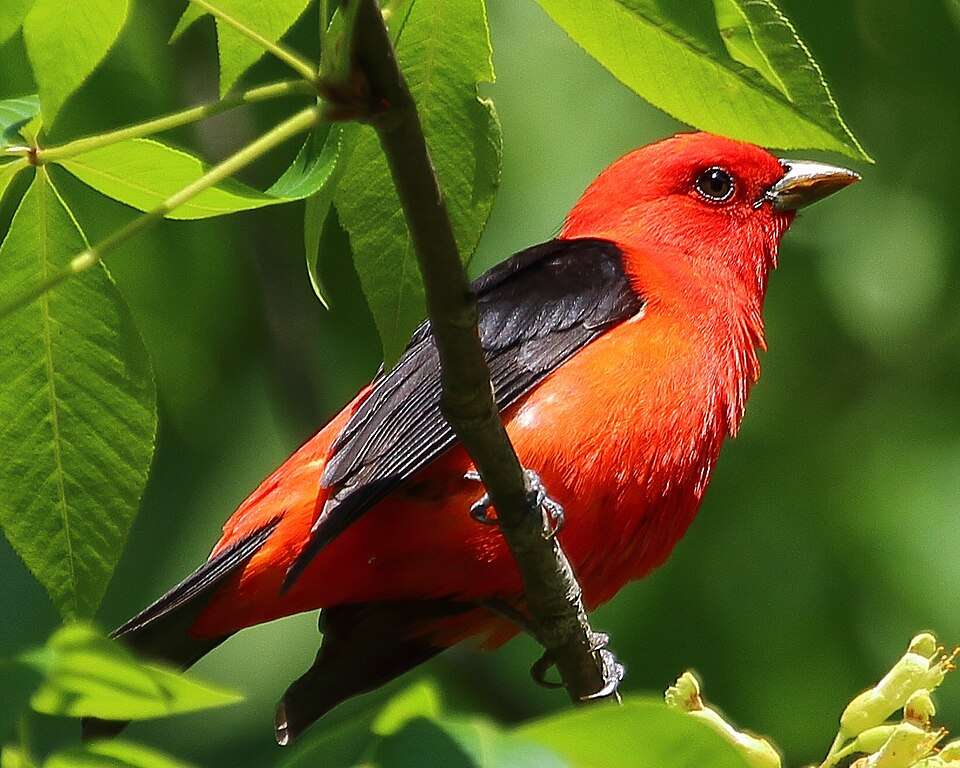
Furthermore, we favor birds with high color contrast or striking, well-defined patterns. The sharp black mask and white breast of a Black-capped Chickadee, or the vivid blue and black-and-white patterns of the Blue Jay, are visually arresting and easier for our brains to process and remember. Conversely, small, uniformly brown or gray birds (like some sparrows) tend to be overlooked precisely because their cryptic coloration, designed to hide them from predators, also hides them from us.
Body Shape and Ornamentation
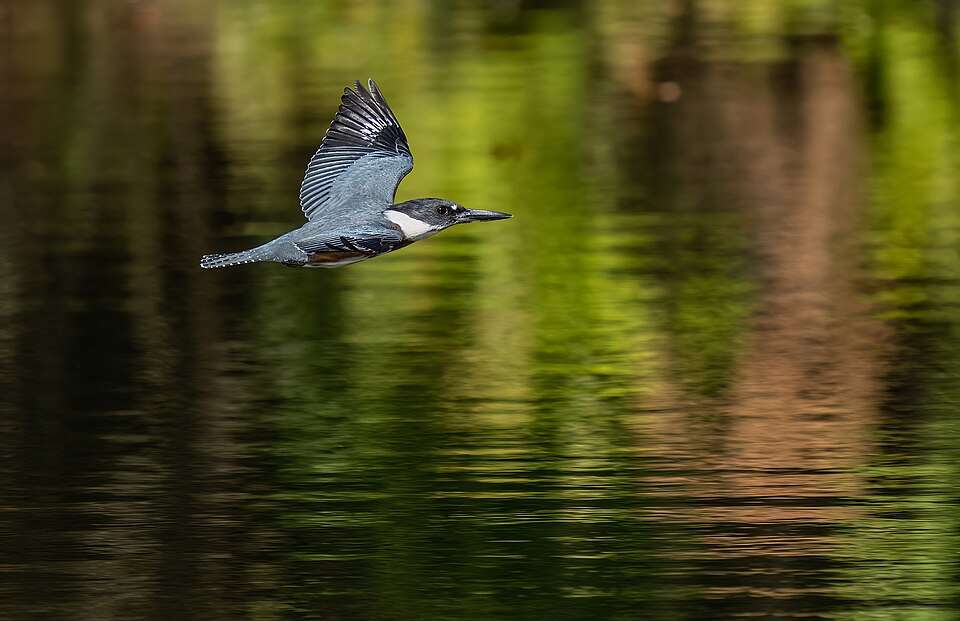
Beyond color, unique physical features influence our affection. We tend to favor birds with distinctive ornamentation or pleasing proportions. The elongated tail and crest of a Belted Kingfisher or the specialized bills of the American Flamingo make them visually distinctive. The streamlined, acrobatic form of a hummingbird, perpetually in motion, triggers a sense of wonder that plain silhouettes simply can't match.
2. Behavior: Intelligence, Interaction, and Personality
A bird’s behavior, particularly its perceived intelligence and willingness to interact with humans, heavily influences our attachment.
Curiosity and Boldness
We love birds that are visible and active around us. Species known for their curiosity and relative lack of fear become favorites because they provide opportunities for observation and even a sense of connection. The Black-capped Chickadee, with its bold, close-range foraging, and the intelligent, personable American Crow that seems to watch you, both score highly on this front. They give us the feeling of being acknowledged, creating a localized, personal interaction.

Perceived Intelligence and Tool Use
Birds known for their cognitive abilities—especially members of the Corvid family (crows, ravens, jays)—fascinate us. Their problem-solving skills, memory, and occasional tool use elevate them in our esteem, triggering a respect often reserved for mammals. However, this is a complicated affection; while we respect their intelligence, their bold scavenging behavior can sometimes lead to them being regarded as pests.
Accessibility and Habit
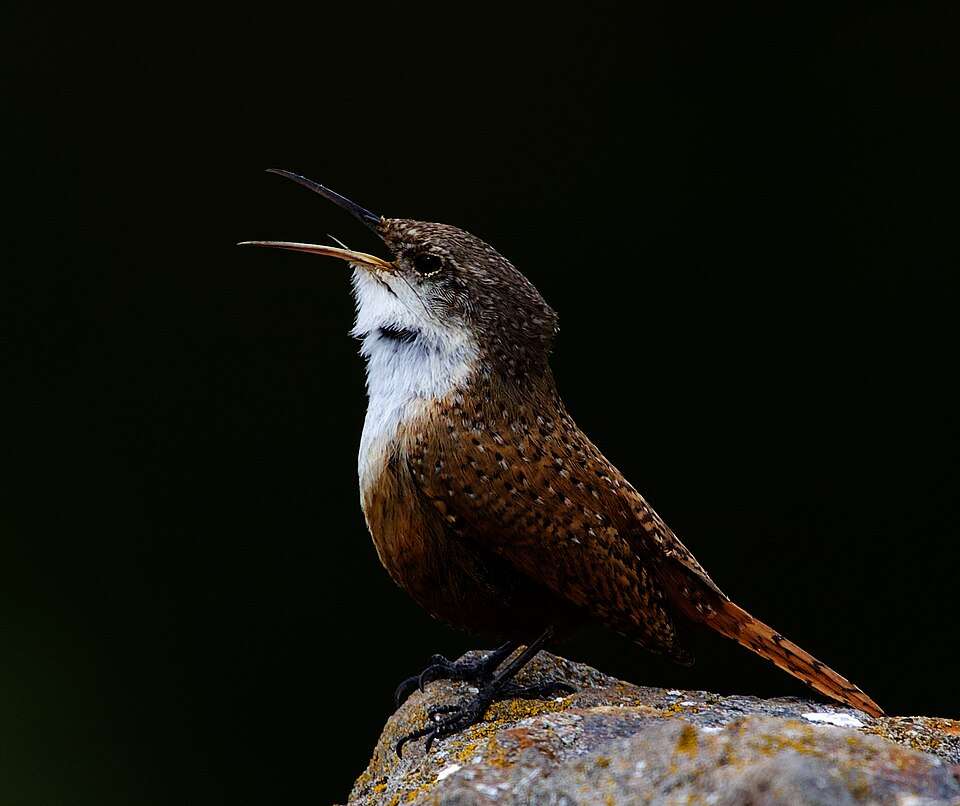
The birds we see most often in our daily lives become our favorites by default simply because they are available. The American Robin, the ultimate yard bird, is beloved not because it's the prettiest, but because its presence is predictable and signifies the changing seasons (especially spring). Wren species, known for building nests in unexpected nooks and crannies, become "house birds" we feel protective of.
3. Scarcity: The Allure of Rarity and Conservation Status
The value we assign to a bird often correlates inversely with its abundance. The principle of scarcity dictates that rare or difficult-to-see species are often highly prized.
The "Trophy" Bird
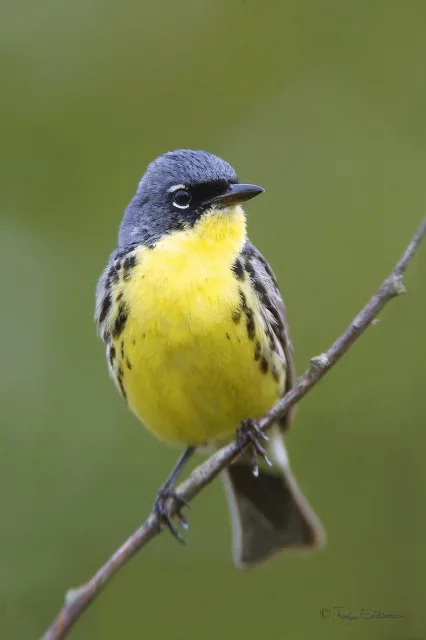
For dedicated birders, the most liked birds are often the rare vagrants or endangered species—the "trophy birds." Spotting an endangered California Condor or a difficult-to-find Kirtland's Warbler carries a deep satisfaction tied to effort and achievement. This appreciation is less about beauty and more about the bird's status, historical significance, and the challenge involved in seeing it.
Flagship Species and Conservation
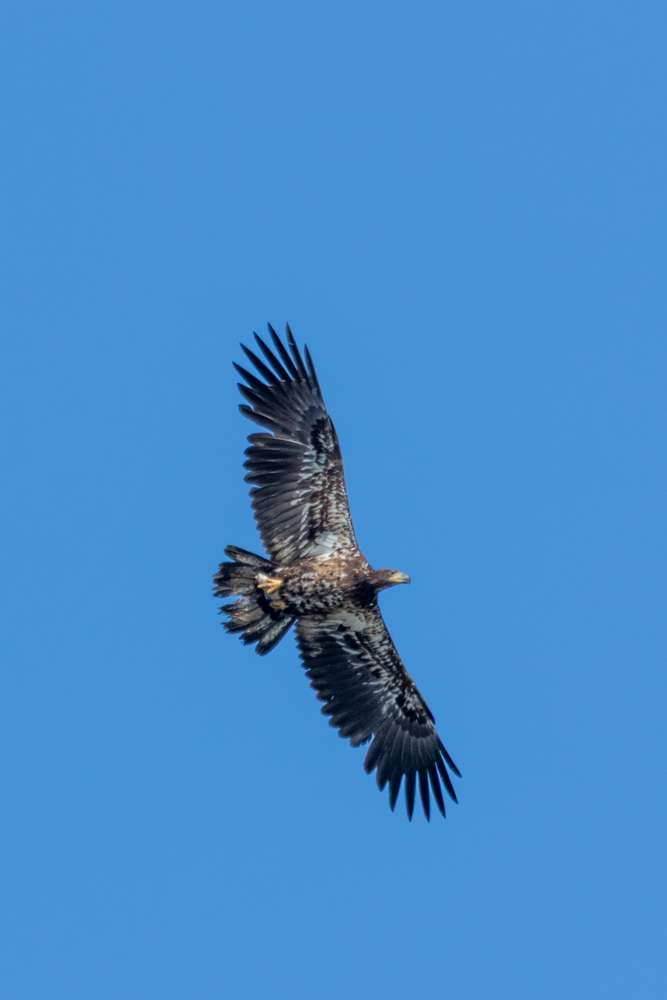
We also develop strong emotional attachments to flagship species—those rare birds that represent entire ecosystems or conservation movements. The Bald Eagle, once critically endangered and now thriving, is universally loved not just for its majestic appearance, but because it symbolizes successful conservation efforts and national identity. Loving these birds is a way of expressing our commitment to conservation.
4. Vocalization: The Soundtrack of the Bird World
While sight is paramount, the sounds birds make play a deep psychological role in our preferences.
Melody and Complexity
We are naturally drawn to complex, melodic songs over harsh or repetitive calls. The rich, varied repertoire of the Wood Thrush (often described as one of the most beautiful sounds in nature), the bubbly song of the House Wren, or the elaborate mimicry of the Northern Mockingbird are inherently pleasing to the human ear. These songs are often associated with peace, nature, and the tranquility of a summer morning, leading to positive emotional associations.

Repetition and Predictability
Birds whose calls are simple and predictable also become favorites because they are comforting markers of time and place. The persistent, happy-sounding 'fee-bee' of the Eastern Phoebe is easy to identify, making us feel more connected and successful in our birding efforts. We like the sound of a bird we can immediately name.
Conversely, birds with harsh, jarring calls (like certain gulls or the loud, scratchy sounds of the Common Grackle) are often disliked, regardless of their visual appeal, because their noise is perceived as irritating or disruptive.
5. Cultural and Historical Significance: Meaning Beyond the Feathers
Finally, our preference for certain species is heavily influenced by the cultural baggage and historical meaning we have attached to them.
Symbolic Value
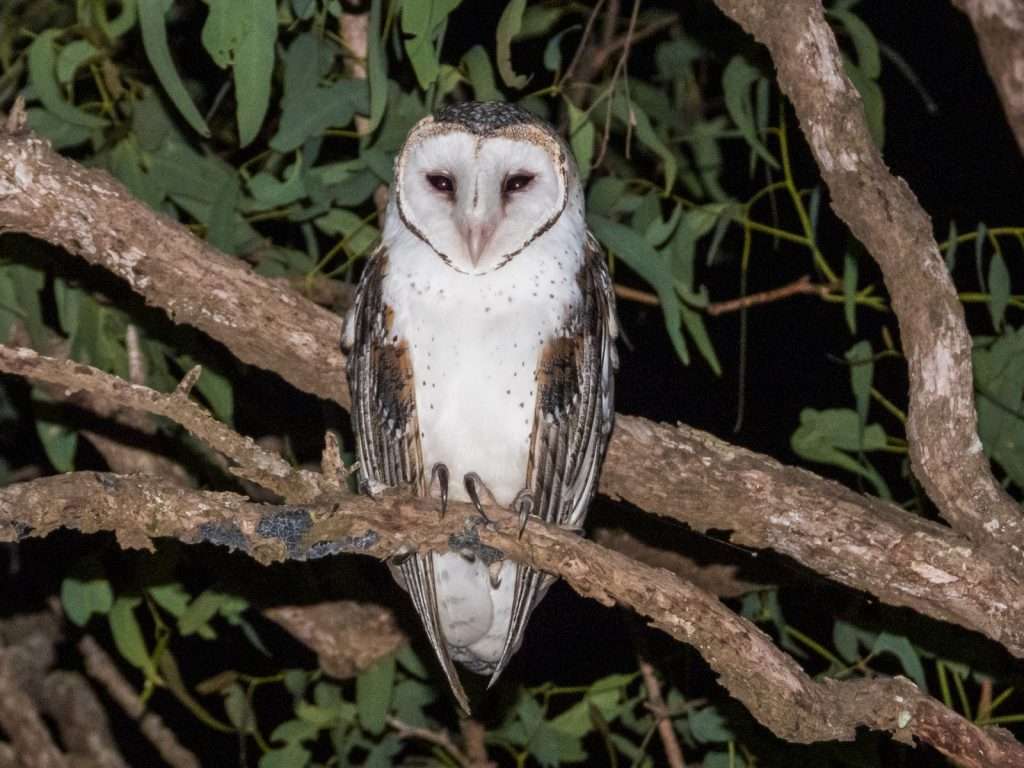
Many of our favorite birds hold powerful symbolic roles. The American Robin is the quintessential symbol of spring and rebirth; the Owl symbolizes wisdom and mystery; and the Dove represents peace. We like these birds because they carry centuries of positive meaning that transcends their physical attributes. When we see a dove, we are connecting with that powerful, universally recognized symbol of peace.
Association with Place
For many Americans, preference is regional. The California Quail is a favorite in the West because it’s distinctively tied to the chaparral landscape; the Mourning Dove is a beloved sound of the Midwest; and the Anhinga is a specialty of the Deep South. These birds become favorites because they represent home and identity.
Wrapping Up
Our emotional hierarchy of birds is a complex, multi-layered reflection of our own psychology. We are instinctively drawn to bright colors and pleasing sounds (Aesthetics and Vocalization). We appreciate the birds that interact with us and demonstrate intelligence (Behavior). We value the species that offer a challenge or represent a larger cause (Scarcity and Status). And finally, we cherish the birds that carry the weight of tradition and shared meaning (Cultural Significance).
Ultimately, the birds we like the most are those that give us the greatest psychological reward—whether that reward is the simple joy of a brilliant color flash, the satisfaction of a rare sighting, or the comforting melody of a familiar song. Our favorites aren't just birds; they are colorful, feathered mirrors reflecting what we value most in the natural world.
