

In the grand tapestry of nature, few phenomena are as awe-inspiring as bird migration. The sight of a V-formation of geese silhouetted against a setting sun or the quiet rustle of a songbird preparing for a journey of thousands of miles stirs a sense of wonder. But to an outside observer, this annual pilgrimage seems an act of sheer madness. Why would birds undertake journeys fraught with peril, expending immense amounts of energy and risking their very lives, when they could simply stay put? Surely it would be safer, less taxing, and a more logical choice to remain in one location?
The answer, however, is a fascinating and complex tale of evolution, survival, and the relentless pursuit of resources. Bird migration is not a choice, but a necessary strategy driven by the fundamental need to escape scarcity and exploit abundance.
The Core Driver: The Search for Food and Resources
The primary reason birds migrate is simple: to follow the food.
The seasonal changes on our planet create a feast-or-famine cycle that few animals can endure in a single location. In the temperate and Arctic regions of the Northern Hemisphere, spring and summer are times of immense biological productivity. As the snow melts and the sun's warmth returns, a sudden explosion of life occurs. Insects hatch in colossal numbers, plants flower and fruit, and new growth provides a banquet for herbivores. For birds, this is a time of unparalleled opportunity. Abundant food allows them to successfully raise their young, a process that requires a constant supply of high-energy sustenance to ensure the chicks grow quickly and healthily.
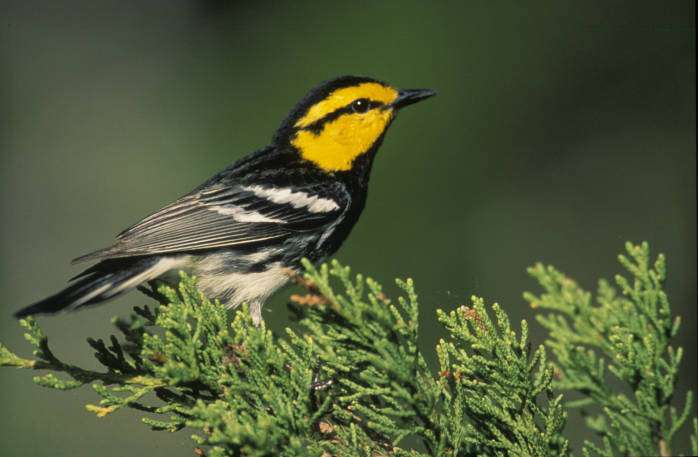
However, as the short, vibrant summer fades into autumn and the long, cold grip of winter begins, this abundance vanishes. The ground freezes, insect populations die off or hibernate, and many plants become dormant. A bird that remains in the Arctic year-round would face a landscape of scarcity, with little to no food to sustain itself through the freezing temperatures and short, dark days.
By migrating to warmer climates, often in the tropics or the Southern Hemisphere, these birds can access a new bounty of food. The Southern Hemisphere's summer and the equatorial regions' stable climate offer a continuous supply of insects, nectar, and other resources. In essence, birds are masters of following the sun, ensuring they are always in a place where the seasons provide a reliable larder.
The Evolutionary Advantage of Migration
While staying in one place might seem "safer," evolution has favored migration because the benefits often outweigh the risks. The high mortality rate of a non-migratory population in a harsh winter can be far greater than the losses incurred during a migratory journey. The birds that survive the flight are the ones that are strongest and healthiest, ensuring their genes are passed on to the next generation.
Moreover, migrating allows birds to avoid competition.
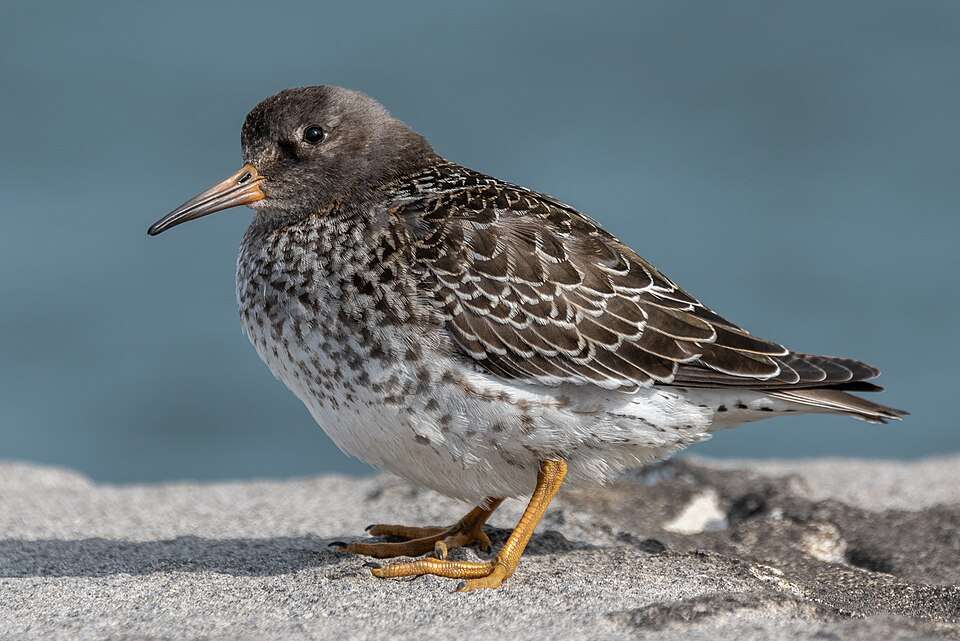
If all the species that breed in the north were to remain there, the limited resources during winter would lead to intense competition, with only a fraction of the population surviving. By spreading out across different continents and hemispheres, birds can reduce this pressure, ensuring that more individuals survive to breed again.
Migration also offers a refuge from predation. Many of the predators that prey on migratory birds are also tied to the seasons. By moving to new environments, birds can escape the peak hunting seasons of their northern predators, even as they face new ones.
The Role of Breeding and Nesting
Migration is also intrinsically linked to the reproductive cycle. The primary purpose of the summer stay in the north is not just to eat, but to breed. The long daylight hours of the northern summer are a crucial advantage. With more light, parents can spend more time foraging and feeding their young, allowing them to grow faster and fledge in a shorter amount of time. The auks of the Arctic, for example, have almost 24 hours of daylight to fish for their chicks, a luxury they would not have in the tropics.
By raising their young in these rich, predator-sparse northern climes, birds give their offspring the best possible start in life. But once the young have fledged and the food sources begin to dwindle, the imperative to move becomes strong. The birds must leave to find a place to rest, recover, and prepare for the next breeding season.

Beyond Food: The Other Drivers
While food is the main driver, other factors also play a role in the decision to migrate.
1. Climate and Thermoregulation
For many species, especially those with small bodies, staying in a freezing environment is metabolically impossible. The energy required to maintain body temperature in extreme cold would far exceed the available food. By migrating to a warmer climate, birds can minimize their energy expenditure and focus on rest and recovery.
2. Avoiding Parasites and Disease
By moving between different latitudes, birds can outrun some of the parasites and diseases that are endemic to specific regions. A parasite that thrives in the temperate north might be unable to survive the equatorial journey, and vice versa. This constant movement can act as a natural mechanism to keep certain parasitic populations in check.

3. Exploiting Different Habitats
Some birds are adapted to specific habitats that are only available seasonally. A shorebird, for example, might depend on the vast, mudflats exposed during the Northern summer but would need to find new feeding grounds when the tides and seasons change. Migration allows them to exploit the best of both worlds.
The Illusion of Safety: Why Staying Put Isn't an Option
While migration is dangerous, it's crucial to understand that staying in one place is often far more perilous for a migratory species. A non-migratory strategy would involve a massive die-off every winter, with only the hardiest individuals surviving. The gene pool would shrink, and the species would be far more vulnerable to a sudden, catastrophic event, such as a particularly severe winter or a localized disease outbreak.
Migration, in contrast, is a distributed risk strategy. While some birds will inevitably perish on the journey, the population as a whole is far more resilient. The survivors arrive in their new homes ready to breed, ensuring the continuation of the species.
Wrapping Up
The decision to migrate is a deeply ingrained instinct, honed by millions of years of evolution. It is a calculated risk, a high-stakes gamble that has paid off spectacularly for countless species. For birds, the perils of the journey are a worthwhile trade-off for the promise of abundant food, safe breeding grounds, and the continuation of their kind. They do not migrate because they are restless; they migrate because they must. For them, the great escape is not just a journey, but the very essence of survival.
Read about the birds that fly the longest distance when migrating.
The Ultimate Aviators: A Journey into the World's Longest Bird Migrations
