
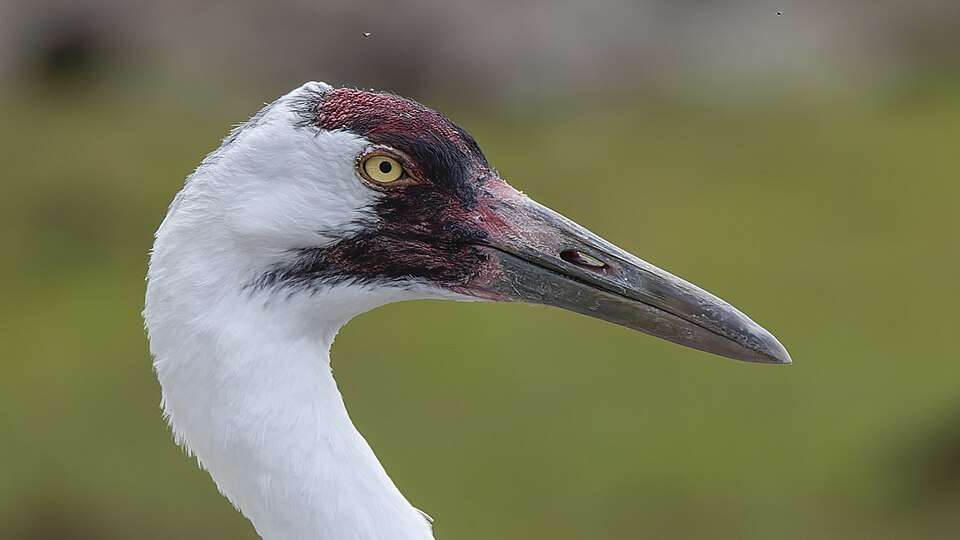
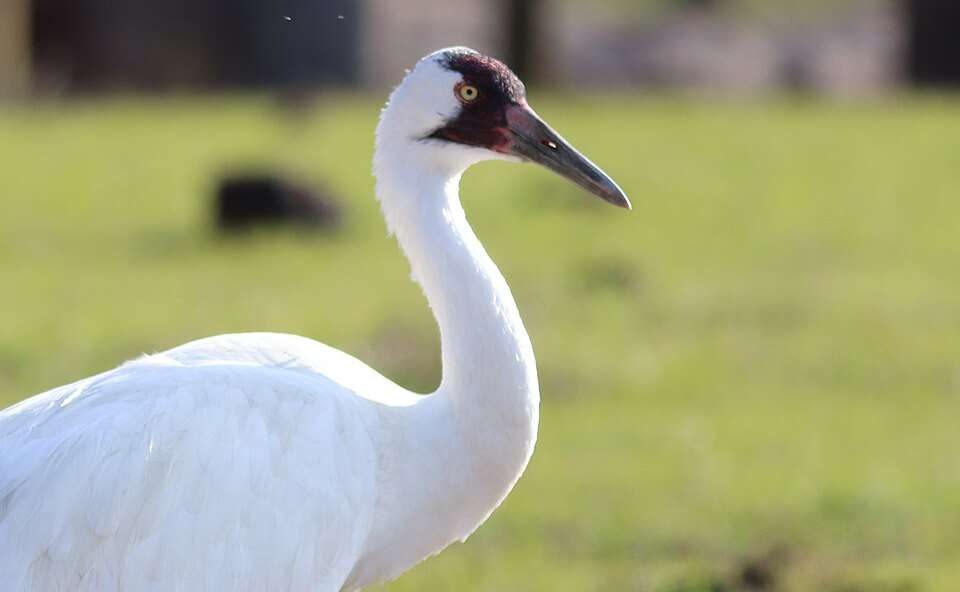
The majestic Whooping Crane, with its towering height and striking white plumage, stands as a powerful symbol of both conservation failure and triumph in the United States. Once a common sight across the vast North American landscape, this iconic bird was driven to the very brink of extinction by the early 20th century due to relentless hunting and catastrophic habitat loss.
In the face of this environmental tragedy, a monumental recovery effort was launched, an undertaking that has become one of the most compelling and enduring success stories in the history of the Endangered Species Act.
How Did We Get Here?
The story of the Whooping Crane's decline is a stark reminder of human impact. In the mid-19th century, an estimated 1,400 Whooping Cranes roamed the continent. However, as westward expansion accelerated, their crucial wetland habitats were drained and converted to farmland. Simultaneously, the birds' conspicuous size and beauty made them an easy target for hunters. By 1941, the global population had plummeted to a shocking 21 wild individuals and two in captivity. The future of this magnificent species seemed impossibly bleak.
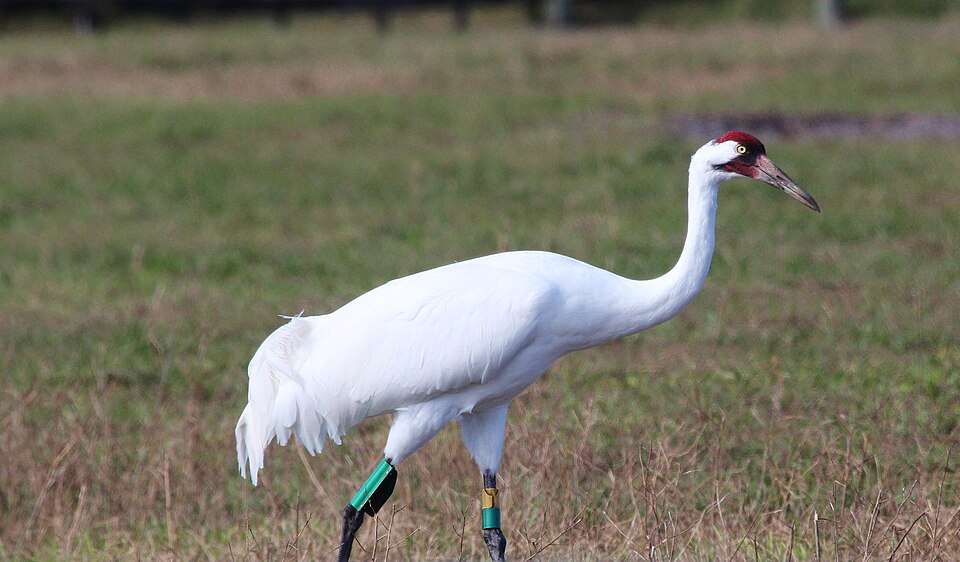
The turning point came with the establishment of the Aransas National Wildlife Refuge on the Texas coast in 1937, which protected the wintering grounds of the last remaining migratory flock. This critical step, combined with the passage of the Migratory Bird Treaty Act of 1918 and, later, the landmark Endangered Species Act of 1973, laid the legal and physical groundwork for recovery.
The Whooping Crane was among the first species to be included on the ESA list, a designation that brought much-needed legal protections and funding for recovery efforts.
The Original Flock: A Slow and Steady Climb
The original migratory population, known as the Aransas-Wood Buffalo Population (AWBP), breeds in Wood Buffalo National Park in Canada and winters on the Texas coast at and around the Aransas National Wildlife Refuge. For decades, this single, fragile population was the last hope for the species.
The initial recovery was slow and arduous. By the late 1960s, the population had only grown to about 50 individuals. This inherent slow rebound capacity is due to the Whooping Crane's biology—they don't reach sexual maturity until around four or five years of age and typically lay only two eggs, with only one chick usually surviving to fledge.
However, through sustained effort and protection, the AWBP has steadily grown. As of recent surveys, the population has surpassed the 550-individual mark, a monumental achievement considering their low point in the 1940s. This remarkable growth rate, averaging over 4% per year, has not only secured the flock's existence but has also led to an expansion of their wintering range. Recent reports have noted a record number of cranes wintering on the Texas coast, with an increasing number of birds venturing outside the traditional refuge boundaries, a clear sign of a healthy, expanding population.
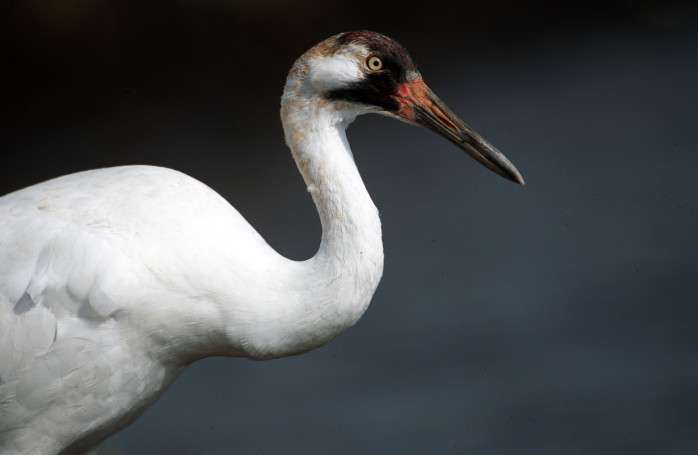
Reintroduction Programs: Building New Foundations
Recognizing the immense vulnerability of a single population to a catastrophic event like a hurricane or an oil spill, conservationists embarked on an ambitious plan to create additional, geographically separate flocks. These reintroduction efforts, while challenging and marked by both successes and setbacks, have been instrumental in diversifying the Whooping Crane's presence and bolstering its overall numbers.
The Eastern Migratory Population (EMP)
One of the most innovative and highly publicized reintroduction projects was the establishment of a migratory flock in the eastern United States. The Whooping Crane Eastern Partnership (WCEP), a collaboration of government agencies and conservation organizations, pioneered methods to teach captive-bred cranes a new migration route. Initially, this involved using ultralight aircraft to guide young cranes from a breeding ground in Wisconsin to a wintering ground in Florida. While this method was eventually phased out, it played a crucial role in establishing the flock and its migratory pathway.
The EMP has faced a unique set of challenges, including powerline collisions and illegal hunting along its migratory route through the heart of the Midwest and Southeast. The population has not yet reached a state of self-sustenance, meaning its numbers are still reliant on the continued introduction of captive-bred chicks. However, the program has had notable victories, including the first successful wild-hatched chicks in Wisconsin in a century.
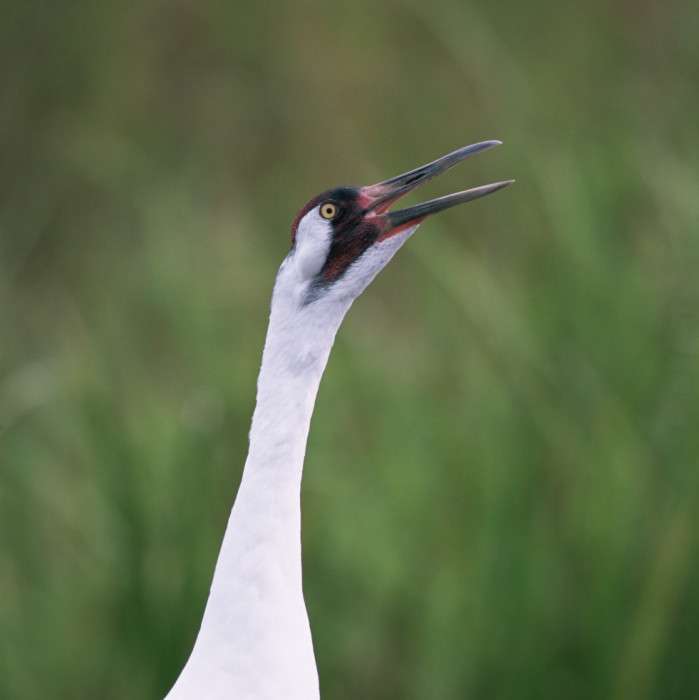
As of late 2024, the EMP numbers an estimated 70 individuals, with a small number of wild-hatched cranes successfully fledging and surviving migration. The ongoing efforts to address threats like shootings and powerline collisions, coupled with research into improving reproductive success, are vital for this population to continue its slow but steady growth.
The Louisiana Non-Migratory Population
A separate, non-migratory population has been re-established in Louisiana's White Lake Wetlands Conservation Area, a historic home for Whooping Cranes before their local extinction in the state in the mid-20th century. This effort, led by the Louisiana Department of Wildlife and Fisheries and its partners, focuses on building a self-sustaining flock that does not need to undertake the perilous journey of migration.
The Louisiana flock has shown promising signs of recovery. In 2024, the population saw a record number of wild-hatched chicks. The project has also received birds from an earlier, ultimately unsuccessful reintroduction effort in Florida, helping to augment the Louisiana flock's genetic diversity and numbers. The goal for this population is to reach a stable number of 120 individuals and 30 productive pairs without human intervention for a sustained period, a milestone that would allow for its reclassification from endangered to threatened.
Ongoing Challenges and Future Outlook
Despite the remarkable progress, the recovery of the Whooping Crane is far from complete. Significant challenges remain, reminding us that conservation is a continuous commitment.
- Habitat Protection: While the Whooping Cranes' core habitats are protected, their migration corridors and the areas surrounding their breeding and wintering grounds are still susceptible to human development, agricultural runoff, and the impacts of climate change.
- Human-Caused Mortality: Illegal shootings and collisions with powerlines continue to be a major threat, particularly for the reintroduced migratory populations. Education and outreach programs aimed at hunters and the public are crucial to mitigate this risk.
- Genetic Diversity: All Whooping Cranes alive today are descended from the small group that survived in the 1940s. This genetic bottleneck means that the species has a limited gene pool, which could increase its susceptibility to disease. Captive breeding programs work tirelessly to maintain genetic diversity within the managed population.
- Low Productivity: Even in the wild, the Whooping Crane's reproductive success can be low, with a high rate of embryo mortality. Ongoing research is focused on understanding and addressing these reproductive challenges to boost the number of chicks that survive to adulthood.
Wrapping Up
The recovery of the Whooping Crane is a testament to the power of dedicated conservation. It's a story of scientists, government agencies, and private citizens coming together to save a species from the brink. From a mere handful of birds to a total population now exceeding 800 individuals across multiple flocks, the Whooping Crane's progress is a source of hope and a powerful reminder that with sustained effort, we can turn the tide on even the most dire conservation challenges. The road ahead is long, but the resilient giant of the North American wetlands is taking flight toward a more secure future.
Read about how cranes and herons are similar.
