
If blue is an illusion and red is a diet, white is the ultimate "blank canvas." But in the bird world, white isn't just the absence of color—it is a sophisticated structural feat that involves reflecting every single wavelength of light back at the viewer.
While we often think of white as "plain," for a bird, maintaining a coat of pristine white feathers is one of the most difficult jobs in nature.
The Science: Total Reflection
White feathers are unique because they contain no pigments whatsoever. No melanin, no carotenoids, nothing.
The "color" white is created by the physical structure of the feather’s keratin. Within the barbs of the feather, there are millions of microscopic air spaces. When light hits these air pockets, it bounces around and scatters in every direction. Because all the colors of the visible spectrum are reflected equally, our eyes perceive the result as brilliant, snowy white.
The Strength Trade-off

As we learned with black feathers, melanin makes feathers physically tougher. Since white feathers lack melanin, they are actually the weakest feathers a bird can grow.
Faster Wear: White feathers fray and break much more easily than dark ones.
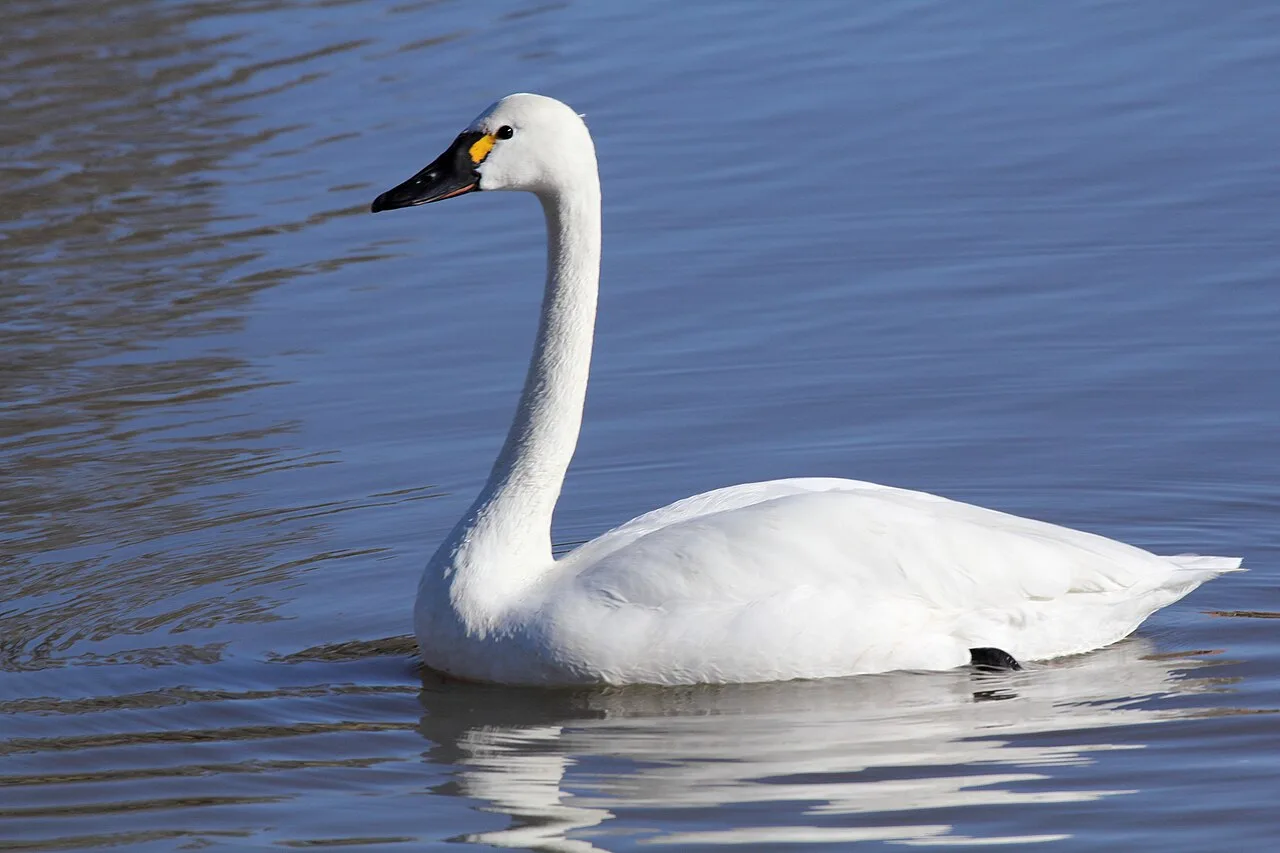
The "Wingtips" Solution: This is why you see so many white birds—like Gulls, Tundra Swans, and Snow Geese—with black wingtips. They keep the "cheap" white feathers on their body for insulation and display, but use "reinforced" black feathers for the heavy lifting of flight.
Why Be White?
Evolutionary speaking, being white is a high-risk, high-reward strategy.
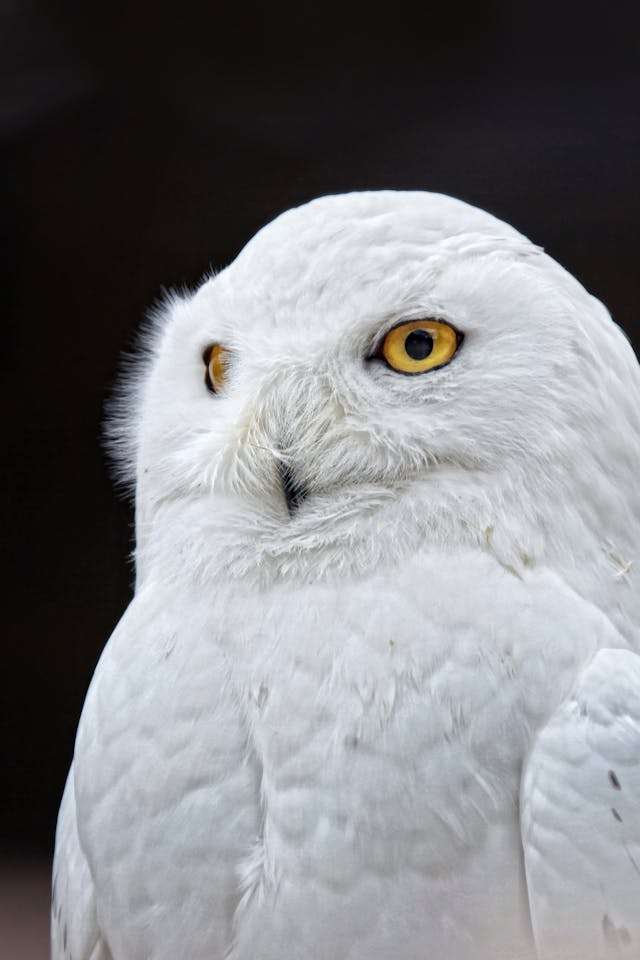
Camouflage: In snowy environments (like the Arctic), being white is a survival necessity. It allows predators like the Snowy Owl to sneak up on prey and helps prey like the Ptarmigan hide from foxes.
Signaling Purity: Because white feathers show dirt, parasites, and wear and tear instantly, a bird with perfectly clean, white plumage is sending a message: "I am so healthy and good at preening that I can keep this high-maintenance suit spotless."
Thermoregulation: White feathers reflect sunlight, helping birds in hot, tropical environments stay cool by preventing the sun's heat from reaching their skin.
Can Birds See "Extra" White?
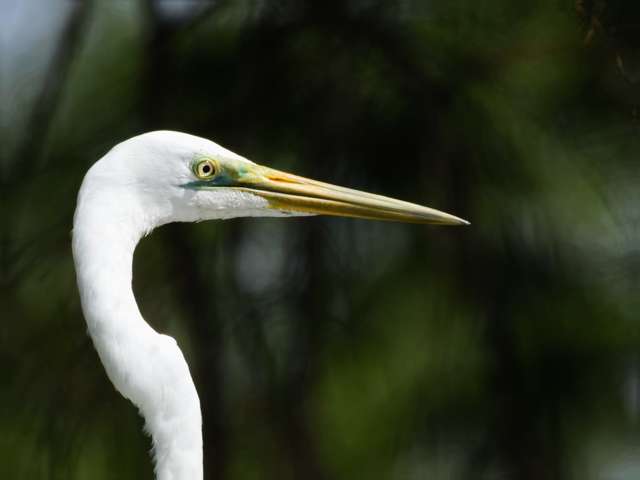
Humans see a white Egret and think it looks bright. However, to a bird with Ultraviolet (UV) vision, white feathers can be blinding. Many white feathers reflect massive amounts of UV light, making them look like glowing beacons against a green or brown landscape. To a bird, "white" isn't just one color—it can have different "UV signatures" that help them distinguish between species.
Does Skin Color Affect the Shade?
Just like our other examples: No.
The scattering of light happens within the top layers of the feather's keratin. The skin underneath could be jet black (like a Polar Bear's skin under its white fur) or bright pink, and the feathers would still look perfectly white. Interestingly, many white birds actually have dark skin to protect them from UV radiation, since their feathers don't have melanin to block the sun.
American Icons of White
North America features some of the most majestic white-plumaged birds in the world:
| Bird | Aesthetic | Where to Find Them |
| Great Egret | Elegant and "bridal" | Wetlands and marshes nationwide |
| Snowy Owl | Ghostly with black "barring" | Open fields and coasts (Winter) |
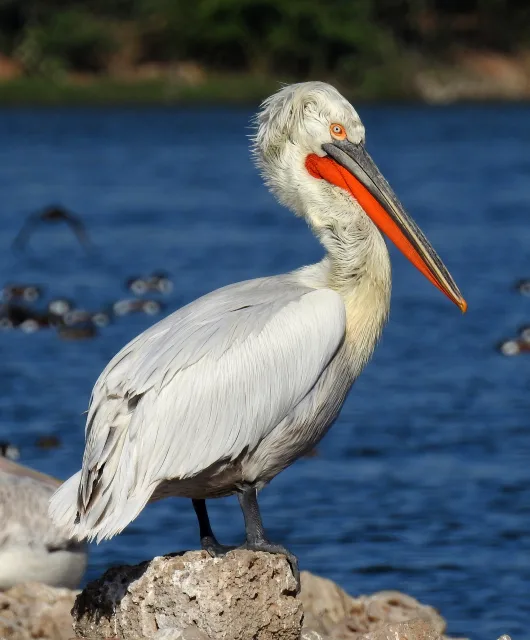
| American White Pelican | Massive and snowy | Large lakes and coastal bays |
| Tundra Swan | Pure, brilliant white | Northern lakes and coastal estuaries |
The Cost of Cleanliness
Because white feathers lack the chemical protection of melanin, white birds have to spend significantly more time preening. They apply oils from their uropygial gland (near the base of the tail) to coat the feathers, which helps waterproof them and provides a tiny bit of protection against the bacteria that would otherwise eat through the fragile, unpigmented keratin.
