

This is a fascinating question that delves into the principles of camouflage, thermoregulation, and hunting strategy specific to different environments. The premise, however, needs a slight refinement: most seabirds are not pure white, but many are a combination of dark tops and light undersides, a pattern called countershading, with some notable exceptions being nearly all white. Furthermore, there are some land birds that are predominantly white, particularly those adapted to snowy environments.
The true core of the question is why is the countershading of seabirds typically black and white, and why do many seabirds evolve to be almost entirely white, a coloration rarely seen in land birds outside of the Arctic?
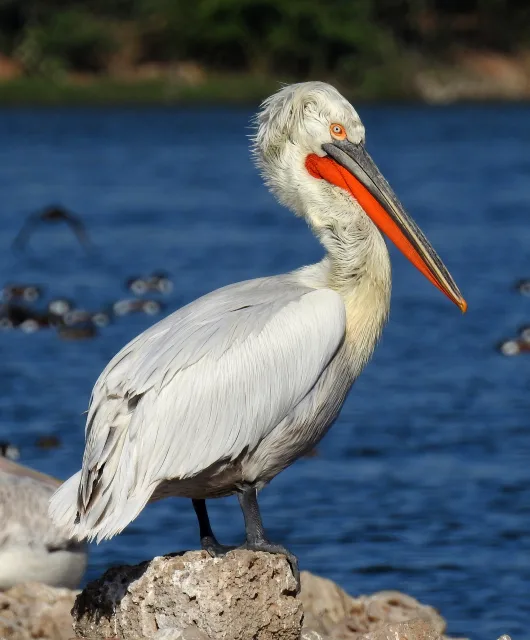
The sight of a gull or a pelican soaring against a brilliant blue sky is one of nature’s most iconic coastal scenes. Their light coloration, often pure white or a stark black-and-white pattern, seems a curious evolutionary choice until you consider the unique challenges of life at sea. For most land birds, white plumage is a liability, but for seabirds, it is an essential survival tool, optimizing their ability to hunt, regulate temperature, and avoid predators in the world's most uniform habitat: the open ocean.
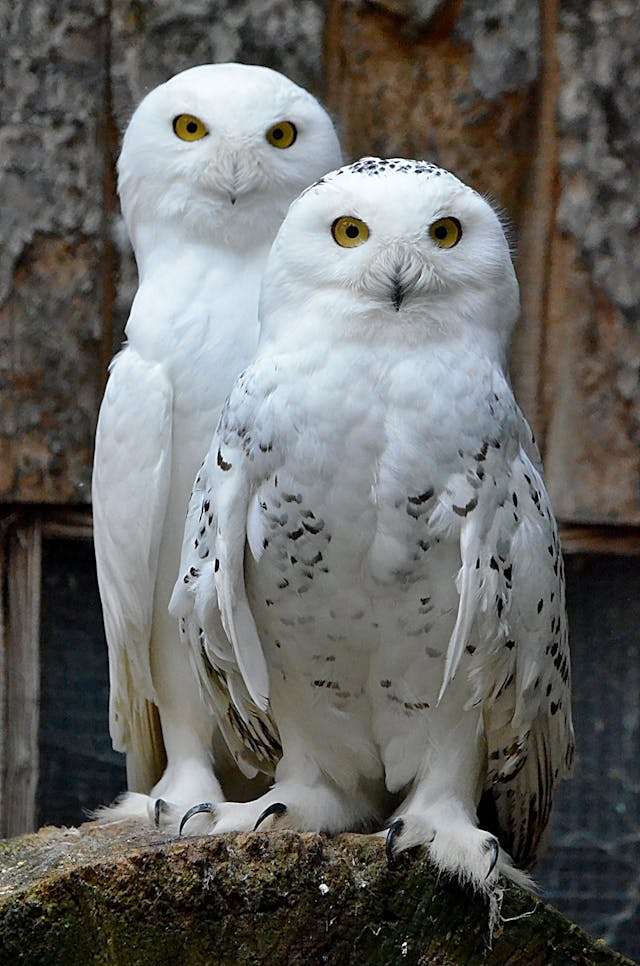
The claim that no land birds are white is technically incorrect—birds like the Snowy Owl (though a raptor) or the Rock Ptarmigan are stark white during winter months—but this whiteness is a seasonal adaptation to a white, snowy landscape, and the birds are geographically constrained to northern latitudes. The majority of land birds in temperate and tropical climates are a diverse palette of browns, greens, reds, and yellows. The question, therefore, rests on why the permanent, non-snow-dependent white and black-and-white coloration is so prevalent among oceanic species like gulls, terns, and boobies, and virtually absent in non-Arctic land birds.
The Power of Countershading: The Sea's Camouflage Standard
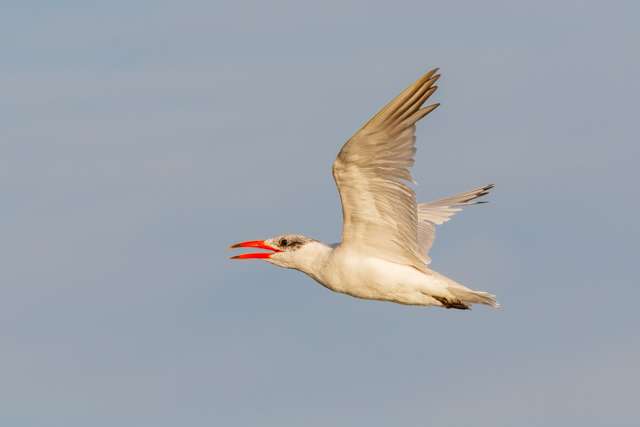
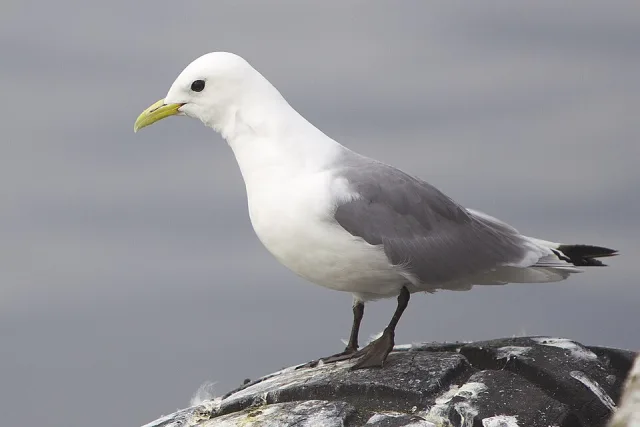
The most common coloration among many seabirds, such as the ubiquitous gulls and terns (members of the family Laridae), is countershading—a dark back and a light, often white, belly. This is a common form of camouflage across the animal kingdom, but its function is amplified in the open ocean:
1. Camouflage from Above (The Dark Back)
When a predator (like a larger seabird, raptor, or even a shark) looks down on a seabird from the air, the dark grey or black plumage on the bird’s back blends seamlessly with the dark blue or grey water below. This helps the bird disappear against the background of the sea's surface, particularly in deep, open water.
2. Camouflage from Below (The White Belly)
The more critical camouflage, however, is the white underside. When a fish or other prey animal looks up at a seabird silhouetted against the sky, the white plumage minimizes the contrast. The white underside helps the bird blend into the bright, often silvery reflection of the ocean surface and the glare of the sky above. A dark underside would create a distinct, easily recognizable silhouette, instantly giving away the bird's position. This strategic use of light is paramount for surprise attacks during fishing dives.
The Evolutionary Advantage of Pure White: Fishing in Sunlight
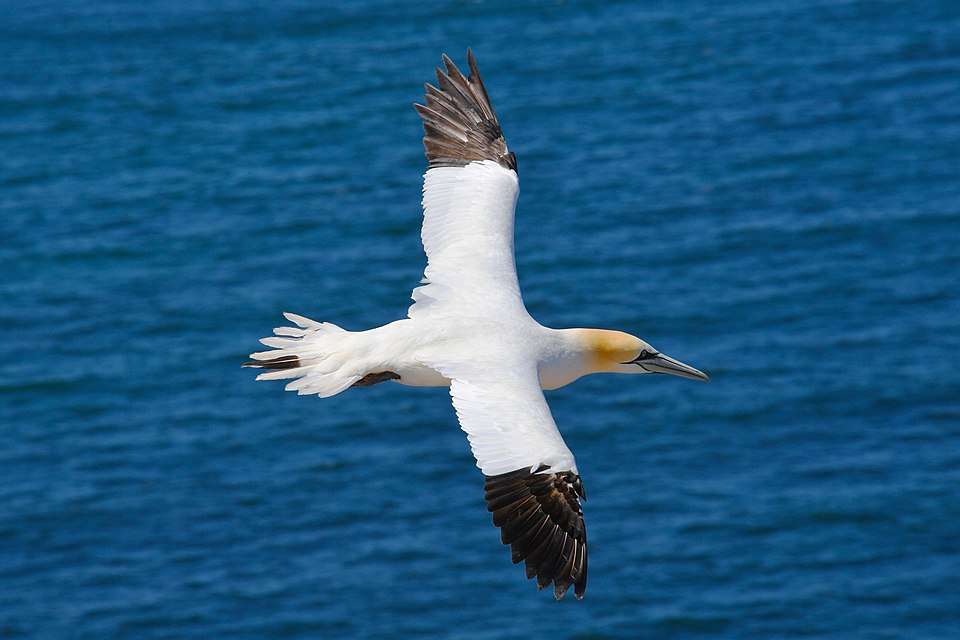
While countershading is effective, some seabirds, like many gulls (Larinae), boobies (Sulidae), and pelicans (Pelecanidae), take the white coloration to the extreme. The evolutionary pressures that select for maximal whiteness are unique to the marine environment:
1. The Glare Factor and Hunting Efficiency
For seabirds that plunge-dive or hunt just below the surface, such as terns and gannets, the ability to hide their presence until the last moment is critical. The ocean surface is a highly reflective environment, especially under the midday sun. Pure white feathers are the best color to minimize a shadow and eliminate a dark silhouette when viewed from below. The white color mimics the bright, high-intensity light filtering down through the water column, making the bird virtually undetectable until it's too late for the fish to escape.
2. Thermoregulation in a Sunny, Treeless World
Unlike land birds, which can easily perch in the shade of a tree or a cliff face, most oceanic seabirds spend extended periods soaring in direct, intense sunlight over water with no shade. Dark colors absorb heat; white colors reflect solar radiation. Having mostly white plumage is a highly effective, built-in air conditioner.
If a seabird were primarily black, it would overheat rapidly, expending valuable energy to cool down. By reflecting the sun’s energy, the white plumage minimizes heat gain, allowing the bird to spend more time hunting over sun-drenched waters without overheating. This need for reflection is far less critical for land birds, which have ready access to shade in forests, tall grasses, or canyons.
3. Longevity and Maintenance of White Feathers
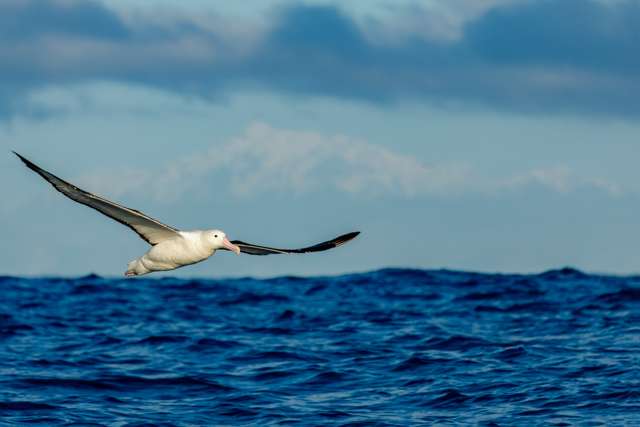
An often-cited reason for black coloration in certain seabirds (like albatrosses and petrels) is that melanin, the pigment that creates black and brown colors, makes feathers structurally stronger and more resistant to wear and tear. Since seabirds are constantly buffeted by wind and water, their wingtips—the areas under the most stress—are often black.
However, the white portions of their plumage—the body, head, and coverts—are less exposed to the extreme forces of flight and water friction. The tradeoff between the strength of melanin and the heat-reflective properties of white feathers is optimized: black flight feathers for durability, white body feathers for coolness and camouflage.
Why Land Birds Reject White (The Non-Arctic Case)
For land birds in non-snowy environments, pure white plumage is an evolutionary disadvantage for several key reasons, demonstrating the stark contrast in ecological needs:
1. Camouflage in Complex Habitats
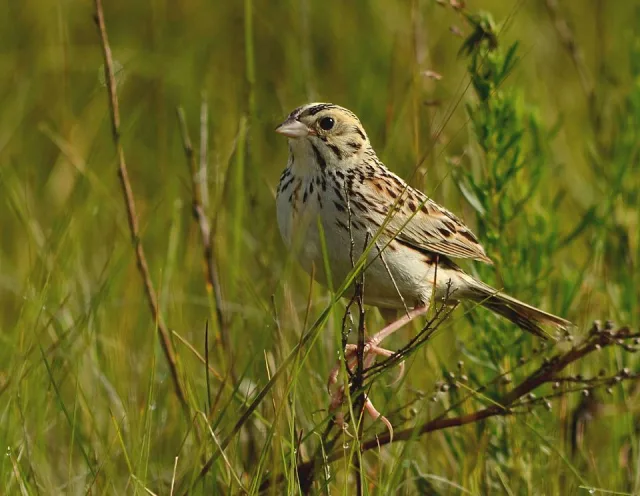
Land environments—forests, grasslands, and deserts—are defined by heterogeneous backgrounds (multiple colors, textures, and shadows). A white bird would be a blindingly obvious target against the dark greens of a forest canopy, the browns of a desert scrub, or the variegated shades of a meadow.
Land birds rely on cryptic coloration—complex patterns of greens, browns, and streaking that match bark, leaves, or soil. White plumage would break this essential camouflage, making them easy targets for terrestrial predators like cats, snakes, foxes, and raptors.
2. The Absence of the "Bright Backdrop"
Land birds are not viewed from below against a bright, reflective sky and water surface. Instead, they are typically viewed against the dark ground or the darker shadows of vegetation. In this context, white makes them stand out, the exact opposite of the countershading principle. A land bird needs to blend into the shadow and clutter.
3. Foraging Strategy
Most land birds are perch-and-pounce hunters or gleaners (picking insects off foliage). Their survival relies on being unseen while they hunt. A flash of white would alert insects, small rodents, or other prey, significantly lowering hunting success. The exceptions are often birds that use bright colors for display (cardinals) or those that live high in the canopy where light patterns are complex (parrots).

4. The Cost of Maintenance
White feathers are notorious for showing dirt and grime, a significant problem in dusty, muddy, or vegetation-heavy land environments. Maintaining clean white feathers requires more effort and grooming time (preening), taking away time and energy that could be spent foraging or watching for predators. Seabirds, constantly washed by saltwater, maintain their white feathers with less effort.
Wrapping Up
The difference in coloration is a powerful lesson in natural selection tailored by habitat. Seabirds are white not by chance, but by the relentless evolutionary pressures of a monochromatic, sun-drenched, and highly reflective environment. White plumage allows them to disappear against the sky when hunting, and prevents them from baking under the unyielding sun.
Land birds, in contrast, are shaped by the need for concealment in a world of shadows, foliage, and earth tones. While the Snowy Owl and Ptarmigan prove that white is the ultimate camouflage in a snowy landscape, the permanent black-and-white of the gull is the ultimate survival gear for a life spent soaring over the waves, where the sky is bright, and the ocean is both dinner and death. The white wings over the ocean are a brilliant solution to a unique set of ecological problems.

