
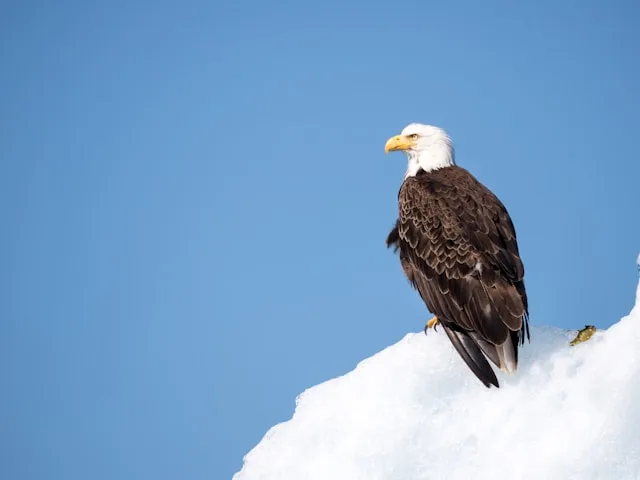
The onset of winter, with its icy grip and blankets of snow across the northern United States, transforms the landscape into a challenging yet spectacular stage for one of the country's most awe-inspiring wildlife events: the mass congregation of Bald Eagles (Haliaeetus leucocephalus). As northern lakes and rivers freeze over, denying the eagles access to their primary food source—fish—hundreds, and often thousands, of these majestic raptors undertake a southward migration. This necessity for survival creates unparalleled winter viewing opportunities across the Lower 48 states, drawing birders and nature enthusiasts to vital open-water and feeding sites.
The recovery of the Bald Eagle population is a tremendous conservation success story. Once perilously close to extinction, the population has rebounded dramatically, with estimates now surpassing 316,000 individuals in the contiguous United States. This surge in numbers means that winter eagle watching is more accessible and reliable than ever before. To spot these magnificent birds, one must simply follow the flow of open water and the reliable presence of food.
The Migration Mandate: Why Eagles Gather in Winter
Eagle migration is not a journey to warmer climates, but rather a strategic movement in search of open water and reliable food sources. Northern Bald Eagles, including those from Canada and Alaska, move south to the nearest large bodies of water that remain unfrozen due to currents, dam operations, or thermal influences.

Their wintering behavior is distinctly different from their solitary or paired nesting habits. In winter, eagles are gregarious, forming communal feeding and nighttime roosting sites.
- Feeding Concentration: The majority of large concentrations are found along major river systems—particularly the Mississippi River and its tributaries—below dams and hydroelectric plants where churning water remains ice-free, providing continuous access to stunned or dead fish.
- Communal Roosts: At night, hundreds of eagles often gather in large, undisturbed tracts of trees near their feeding areas. These communal roosts offer protection from the elements and potential predators, and are usually located in tall trees, providing a commanding view of the area.
Peak viewing season typically runs from December through February, when northern waters are most frozen and the wintering populations reach their maximum numbers.
The Prime Viewing Hotspots: A Cross-Country Guide
Winter eagle watching is possible in nearly every state, but certain locations are legendary for their concentrations:
The Heartland Flyway: The Mighty Mississippi River
The Upper Mississippi River Valley is arguably the most famous winter eagle corridor in the U.S., drawing a massive influx of raptors from the Great Lakes region and Canada.
- Illinois, Iowa, and Wisconsin: The river pools below the network of locks and dams are crucial, providing the necessary open water.
- Starved Rock State Park, Illinois: Along the Illinois River, Starved Rock and the nearby Plum Island Eagle Sanctuary see huge numbers of eagles perched on trees overlooking the river, with peak numbers often in January. The state hosts popular Eagle Watch Weekends with guided tours.
- The Quad Cities (Illinois/Iowa): Below Lock and Dam 18 in Gladstone, IL, and near the Quad Cities, the large expanse of unfrozen water offers reliable viewing.
- Cassville, Wisconsin: Sites near Lock and Dam 10 offer excellent vantage points from bluffs overlooking the river.
The Western Gathering: Pacific Flyway Concentrations
The Western U.S. provides several world-class viewing destinations, primarily tied to the health of salmon and waterfowl populations.
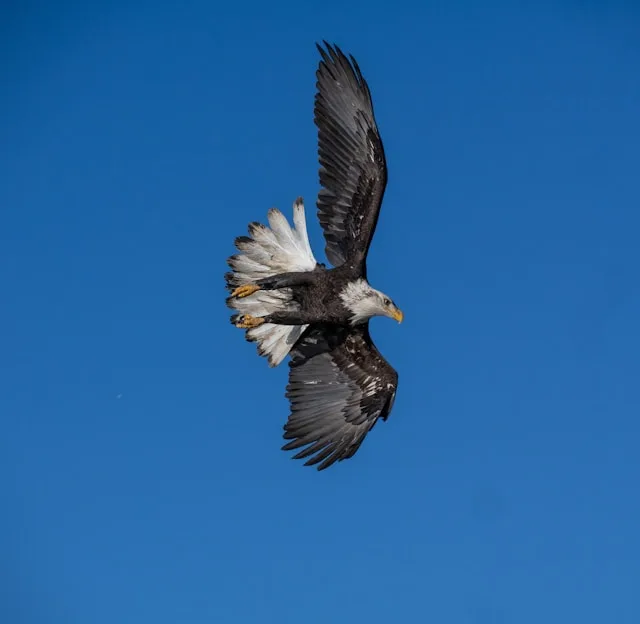
- Klamath Basin (California/Oregon): This refuge complex, including the Lower Klamath and Tule Lake National Wildlife Refuges, hosts the largest winter concentration of Bald Eagles in the Lower 48 states, with numbers sometimes exceeding 1,000 birds. The eagles are drawn by the abundant wintering waterfowl and available prey, and are easily seen from auto tour routes.
- Skagit River, Washington: Hundreds of eagles congregate here in late December and early January to feast on the carcasses of spawned-out salmon along the riverbanks, offering an intensely active feeding spectacle.
The Mid-Atlantic and Northeast
Even in the Northeast, the recovery of the eagle population has made winter viewing a tradition.
- Upper Delaware River (New York/Pennsylvania): When upstream reservoirs freeze, the eagles concentrate along the open water of the Delaware River. The Delaware Highlands Conservancy provides designated viewing areas and maps for the best spots, with concentrations peaking in January and February.
- Chesapeake Bay and Potomac River: While many eagles are year-round residents, the Chesapeake Bay and rivers like the Potomac see an increase in wintering birds from the north. Blackwater National Wildlife Refuge in Maryland is a reliable year-round spot, which is bolstered by the winter influx.

Bald Eagle
Southern and Western Interior Refuges
Lakes and reservoirs across the southern and central plains also attract wintering flocks.
- Missouri: Areas along the Missouri River and refuges like Squaw Creek National Wildlife Refuge are key mid-continent stops, drawing birds in November and December.
- Colorado: Reservoirs near Denver, such as at the Rocky Mountain Arsenal National Wildlife Refuge, provide essential open water for wintering birds, many arriving from Idaho and Montana.
Eagle Watching Etiquette and Tips
Observing these apex predators is a privilege that comes with the responsibility of minimizing disturbance.
The Golden Rules of Eagle Etiquette:
- Maintain Distance: Eagles are sensitive to human presence, especially at their communal roosts. Use binoculars or a spotting scope to observe them from a safe distance (generally 100-200 yards). Never approach a perching or feeding eagle.
- Stay Silent and Still: Sudden movements, loud noises, or quickly exiting a vehicle can cause eagles to fly away, wasting crucial energy reserves. Stay inside your vehicle, which often acts as an excellent, non-threatening viewing blind.
- Do Not Feed: Never attempt to feed eagles. This habituates them to humans and can expose them to danger.
- Respect Roosts: If you find a communal nighttime roost, leave the area immediately and quietly. Roosts are critical for their survival and should never be approached or disturbed.
Best Viewing Times and Gear:
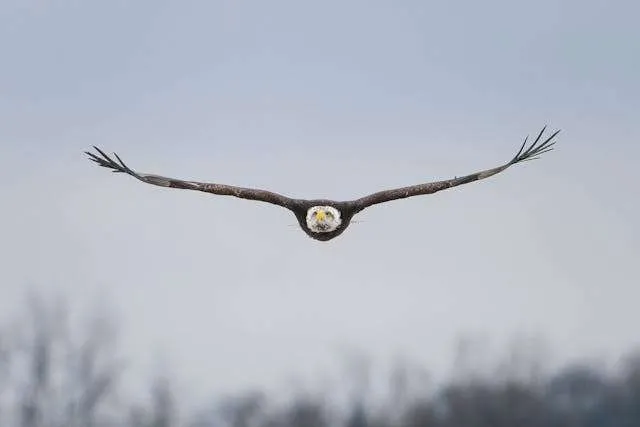
- Time of Day: The best viewing is usually early morning (shortly after sunrise) and late afternoon (the hour before sunset). This is when the eagles are most active, leaving their roosts to hunt or returning for the night. Midday is often spent perched, digesting, or simply waiting.
- Essential Gear:
- Optics: High-powered binoculars (10x42 or 12x50) are essential, but a spotting scope mounted on a tripod is invaluable for close, detailed observation from a distance.
- Warm Clothing: Dress in layers, as winter riverbanks can be bitterly cold.
- Camera: A camera with a telephoto lens can capture the majesty without disturbing the birds.
The winter migration of the Bald Eagle is a powerful testament to the resilience of this iconic species. By knowing where to look and observing responsibly, birders across the United States can witness this magnificent, annual spectacle, connecting with one of the great wildlife triumphs of modern conservation.
Hawks in South Carolina: 6 Magnificent Predators To Seek Out
