
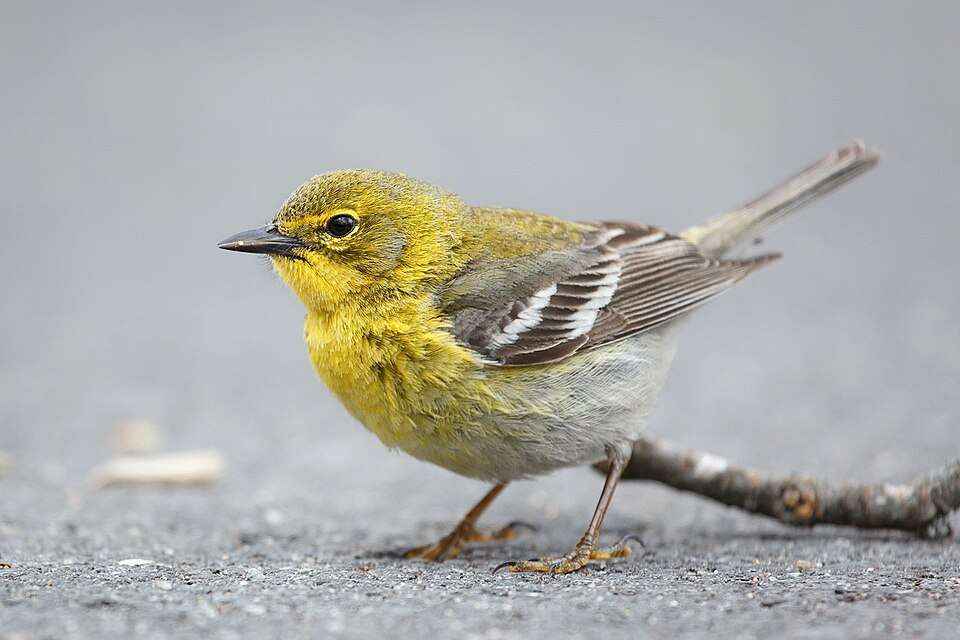
Passerines, also known as perching birds or songbirds, are a large and incredibly diverse order of birds, Passeriformes, that make up more than half of all avian species on Earth.
The name comes from the Latin word passer, meaning sparrow, a common and well-known example of this group. What unites these birds is a specific anatomical feature: their feet. They possess four toes, three pointing forward and one pointing backward, that allow them to grasp branches and other perches with great agility. This unique toe arrangement, known as an anisodactyl foot, gives them the ability to "perch" effortlessly, which is a defining characteristic of the order.
While their perching ability is a key feature, the group is also widely recognized for its vocal abilities. Many passerines have a complex syrinx, or voice box, which enables them to produce the intricate and beautiful songs that we associate with birds.

Key Characteristics of Passerines
Beyond their perching feet, passerines share several other key characteristics that distinguish them from other birds.
- Vocalizations: Many passerines are known as "songbirds" for a reason. They have a highly developed syrinx that allows for a wide range of calls and songs. The complexity of these vocalizations varies greatly, from the simple calls of a crow to the melodious tunes of a nightingale. These songs are vital for communication, including attracting mates and defending territory.
- Nesting and Young: Passerines are altricial, meaning their young are born helpless, blind, and often featherless. They require extensive parental care, with both parents typically involved in feeding and protecting them until they are ready to fledge. Passerine nests are often complex and well-constructed, ranging from cup-shaped nests in trees to woven hanging nests.
- Size and Shape: While passerines are a large group, they are generally small to medium-sized birds. The smallest passerine is the Kinglet, while the largest are the Corvids (crows and ravens). They exhibit a wide variety of beak shapes and sizes, which are adapted to their specific diets, whether they eat seeds, insects, nectar, or fruit.
- Global Distribution: Passerines are found on every continent except Antarctica. Their adaptability has allowed them to thrive in virtually every terrestrial habitat, from dense rainforests to arid deserts and bustling urban environments.
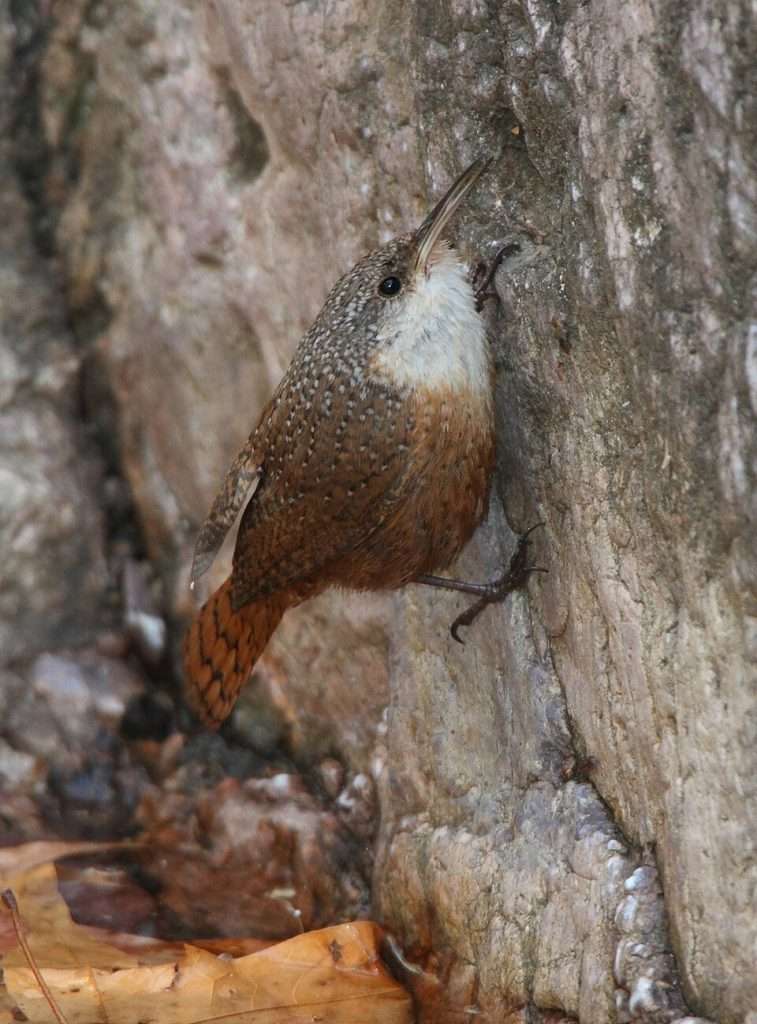
Passerine Suborders and Families
The order Passeriformes is broken down into three main suborders.
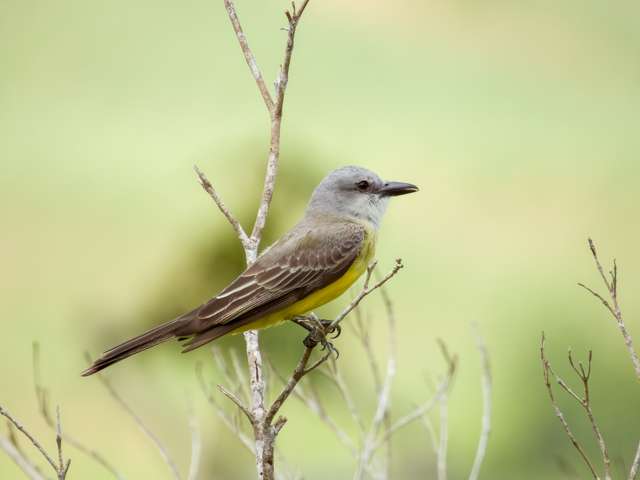
Tyranni (Suboscines)
This suborder includes birds primarily found in the Americas. They are considered "simpler" songbirds because their vocalizations are innate rather than learned. This means their songs are genetically programmed, and they don't need to learn them from their parents or other birds. A well-known family in this group is the Tyrannidae, or tyrant flycatchers. They are insectivorous birds that typically hunt by perching and then darting out to catch insects mid-air. Other examples include antbirds and ovenbirds.
Acanthisitti (New Zealand Wrens)
This is a very small suborder with only a few species native to New Zealand. They are a distinct and ancient lineage of passerines. Unfortunately, some species are now extinct, but the remaining ones, like the Rifleman, are unique to the region.

Passeri (Oscines or "True" Songbirds)
This is the largest suborder of passerines, containing the "true" songbirds. Their vocalizations are learned, and they often have complex songs and calls that they develop by listening to and mimicking their elders. This suborder is further divided into numerous families.
Examples of Passerines
The incredible diversity of passerines is best illustrated by looking at some of the most common and recognizable examples.
Thrushes (Family: Turdidae)
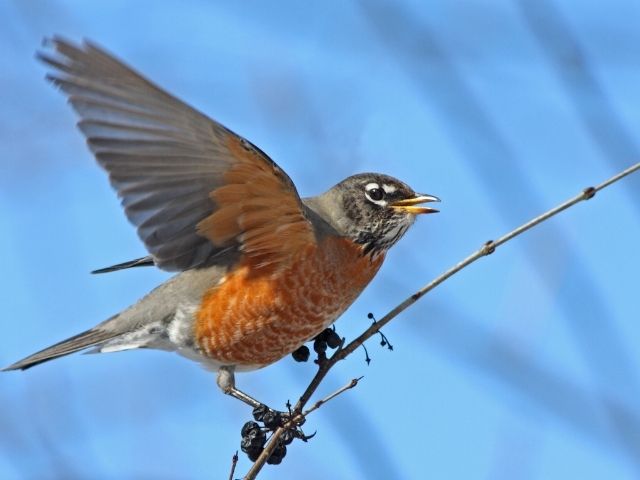
American Robin (Turdus migratorius): Perhaps one of the most recognizable birds in North America, the American Robin is a classic example of a passerine. It's known for its reddish-orange breast, distinctive worm-hunting behavior, and melodious song, especially at dawn. Robins are highly adaptable and can be found in a wide range of habitats, from suburban lawns to forests.
Eastern Bluebird (Sialia sialis): This small thrush is celebrated for its brilliant blue plumage and gentle demeanor. Found in open woodlands and fields, the Eastern Bluebird's song is a soft, warbling tune. They are cavity nesters and are often found using man-made nest boxes.

Finches and Sparrows (Families: Fringillidae and Passerellidae/Passeridae)
House Finch (Haemorhous mexicanus): A small bird with a reddish head and breast in males, the House Finch is a common sight at bird feeders across the United States. Its song is a long, cheerful warble. House Finches are highly social and often flock together.
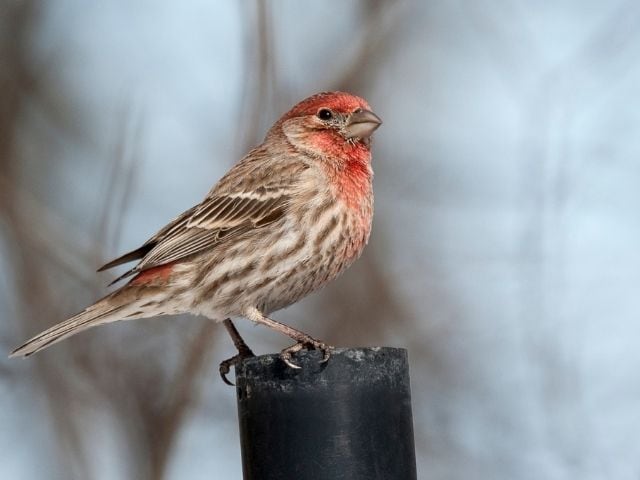
House Sparrow (Passer domesticus): Originally from Eurasia and introduced to North America, the House Sparrow is a small, brown bird that is a common fixture in urban and suburban areas. Despite its name, it's not a "true" sparrow (a member of the family Passerellidae), but rather a member of the Old World sparrows (family Passeridae). It's known for its chirping calls and adaptability.

Corvids (Family: Corvidae)
American Crow (Corvus brachyrhynchos): Crows are highly intelligent passerines known for their large size, glossy black feathers, and loud "caw-caw" calls. They are omnivorous and highly social, often forming large flocks. Their intelligence is well-documented, with studies showing their ability to solve problems and use tools.

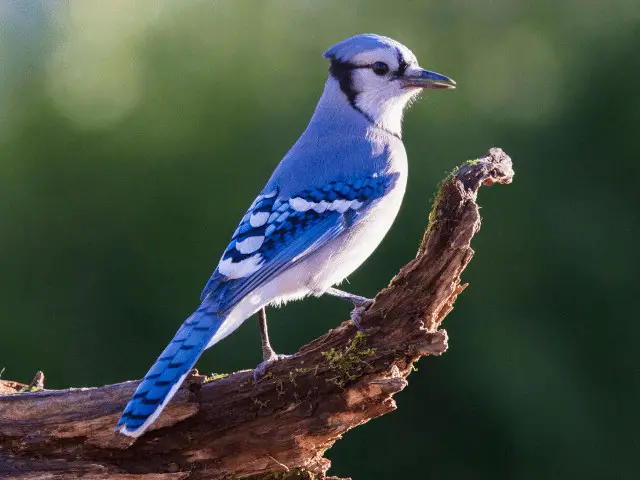
Blue Jay (Cyanocitta cristata): A noisy and flamboyant passerine, the Blue Jay is a striking bird with blue, white, and black plumage. It's known for its crested head and a wide range of vocalizations, including mimicry of other birds. Blue Jays are common in eastern and central North America.
Warblers (Family: Parulidae)
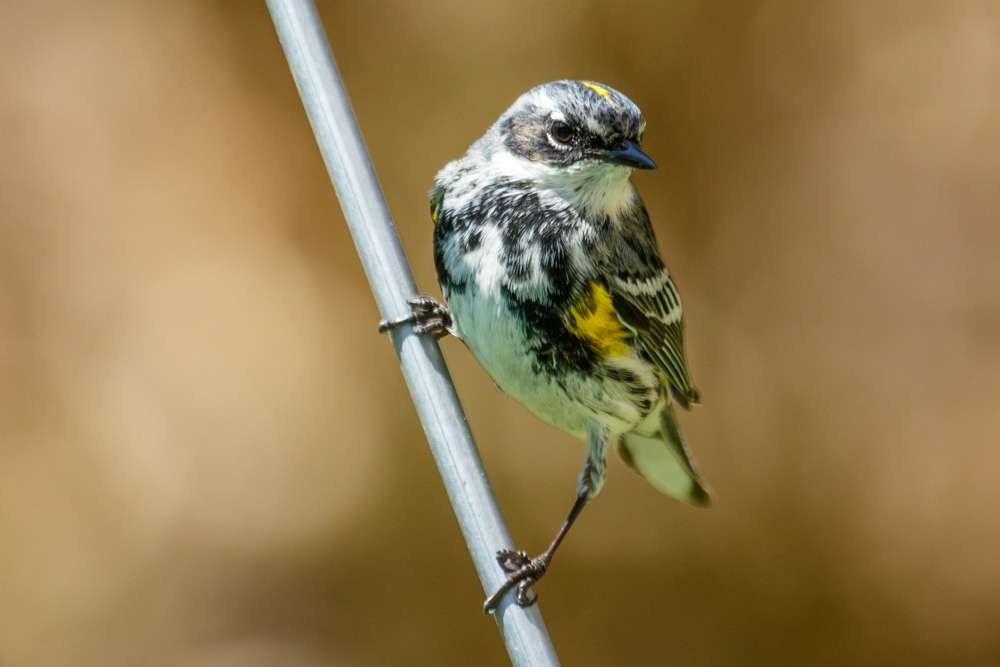
Yellow-rumped Warbler (Setophaga coronata): One of the most widespread warblers in North America, the Yellow-rumped Warbler is a small, energetic bird that migrates long distances. As its name suggests, it has a distinctive yellow patch on its rump. They are often seen gleaning insects from tree leaves and can be found in a variety of habitats.
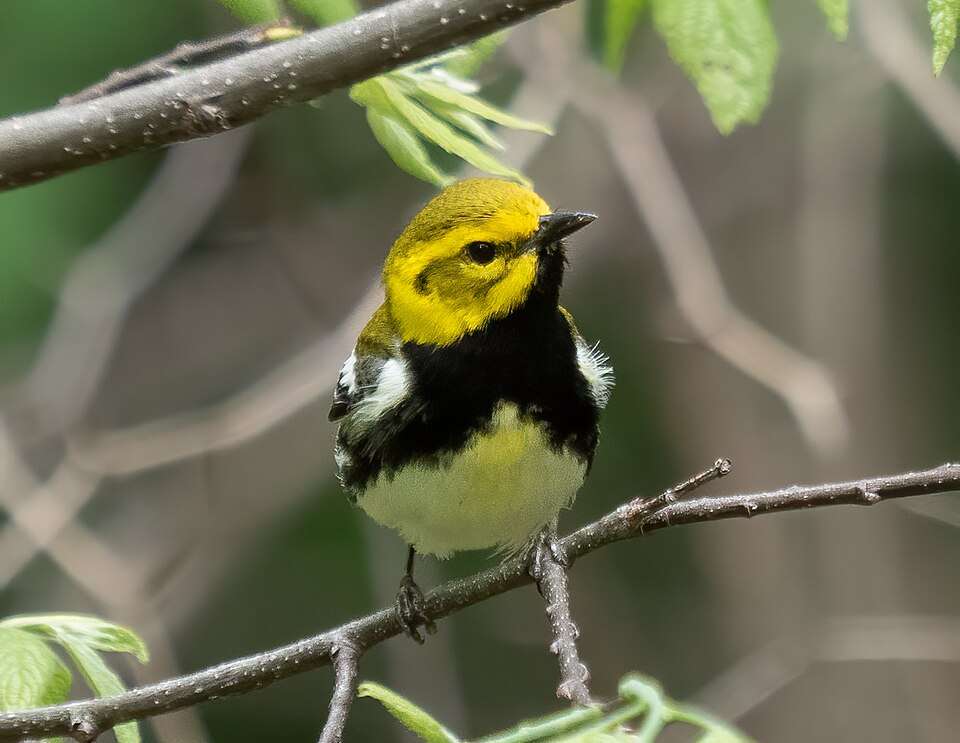
Black-throated Green Warbler (Setophaga virens): This warbler is known for its distinctive song and beautiful plumage. It breeds in coniferous and mixed forests and is a favorite among birders during migration season.
Starlings and Mynas (Family: Sturnidae)
Common Starling (Sturnus vulgaris): Another non-native species, the European Starling is known for its iridescent black plumage and its ability to mimic a wide range of sounds. They are highly social birds that often form massive, synchronized flocks called murmurations, especially in the evening.

Why are Passerines so Successful?
The sheer number and diversity of passerine species suggest a highly successful evolutionary strategy. Their adaptability is a major factor. The unique perching foot allows them to exploit a vast number of niches, from foraging on the ground to high up in the forest canopy. Their ability to learn songs has allowed for complex social behaviors and species recognition, crucial for survival and reproduction. The altricial nature of their young, while requiring significant parental investment, allows for the production of numerous offspring that have a better chance of survival with dedicated care. Finally, their diverse diets, from insect-eaters to seed-eaters and omnivores, have enabled them to thrive in a wide range of ecosystems. In essence, the passerine's success is a testament to the power of specialization combined with remarkable adaptability.
Wrapping Up
Passerines, commonly known as perching birds or songbirds, are a vast and diverse order of birds that make up more than half of all avian species globally. The defining characteristic of this group is their unique foot anatomy: three toes pointing forward and one pointing backward, which allows them to grip branches and other perches with ease.
While this perching ability is a key feature, the group is also widely recognized for its vocalizations, with many species possessing a complex voice box (syrinx) that allows them to produce intricate songs. Passerines are generally small to medium-sized birds whose young are born helpless and require extensive parental care, and they are found on every continent except Antarctica, thriving in nearly every terrestrial habitat.
Find out about yellow birds in our post here.
