Love The Birds is reader-supported. When you purchase through one of our links we may earn an affiliate commission (at no cost to you).
What Bird Watchers Search Google For
Share your love
The birds that capture the public's attention most frequently on Google are not always the most numerous, but rather the ones that possess certain magnetic qualities: impressive size, striking color, iconic status, or a mysterious nature. Analyzing Google Trends data reveals a fascinating intersection between ecology, culture, and the human psyche, showing that our online curiosity about birds is driven by four primary factors: Celebrity Status, Feeder Presence, Identification Mystery, and Conservation Concern.
Researchers from the Cornell Lab of Ornithology and others have cross-referenced search activity with citizen science observations to determine which North American birds generate the most digital buzz. The findings categorize highly-searched species into distinct groups based on why they draw attention.
1. Celebrity Birds: Size, Status, and Symbolism
The single greatest predictor of a bird's search popularity is its size. Large birds naturally grab human attention and are heavily searched, often transcending their actual proximity to the searcher.
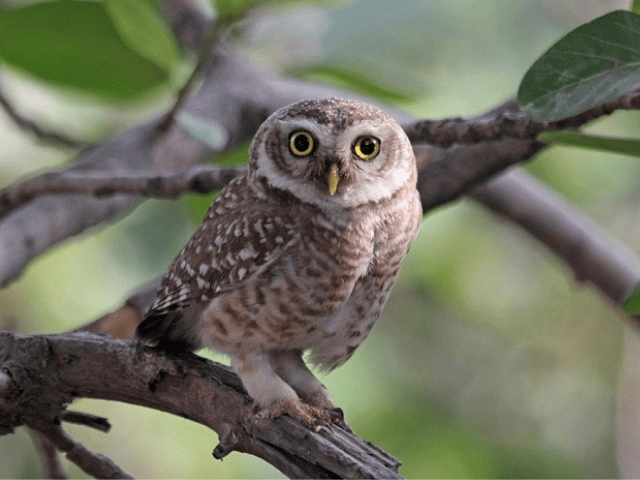
* Raptors and Owls: The entire family of Owls is the most highly Googled bird family. Species like the Snowy Owl, Barn Owl, and Spotted Owl consistently rank high. Their popularity is rooted in their unique biology—they are nocturnal, mysterious predators with large, expressive eyes that lend them an almost mythical quality.
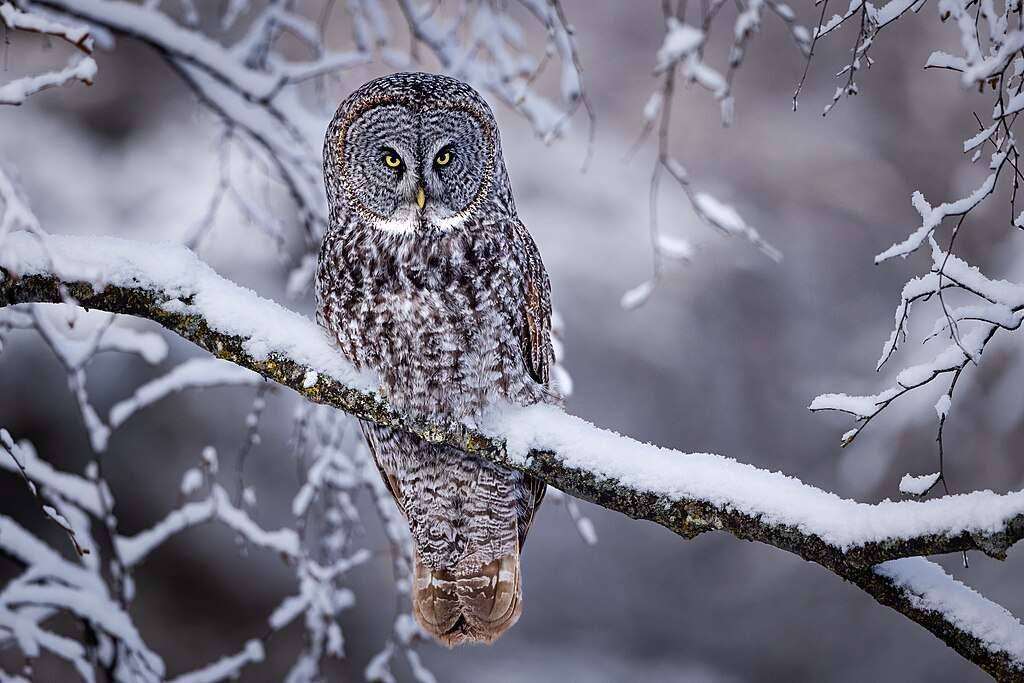
Great Gray Owl
* Iconic Eagles and Cranes: Species like the Bald Eagle and Golden Eagle benefit from their status as national symbols and apex predators. Similarly, the Whooping Crane, while rare, is a search celebrity due to its massive size and the dramatic, well-publicized conservation efforts surrounding it.
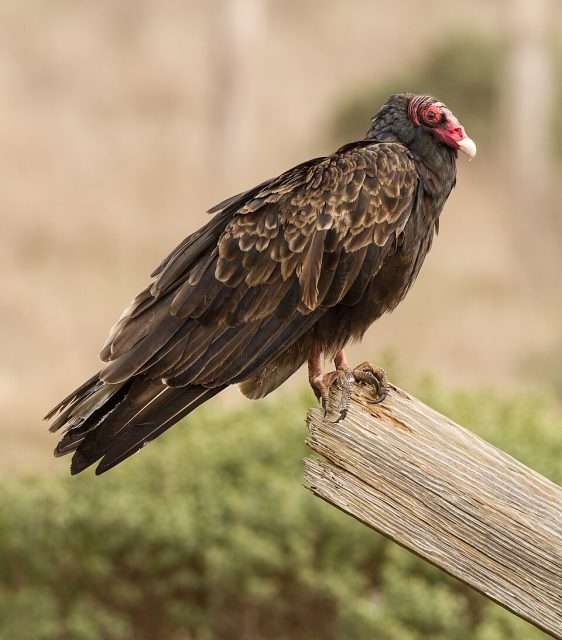
* Mascots and Color: Birds chosen as sports team mascots, such as the Baltimore Oriole, attract non-birder traffic, boosting their search ranking. Likewise, large, brightly colored waders like the Great Blue Heron and Turkey Vulture (which is frequently mistaken for a raptor) are popular targets of searches.
Turkey Vulture
These "celebrity birds" often enjoy high search volumes even outside of their natural geographic range, proving their appeal is universal.
2. Feeder and Backyard Neighbors: The Common Curiosities
While large, rare birds drive many searches, the sheer volume of search queries is often sustained by the everyday species that frequent our backyards and feeders. People search for these birds because they see them frequently and need an immediate, simple identification.
* The Northern Cardinal: This bird is arguably one of the most recognized and searched-for species in the Eastern U.S. The male’s brilliant crimson color against snow or green foliage makes it unmistakable, yet its popularity means people constantly look up its habits, calls, and diet for their feeders.
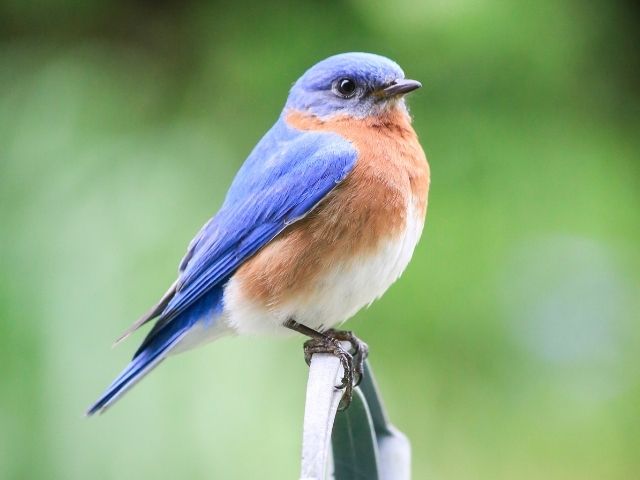
* Eastern Bluebird and Black-capped Chickadee: These birds, listed among the "Popular Species" on major bird identification websites, are classic "neighbor birds." They are local favorites, often searched by people in their specific regions who are curious about the bird outside their window or nesting in their yard.
Eastern Bluebird
* Blue Jay: Although common, the Blue Jay's striking pattern of blue, black, and white generates consistent searches. People are often searching for information on its loud calls, intelligence, and—due to its aggressive behavior—how to manage it at the feeder.
The search volume for these "neighbor birds" is closely tied to their proximity. People only search for the Black-crested Titmouse if they live in Texas, for example. The motivation is less about fascination and more about solving a daily mystery: "What is the bird I just saw?"
3. The "Strangers": Identification Challenges
A significant portion of search volume is driven by birds that are difficult to identify. These are often "little brown birds" or species that look similar to others, prompting birders and casual observers to turn to Google to confirm a sighting.
* Owls (The Calls): Beyond their appearance, owls are highly searched because of their vocalizations. Hearing an owl hooting at night often prompts an immediate "What owl is calling?" search query.
* The Sparrows and Warblers: Many small songbirds fall into the "strangers" category. Species like the Lincoln's Sparrow are not common "celebrities," but when a birder sees one, the high degree of difficulty in distinguishing it from other sparrows means the search query is critical. The same is true for the notoriously complex Warbler species, especially when they are in non-breeding, less colorful plumage.
Lincoln's Sparrow
* Mockingbirds and Mimics: The Northern Mockingbird is frequently searched not because of its appearance, but because of its ability to mimic other birds' songs and even car alarms. Listeners often search to identify the source of the unusual sounds they hear.
These birds generate high searches because the public is trying to solve an Identification Mystery, leading them to resources like Cornell's Merlin Bird ID app or general Google search to confirm a tricky species.
4. Friends or Enemies: Conservation and Conflict
Birds involved in conservation efforts or those that become a focal point of public debate generate localized spikes in search traffic.
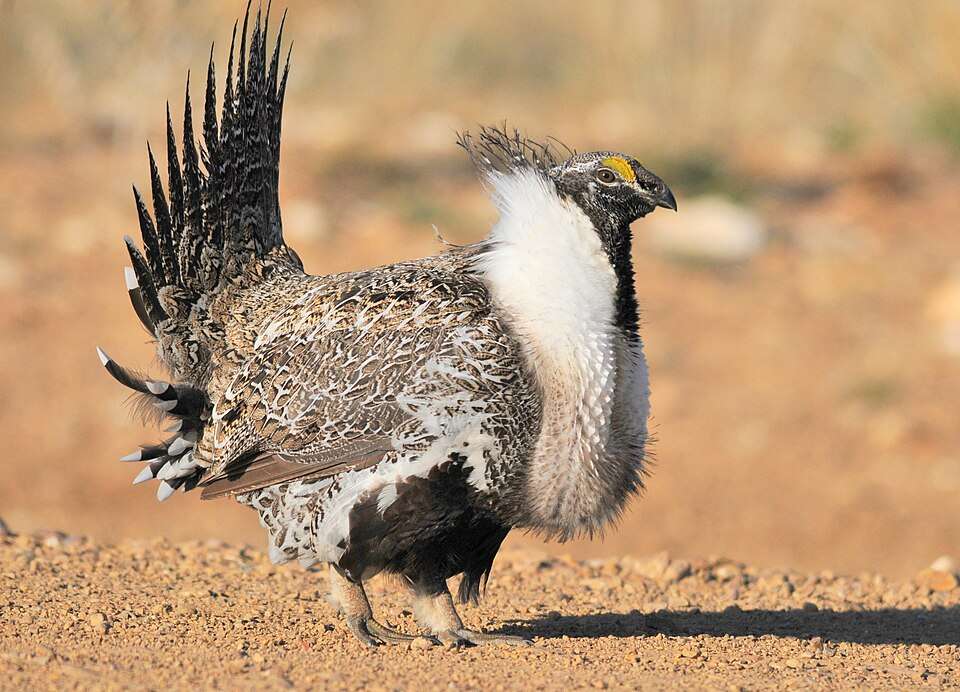
* Endangered Species: Birds that are federally protected, such as the California Condor and the Greater Sage-Grouse, see high search volumes, particularly in the regions where they occur. This interest is driven by local politics, environmental news, and the dramatic, often expensive, efforts to save them.
Greater Sage-Grouse
* Urban Conflicts: While not always searched by name, birds like Pigeons (Rock Doves) and European Starlings often generate "nuisance" related searches—queries about deterrence, migration, or removal. The sheer commonality of species like the American Robin and Mourning Dove also ensures a constant, if less sensational, stream of identification and behavior-related searches.
The Synthesis: Why We Search
The collective data shows that the most searched-for birds are those that best capture the human imagination. They fall into these general categories:
Search-Driving Trait
Example Species
Reason for High Search Volume
Size & Symbolism
Bald Eagle, Barn Owl, Whooping Crane
Iconography, mystery, nocturnal habits, and large, dramatic appearance.
Color & Feeder Presence
Northern Cardinal, Blue Jay, Baltimore Oriole
Visual appeal, close proximity to humans, and queries related to feeding habits.
The need for specific confirmation due to subtle visual differences or confusing calls.
Conservation/Rarity
California Condor, Snowy Owl
News events, rarity, and public campaigns to protect the species.
Ultimately, a bird’s Google popularity is a powerful proxy for its cultural value and its ability to engage the public, whether through a breathtaking glimpse from a moving car or a frustrating, ten-minute attempt to identify a secretive little brown bird in a dense thicket. It demonstrates that the birds we see—and the ones we wish we could see—continue to inspire curiosity and action in the digital age.
Palmer is a bird watcher and writer with 20 years experience of documenting the birds he has seen and the places he has visited. He has traveled all over the world to find the beauty of common birds and photograph rare and exotic species. Now he is sharing his knowledge about bird watching, bird species and all the gear needed to care and photograph our feathered friends.
Read more about Love The Birds on our About page.