West Virginia, known for its rugged Appalachian landscapes and dense forests, offers a remarkable and diverse environment for bird watching. The state's varied topography, from high-elevation spruce-fir forests to river valleys and wetlands, creates a mosaic of habitats that attract a wide array of avian species.
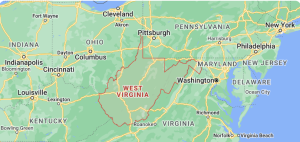
Whether you are a seasoned birder or a casual nature enthusiast, West Virginia provides a wealth of opportunities to observe everything from colorful songbirds and migrating raptors to a variety of waterfowl. The state's commitment to preserving its natural beauty through national forests, state parks, and wildlife management areas makes it a prime destination for anyone looking to connect with the natural world through the sights and sounds of its abundant birdlife.
Fairfax Pond-Rehe WMA
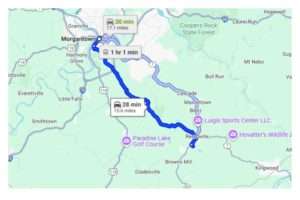
The Fairfax Pond-Rehe Wildlife Management Area (WMA) is a notable bird watching location situated in Preston County, West Virginia, south of the town of Reedsville. Spanning 638 acres, the WMA's geography is unique, as it is centered around a series of ponds and wetlands that remain from previous surface (strip) mining operations.
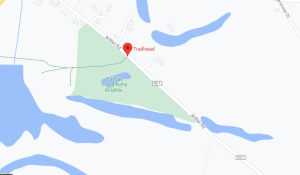
This relatively high-elevation setting, established at an approximate elevation of 1,800 feet, provides a distinct habitat compared to the state's major river valleys. The land was acquired by the West Virginia Division of Natural Resources (WVDNR) in 2014 specifically to manage and conserve this unique wetland complex and surrounding areas, which are critical for various wildlife species.
The most significant bird watching opportunities at Fairfax Pond-Rehe WMA are concentrated around its namesake ponds and associated wetlands. This is one of the few managed areas in the region with substantial wetland acreage, making it an attractive stopover and breeding location for water-dependent birds. Birders frequently visit to observe waterfowl, including various species of ducks and geese, especially during the spring and fall migration periods.
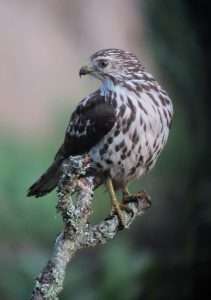
Beyond the aquatic species, the diverse mix of habitats—including open water, marsh, and surrounding scrub and forest—attracts a range of other birds. The area provides habitat for species such as songbirds, birds of prey, and other typical wetland inhabitants, offering a different birding experience than the deep, unbroken forests of the Appalachian High Country.
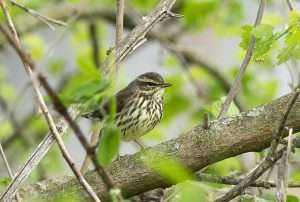
Target Birds
Tree and Barn Swallow
Scarlet Tanager
Broad-winged Hawk
Tennessee and Cape May Warbler
Northern Waterthrush
Least Flycatcher
Solitary Sandpiper
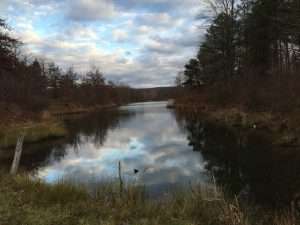
The Mountaineer Audubon Chapter has a useful webpage with information about the WMA and other local areas.
Pricketts Fort SP
Prickett's Fort State Park is a unique destination for bird watching, blending historical significance with rich natural geography. Located five miles north of Fairmont in Marion County, the 188-acre park sits at the scenic confluence of Prickett's Creek and the Monongahela River.
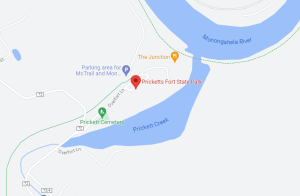
This riverine and riparian setting creates essential habitat diversity, contrasting the open water of the Monongahela with the sheltered environment of Prickett's Creek and the surrounding wooded areas. The park's location along the Monongahela River also places it within a migratory corridor, making it an excellent spot for birders, especially during the spring and fall migrations. The presence of the reconstructed fort and the Job Prickett House, while historically significant, are framed by this lush natural environment.
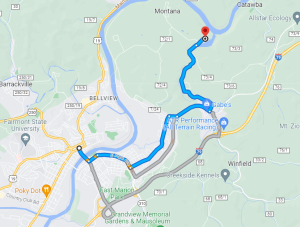
The blend of water-based and woodland habitats at Prickett's Fort State Park provides diverse bird watching opportunities throughout the year. The park has established a dedicated bird observation deck near the lower parking lot, which overlooks the Prickett's Fort Bay, offering excellent views of waterfowl, including various species of ducks and the occasional Great Blue Heron.
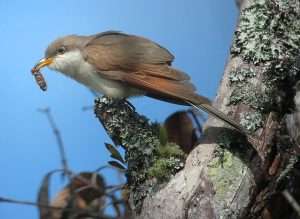
The surrounding wooded areas and trails, including the Mon River Trail, are perfect for observing woodland species like Red-bellied Woodpeckers, Eastern Bluebirds, and Carolina Wrens. Notably, the park hosts annual bird walks during the spring migration, showcasing the arrival of neo-tropical migrants such as warblers and flycatchers, making the early months of the year a particularly rewarding time for a visit.
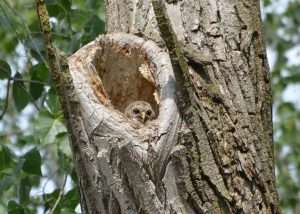
Target Birds
Cedar Waxwing
Yellow-billed Cuckoo
Red-shouldered Hawk
Louisiana Waterthrush
Barred Owl
American Redstart
Rose-breasted Grosbeak
Kentucky and Blackpoll Warblers

The Pricketts Fort website has all the information you would expect for visiting the area as well as some details for bird watchers.
Greenbottom WMA
The Greenbottom Wildlife Management Area (WMA) is a critical habitat for bird life, strategically positioned along the banks of the Ohio River in Cabell and Mason Counties, West Virginia, approximately 16 miles north of Huntington. Geographically, it is part of the Ohio River corridor, a major North American flyway that funnels migratory birds.
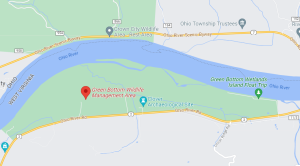
This 1,096-acre area is an exemplary wetland, featuring a unique, flat mix of varied habitats, including extensive forested wetlands, marshes, wet meadows, open water, and mixed hardwood forest. The presence of Guyan Creek, a tributary of the Ohio River that flows through the WMA, further enhances its value as a water source and an excellent refuge for numerous aquatic and terrestrial species.
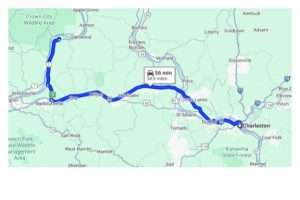
This diverse mix of wetland habitats makes Greenbottom WMA one of the most productive and popular birding hotspots in the state. The managed water levels within the marshes are a deliberate effort by the West Virginia Division of Natural Resources to benefit wildlife, making the area a consistent magnet for waterfowl and other water birds, especially during migration and in winter.
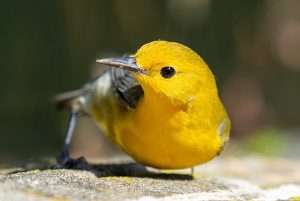
Birders can look for species like the Northern Harrier, various ducks and geese, as well as rails and bitterns. The unique wetland ecosystem also attracts several breeding species, including the Prothonotary Warbler, Yellow Warbler, Blue Grosbeak, and Willow Flycatcher. A system of trails, including a boardwalk, offers visitors easy access and elevated views into the swamp and marsh areas, providing excellent opportunities for photography and quiet observation of the area's rich avian population.
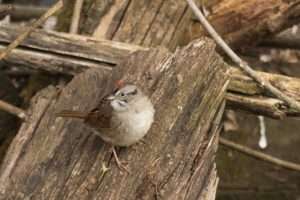
Target Birds
Black-billed Cuckoo
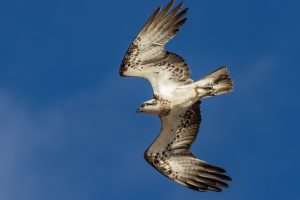
Osprey
Least Bittern
Green Heron
Swamp Sparrow
Canada Warbler
Virginia Rail

The West Virginia Explorer has an interesting article with background on the area.
Stauffer's Marsh Nature Preserve
McClintic WMA
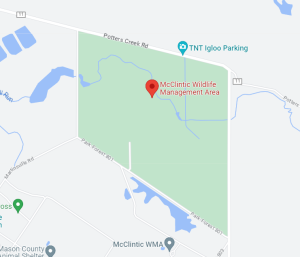
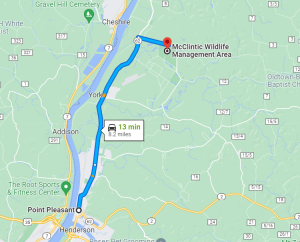
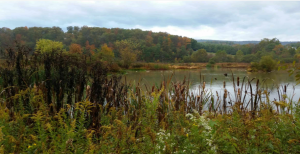
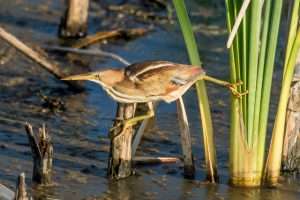
McClintic WMA is celebrated as one of West Virginia's most productive and diverse birding hotspots, with over 230 different species having been documented here. The numerous ponds and wetland areas make it an ideal place to observe waterfowl, rails, and wading birds, especially during the spring and fall migrations. Birders can look for species such as the Least Bittern, Tree Swallow, and Prothonotary Warbler which nest in the summer.
In the winter months, the area attracts various species of geese, ducks, and sparrows, including Palm and Swamp Sparrows. The mix of open water, dense shrub, and mixed hardwood forest habitat also provides excellent opportunities to spot woodland species like the Cerulean Warbler, Eastern Bluebird, and Scarlet Tanager, solidifying the WMA's reputation as a must-visit site for any birder in the Ohio River Valley.
Target Birds
Blue-winged and Hooded Warbler
Indigo Bunting
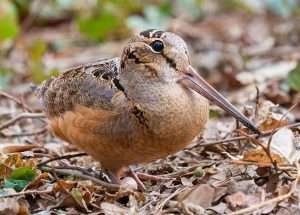
American Woodcock
Greater and Lesser Yellowlegs
Bald Eagle
Pied-billed Grebe
Rusty Blackbird
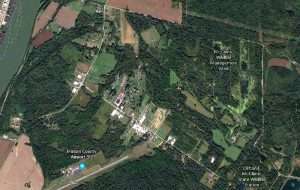
The WVE page about the WMA has general visitor information.
Middle Island NWR
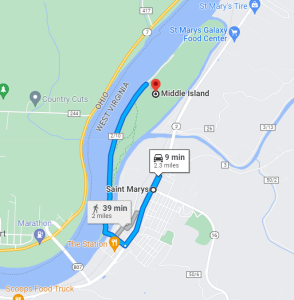
Middle Island is a key unit of the Ohio River Islands National Wildlife Refuge (ORINWR), located on the Ohio River near the town of St. Marys in Pleasants County, West Virginia. Geographically, it is the largest island in the refuge, separated from the mainland by a channel known as "The Thoroughfare."
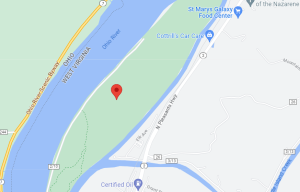
Uniquely, Middle Island is one of the few islands in the ORINWR that is accessible by vehicle via a bridge from the town of St. Marys, making it particularly easy for birders to visit. The island's terrain is characterized by a mix of riparian (riverbank) forest, which the refuge is actively working to restore, and open meadowlands—vestiges of its history as former farmland. This varied geography, set within the major Ohio River flyway, creates a valuable sanctuary for a diverse population of birds.
The accessibility and varied habitat make Middle Island an exceptional location for bird watching year-round. Over 180 species have been recorded on the island, with highlights often including a good mix of migrating warblers and sparrows during the spring and fall. The blend of riparian forest and open meadow provides excellent cover and foraging grounds for songbirds, while the river itself attracts numerous waterfowl and wading birds. Middle Island features a system of hiking trails and a short auto tour, allowing birders to explore different habitats easily.
A specific point of interest is the wildlife observation blind, which overlooks a seasonal wetland area and offers a perfect vantage point for viewing herons, ducks, and various shorebirds. Additionally, the location provides a good opportunity to spot raptors like the Peregrine Falcon often seen perched on the nearby St. Marys Bridge.
Target Birds
Peregrine Falcon
Swainson's Thrush
Golden-crowned Kinglet
Goosander
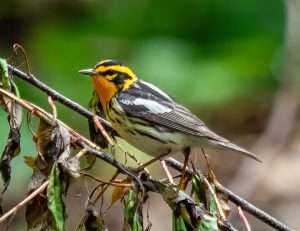
Bay-breasted and Blackburnian Warbler
Wilson's Snipe
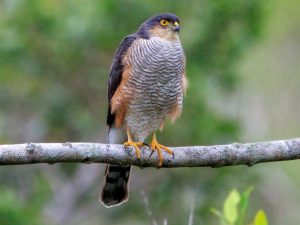
Sharp-shinned Hawk

The U.S. Fish and Wildlife Service has information about the wider Ohio River Island NWR.
We have lots of posts about bird watching. Read our common terminology article here.
Pleasant Creek WMA
The Pleasant Creek Wildlife Management Area (WMA), a sprawling 3,030-acre tract, is a geographically diverse and highly regarded birding location situated near the town of Philippi, straddling the border of Barbour and Taylor counties in north-central West Virginia.
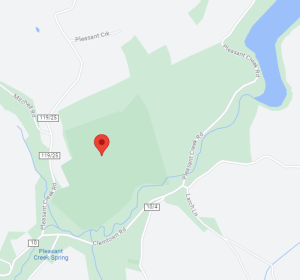
The area's geography is characterized by a mix of terrain, ranging from low-lying wetlands and bottomlands adjacent to the Tygart Lake and its various sub-impoundments, to steeply forested, rugged slopes that rise to an elevation of over 1,600 feet. The WMA is directly adjacent to Tygart Lake State Park, with the lake itself—a large reservoir—providing a major aquatic habitat that draws a significant amount of waterfowl and water-associated species, making this an ideal location to observe the transition between upland forest and wetland bird communities.
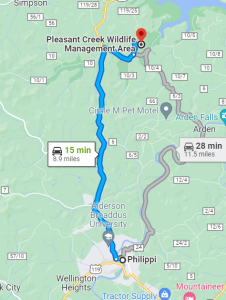
Pleasant Creek WMA offers some of the most exciting and diverse bird watching in the state due to its varied habitats, which include deep and shallow water, exposed mudflats, deciduous forest, and scrub-shrub areas. This environmental mosaic attracts a wide spectrum of birds throughout the year. During the late fall, winter, and early spring, the open water of the lake and its impoundments become a major staging area for large rafts of mixed duck flocks, Common Loons, and Tundra Swans, and is known for attracting rare gulls and other waterbird rarities.
The exposed mudflats are crucial for migrating shorebirds, while the surrounding woodlands and thickets are excellent for observing passerines, including a variety of warblers, flycatchers, and especially diverse flocks of sparrows, such as the Swamp Sparrow, making Pleasant Creek WMA a highly productive spot for any birder.
Target Birds
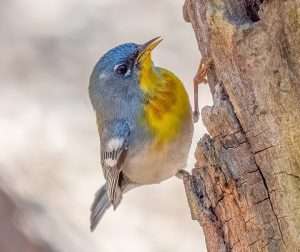
Northern Parula
Northern Bobwhite
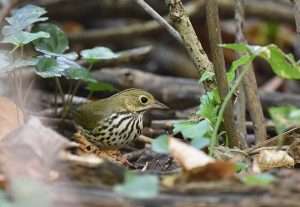
Ovenbird
Prairie Warbler
Winter Wren
Snow Goose
Vesper Sparrow

The WVE site highlights the best birds in the area and others close by.
Bluestone SP
Target Birds
Red-bellied Woodpecker
Double-crested Cormorant
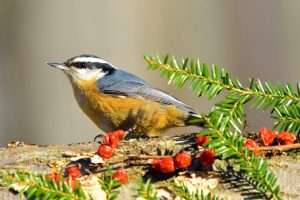
Red-breasted Nuthatch
American Black Vulture
Bald Eagle
Brown Thrasher
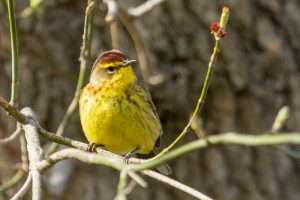
Magnolia and Palm Warbler

The National Park Service has nice information and photographs of birds reported in the area.
Gallipolis Locks & Dam
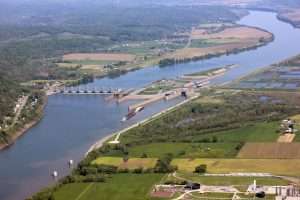
The Robert C. Byrd Locks and Dam, formerly known as the Gallipolis Locks and Dam, is a significant location for bird watching in West Virginia, especially for species associated with large rivers. Situated on the Ohio River at mile 279.2, the facility is located near the town of Gallipolis Ferry in Mason County, West Virginia, with the Ohio side of the river just across from Gallipolis, Ohio.
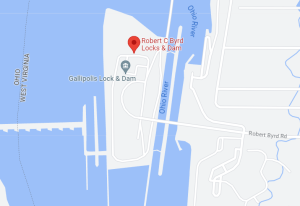
The locks and dam create a large pool of water that attracts a variety of avian species, particularly during migration and winter. The surrounding geography is part of the Ohio River corridor, which is a major flyway for many birds. This area's mix of riverine, wetland, and forested habitats provides excellent opportunities for observing a diverse range of birds.