

From the bustling urban wetlands to the tranquil coastal estuaries, Washington State offers one of the most diverse and rewarding bird-watching experiences in North America. Positioned along the Pacific Flyway, this region is a critical stopover for a spectacular variety of migratory birds, alongside a host of fascinating year-round residents. Whether you are a seasoned expert or a novice seeking your first unforgettable sighting, the state’s rich tapestry of habitats ensures a remarkable experience.
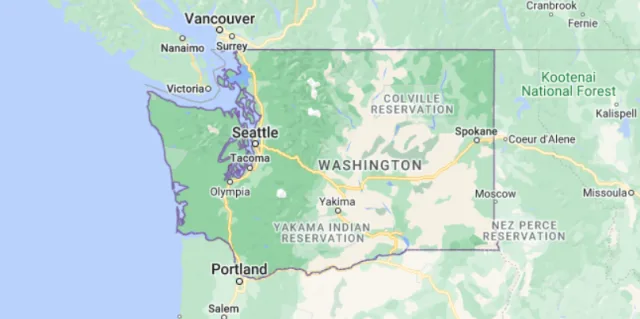
Among the best-known spots are the uniquely accessible Union Bay Natural Area in Seattle, a vital urban refuge and former landfill where over 200 species have been recorded, and Deer Lagoon on Whidbey Island, an Important Bird Area (IBA) cherished for its marshlands, mudflats, and role as a crucial feeding ground for countless waterfowl and shorebirds. Exploring these exceptional destinations is only the beginning of an adventure that celebrates the wild beauty and vibrant avian life of Washington.
Neah Bay
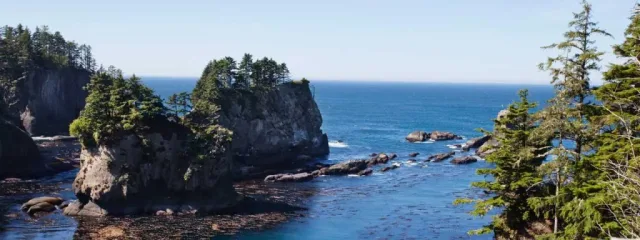
Neah Bay is a geographically unique and remote coastal community situated on the Makah Reservation at the extreme northwestern tip of the Olympic Peninsula in Washington State. It holds the distinct designation of being the most northwesterly point in the contiguous United States, specifically at Cape Flattery. This location forms the confluence where the turbulent waters of the Pacific Ocean meet the calmer, sheltered waters of the Strait of Juan de Fuca, creating a complex and highly energetic marine and coastal environment.
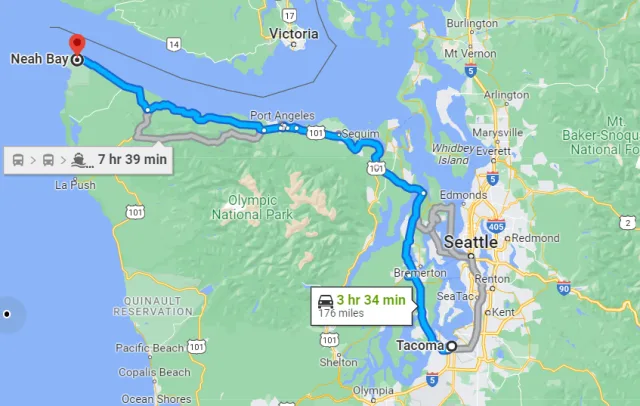
The geography is characterized by rugged, dramatic sea cliffs, sea stacks, offshore islands (like Tatoosh Island), sandy beaches such as Hobuck and Shi Shi, and dense coastal rainforests that thrive in the region's high rainfall. This challenging, wild terrain and its isolation contribute to its ecological richness, making it a critical hub for both terrestrial and pelagic species.
The convergence of marine and terrestrial habitats in the Neah Bay area results in exceptional bird-watching opportunities, attracting both seabirds and land-based species. The area is a major hot spot on the Pacific Flyway, especially during spring and fall migrations. The offshore environment is particularly important, with the waters around Cape Flattery and Tatoosh Island being prime viewing locations for pelagic species such as Tufted Puffins, Rhinoceros Auklets, Common Murres, and various shearwaters and cormorants.
On land, the coastal forests and valleys, like the Wa’atch Valley, host numerous songbirds, raptors, and year-round residents, including a prolific population of Bald Eagles. Birders visit specifically for the chance to spot rare vagrants that sometimes get blown in by storms and utilize the peninsula as a first-stop landing point, adding to the allure of this wild and often windswept corner of Washington.
Target Birds
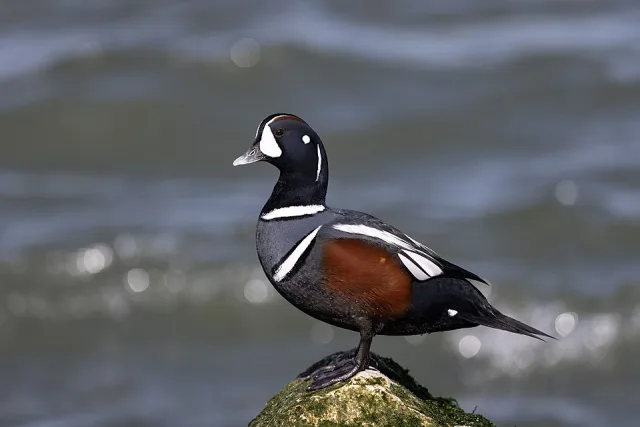
Harlequin Duck
Surf, Black and White-winged Scoter
Salvonian, Western and Red-necked Grebe
Rufous Hummingbird
Black Oystercatcher
Pigeon Guillemot
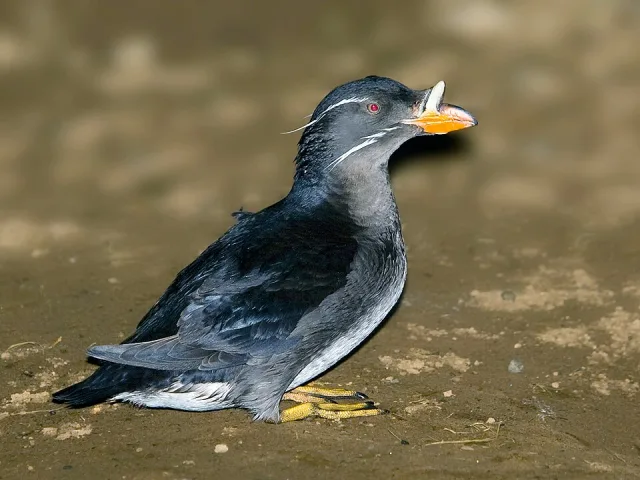
Rhinoceros Auklet
There are lots of bird spots around the Neah Bay area. The Olympic Peninsula Audubon Society has a great interactive map with information on different spots around the area, including important details about access and permits.
Edmonds Waterfront
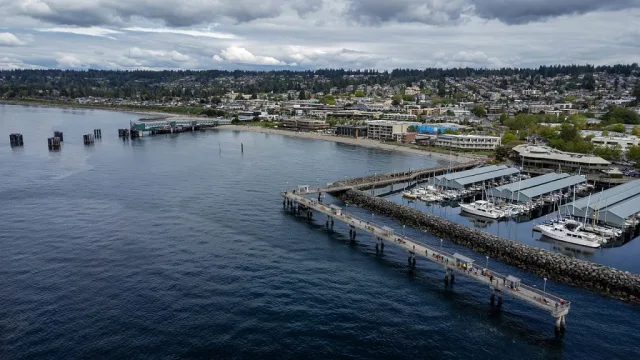
The Edmonds Waterfront is situated in the southwest corner of Snohomish County, Washington, placing it just 15 miles north of Seattle and directly on the eastern shore of Puget Sound, a large, intricate arm of the Pacific Ocean. This prime location on the Pacific Flyway—a major north-south migratory route—is defined by its diverse geography.

The waterfront itself features a public fishing pier, a marina, and a mile-long stretch of public walking paths and beaches, offering a direct view across the water to the majestic Olympic Mountains. Just a short block inland lies the Edmonds Marsh, one of the few remaining urban, tidally-influenced saltwater estuaries in the Puget Sound area, creating a highly valuable mix of marine and freshwater habitats within a single birding locale.
The convergence of marine shoreline and estuary habitat makes the Edmonds Waterfront and its adjacent marsh a bird-watching hotspot, serving as the first stop on the Cascade Loop of the Audubon Washington's Great Washington State Birding Trail. Birding opportunities are excellent year-round, with over 250 species recorded in the area.
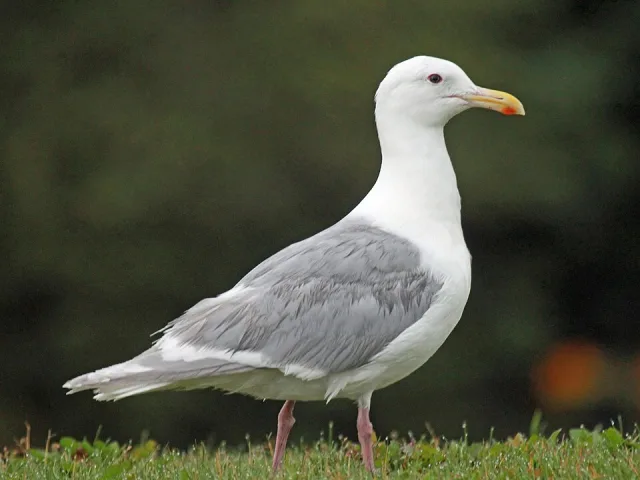
The waterfront's pier and beaches are ideal for viewing seabirds like Pigeon Guillemots, Double-crested Cormorants, and, in winter, a rich variety of diving ducks and grebes, including Western Grebes and Surf Scoters. The nearby Edmonds Marsh, with its boardwalk and viewing platforms, attracts shorebirds such as Killdeer and various sandpipers, as well as resident marsh birds like Great Blue Herons, Bald Eagles, and Red-winged Blackbirds. The diversity is especially rich during the spring and fall migrations.
Target Birds
Glaucous-winged Gull
Caspian Tern
Red-throated Diver
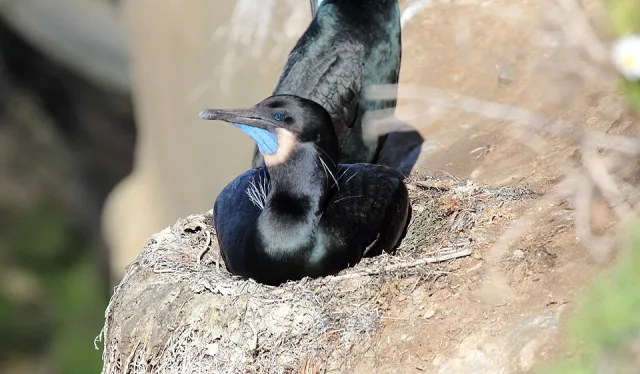
Brandt's Cormorant
Western Sandpiper
Common Goldeneye
Visit Edmonds has a nice post about birding in the Edmonds waterfront and further afield.
Discovery Park, Seattle
Discovery Park stands as Seattle's largest and most vital urban natural sanctuary, located on the Magnolia neighborhood peninsula, jutting dramatically into Puget Sound. This 534-acre park occupies the grounds of the former Fort Lawton military base, offering a unique and expansive geographical layout. It is defined by its diverse ecosystems, including two miles of protected tidal beaches at sea level, steep coastal bluffs that rise over 200 feet, expansive open meadows like the South Meadow, dense mixed coniferous and deciduous forests, and small freshwater ponds and streams.
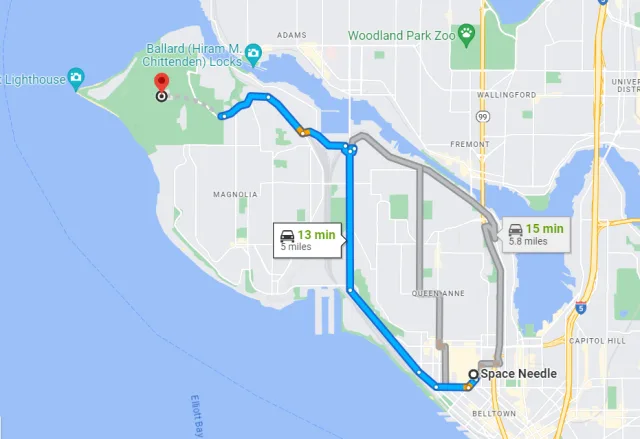
This unique combination of marine and upland habitats—from wind-swept shorelines to sheltered woodland ravines—makes it an exceptional ecological island and a crucial haven for wildlife just minutes from downtown Seattle.
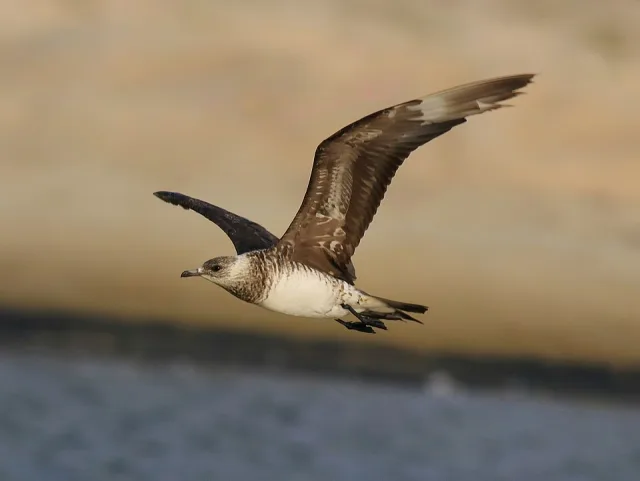
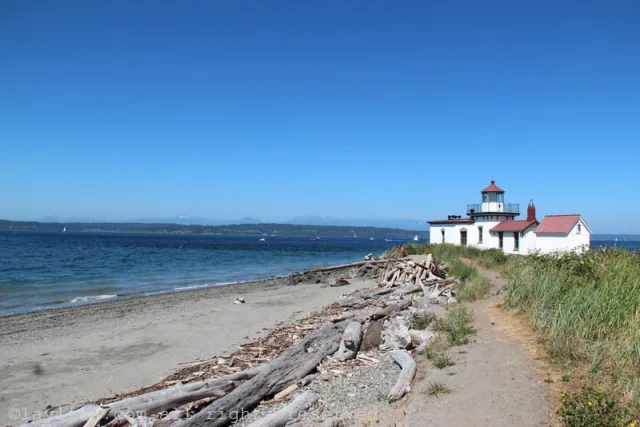
With a bird list of over 280 species, Discovery Park boasts the highest avian diversity of any site in the Seattle area, making it a premier destination on the Pacific Flyway. The variety of habitats directly translates into year-round birding excitement. The West Point area, home to the iconic lighthouse, is renowned for "seawatching," providing unparalleled views of wintering marine birds like Western Grebes, Common Loons, and Rhinoceros Auklets, as well as migrating shorebirds and predatory seabirds like Parasitic Jaegers in the fall.
Inland, the mixed forests and thickets shelter nesting Barred Owls, Pileated Woodpeckers, and a variety of warblers and flycatchers during migration. The open meadows are prime spots for sparrows and, occasionally, rare visitors like the Snow Bunting. The park's well-maintained Loop Trail connects all these different zones, offering birders a comprehensive, world-class experience within the city limits.
Target Birds
Anna's Hummingbird
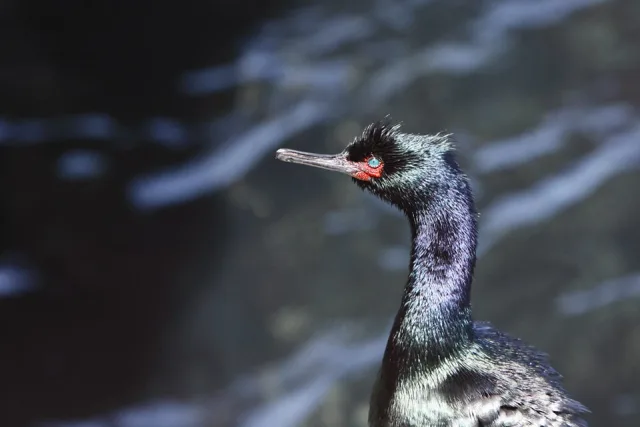
Pelagic Cormorant
Pacific-slope Flycatcher
Red-breasted Nuthatch
Black-headed Grosbeak
Hutton's Vireo
The Visit Seattle webpage for Discovery Park has lots of advice for visitors and what you might see there.
Billy Frank Jr. Nisqually NWR
The Billy Frank Jr. Nisqually National Wildlife Refuge is a crown jewel of birding located strategically off Interstate 5, just north of Olympia, Washington. Its location at the very southern tip of Puget Sound, where the freshwater of the Nisqually River meets the saltwater of the bay, creates a geographically unique and biologically rich delta. This delta is one of the last relatively undisturbed major estuaries in Puget Sound, a key factor that earned it a National Natural Landmark designation.
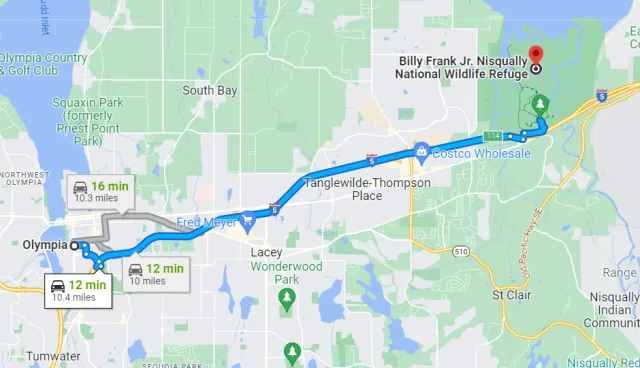
The refuge encompasses a rich mosaic of habitats, including expansive tidal mudflats, salt and freshwater marshes, grasslands, and riparian woodlands, all of which contribute to its incredible biodiversity and ecological significance. The easy access from the I-5 corridor makes this natural haven a popular and highly manageable stop for birders traveling through the region.
The variety of ecosystems at Nisqually provides phenomenal bird-watching opportunities year-round, with over 250 species recorded. As a major staging and feeding area on the Pacific Flyway, it is especially critical for migratory waterfowl and shorebirds. In winter, the refuge hosts massive numbers of ducks and geese, including Cackling Geese and American Wigeon, while the spring and fall migrations bring an abundance of shorebirds and passerines.

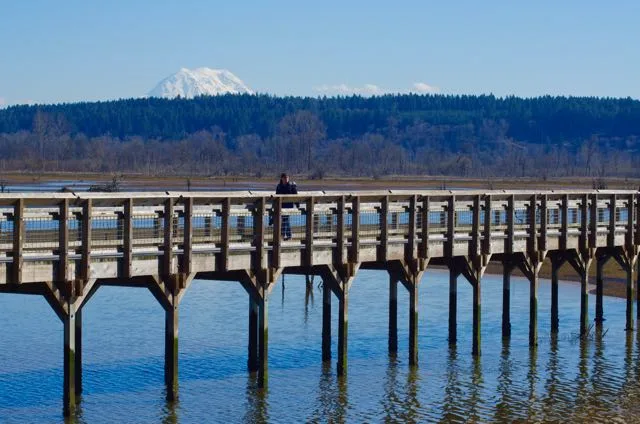
Visitors can explore a comprehensive trail system, including the centerpiece Nisqually Estuary Boardwalk, a mile-long accessible route that extends over the salt marsh, providing superb, unobstructed views of wading birds, raptors like Bald Eagles and Northern Harriers, and various tidal wildlife, making it an essential stop for any Washington birding itinerary.

Target Birds
Band-tailed Pigeon
Rufous Hummingbird
Virginia Rail
Wilson's Snipe
Bald Eagle
Red-breasted Sapsucker
Western Wood-Pewee
The U.S. Fish and Wildlife Service website has good information for visitors and is the place to start when planning a trip.
Union Bay Natural Area
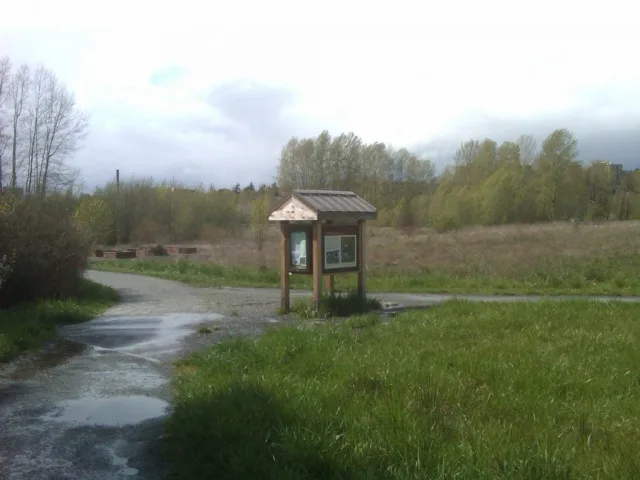
The Union Bay Natural Area (UBNA), often nicknamed the "Montlake Fill" by local birders, is a remarkable 74-acre urban oasis located in the heart of Seattle, Washington. Geographically, it sits on the eastern edge of the University of Washington campus, directly bordering Lake Washington and the Union Bay inlet.
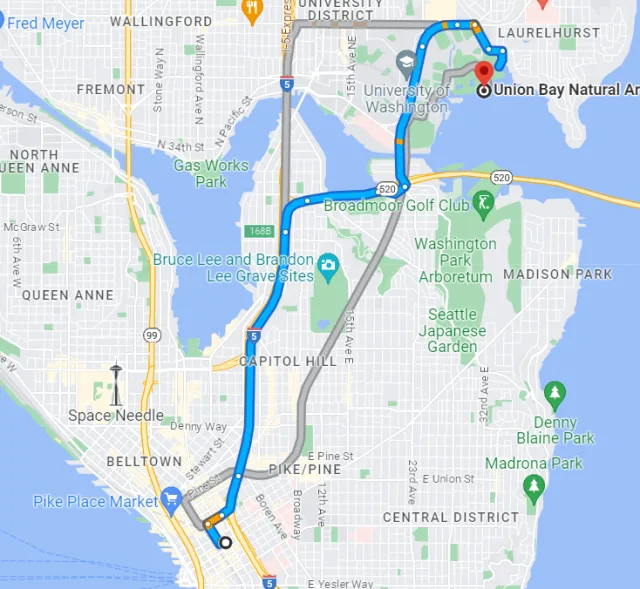
Its unique topography is a product of history, as the area was once Seattle's main landfill for over 40 years before being capped and restored into a wetland and meadow habitat managed by the University. This remediation effort created diverse microhabitats, including permanent and seasonal ponds, marshland, brushy shrubbery, and forested riparian zones along the shoreline, all easily accessible via three miles of gentle trails. This combination of an urban location and varied restored geography makes it an ecological island of wildness amidst city development.
The natural area’s distinct geography translates into some of the best and most convenient bird-watching opportunities in the Seattle metro area, with over 200 species recorded. Its location on the Pacific Flyway makes it a crucial stop for migratory birds, particularly during spring and fall.
Birders commonly spot waterfowl like Wood Ducks and Eurasian Wigeons during the late fall through early spring in the ponds (such as Carp and Shoveler's Pond), while the dense cattails and thickets host species like the Marsh Wren, Red-winged Blackbird, and Common Yellowthroat. Raptors like Bald Eagles, Ospreys, and the occasional Green Heron or American Bittern are also regular sights. The ease of access, combined with the sheer diversity of birds that utilize this unique urban refuge, makes UBNA an indispensable site for both beginning and expert birders.
Target Birds
Pied-billed Grebe
Marsh Wren
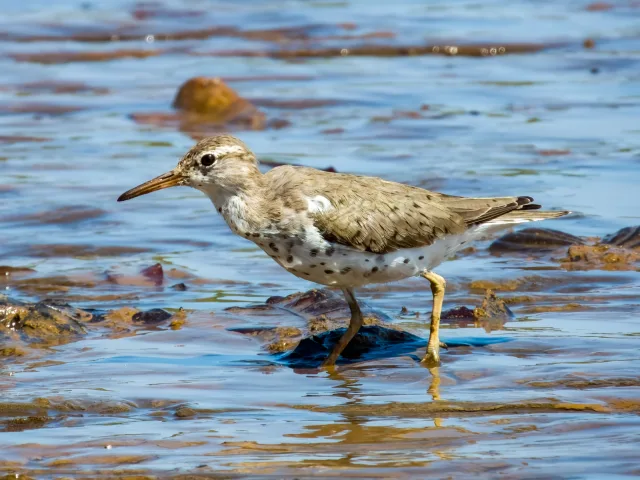
Spotted Sandpiper
Steller's Jay
Willow Flycatcher
Vaux's Swift
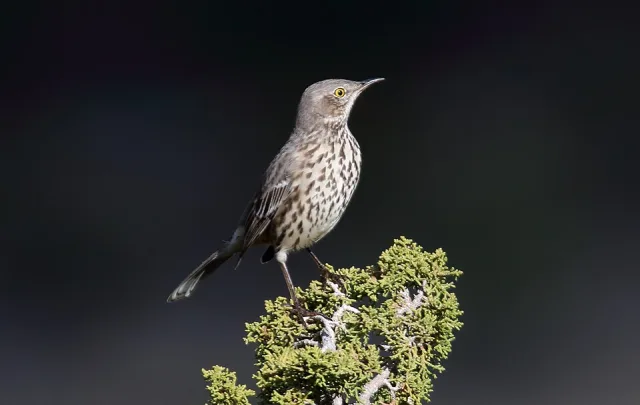
Sage Thrasher
The University of Washington has a lovely page with information about the area with a history of the development and current programs.
Deception Pass State Park
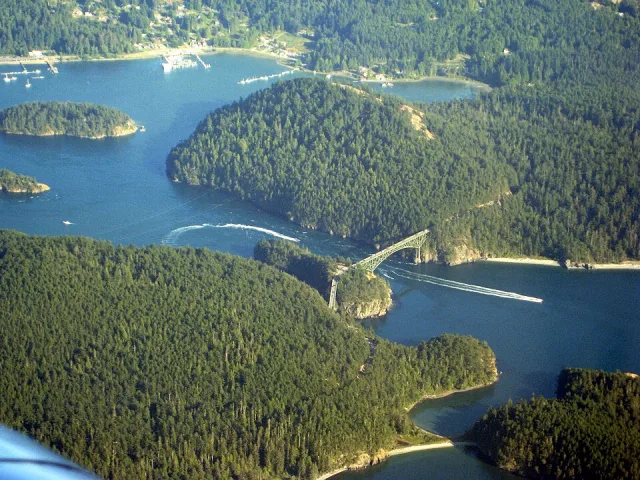
Deception Pass State Park, Washington’s most-visited state park, occupies a spectacular geographical position, spanning the strait that connects Fidalgo and Whidbey Islands. The iconic Deception Pass Bridge, arching 180 feet above the turbulent, swirling waters of the pass, serves as the park's centerpiece, offering dramatic vistas of rugged coastline, rocky sea cliffs, and the Salish Sea.
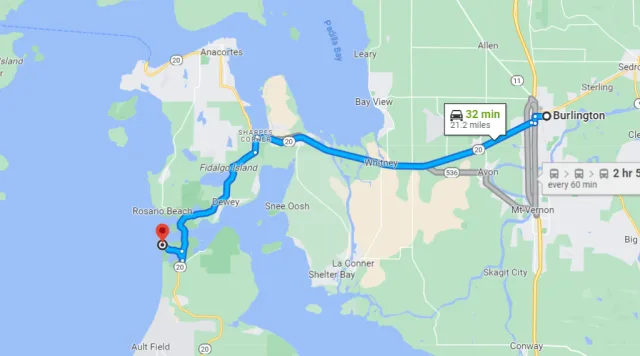
The park’s 4,000 acres encompass a mosaic of essential bird habitats, including saltwater shorelines, protected tide pool areas like Rosario Beach, sheltered bays such as Bowman Bay, old-growth Douglas fir forests, and three freshwater lakes, including Cranberry Lake. This unique mix of marine and terrestrial ecosystems makes it a crucial area for a wide variety of birdlife throughout the year.
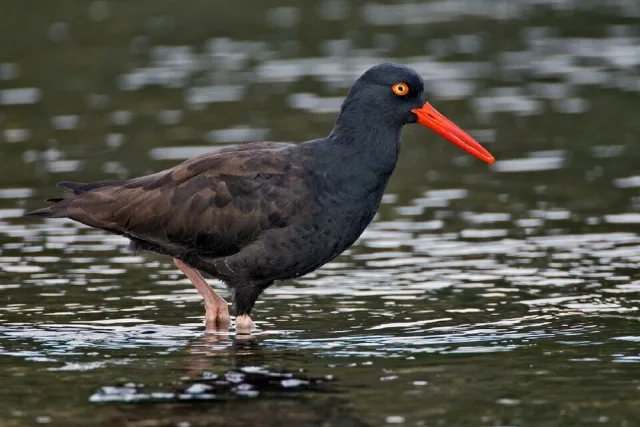
The diverse habitats at Deception Pass translate into exceptional bird watching opportunities for enthusiasts of all levels. From the high vantage points and trails, birders can scan the turbulent waters for loons, grebes, and various sea ducks, including Harlequin Ducks and Surf Scoters, particularly during the winter months. The coastal areas are favored by Black Oystercatchers and various gulls and wading birds.
Inland, the dense forests and wooded trails are home to woodland species like Red-breasted Nuthatches, Brown Creepers, and different warblers and woodpeckers. Perhaps most notable is the high number of raptors, with Bald Eagles and Peregrine Falcons frequently spotted soaring above the dramatic cliffs, using the powerful winds of the pass to hunt. Ranger-led bird walks and interpretive programs often highlight these unique species and habitats.
Target Birds
Double-crested Cormorant
Marbled Murrelet
Red-breasted merganser
Brown Creeper
Townsend's and Wilson's Warbler
Cackling Goose
The Washington State Parks website has comprehensive details about visiting the state and the recreational amenities available there.
Westport Light State Park, Westport
Westport Light State Park is strategically located on the southwestern coast of Washington, occupying Point Chehalis at the southern entrance to Grays Harbor in Grays Harbor County. This dramatic geography places the park at a unique intersection of habitats: a dynamic Pacific Ocean coastline, broad sandy beaches, rugged coastal bluffs, and dense coastal forest, including dune ecosystems stabilized by shore pine and other vegetation.
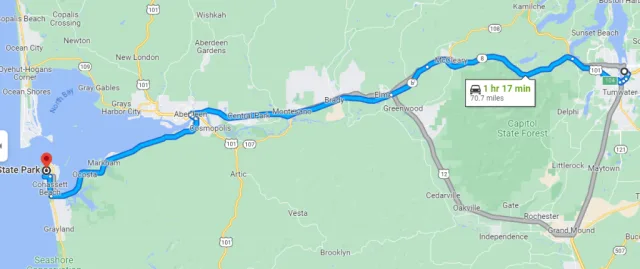
Adjacent to the park stands the historic Grays Harbor Lighthouse (or Westport Light), which offers a commanding vantage point over the marine environment. The immediate proximity to the deep waters of the Pacific and the nutrient-rich Grays Harbor Estuary makes it an outstanding spot to observe the migration and residency of both terrestrial and pelagic bird species.
The park's location makes it a prime gateway for experiencing a diverse range of bird-watching opportunities. Shore-based observation along the beaches and from the elevated bluff trails allows for excellent viewing of shorebirds, gulls, loons, and waterfowl that frequent the surf zone and nearshore waters. Species like Sanderlings, Black Turnstones, and various species of cormorants are common sights. However, one of the main attractions is the opportunity to witness pelagic (open-ocean) birds.
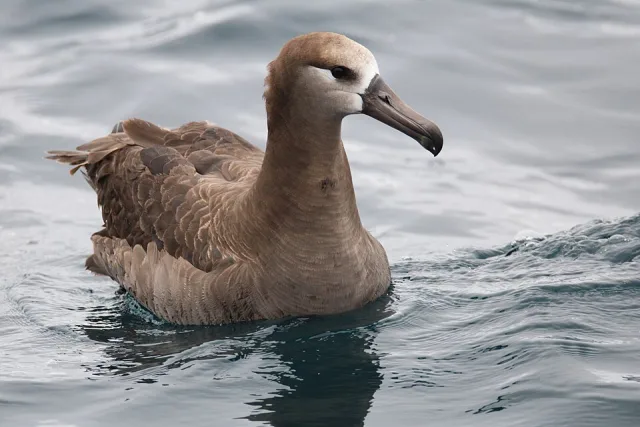
Although these deep-water species are sometimes visible from the point, Westport is famous as a departure point for all-day boat trips that venture far out to the continental shelf and submarine canyons. These trips offer reliable sightings of spectacular species like Black-footed Albatross, various shearwaters (including Sooty and Pink-footed), Fork-tailed Storm-Petrels, and Jaegers, cementing Westport's reputation as a world-class destination for serious seabird enthusiasts, particularly during the spring and fall migration seasons.
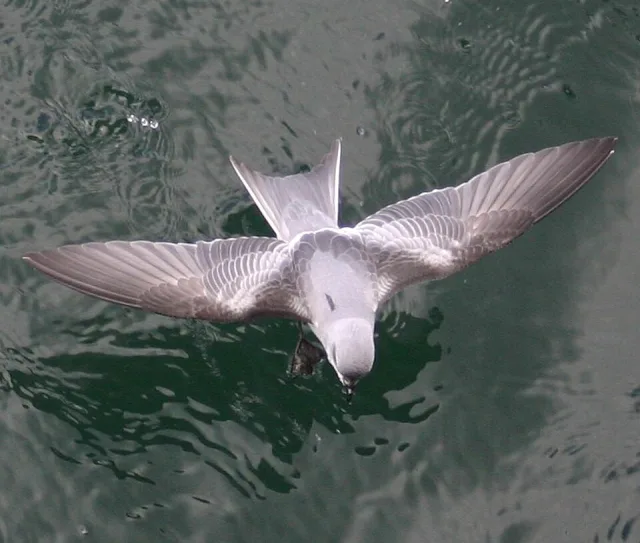
Target Birds
Brown Pelican
Boneparte's Gull
Black-footed Albatross
Fork-tailed Storm-Petrel
Surf Scoter
Red-throated Diver
Washington State Parks has lovely descriptions of the park and the facilities within it.
Ocean Shores
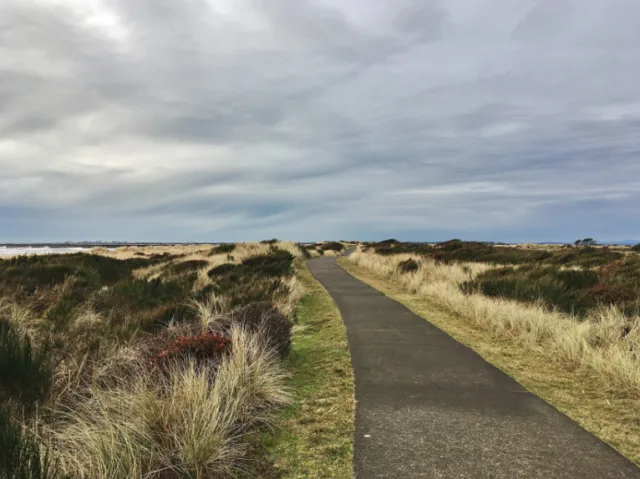
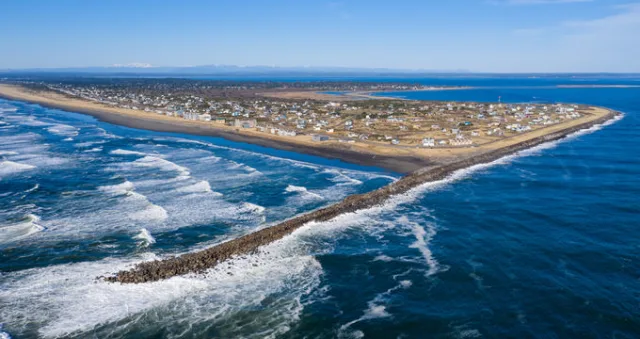
Ocean Shores is a coastal city situated on the Point Brown Peninsula in Grays Harbor County, Washington. Geographically, it occupies a long, narrow spit of land that acts as a breakwater to the entrance of Grays Harbor, a significant estuary of the Chehalis River, with the Pacific Ocean stretching along its western edge.
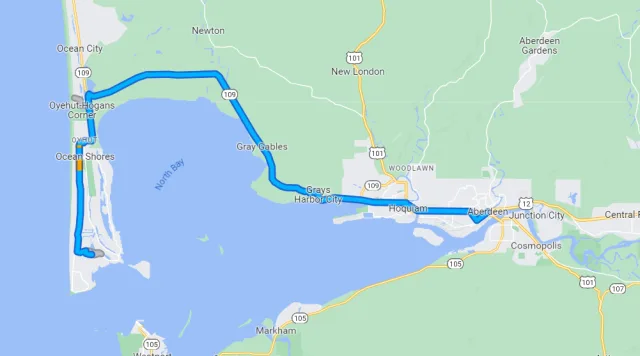
This unique position creates an unparalleled diversity of habitats within a small area, including open ocean, long sandy beaches, rocky jetties, expansive tidal mudflats, salt marshes, and even freshwater ponds and coniferous woods. The area experiences an oceanic climate, making it an excellent stopover point and year-round sanctuary for avifauna along the Pacific Flyway.
This geographical mosaic makes Ocean Shores a premier destination for bird watching, offering various hotspots for different species throughout the year. Key birding areas include the North Jetty, which provides excellent viewing for pelagic birds, waterfowl, and raptors, and the Oyhut Wildlife Recreation Area, a 683-acre preserve of wetlands and tidal flats crucial for nesting and migrating shorebirds.
The long stretches of sandy beach are ideal for spotting Sanderlings and various plovers, while Damon Point, a sandy spit, attracts loons, scoters, and even the occasional Snowy Owl in winter. The sheer concentration and variety of habitats in Ocean Shores make it an invaluable location for birders seeking everything from tiny shorebirds to majestic Bald Eagles.
Target Birds
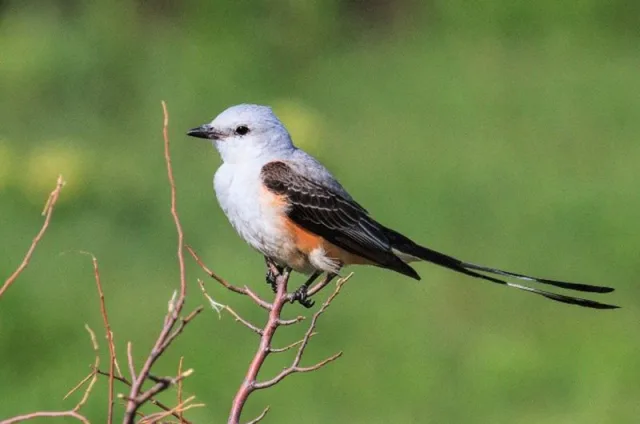
Scissor-tailed Flycatcher
Northern Harrier
Osprey
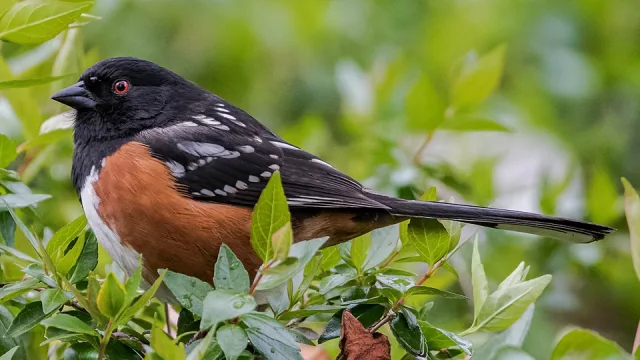
Spotted Towhee
Northern Shrike
Grey Plover
- Dunlin
The Shorebirds Festival website has good information about the geography of the area and the birding spots.
Deer Lagoon, Whidbey Island
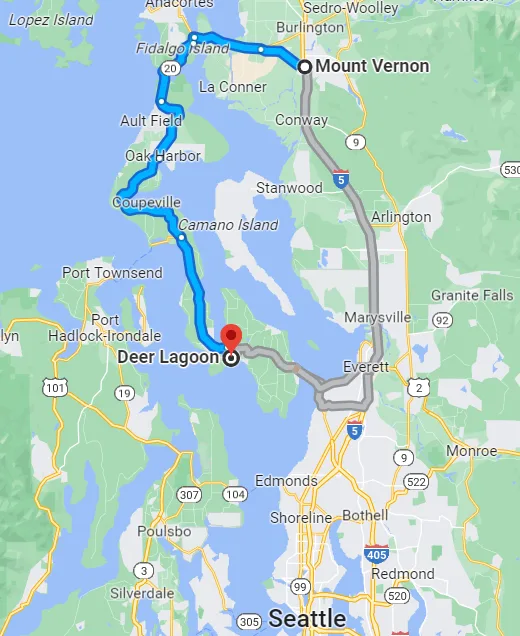
Located on the southern end of Whidbey Island, near the community of Freeland, Deer Lagoon Preserve is a dynamic tidal estuary at the northern head of Useless Bay. This critical wetland is a mosaic of habitats, including marshland, mudflats, open water, and surrounding woodlands, which were historically managed by dikes.
While the preserve is situated in a quiet residential area, the varied geography offers birders distinct viewing perspectives from two long north/south dikes that flank the lagoon. The entire area has been designated a National Audubon Important Bird Area (IBA) and is recognized as the most important wetlands in Island County, hosting at least 211 different bird species.
The preserve is an exceptional site for waterfowl throughout the year, but the spring and fall migrations transform the lagoon into a critical staging and feeding ground for a massive influx of transient species. Bird watchers can expect to see a wide variety of dabbling and diving ducks, loons, and grebes.
Crucially, the expansive mudflats are vital for migratory shorebirds like sandpipers and plovers, while the surrounding habitat supports numerous raptors, including Northern Harriers, and various passerines like warblers and sparrows. The relatively easy access along the dike trails, though parking is limited, makes Deer Lagoon one of Washington’s premier, must-visit birding locations for experiencing the Pacific Flyway.

Target Birds
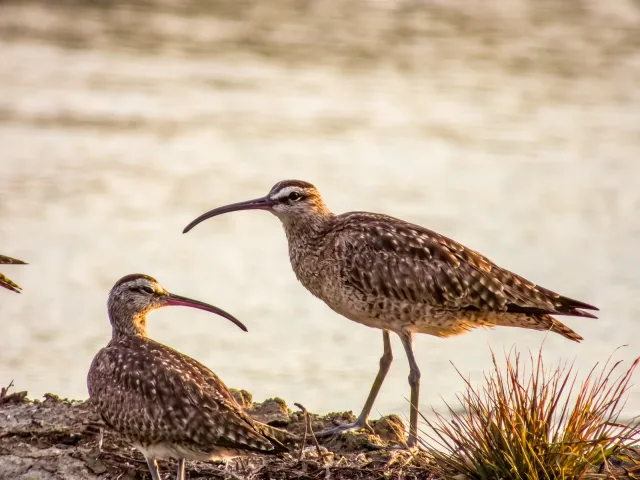
Whimbrel
Swainson's Thrush
Cedar Waxwing
American White Pelican
Bewick's Wren
Marbled Godwit
The Whidbey Audubon Society has extensive lists of potential bird sightings at the lagoon and wider island.
Wrapping Up
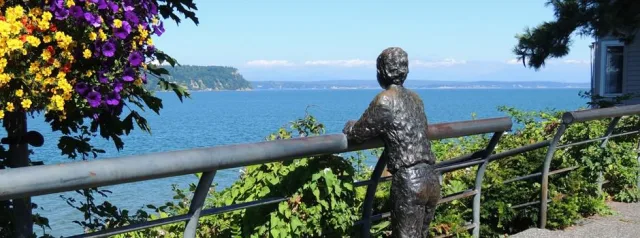
From the carefully preserved ecosystem of Deer Lagoon on Whidbey Island to the dynamic urban oasis of the Union Bay Natural Area in Seattle, Washington State truly stands as a pivotal destination on the Pacific Flyway. The sheer variety of its habitats—from rugged Pacific coastline and temperate rainforests to dry eastern grasslands and intricate wetlands—offers unparalleled bird-watching opportunities throughout the calendar year.
Whether seeking the spectacle of migratory shorebirds, the intimate observation of resident owls, or the rewarding experience of identifying a vast array of waterfowl, Washington State invites birders of all skill levels to connect with nature's vibrant rhythms. Planning a trip here means preparing for not just a bird-watching excursion, but an immersion into a landscape where conservation, accessibility, and natural beauty converge to create a truly unforgettable avian experience. The next sighting, the next discovery, is always just around the bend in this Pacific Northwest paradise.
Feathered Favorites: Why We Like Some Birds More Than Others
