
The Salish Sea, the intricate network of coastal waterways that includes Puget Sound, the Strait of Juan de Fuca, and the Strait of Georgia, is one of the most biologically diverse and important marine ecosystems on the Pacific Coast. For birders, this region of Washington State is a spectacular winter destination and a critical summer breeding ground, hosting a diverse community of seabirds, shorebirds, and marine ducks. Far from the monotony of the open ocean, the turbulent, nutrient-rich waters and sheltered islands of the Salish Sea provide a feast that attracts thousands of avian residents and migrants, offering unparalleled viewing opportunities from both shore and boat.
The Seasonal Spectacle: Winter and Summer Birds
Seabird watching in the Salish Sea is a dynamic, year-round activity governed by seasonal movements.
Winter Wonders (October to April)
During the colder months, the Salish Sea becomes a major wintering destination for marine birds migrating south from the Arctic and interior Canada. The relatively mild climate and abundant food supply in the sheltered waters draw huge numbers of diving ducks and loons.
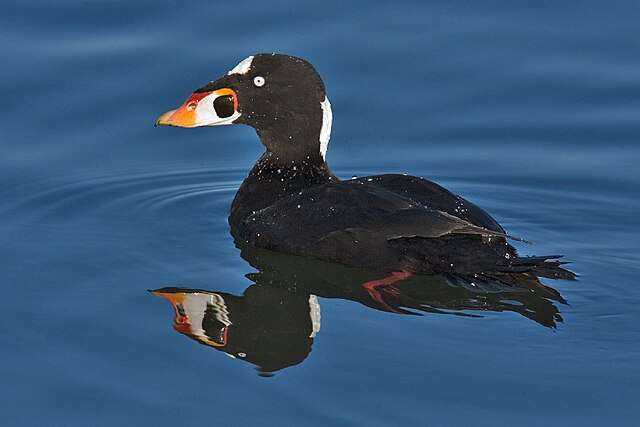
Diving Ducks: Large rafts of scoters are a common sight, including Surf Scoters and White-winged Scoters. These "sea ducks" feed heavily on bivalves and herring eggs in shallow coastal waters. The brilliantly colored Harlequin Duck, a strikingly patterned species, often spends the winter foraging along the rougher, rocky coastlines. Also look for Buffleheads, small ducks with large, puffy heads, and various species of mergansers .
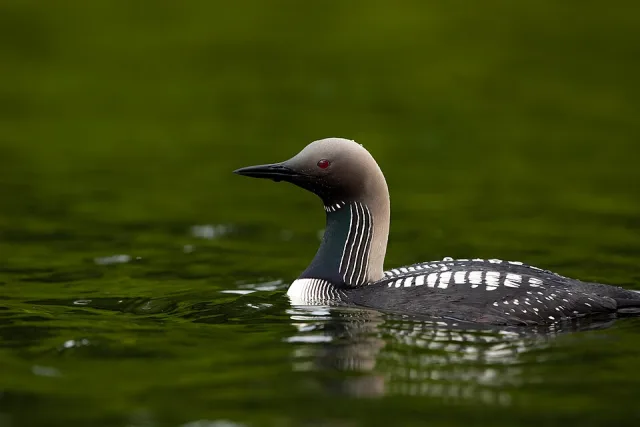
Loons and Grebes: Common Loons and the smaller, greyer Pacific Loons are frequently sighted, recognizable by their sleek, low profile on the water. They are often joined by Red-necked Grebes, which are identified by their long necks and dagger-like bills.

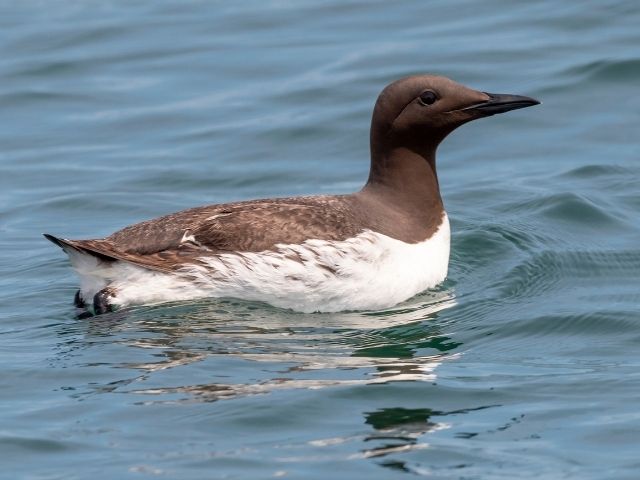
Pacific Diver Alcids and Murres: While many alcids (the family of birds that includes puffins and murrelets) move offshore for the winter, the Common Murre remains prevalent, often seen bobbing on the water in small flocks, resembling miniature penguins.
Summer Breeders (May to August)
Summer transforms the protected islands into loud, bustling breeding colonies, particularly for the alcids, which are the Salish Sea's signature seabirds.
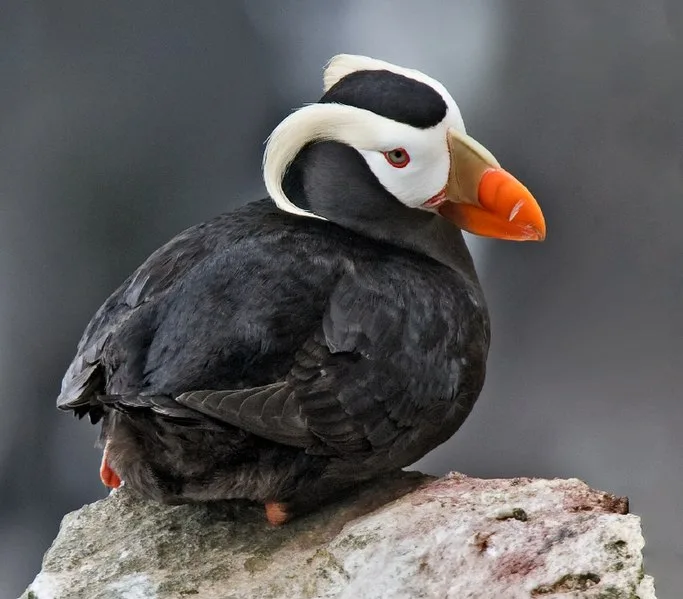
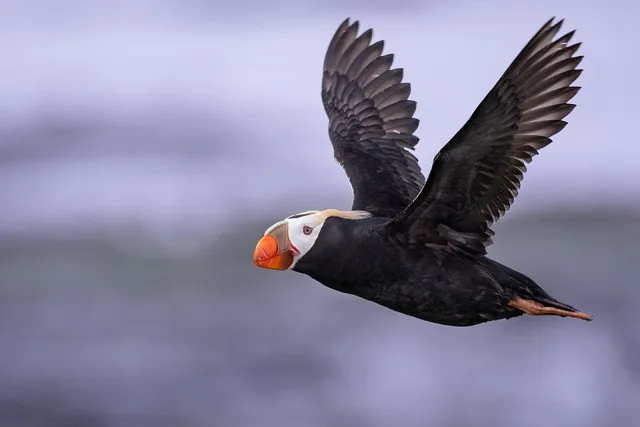
Tufted Puffins: One of the most sought-after birds, the Tufted Puffin is characterized by its bright orange bill and the backward-sweeping yellow head plumes it sports during the breeding season. One of the last remaining nesting colonies in Washington State is found near Protection Island National Wildlife Refuge in the Strait of Juan de Fuca, though they are often seen via boat tours leaving from nearby towns.
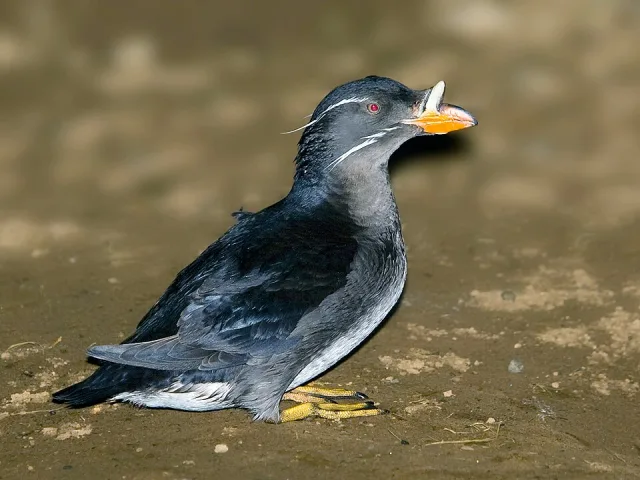
Tufted Puffin Rhinoceros Auklets: Another charismatic alcid, the Rhinoceros Auklet is a close relative of the puffin, named for the small, vertical horn (which is shed after the breeding season) on its bright orange bill. Protection Island is a major nesting site for this species.

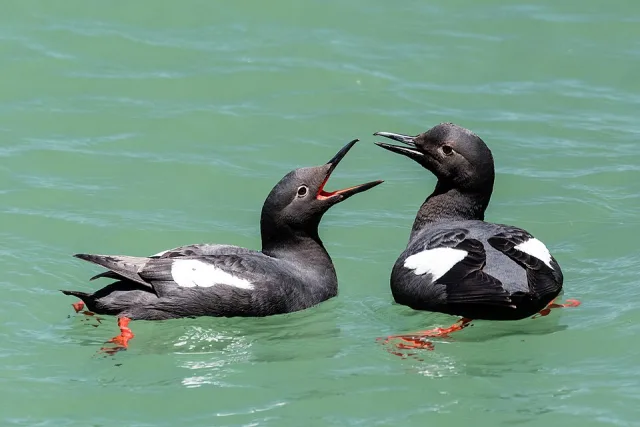
Rhinoceros Auklet Pigeon Guillemots: The Pigeon Guillemot is easily identified by its all-black body, bright red feet, and conspicuous white wing patch, often seen nesting in rocky crevices along the mainland and island shores.
Pigeon Guillemot https://lovethebirds.com/washington-state-best-bird-watching-locations/
Signature Species: The Salish Sea Specialties
A few species stand out as emblematic of the Washington State coastline and the conservation issues facing the region.
The Marbled Murrelet: The Forest-Nester
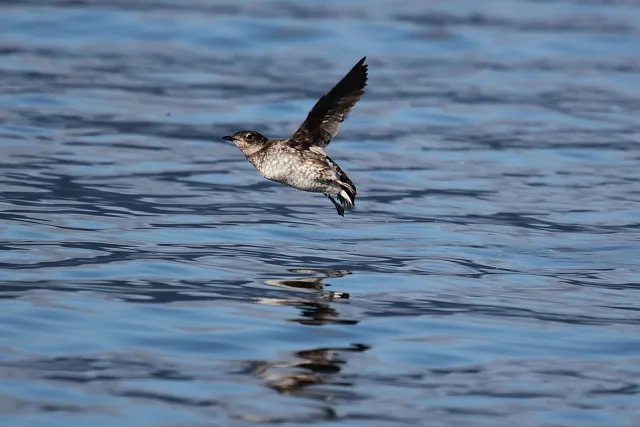
The Marbled Murrelet (Brachyramphus marmoratus) is one of the most enigmatic seabirds in the world. This small, robin-sized alcid spends its life foraging in the near-shore marine environment, but it possesses the unique, and precarious, habit of nesting inland.
Unique Nesting: It flies up to 50 miles inland to nest on the wide, mossy branches of mature or old-growth conifer trees in the coastal forests, a habit that remained a mystery to science until the 1970s.
Conservation Status: The species is listed as threatened under the federal Endangered Species Act due to the decline of its old-growth nesting habitat. Observing a Marbled Murrelet in Washington is considered a significant sighting, particularly near the mouths of rivers where they commute between their ocean foraging grounds and their deep-forest nests.
The Black Oystercatcher: The Shoreline Sentinel
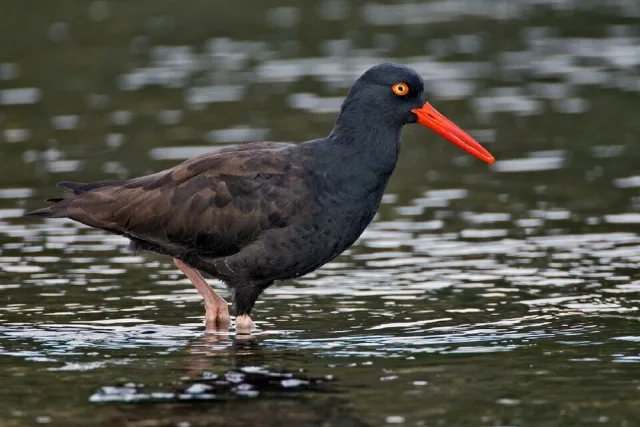
The Black Oystercatcher (Haematopus bachmani) is a striking bird of the intertidal zone, easily recognizable by its entirely black plumage, bright red eyes, and massive, thick, orange-red bill.
Foraging: These birds are often seen along rocky shorelines, using their specialized bills to pry open limpets, mussels, and other marine invertebrates.
Indicators of Health: They are monogamous and tend to return to the same isolated rocky beaches or outcrops to nest year after year, making them excellent indicators of the health and stability of the rugged intertidal ecosystem.
Cormorants: The Diving Specialists
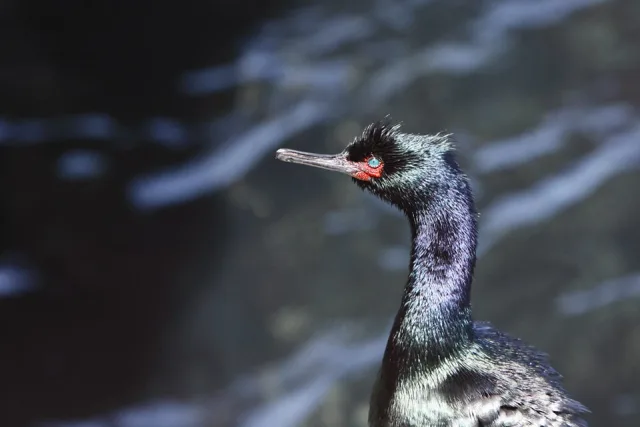
Three species of Cormorants are commonly seen: the Double-crested, the Pelagic, and Brandt’s Cormorant. These long-necked, dark diving birds lack the oil gland that waterproofs most seabirds, leading them to perch with wings outstretched—a common, recognizable sight—to dry their feathers after a deep dive.
Prime Birding Locations in Washington State
To experience the full diversity of the Salish Sea, birders should explore several key locations, each offering a distinct vantage point.
1. The San Juan Islands (Ferry and Shore-Based)
Experience: The ferry routes between Anacortes and the islands (Lopez, San Juan, Orcas) offer an excellent, accessible pelagic birding experience, especially in winter.
Sightings: Look for loons, grebes, alcids, and huge flocks of scoters resting in the passes. Shorelines like Cattle Point on San Juan Island provide excellent land-based scoping.
2. The Olympic Peninsula and Strait of Juan de Fuca
Ediz Hook and Dungeness Spit: These long, sandy peninsulas near Port Angeles and Sequim provide prime habitat for shorebirds and excellent places to set up a scope for marine ducks and alcids in the Strait of Juan de Fuca.
Neah Bay and Cape Flattery: Located at the far northwestern tip of the state, these sites offer spectacular views of the Pacific Ocean meeting the Strait, often producing more oceanic species like shearwaters and jaegers, in addition to common alcids.
3. Protection Island National Wildlife Refuge (Boat Tour Only)
Significance: This is a crucial breeding area, hosting nearly three-quarters of the Puget Sound's nesting seabirds, including large colonies of Rhinoceros Auklets and one of Washington's last Tufted Puffin colonies.
Access: The island is closed to public entry, but licensed bird watching cruises depart from towns like Port Townsend and Edmonds, offering spectacular views of the nesting birds from a respectful distance.
The Salish Sea, a biological treasure of the Pacific Flyway, is an area where every rocky outcropping and turbulent current contributes to a magnificent avian ecosystem. It’s a place where the smallest bird, the Marbled Murrelet, leads you to the oldest forests, and where a single boat ride can reveal a density of seabirds rivaled by few other places in the world.
