

The list of the 50 most frequently reported birds in the United States, compiled from millions of submissions to citizen science platforms like eBird, provides a unique window into the intersection of ecology and human behavior. This list is less a measure of absolute population size (the number of birds in the wild) and more a measure of visibility, detectability, and proximity to people. The result is a ranking system heavily influenced by what ornithologists call the Visibility Bias: birds that are big, loud, brightly colored, or live in our backyards are reported far more often than their shy, numerous counterparts in remote forests.
Comparing the list of the most reported species to the estimated populations reveals that the birds we see most often are not the ecological titans, but rather the highly adaptable stars of the human-modified landscape.
The Power of Proximity: Backyard and Urban Stars
The top of the reported list is dominated by species that have successfully exploited urban and suburban environments, making them inescapable for the casual observer and easy to log for the dedicated birder.
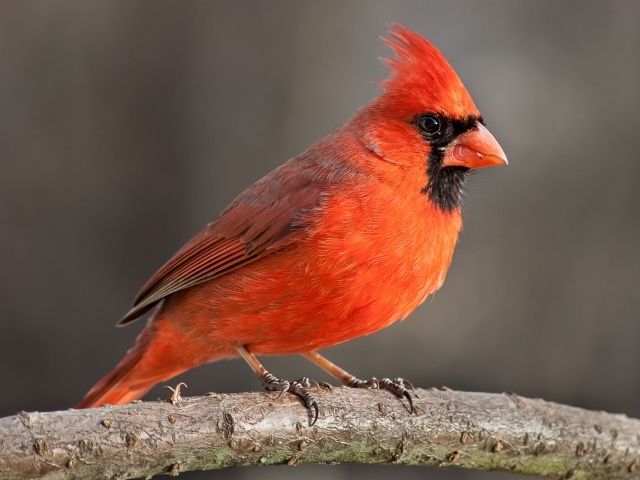
- Northern Cardinal (Rank 4) and Blue Jay (Rank 9): These birds are poster children for the Visibility Bias. They are non-migratory (present year-round), brightly colored, and consistently visit feeders. The Cardinal, in particular, is highly territorial and delivers its loud, whistling song from exposed perches. They are visually prominent in human spaces, leading to high report rates, even though their total populations (around 110 million for the Cardinal and 17-20 million for the Blue Jay) are significantly lower than forest dwellers like the Red-eyed Vireo (130 million) which is virtually absent from this list.
- Introduced Species: The European Starling (Rank 6) and House Sparrow (Rank 7), despite being non-native, rank high because of their intense concentration in cities, towns, and agricultural areas. They are highly conspicuous, nest on human structures, and are almost impossible to miss, guaranteeing them a top spot on every local checklist.
- The Friendly Foragers: The Black-capped Chickadee (Rank 15) and Tufted Titmouse (Rank 37) are common at feeders and are famously curious, often approaching humans. This willingness to engage greatly increases their chances of being reported.

The Detectability Factor: Size, Sound, and Soaring
Many high-ranking birds owe their reported success not to large populations, but to behaviors and physical traits that make them impossible to ignore.
A. Size and Silhouette (The Raptors and Waterfowl)
Raptors and large waterbirds are naturally far less numerous than songbirds, yet they frequently break into the top 50 reported birds because of their sheer size and how they use open space.

- Red-tailed Hawk (Rank 8) and Turkey Vulture (Rank 20): These birds are often seen soaring high or perched conspicuously on utility poles and highway signs. They cover large territories, ensuring they are seen by many people. The Bald Eagle (Rank 49), despite a relatively small total population, is almost always reported due to its iconic status and large size, making it a highly targeted species for eBirders.
- Waterfowl: The Mallard (Rank 1) and Canada Goose (Rank 2) top the list because they are large, gregarious, and concentrate on easily accessible, open bodies of water (parks, ponds, reservoirs) where human access is frequent. They are easy to count and impossible to misidentify.
B. The Power of the Call (The Loud and Unmistakable)
For many species, the sound they make is more important than their appearance for getting reported.
- American Crow (Rank 10) and Common Raven (Rank 31): Loud, harsh, and distinct vocalizations draw attention even when the birds are high up or partially concealed. Their intelligence and boldness also contribute to their high report rates.
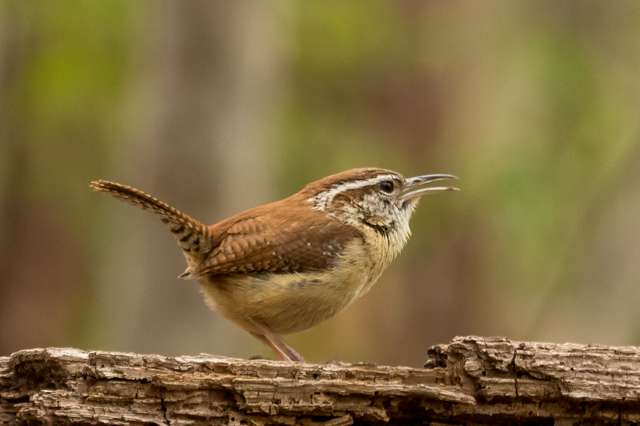
- Carolina Wren (Rank 23): This tiny bird is the loudest singer per body size in North America. Its persistent, explosive song throughout the year ensures it is detected and reported even when hidden in dense thickets near houses.
- Great Horned Owl (Rank 38): Despite being nocturnal, the owl's deep, resonant hooting is often recorded by birders engaging in nocturnal birding or simply hearing it from their homes.
The Unseen Majority: Birds That Skip the Checklist
The most profound insight from the reported list is the absence of species that actually have the largest total populations. These birds demonstrate a "low visibility, high abundance" profile.
| High Abundance (Low Reporting) Species | Estimated Population (Millions) | Why They Aren't Reported Often |
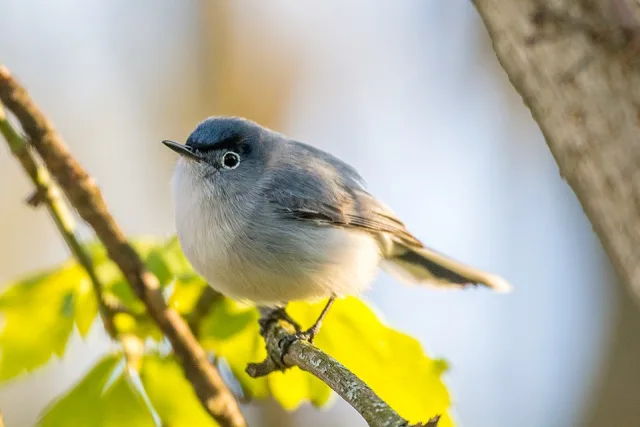
| Blue-gray Gnatcatcher | ~230 | Tiny, restless, and forages high in the canopy; its subtle colors blend in. |
| Dark-eyed Junco | ~220 | Primarily a winter resident, often overlooked as a "little brown job" when not at feeders. |
| Red-eyed Vireo | ~130 | Forages slowly and quietly high in dense deciduous tree canopies; easily missed. |
| Chipping Sparrow | ~210 | Very small and its identifying feature (the red cap) is often obscured in winter. |
| Hermit Thrush | ~78 | Solitary, shy, cryptic brown plumage, prefers dense forest undergrowth. |
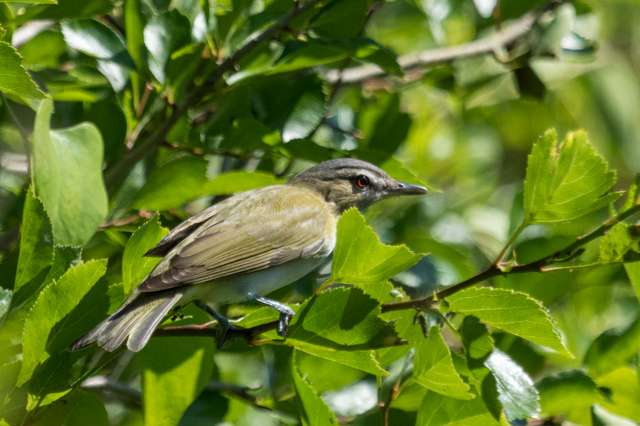
The Blue-gray Gnatcatcher (Rank 40), despite having one of the highest total population counts, is visually challenging. Its subtle blue-gray color and tiny size cause it to blend into the foliage, and its main reporting cue is its constant, faint speee call—which is often missed or ignored by non-dedicated birders. Similarly, warblers that reside high in the dense foliage, like the Red-eyed Vireo, are heard far more often than they are definitively seen and logged onto a checklist.
The Significance of the Reporting Bias
The eBird reporting list is a powerful tool for conservation, but it forces us to apply a critical lens:
- Conservation Focus: The list highlights that many of the least-known birds are the most numerous ecologically. Conservation efforts must not be solely guided by what is easiest to see and report, but by the actual population numbers and trends of the difficult-to-monitor species.
- Citizen Science Value: The high reporting rate for common birds is crucial. It provides massive amounts of data on distribution, migration timing, and habitat use across different regions, creating a crucial baseline for monitoring the health of the entire avian ecosystem.
- Encouraging Deeper Observation: For birding organizations, the list underscores the need to encourage new birders to look beyond the feeder and learn the calls and subtle features of the tiny, high-canopy dwelling species, thereby reducing the systemic Visibility Bias in the data.
In conclusion, the most reported birds are the noisy, bold, and easily accessible neighbors who live alongside us. The most numerous birds, however, are the quiet, adaptable phantoms of the deep woods and high canopies—a reminder that a vast majority of North America’s avian life is thriving out of sight, shaping an ecological world that far exceeds the limits of our human gaze.
Top 50 Most Reported Birds in the U.S. (eBird Frequency)
| Rank | Bird Species (Common Name) | Family / Group | Notes on Reporting Success |
| 1 | Mallard | Waterfowl | Widely recognized, common in urban parks and wetlands globally. |
| 2 | Canada Goose | Waterfowl | Very large, ubiquitous, and adapted to urban/suburban environments. |
| 3 | American Robin | Thrush | The ultimate backyard bird, highly visible and widespread. |
| 4 | Northern Cardinal | Cardinal | Brightly colored, non-migratory, and a frequent feeder visitor. |
| 5 | Mourning Dove | Dove | Found in nearly all habitats across the contiguous U.S. |
| 6 | European Starling | Starling (Introduced) | Extremely common in human-settled areas; often found in large flocks. |
| 7 | House Sparrow | Old World Sparrow (Introduced) | Closely tied to human structures in cities and towns. |
| 8 | Red-tailed Hawk | Raptor | Large, conspicuous soaring hawk; often seen perched near highways. |
| 9 | Blue Jay | Jay/Corvid | Loud, bold, easily recognized, and a common feeder bird in the East. |
| 10 | American Crow | Corvid | Highly intelligent, loud, and adapted to almost every habitat. |
| 11 | Red-winged Blackbird | Blackbird | Abundant, conspicuous, and forms massive, easily reported flocks. |
| 12 | American Goldfinch | Finch | Common feeder bird; distinct bright yellow plumage in summer. |
| 13 | Downy Woodpecker | Woodpecker | Smallest and most common backyard woodpecker across the East. |
| 14 | Song Sparrow | New World Sparrow | Widespread, bold, and has a persistent, easily heard song. |
| 15 | Black-capped Chickadee | Chickadee | Very common, curious, and often comes close to humans in the North. |
| 16 | House Finch | Finch | Common in urban and suburban areas, often uses human structures for nesting. |
| 17 | Dark-eyed Junco | New World Sparrow | A very common winter backyard bird across most of the U.S. |
| 18 | American Kestrel | Falcon | Small, brightly colored falcon, often seen hovering over open fields. |
| 19 | Northern Flicker | Woodpecker | Large, distinctive ground-foraging woodpecker. |
| 20 | Turkey Vulture | Vulture | Large, conspicuous scavenger often seen soaring high. |
| 21 | Common Grackle | Blackbird | Highly adaptable, bold, and dominates urban parks and parking lots. |
| 22 | White-breasted Nuthatch | Nuthatch | Easily observed creeping head-first down tree trunks. |
| 23 | Carolina Wren | Wren | Loudest song per body size, often active near houses in the Southeast. |
| 24 | Belted Kingfisher | Kingfisher | Distinctive crest and dive-fishing behavior near water bodies. |
| 25 | Ruby-throated Hummingbird | Hummingbird | Highly sought-after summer visitor at feeders in the East. |
| 26 | Great Blue Heron | Heron | Very large wading bird, easily spotted and identified near water. |
| 27 | Eastern Bluebird | Thrush | Highly visible and commonly uses human-provided nest boxes. |
| 28 | Ring-billed Gull | Gull | Extremely common and conspicuous in parking lots, beaches, and dumps. |
| 29 | Rock Pigeon | Pigeon (Introduced) | Ubiquitous in urban and industrial centers nationwide. |
| 30 | Hairy Woodpecker | Woodpecker | Found in more mature woodlands; less common but still frequently seen. |
| 31 | Common Raven | Corvid | Dominant, large corvid in the West, Alaska, and northern regions. |
| 32 | Northern Mockingbird | Mimic | Very conspicuous, often singing its complex song from an exposed perch. |
| 33 | Cedar Waxwing | Waxwing | Highly attractive bird, often seen in easily reported flocks feeding on berries. |
| 34 | Common Yellowthroat | Warbler | Widespread, easily recognized by the black mask; common near marshy areas. |
| 35 | Yellow-rumped Warbler | Warbler | The most abundant and widespread warbler, stays farther north in winter. |
| 36 | Spotted Towhee | Towhee | Conspicuous and easily reported scratching for food in western thickets. |
| 37 | Tufted Titmouse | Titmouse | Common, curious, and often uses feeders in the East. |
| 38 | Great Horned Owl | Owl | While nocturnal, its large size and distinct calls make it widely reported. |
| 39 | American Coot | Rail/Coot | Very common and easily visible coot on open fresh water. |
| 40 | Blue-gray Gnatcatcher | Gnatcatcher | Its constant spee call and tail flick give away its location in the canopy. |
| 41 | Steller's Jay | Jay/Corvid | Loud and bold corvid of western forests and mountains. |
| 42 | Turkey (Wild) | Game Bird | Large, easily identified game bird often seen in fields and woods. |
| 43 | Anna's Hummingbird | Hummingbird | Widespread and resident year-round in much of the West Coast. |
| 44 | Fox Sparrow | New World Sparrow | Large, distinctive sparrow, often seen scratching vigorously in leaf litter. |
| 45 | White-throated Sparrow | New World Sparrow | Common, recognizable winter visitor in the East with a distinct O-Canada song. |
| 46 | Marsh Wren | Wren | Very noisy and active wren, easily detected in marsh habitats. |
| 47 | Bufflehead | Waterfowl | Small, distinctively patterned diving duck; common in winter. |
| 48 | Wood Duck | Waterfowl | Beautiful, recognizable duck that nests in tree cavities. |
| 49 | Bald Eagle | Raptor | National symbol; highly searched for and always reported when seen. |
| 50 | Eastern Phoebe | Flycatcher | Common flycatcher that often nests on or near human structures (porches/sheds). |
