

Virginia is a spectacular destination for birdwatching, owing to its remarkable geographical diversity which captures nearly every major habitat type on the East Coast. From the rugged peaks of the Blue Ridge Mountains to the sandy shores of the Atlantic Ocean, the state acts as a crucial crossroads along the Atlantic Flyway, funneling millions of migratory birds through its borders each spring and fall. This ensures a rich and varied avian checklist, featuring everything from neotropical songbirds and impressive raptor migrations to vast concentrations of coastal and pelagic species.

This ecological richness means birding opportunities abound in every corner of the Commonwealth. In Northern Virginia, the proximity of metropolitan areas to vital protected wetlands makes places like the Dyke Marsh Wildlife Preserve an essential stop for observing breeding marsh birds and a surprising variety of warblers and shorebirds. Conversely, the southeastern coast, particularly the area around Virginia Beach, provides unparalleled winter spectacles with thousands of snow geese, tundra swans, and other waterfowl finding refuge, alongside the chance to spot unique coastal and ocean-dwelling species. Virginia offers a dynamic and rewarding experience, whether you seek the quiet thrill of a forest sighting or the grand scale of a massive coastal flyover.
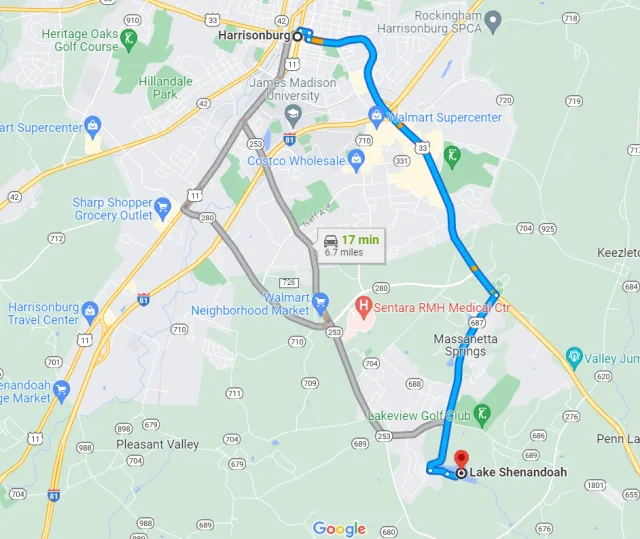
Lake Shenandoah
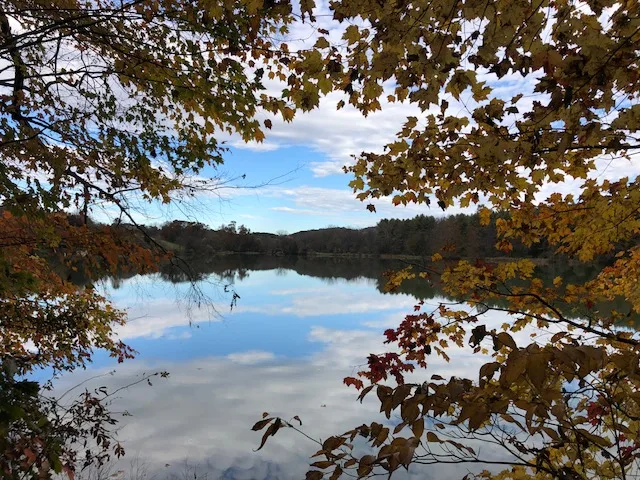
Lake Shenandoah is a 36-acre impoundment owned by the Department of Wildlife Resources, located a few miles east of the city of Harrisonburg in Rockingham County, within the scenic Shenandoah Valley region of Virginia. While nestled in an area known for the nearby Blue Ridge Mountains, the lake itself and its surrounding land provide a unique combination of aquatic and terrestrial habitats. Geographically, the lake is primarily shallow, with most areas less than three feet deep, but it reaches a maximum depth of 25 feet near the dam.
The perimeter is largely accessible, featuring a Pollinator Trail that showcases native wildflowers and grasses, transitioning from the open water to restored meadow and scrubby bush habitats. This environment offers a critical wildlife stopover, blending an urban-proximate location with natural diversity.
The various habitats at Lake Shenandoah—open water, emergent marsh, scrub-shrub, and restored meadow—make it a significant location on the Virginia Birding and Wildlife Trail (Lost Shoe Loop). The lake is locally renowned for attracting a spectacular diversity of waterfowl during migration and in winter, when it becomes a key refuge for birds passing through or spending the season in the Shenandoah Valley.

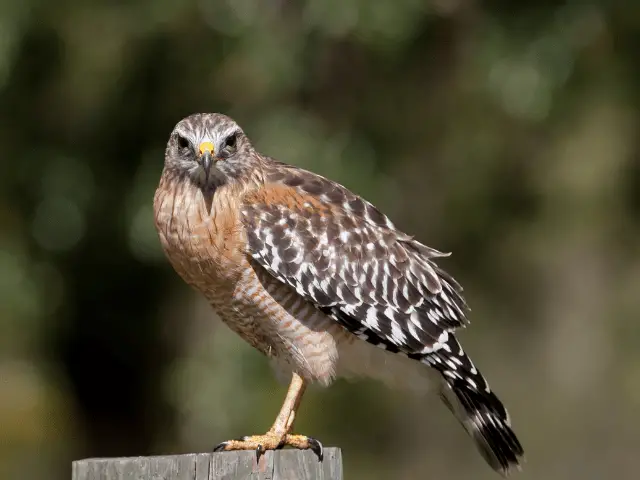
Year-round residents and summer breeders include species such as Green Herons, Great Blue Herons, Mallards, Wood Ducks, and Belted Kingfishers hunting over the water. The surrounding scrub and meadow areas are excellent for spotting various songbirds, including Indigo Buntings, Gray Catbirds, and Song Sparrows. Additionally, Barn and Tree Swallows nest nearby and are frequently seen foraging over the water, while various raptors like Red-tailed and Red-shouldered Hawks are often observed circling overhead.
Target Birds
Great Crested Flycatcher
Warbling and Red-eyed Vireo
Brown Thrasher
Baltimore Oriole
Veery
Louisiana Waterthrush
Yellow-bellied Sapsucker
Ovenbird
The Virginia Department of Wildlife Resources manages the lake and they report a number of ongoing challenges. For up to date information, check their website here.
Chincoteague National Wildlife Refuge
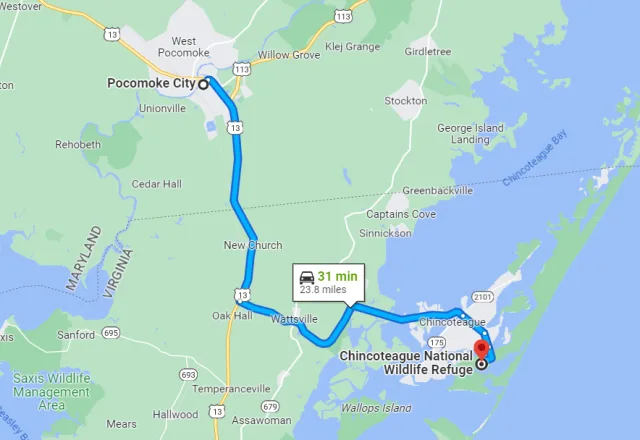
Chincoteague National Wildlife Refuge (NWR) is a spectacular 14,000-acre wildlife preserve primarily situated on the Virginia portion of Assateague Island, a dynamic barrier island along the Atlantic Ocean. Its strategic location on the Eastern Shore of Virginia places it at a crucial choke-point along the Atlantic Flyway, making it a magnet for migratory birds. The refuge’s geography is a complex and highly valuable mix of habitats: a vast, windswept sandy beach and dune system provides the outer buffer; behind this lie extensive salt marshes bordering the Chincoteague Bay; and interspersed throughout are unique areas of maritime forest and highly managed, man-made freshwater impoundments (pools).
This diverse and coastal environment provides essential food, resting, and nesting areas for hundreds of species as they travel up and down the coast.
With a bird list boasting over 320 species, Chincoteague NWR is renowned as one of the finest birding locations on the East Coast. Its reputation is particularly strong for large concentrations of waterfowl and shorebirds. In the late fall and winter, the managed freshwater pools—such as Snow Goose Pool and Shoveler Pool—become packed with thousands of Snow Geese, Brant, Tundra Swans, and various species of dabbling ducks, including Northern Pintails and American Black Ducks.
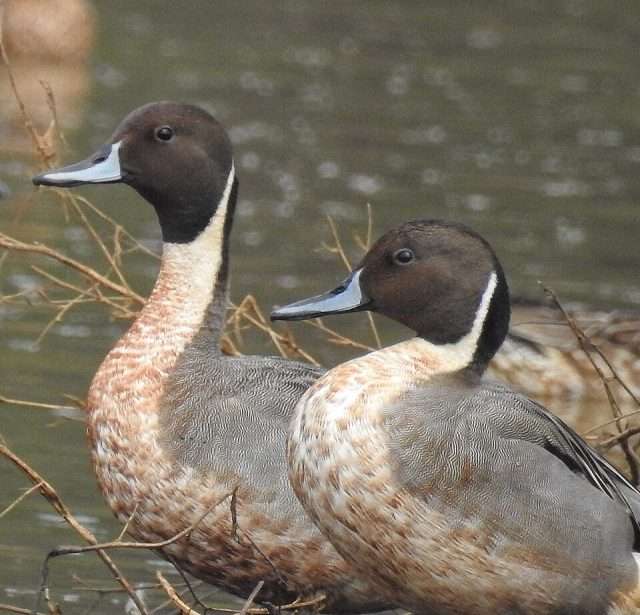
During spring and fall migration, the wide beaches and mudflats attract incredible numbers of shorebirds, making it a critical refueling site for species like Dunlin, Sanderling, and the federally threatened Piping Plover, which also nests here. Furthermore, the maritime forests and shrub thickets along the Wildlife Loop offer great opportunities to observe songbirds, raptors like Peregrine Falcons and Merlin during their coastal migration, and a variety of herons and egrets that forage in the salt marshes and ditches.
Target Birds
Gray, Piping and Semipalmated Plover
Greater and Lesser Yellowlegs
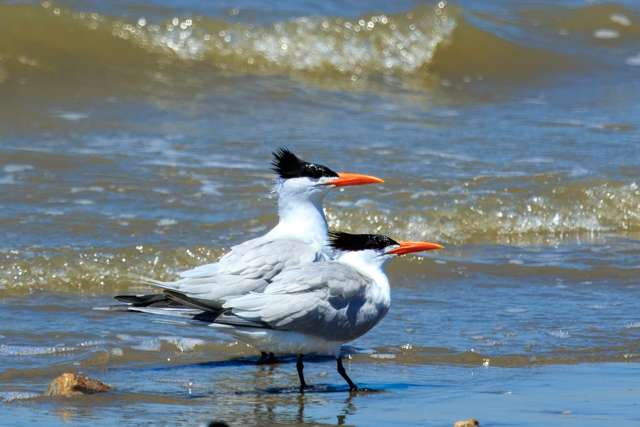
Least, Royal and Forster's Tern
Surf and Black Scoter
White-throated, Yellow-eyed and Red-eyed Vireo
For more information, visit the U.S. Fish and Wildlife Services website here.
Virginia Beach
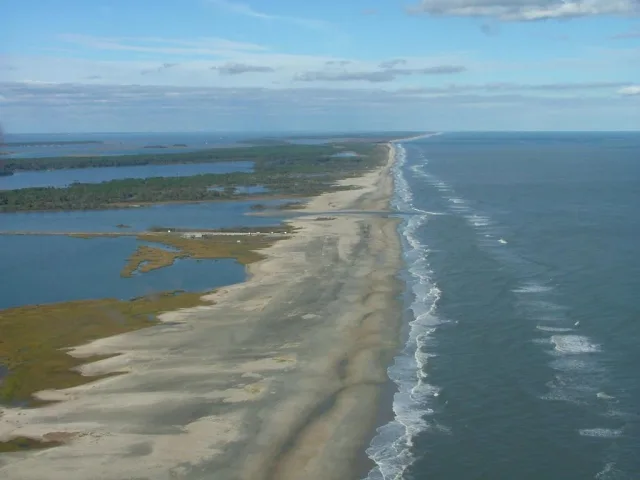
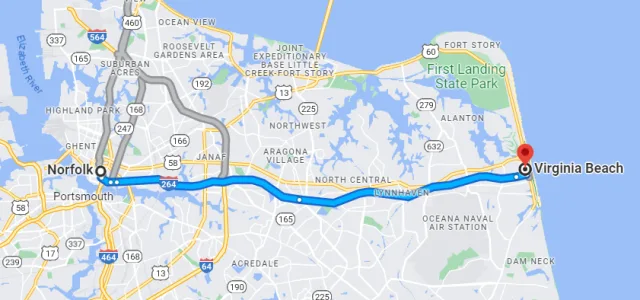
Virginia Beach is uniquely positioned at the confluence of the Atlantic Ocean and the mouth of the Chesapeake Bay, creating a diverse geographic setting that is critical for birdlife. While the city is famous for its resort strip, the southern half of the city is characterized by a remarkable stretch of pristine, undeveloped coastline and brackish water habitat. Key birding areas like Back Bay National Wildlife Refuge (NWR) and False Cape State Park occupy the narrow peninsula that forms the northern tip of the Outer Banks barrier island chain.
This arrangement offers a distinct gradient of habitats: from the wide, windswept Atlantic beaches and dunes to maritime forests, and then inland to vast freshwater impoundments and brackish marshes of the Back Bay, an important part of the Currituck Sound complex. This unique geography, where salt and fresh waters meet along a major coastal migration path, is what makes Virginia Beach such a dynamic birding location.
The birdwatching at Virginia Beach is spectacular year-round but reaches a magnificent peak in winter when the area becomes a critical refuge for waterfowl. Tens of thousands of birds, including massive rafts of Tundra Swans and Snow Geese, descend upon the freshwater impoundments of Back Bay NWR.
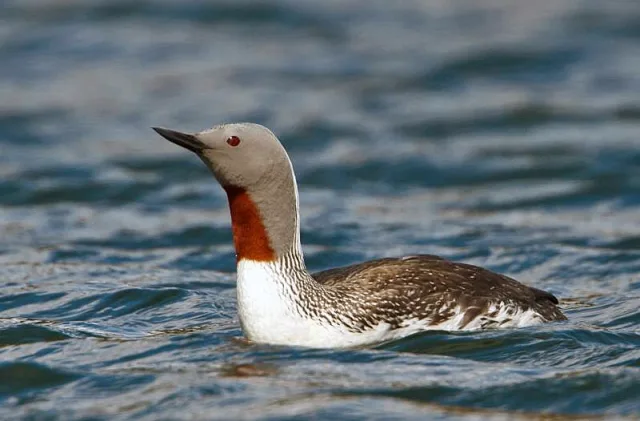
The beaches and ocean-facing dunes are excellent for observing seabirds like Loons (Red-throated and Common), various species of Scoters, and often Harlequin Ducks and Razorbills from the shore during winter. Additionally, the shorelines are essential for shorebirds during migration and nesting, with species like the threatened Piping Plover and the striking American Oystercatcher being key targets. The forested areas of First Landing State Park also serve as vital stopovers for migrating warblers and other neotropical songbirds during the spring and fall, demonstrating the incredible diversity packed into this coastal region.
Target Birds
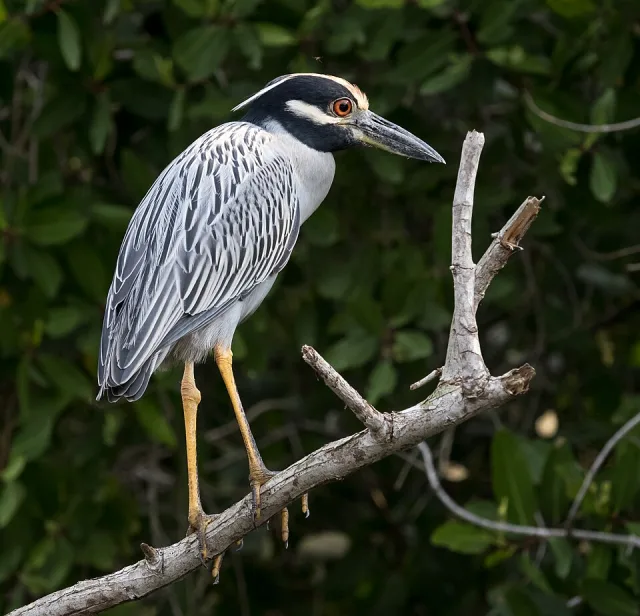
Yellow-crowned Night Heron
Osprey
Pine and Prothonotary Warbler
Spotted and Semipalmated Sandpiper
Swainson's and Gray-cheeked Thrush
Veery
Local bird blogger Beach Birding has information about the area.
Don't Be a Bird Feeder Flub: Common Mistakes and How to Fix Them for a Thriving Backyard Flock
Kiptopeke State Park
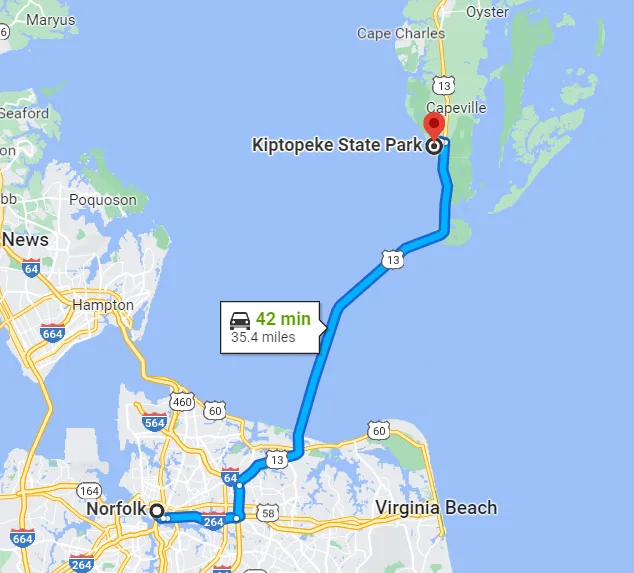
Kiptopeke State Park is uniquely situated on the southern tip of the Delmarva Peninsula in Northampton County, Virginia, just a few miles north of the Chesapeake Bay Bridge-Tunnel terminus. This position gives the park a geography defined by the convergence of two major ecological features: the mainland coast and the expansive Chesapeake Bay. The park’s 562 acres include diverse habitats such as sandy Chesapeake Bay beaches, open freshwater ponds, coastal dunes, and tracts of dense shrub and upland mixed hardwood-pine forest.
A notable feature is the line of nine historic concrete ships sunk just offshore, which now serve as a permanent artificial barrier and a vital breakwater protecting the beach and creating unique, sheltered aquatic habitat. This "bottleneck" geography is what makes the park an ecological magnet.
Kiptopeke's location makes it a world-renowned destination for birdwatching, particularly during the fall migration along the Atlantic Flyway. The Delmarva Peninsula effectively funnels millions of southbound raptors, songbirds, and butterflies down to its narrow southern terminus at the park. Here, the birds hesitate before attempting the wide crossing over the Chesapeake Bay, often seeking rest and forage.

The park hosts an elevated Hawkwatch platform where observers, often in coordination with the Coastal Virginia Wildlife Observatory (CVWO), record spectacular counts of migrating raptors, including thousands of Sharp-shinned Hawks, American Kestrels, Merlins, and Peregrine Falcons from September through November. Additionally, the park's dense scrub and woodland habitat is an exceptional spot for viewing high numbers of migrating songbirds and warblers, and its shoreline is excellent for spotting coastal birds like Brown Pelicans, gulls, and various waterfowl.

Target Birds
Summer Tanager
Red-bellied Woodpecker
Great Black-backed Gull
Fish Crow
Chipping and Field Sparrow
Prairie and Blackpoll Warbler
Belted Kingfisher
For more information, check out the USFWS website.
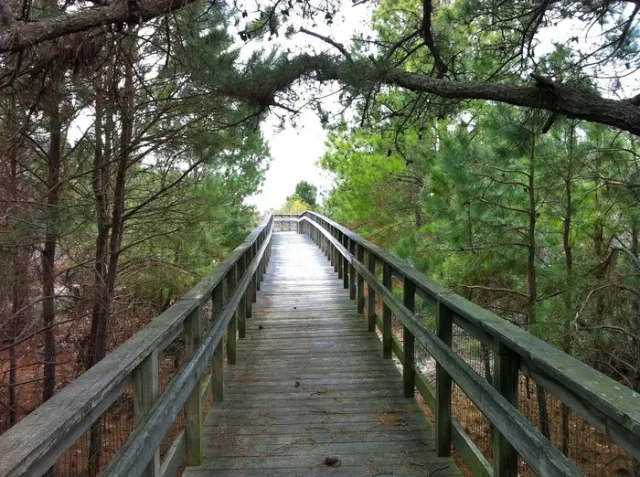
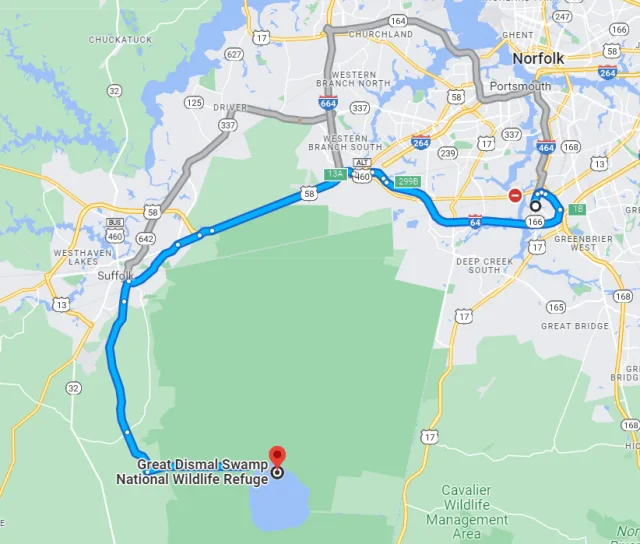
Great Dismal Swamp National Wildlife Refuge
The Great Dismal Swamp National Wildlife Refuge (NWR) is a vast, nearly 113,000-acre protected area that straddles the border of southeastern Virginia and northeastern North Carolina, located in the independent cities of Suffolk and Chesapeake in Virginia. Geographically, it is a significant wetland area and one of the last large, intact remnants of a swamp that once covered over a million acres. Uniquely, the Great Dismal Swamp sits on a slightly elevated hillside, which is unusual for a swamp, and is characterized by its high peat content.
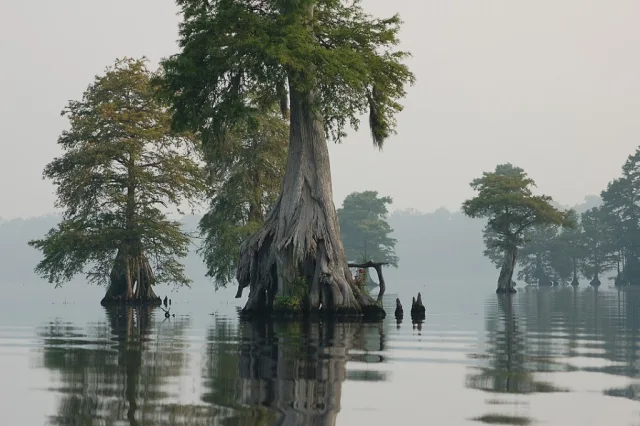
At its heart lies Lake Drummond, a 3,100-acre natural lake—Virginia's largest—known for its dark, tannin-stained, acidic waters that preserve the peat and fallen vegetation. The landscape is primarily composed of dense, forested wetlands, including stands of Bald Cypress, Black Gum, and the globally rare Atlantic White Cedar, creating a shaded, dense ecosystem laced with human-made ditches and canals, such as the historic Dismal Swamp Canal.
The Great Dismal Swamp NWR is a globally important bird area, with over 220 species identified, and provides critical nesting and migratory habitat along the Atlantic Flyway. Its dense, unique swamp forest is a haven for several sought-after species, particularly neotropical migratory songbirds.

The peak birding season is in late April to mid-May, when a flush of warblers arrives, including the brilliant yellow Prothonotary Warbler and the notoriously secretive Swainson's Warbler—the refuge is one of the best places on the East Coast to find them. Other specialties include the Barred Owl, Pileated Woodpecker, and various wading birds and raptors. Visitors can access the refuge via unpaved roads and trails like the Lake Drummond Wildlife Drive or the quieter Washington Ditch entrance, providing deep immersion into the swamp for unparalleled opportunities to see these specialty birds in their distinctive forested wetland home.
Target Birds
Chimney Swift
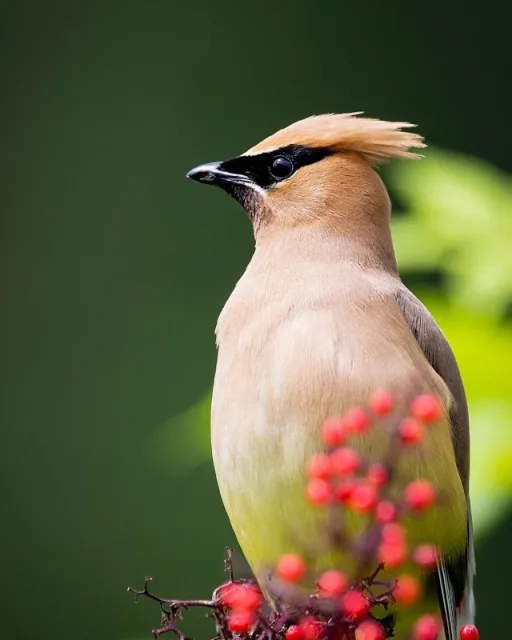
Cedar Waxwing
Pine, Prairie, Hooded and Black-throated Green Warbler
Eastern Screech-Owl
Bufflehead
Fox Sparrow
Barred and Great Horned Owl
The U.S. Fish and Wildlife Service describes the
First Landing State Park
First Landing State Park is an ecological and historical treasure situated on Cape Henry in the northern part of Virginia Beach, Virginia. This location is significant as it lies at the mouth of the Chesapeake Bay, where the first English colonists landed in 1607. Covering nearly 2,900 acres, the park's geography is defined by a unique and complex mix of habitats, including tidal marshes, cypress swamps, high sand dunes, and one of the last remaining examples of a subtropical maritime forest community in the mid-Atlantic.
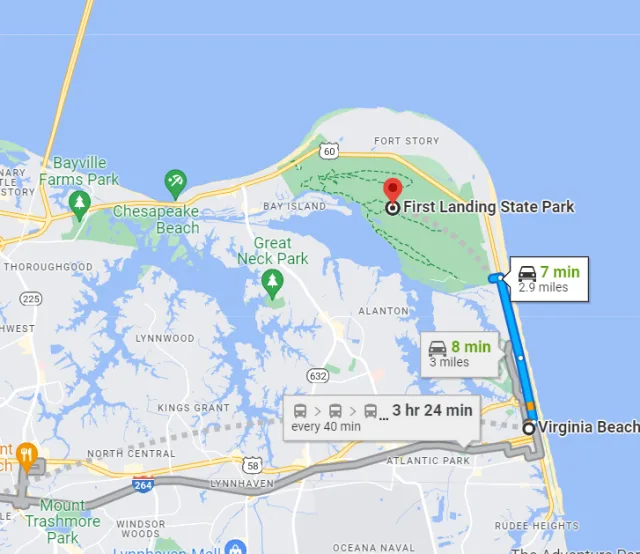
The park features approximately 1.5 miles of sandy beach frontage along the Chesapeake Bay and an extensive network of tidal lagoons and creeks, such as Long Creek. This convergence of freshwater, brackish, and saltwater environments, marked by trees like Live Oaks and Bald Cypress draped in Spanish moss, makes the park a unique biological zone that is the northernmost habitat for many semi-tropical plant species.
The varied habitats at First Landing State Park make it a premier birding destination throughout the year, with over 20 miles of trails offering access to different ecological niches. The Chesapeake Bay beach area is excellent in winter for viewing waterfowl and pelagic species, including various scoters (Black, Surf, and White-winged), Red-breasted Mergansers, and occasionally rare gulls.
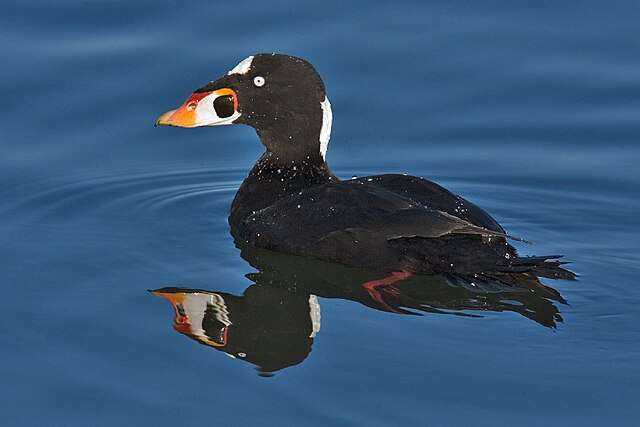
The park's extensive maritime forests and swamps act as a critical resting spot for migrating songbirds, particularly during the spring and fall migrations, when visitors can look for a large number of warbler species (like Palm, Black-and-white, and Black-throated Blue Warblers) along with American Redstarts and Louisiana Waterthrushes. Year-round residents include a variety of woodpeckers (Hairy, Downy, Pileated, and Red-headed) and resident raptors like Great Horned Owls and Ospreys, the latter of which can be seen nesting near the marshy areas from early spring into summer.

Target Birds
Yellow-billed Cuckoo
Chuck-will's-widow
Acadian and Great Crested Flycatcher
Northern Parula
Worm-eating, Blackburnian and Black-throated Green Warbler
Northern Waterthrush
Summer and Scarlet Tanager
The National Parks website has lots of visitor information to help plan a visit.
Staunton River Battlefield State Park
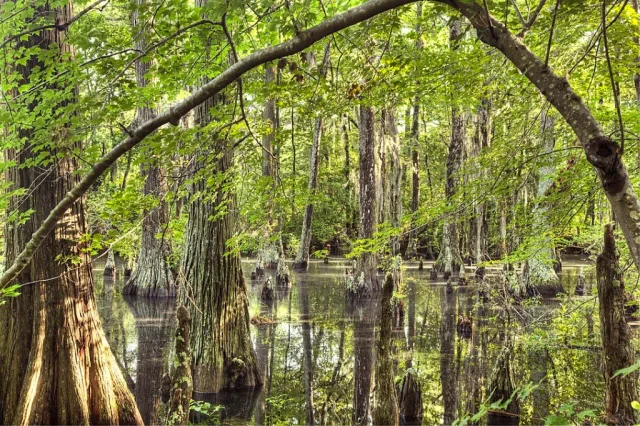
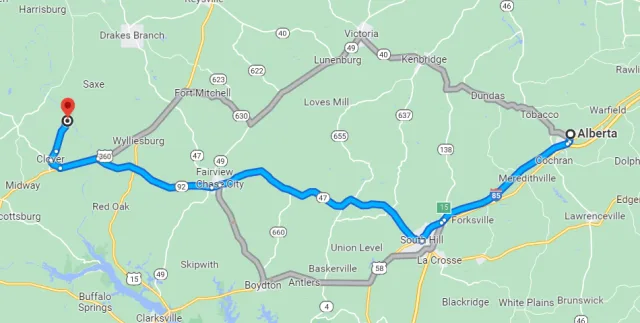
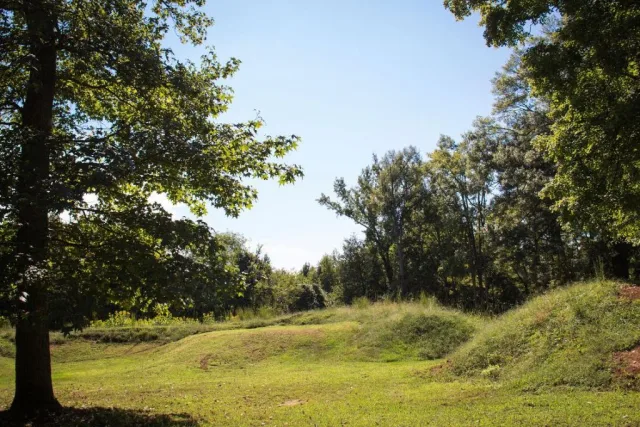
Staunton River Battlefield State Park is a significant historical and natural area located in South Central Virginia, straddling the Staunton River and lying between Halifax and Charlotte counties. Geographically, the park is situated within the Piedmont region, characterized by rolling hills that slope down toward the river systems. The park's landscape is defined by the confluence of natural and man-made features: the Staunton River (part of the Roanoke River basin) provides a lush riparian corridor, while the historical significance of the Civil War battlefield has preserved large areas of open fields, wooded ravines, and the remnants of Confederate fortifications.
This diverse mix of riverine forest, open fields, and wetlands creates excellent cover and feeding grounds for local wildlife. The park also features two unique observation towers overlooking seasonally flooded depressions and wetlands near the river.
The varied habitat at Staunton River Battlefield State Park ensures a wide array of birdwatching opportunities year-round, making it a recognized stop on the Virginia Birding and Wildlife Trail. The presence of the river and associated wetlands attracts numerous species of waterfowl and wading birds, with Great Blue Herons, Belted Kingfishers, and various ducks, including the nesting Wood Duck, being common sights.

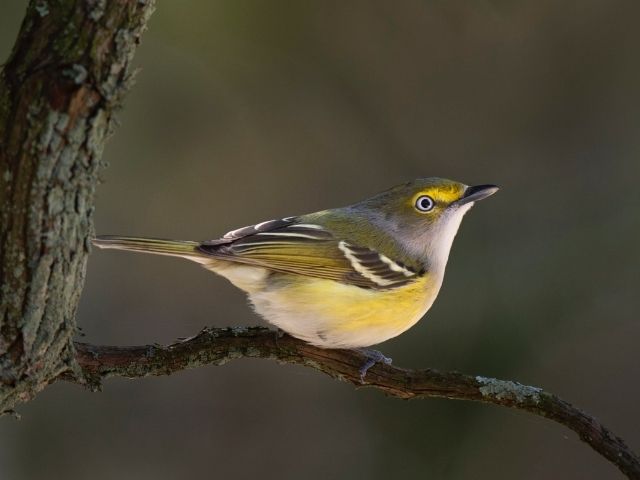
Raptor enthusiasts frequently spot Bald Eagles and Ospreys hunting over the river, especially from the park's scenic overlooks. The wooded areas and brush piles are excellent places to search for songbirds, including vibrant species like Indigo Buntings and Summer Tanagers, along with elusive species like the Yellow-breasted Chat and White-eyed Vireo. The park’s habitat enhancement areas—which cultivate native plants for food and cover—are particularly good for spotting songbirds, wild turkeys, and northern bobwhites.
Target Birds
Black and Turkey Vulture
Eastern Whip-poor-will
Brown Thrasher
Eastern Towhee
Common Crossbill
Boneparte's and Ring-billed Gulls
Gadwall
Virginia State Parks describes the area as:
Staunton River Battlefield has features that make it a good place for birding. There's a large wetland area that attracts birds throughout the year. Also, there's an observation platform at the wetlands that allows people a good view. Trails along large open fields also allow guests proximity to habitat for songbirds.
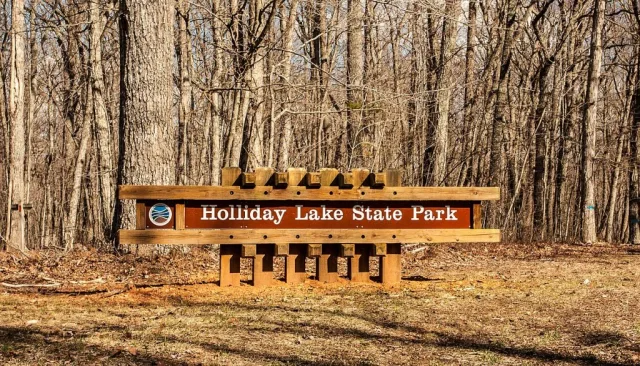
Holliday Lake State Park
Holliday Lake State Park is centrally located in the Piedmont region of Virginia, deep within the expansive Appomattox-Buckingham State Forest. The park's address places it near Appomattox, making it easily accessible from the state's historical and geographical center. The geography of the 560-acre park is characterized by a mature, second-growth hardwood and pine forest that surrounds the centerpiece of the park: the 119-acre Holliday Lake.
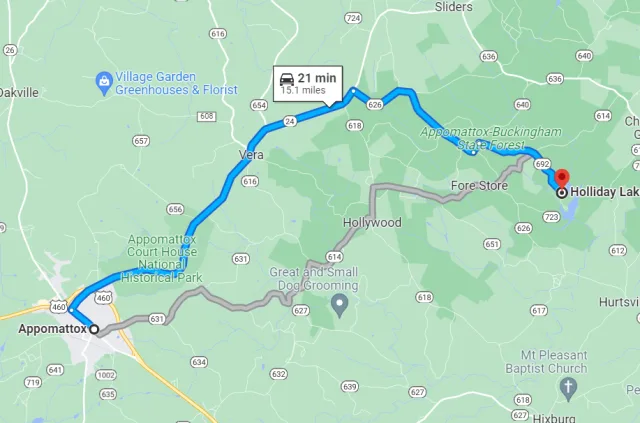
This environment provides a rich mix of upland forest, riparian zones along the shoreline, and the open water habitat of the lake itself. The proximity to the state forest means the park functions as part of a large, continuous block of protected woodland, which is crucial for supporting wildlife populations typical of the mid-Atlantic woods.
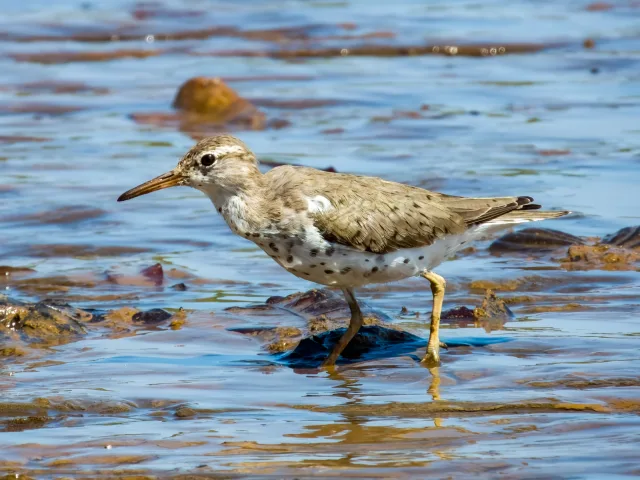
With a recorded list of up to 175 bird species, Holliday Lake State Park offers excellent birdwatching, especially for forest-dwelling and migrating songbirds. The park's diverse habitat—encompassing the deep woods, open lake, and wetland edges—attracts different avian groups. Birders can utilize the 6.7-mile Lakeshore Trail that loops around the lake to scan the water for species like Wood Ducks, Blue-winged Teal, and the occasional raptor, such as the Bald Eagle, soaring over the tree line.
Deeper in the woods, you can hear the drumming of Pileated Woodpeckers and the calls of various migrant warblers during spring and fall. The open spaces near the picnic and beach areas are good for spotting year-round residents like Northern Mockingbirds and Blue Jays, while the underbrush may reveal Gray Catbirds and various sparrows. The park’s inclusion on the Virginia Bird and Wildlife Trail confirms its status as a consistently productive birding hotspot.

Target Birds
Spotted Sandpiper
Orchard Oriole
Great Northern Diver
Ruby-crowned and Golden-crowned Kinglet
Winter Wren
Evening Grosbeak
Look out for the Virginia State Parks local program called 'Bird's the Word'.
Dyke Marsh Wildlife Preserve
Dyke Marsh Wildlife Preserve is a significant 485-acre ecological haven located in Fairfax County, Virginia, on the western bank of the Potomac River, just south of Old Town Alexandria. Managed by the National Park Service as a unit of the George Washington Memorial Parkway, the preserve's core feature is one of the largest remaining fragments of freshwater tidal wetlands in the entire Washington D.C. metropolitan area.
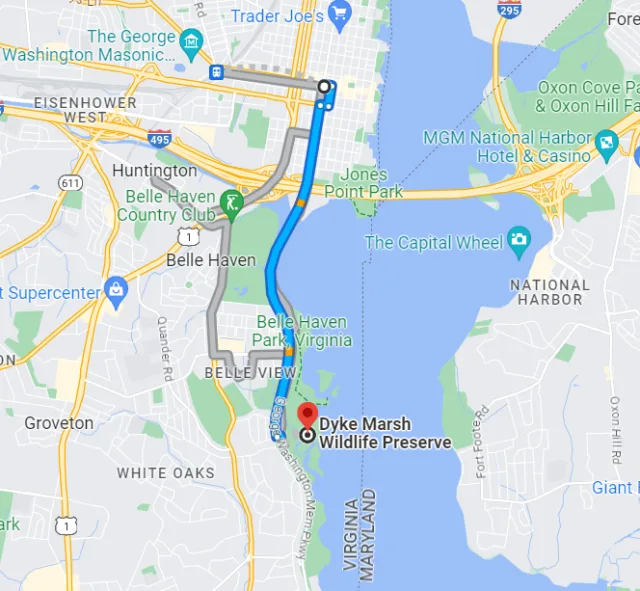
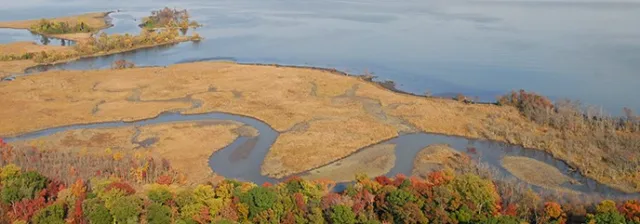
The marsh itself consists of tidal wetlands, a swamp forest, floodplain, and open water, a varied topography created by the mixing of the fresh water from the upper Potomac with the tidal flow from the Chesapeake Bay. This unique geographic setting—an urban oasis surrounded by concrete—makes the marsh an indispensable natural filter and a vital staging ground for wildlife.
With nearly 300 bird species recorded, Dyke Marsh is widely considered one of the premier birding hotspots in the D.C. region, offering exceptional opportunities throughout the year. The diverse habitat is crucial for both resident and migratory birds, especially during the spring and fall movements along the Atlantic Flyway.
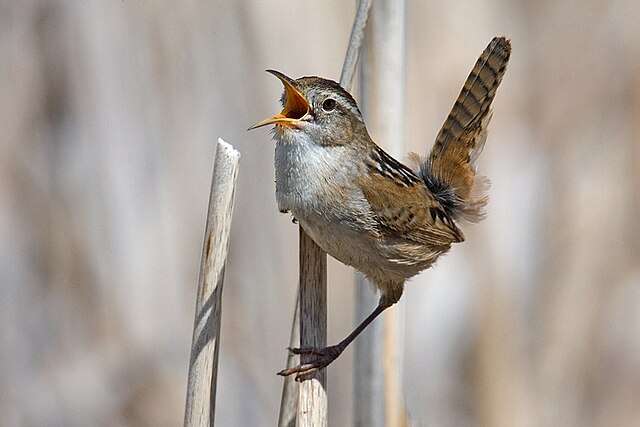
The most easily accessible viewing path is the Haul Road Trail, a flat, easy route that runs along a former mining road, giving birders access to the marsh, river, and wooded edges. Key species include the resident pair of Bald Eagles and the only known nesting population of Marsh Wrens in the upper Potomac tidal zone. Visitors can also spot numerous waterfowl, foraging shorebirds along the mudflats, and a remarkable concentration of warblers and vireos sheltering in the swamp forest during migration events.

Target Birds
Barred Owl
Orchard and Baltimore Oriole
Indigo Bunting
Yellow, Yellow-rumped, Black and White and Wilsons's Warbler
Green Heron
Lincoln's and Swamp Sparrow
The National Park Service has up to date information for visitors to the area.
Wrapping Up
In conclusion, Virginia stands out as a truly complete and rewarding birdwatching destination on the Eastern Seaboard. Its unique position as a geographic nexus—where the Atlantic Flyway meets the distinct habitats of the Appalachian Mountains, the vast Piedmont, and the dynamic Coastal Plain—guarantees a diverse and thrilling avian experience year-round. From the critical freshwater tidal wetlands of Dyke Marsh Wildlife Preserve, which offers refuge to nesting Bald Eagles and rare Marsh Wrens, to the dramatic winter concentrations of waterfowl and the coastal specialties found near Virginia Beach, the Commonwealth provides a spectrum of birding environments.
Whether you are tracking the high-altitude flights of migrating raptors over the Blue Ridge, searching for warblers in the dense woodlands, or cataloging thousands of shorebirds along the Chesapeake Bay, Virginia offers accessible, high-quality birding opportunities that cater to every interest and skill level. It is a state where every habitat change brings a new set of feathered inhabitants, making every visit a fresh adventure.
Birds of Virginia: A Portrait of 15 Common, Migratory, and Rare Birds
