

Utah, a state often synonymous with towering red rock canyons and snow-capped peaks, hides one of North America's most crucial and spectacular ecological corridors: the area surrounding the Great Salt Lake (GSL) and the adjacent high desert plateaus. This region presents a dramatic contrast, offering a unique dual-experience for birders. The GSL’s vast, hypersaline wetlands act as a vital energy station for millions of shorebirds and waterfowl, while the rugged, arid mountains and mesas of the surrounding landscape are the domain of magnificent raptors perfectly adapted to the unforgiving desert environment.
This juxtaposition—between the hyper-fertile wetlands and the hyper-arid uplands—makes Utah an essential destination on the Western migratory flyway, offering a birding experience that is as harsh as it is rewarding.
The Great Salt Lake: A Hemispheric Shorebird Hub
The Great Salt Lake, though notorious for its salinity, is not a biological wasteland. In fact, it is an ecological powerhouse. The shallow waters and extensive mudflats that rim the lake are incredibly productive, supporting a massive population of brine shrimp (Artemia franciscana) and brine flies (Ephydridae). These two organisms are the energy source that sustains millions of migratory birds.
The GSL is one of the most important wetlands in the Western Hemisphere, designated as a site of hemispheric importance by the Western Hemisphere Shorebird Reserve Network (WHSRN).
The Abundance of Invertebrates
The lake’s hypersaline waters, while eliminating fish, have allowed brine shrimp and brine flies to proliferate in staggering numbers. This abundance of food is available at predictable times, making the GSL an indispensable stopover for birds crossing vast distances.
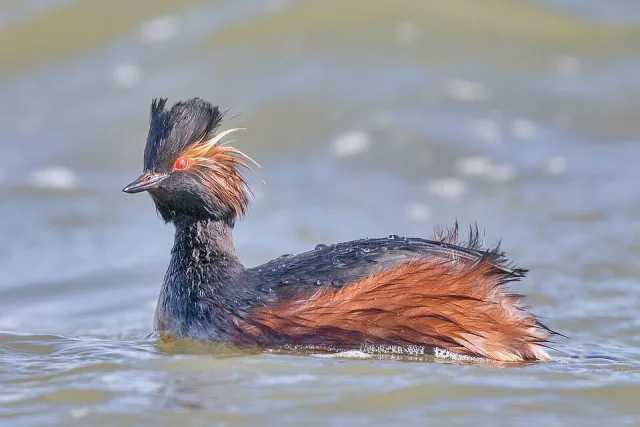
Brine Shrimp: These tiny crustaceans, which swarm the open waters, are the primary food for species like Eared Grebes and Wilson’s Phalaropes.
Brine Flies: The larvae and adults of these flies, which carpet the mudflats and shorelines, are key food sources for avocets, stilts, and various sandpipers.
Key Shorebird Species
The peak shorebird spectacle occurs during spring (April-May) and fall (July-September) migration, with populations swelling into the millions.
Wilson’s Phalarope: Utah is a global hotspot for this species. Up to a third of the world’s population of Wilson’s Phalaropes can stop at the GSL during fall migration. These birds exhibit a distinctive spinning behavior on the water, creating tiny whirlpools that draw invertebrates to the surface.

Wilson's Phalarope American Avocet and Black-necked Stilt: These two elegant waders are the most conspicuous breeders in the area. Avocets are recognized by their upcurved bills and graceful feeding sweeps, while the stilts stand out with their bright red, impossibly long legs.
Eared Grebe: Although not a shorebird, this species is a major consumer of the brine shrimp. The GSL is the largest staging area for Eared Grebes in the world, with over a million birds present during the late fall. They molt, unable to fly, on the open water before continuing their migration.


Prime Shorebird Locations
The best places to view this abundance are concentrated along the eastern and northern edges of the GSL:
Bear River Migratory Bird Refuge: Located on the northern side, where the Bear River flows into the lake. This refuge offers extensive accessible wetlands, dikes, and roads, providing reliable viewing of dozens of waterfowl and shorebird species.
Antelope Island State Park: The causeway leading to the island and the lake’s edges on the island itself offer panoramic views and reliable access to the open mudflats.
High Desert Raptors: The Uplands’ Masters
Away from the wet, fertile lowlands, the birding focus shifts dramatically to the mountains, scrublands, and plateaus of the arid interior, which form the hunting grounds for a variety of powerful raptors. This is the realm of the high desert raptors, birds adapted to utilizing thermals and vast sightlines to find prey in the sparse landscape.
Year-Round Residents and Migrants

The raptor community here includes both resident breeders and species that utilize the uplift of the mountains during migration.
Ferruginous Hawk: This large, light-colored hawk is an iconic resident of the Western grasslands and shrub-steppes. Utah is an important nesting state for the Ferruginous Hawk, which primarily hunts ground squirrels and jackrabbits. Look for them perched conspicuously on utility poles or lone trees.
Golden Eagle: The arid mountains, particularly the Oquirrh and Wasatch ranges, provide critical territory for the Golden Eagle. These enormous birds require vast areas for hunting and frequently use the high cliffs for nesting. Their presence is a symbol of the untamed Utah wilderness.
Prairie Falcon: A sleek, powerful falcon that is a resident specialist of the high desert. They nest on cliffs and hunt smaller birds and rodents across the open plateaus. Their light brown coloring and dark "armpits" in flight distinguish them from the larger Peregrine Falcon.
Red-tailed Hawk and American Kestrel: The most common raptors, both are abundant, using the sparse trees and utility lines along highways as perches from which to survey the dry scrub for prey.

Raptor Migration and Vulture Spectacular
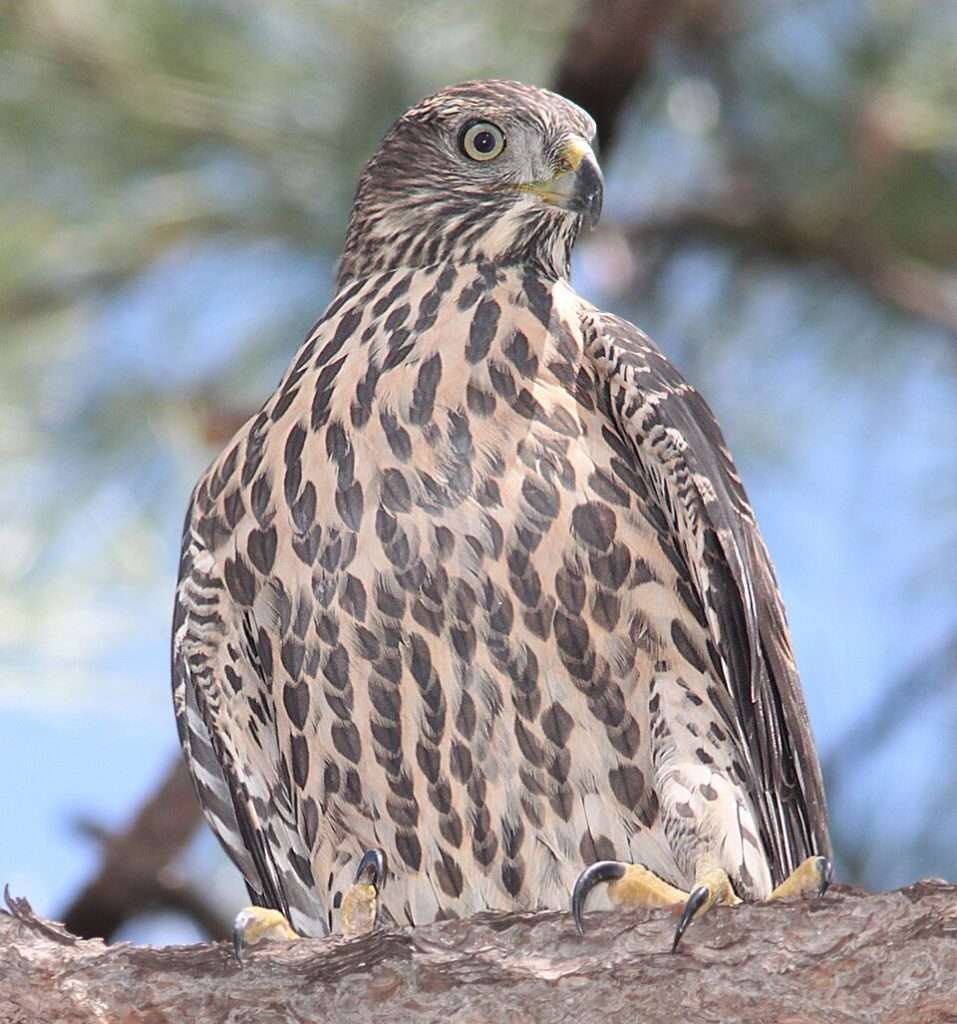
During the fall, the mountains become natural funnels for migrating raptors.
Goshute Mountains: Although technically in Nevada, the Goshute Mountains HawkWatch is located in the same geographic region and monitors the massive flow of birds moving along the Great Basin ridges, demonstrating the regional importance of the mountains for migration. Thousands of individuals, including species like Sharp-shinned Hawks, Northern Goshawks, and Broad-winged Hawks, pass through this flyway.
Turkey Vulture: Though often overlooked, the Turkey Vulture offers a spectacular aerial performance. Their large wingspans and characteristic dihedral (V-shaped) flight make them masters of riding the thermals over the hot desert terrain. Seeing dozens of them spiraling together above a desert peak is a common and impressive sight.
The Dual Birding Strategy: Contrasting Worlds
Birding in Utah is uniquely defined by the necessity of moving between these two utterly contrasting environments:
The Flats (Shorebirds): Requires waders/mud boots, patience, and the use of a spotting scope to identify flocks of thousands of distant birds. The experience is about vast numbers, subtle plumage changes, and understanding the hydrology of the lake.
The High Desert (Raptors): Requires a vehicle and an eye for distant perches. The experience is about scanning the sky and the horizon, using the rugged topography to predict where the large birds will hunt or perch.
Utah's Great Salt Lake and its encompassing deserts offer a profound lesson in biological contrast and resilience. The simple salt fly and the powerful Golden Eagle are two extremes of a single ecosystem, demonstrating that in the American West, life finds a way to thrive, whether by utilizing the most saline waters or by dominating the most arid skies.
