
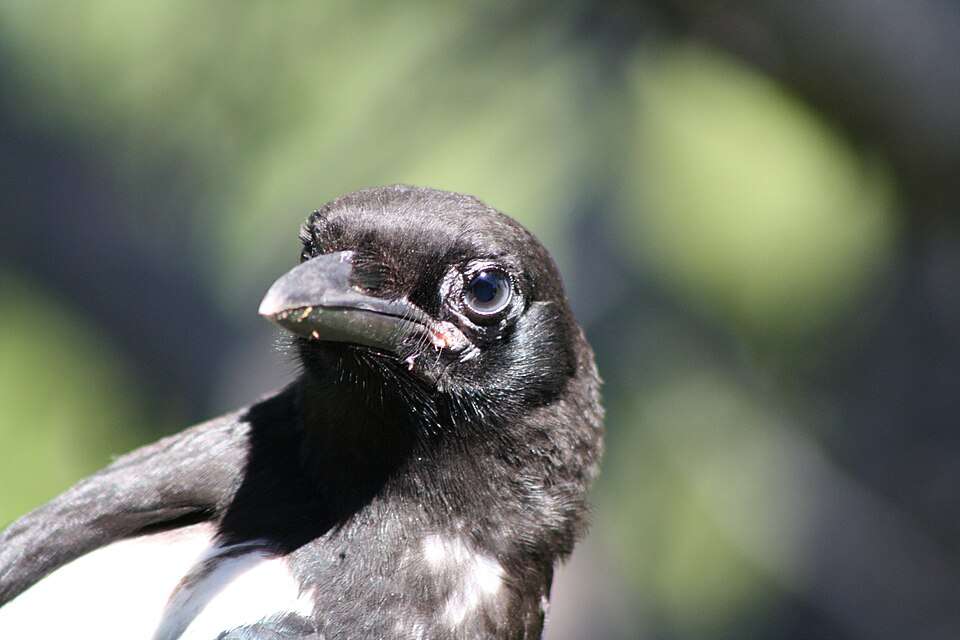
The avian family Corvidae, encompassing the crows, ravens, jays, and magpies, is globally celebrated not only for its striking appearance but, more importantly, for its profound intelligence. Often dubbed the "feathered apes" or "Einsteins of the avian world," these birds demonstrate remarkable cognitive abilities, including tool use, episodic memory, self-recognition, future planning, and complex social behaviors. Across the diverse habitats of the United States, from bustling urban centers to remote, high-altitude forests and sun-drenched scrublands, a fascinating array of corvid species has carved out a unique ecological niche. This article will explore the full spectrum of corvid species found within the contiguous USA, detailing their unique behaviors, specialized habitats, and the critical roles they play in American ecosystems.
The corvid family in the USA can be broadly categorized into several major groups: the Crows and Ravens (genus Corvus), the Magpies (genus Pica), the Crested Jays (genus Cyanocitta), and the New World Jays, which include the specialized scrub-jays, nutcrackers, and pinyon jays.
The Iconic Black: Crows and Ravens (Corvus)
The genus Corvus represents the classic, all-black corvids known for their sheer size, commanding presence, and deep, resonant calls. Their intelligence is perhaps the most documented in the family, making them ubiquitous and highly adaptive neighbors to human civilization.
1. The American Crow (Corvus brachyrhynchos)
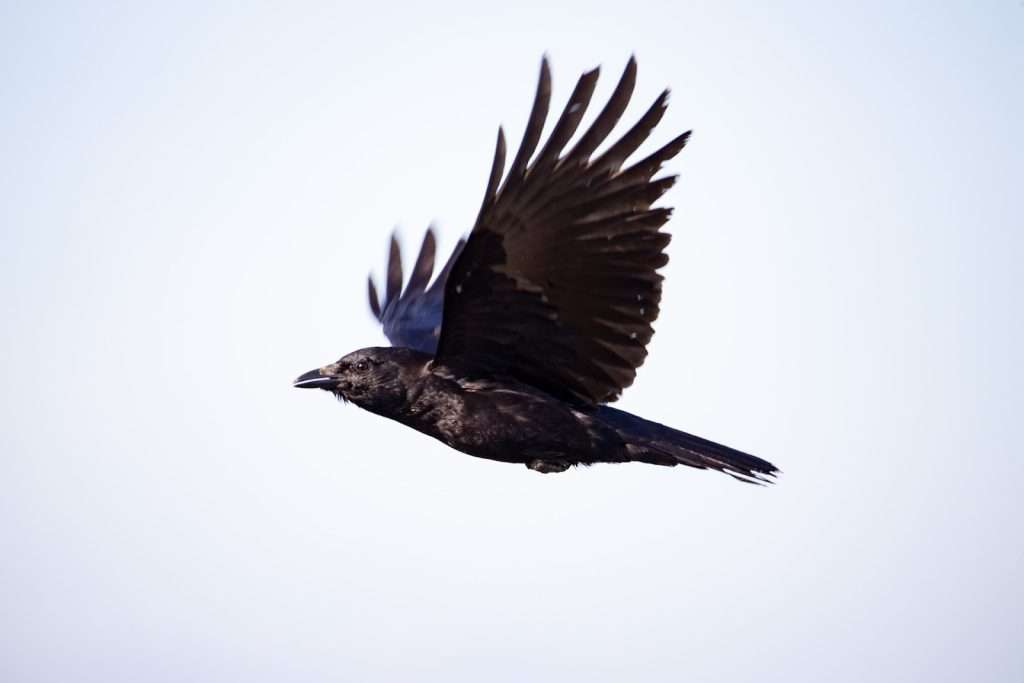
The American Crow is perhaps the most recognizable corvid in the country, a highly successful species found across the lower 48 states and southern Canada.
- Habitat and Range: This generalist thrives in a vast range of habitats, from agricultural fields and open woodlands to suburban neighborhoods and urban parks. Their adaptability to human-modified environments is a key to their success.
- Behavior and Ecology: American Crows are intensely social birds, forming large, loud family groups and massive communal winter roosts that can number in the tens of thousands. They are omnivorous and opportunistic, consuming everything from seeds, insects, and fruits to carrion, garbage, and small vertebrates. Their intelligence allows them to recognize individual human faces and remember specific threats for years. They are also known to cache food for later retrieval.
2. The Common Raven (Corvus corax)

The Common Raven is a bird of myth, legend, and impressive size, significantly larger than the American Crow with a thicker bill and a distinctive wedge-shaped (diamond) tail in flight.
- Habitat and Range: Unlike the crow, the raven generally favors more remote and rugged habitats, including mountains, high deserts, coastlines, and large forests across the western and northern USA. However, they are slowly re-establishing themselves in the eastern forests as they regenerate and are even found in some major cities like Los Angeles.
- Behavior and Ecology: Common Ravens are famed for their intelligence and playful behavior, which includes complex aerial acrobatics and seemingly non-essential "games." They primarily feed on carrion, which makes them crucial scavengers, but they also prey on small animals and scavenge human refuse. Breeding pairs mate for life and maintain large, year-round territories, often using their intelligence to cooperatively outsmart predators or competitors for food sources.
3. The Fish Crow (Corvus ossifragus)
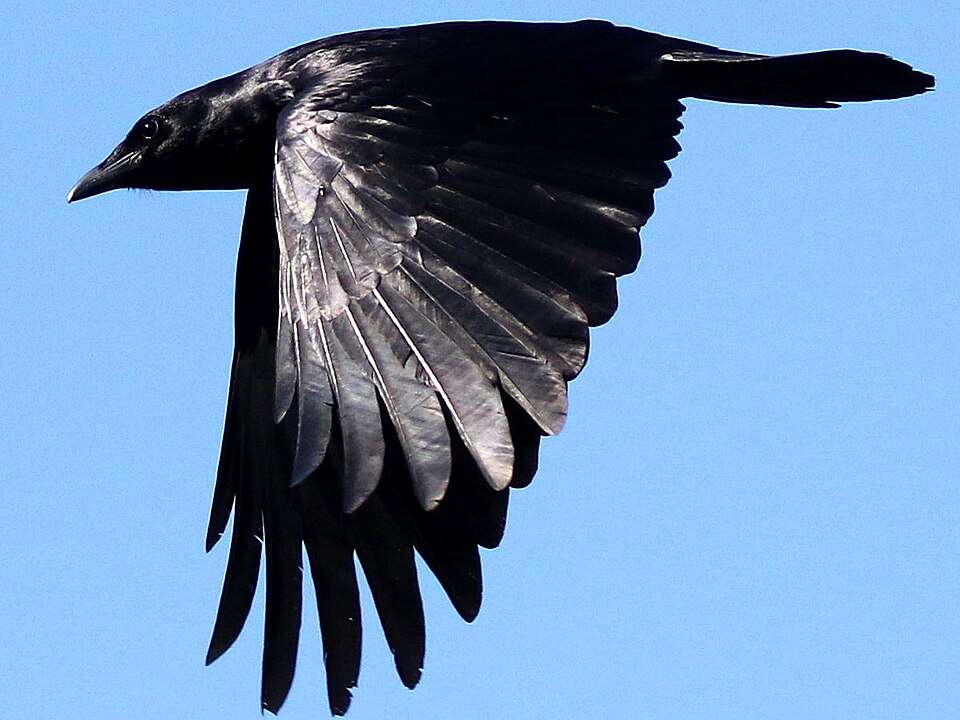
A smaller, sleeker relative of the American Crow, the Fish Crow is a specialist found predominantly along the coasts and major river systems of the eastern and southeastern USA.
- Habitat and Range: Their range is strongly tied to aquatic environments, including saltmarshes, estuaries, beaches, and riparian areas along rivers and lakes.
- Behavior and Ecology: While physically similar to the American Crow, the Fish Crow is best distinguished by its distinct, nasal call, often described as a short, abrupt "cah-cah" or a "nyuh-uh." Their diet heavily features aquatic organisms—fish, crabs, and mollusks—but they will readily consume almost anything, including eggs and nestlings of other birds. They are highly adept at pirating food from other birds.
4. The Chihuahuan Raven (Corvus cryptoleucus)
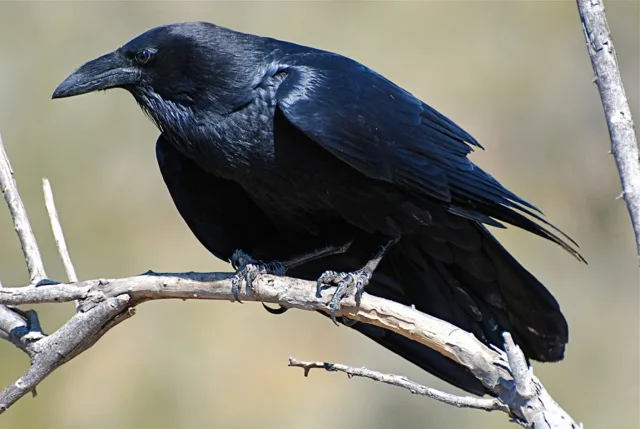
Found in the arid environments of the American Southwest, the Chihuahuan Raven is the desert-dwelling counterpart to the Common Raven.
- Habitat and Range: This raven inhabits the open prairies, scrublands, and desert landscapes of the southwestern US (Texas, New Mexico, Arizona, and parts of Oklahoma and Kansas).
- Behavior and Ecology: It is slightly smaller than the Common Raven and has a distinctive, shaggier throat plumage. Like its larger cousin, it is an opportunistic scavenger, often feeding on roadkill and insects, and it is known to follow herds of livestock and feed on associated insects and refuse.
5. The Northwestern Crow (Corvus caurinus)

This crow is sometimes considered a subspecies or a distinct population of the American Crow, restricted to the Pacific Northwest coastline.
- Habitat and Range: Strictly coastal, from the Olympic Peninsula north to southern Alaska.
- Behavior and Ecology: Their behavior is adapted to the marine environment, with individuals regularly seen foraging for shellfish, barnacles, and other marine invertebrates along the tideline. They exhibit the famous corvid behavior of dropping hard-shelled foods onto rocks or paved surfaces to break them open.
The Western and Eastern Jewels: Crested and New World Jays
The jays in the USA are celebrated for their vibrant plumage and bold, often aggressive, personalities. They showcase the family's ecological diversity, with species specializing in everything from pine seeds to solitary Florida scrub.
6. The Blue Jay (Cyanocitta cristata)
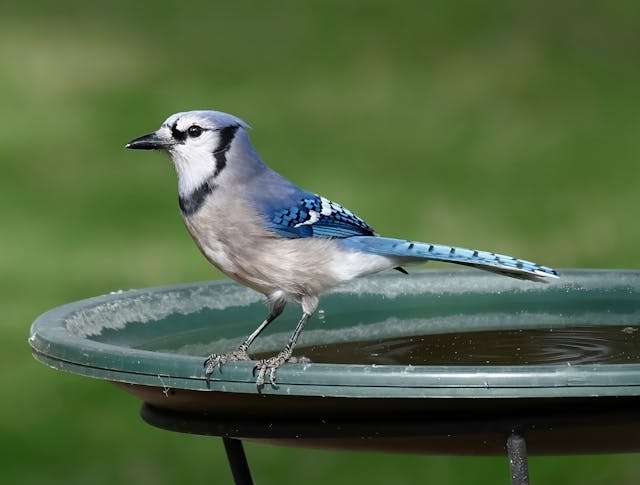
The brilliant blue, black, and white Blue Jay is the quintessential corvid of the eastern half of the USA, known for its loud, attention-demanding calls.
- Habitat and Range: Found across the eastern and central United States, this jay prefers mixed deciduous and coniferous forests, particularly those with oaks, as well as suburban parks and gardens.
- Behavior and Ecology: Blue Jays are master vocal mimics, famously imitating the calls of raptors, particularly the Red-shouldered Hawk, likely to deter competitors or predators. Their ecological role as a major disperser of oak acorns is vital; they cache thousands of acorns in the ground each autumn, many of which are forgotten and go on to germinate, effectively planting future forests.
7. The Steller's Jay (Cyanocitta stelleri)
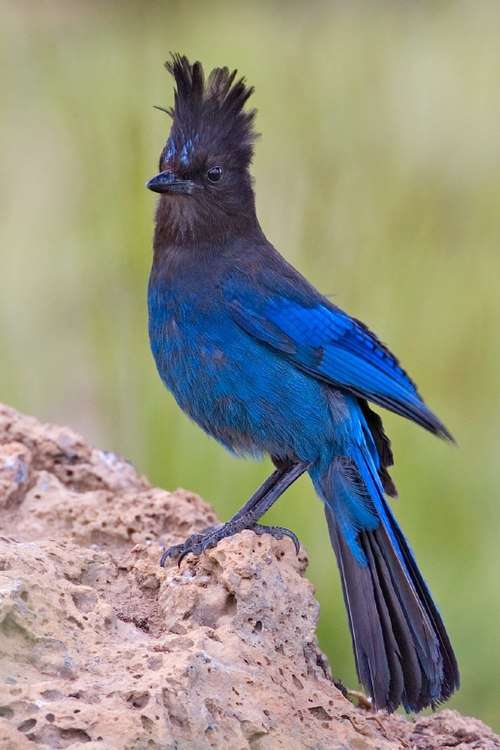
The western counterpart to the Blue Jay, the Steller's Jay is easily recognized by its prominent black crest and deep blue body.
- Habitat and Range: This bird is found throughout the mountainous regions of western North America, from Alaska south to Central America. It prefers coniferous and mixed-wood forests at higher elevations.
- Behavior and Ecology: Like the Blue Jay, the Steller’s Jay is an omnivorous and opportunistic forager, consuming everything from insects and berries to eggs and nestlings. They are also known for their impressive vocalizations, including excellent mimicry of other birds, most notably the calls of the Red-tailed Hawk. The transition zone where the Steller’s Jay and Blue Jay ranges meet, particularly in the foothills of the Rocky Mountains, is a rare area of natural hybridization.
8. The Woodhouse's Scrub-Jay and California Scrub-Jay (Aphelocoma)
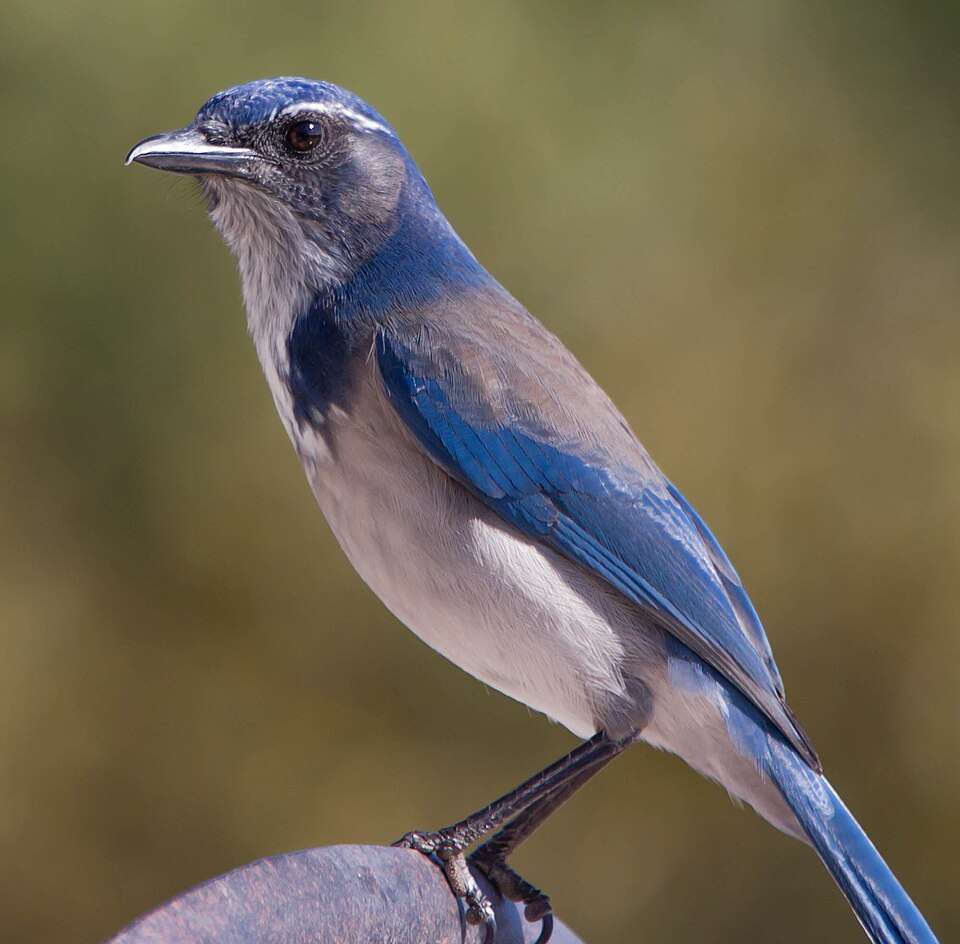
Formerly considered a single species (Western Scrub-Jay), modern taxonomy now recognizes at least two distinct scrub-jay species in the US West:
- The California Scrub-Jay (Aphelocoma californica) and The Woodhouse's Scrub-Jay (Aphelocoma woodhousei).
- Habitat and Range: These birds occupy the chaparral, oak woodlands, and scrub habitats of the western USA. The California Scrub-Jay is coastal, while the Woodhouse's Scrub-Jay is more interior, found in the pinyon-juniper zones.
- Behavior and Ecology: Scrub-Jays are renowned for their food-caching memory, able to recall the precise location of thousands of buried acorns and seeds. Crucially, they exhibit remarkable social intelligence, understanding that a rival bird watching them cache food may attempt to pilfer it later, leading them to employ deceptive tactics like re-caching or caching in hidden locations. They are major dispersers of oak seeds.

Woodhouse's Scrub-Jay
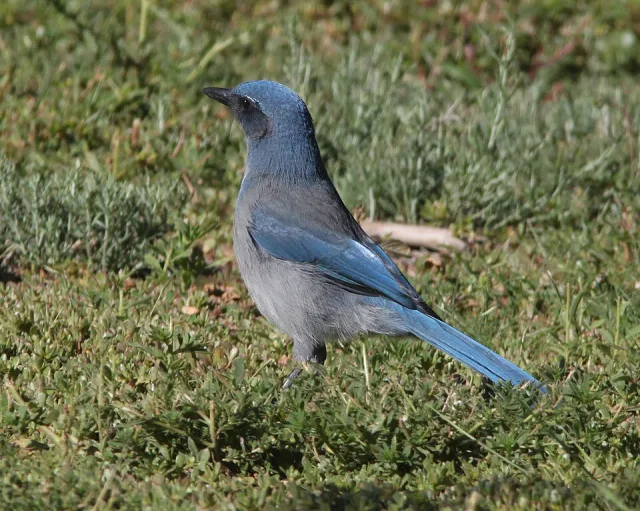
9. The Florida Scrub-Jay (Aphelocoma coerulescens)
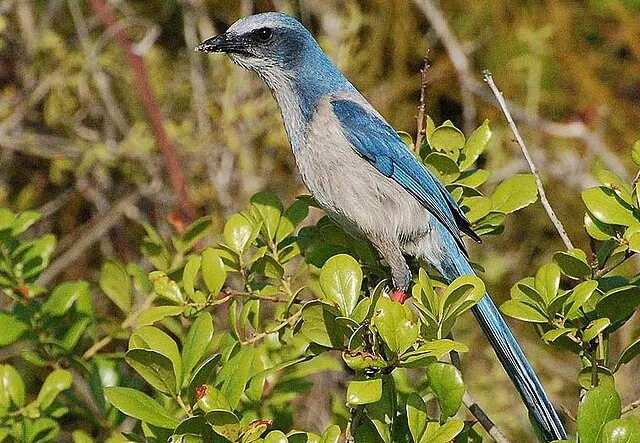
This species is unique as the only bird species endemic to Florida, meaning it is found nowhere else in the world.
- Habitat and Range: The Florida Scrub-Jay is a habitat specialist, restricted entirely to the threatened xeric (dry) oak scrub on Florida’s ancient sand ridges. This habitat is maintained by infrequent, high-intensity fires.
- Behavior and Ecology: They are a cooperative breeding species, living in family groups where offspring from previous years, known as 'helpers,' assist the parents in defending the territory and feeding new nestlings. Their strict reliance on a highly fragmented and dwindling habitat has led to their classification as a federally threatened species.
10. The Green Jay (Cyanocorax luxuosus)
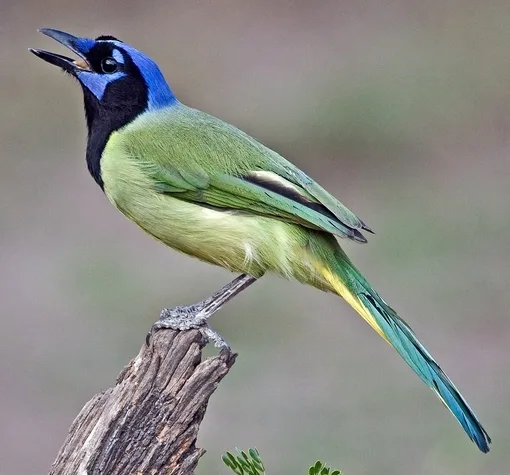
A visually stunning and unique corvid for the USA, the Green Jay boasts vibrant lime-green, yellow, and blue-black plumage.
- Habitat and Range: The Green Jay's US range is limited to the southernmost tip of Texas, particularly the dense thorn-scrub woodlands and riparian zones of the Rio Grande Valley.
- Behavior and Ecology: Like the Florida Scrub-Jay, they are highly social and often live in close-knit family groups. Their diet consists of insects, fruits, and seeds, and their presence is a highlight for birdwatchers visiting the subtropical US borderlands.
11. The Pinyon Jay (Gymnorhinus cyanocephalus)
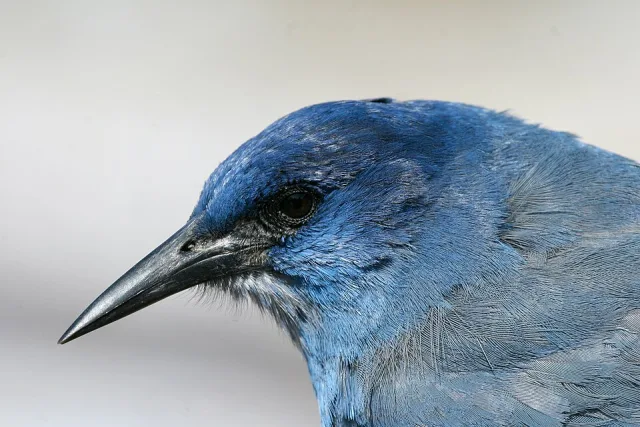
The Pinyon Jay is an intensely social and highly specialized blue corvid of the American West.
- Habitat and Range: It is a nomadic specialist of the pinyon-juniper woodlands across the Great Basin and Rocky Mountains (e.g., Nevada, Utah, Arizona, New Mexico, Colorado).
- Behavior and Ecology: Pinyon Jays live in massive, year-round flocks that can number in the hundreds. Their entire life cycle is intricately linked to the cone crops of pinyon pines. The flock collectively harvests, transports, and buries tens of thousands of pinyon seeds, playing a paramount role as the primary dispersal agent for these trees. The recent dramatic decline in Pinyon Jay populations, partly due to habitat loss and climate change effects on pinyon pine production, is a major conservation concern.
12. The Clark's Nutcracker (Nucifraga columbiana)

The Clark's Nutcracker is another highly specialized seed-caching corvid of the high-altitude pine forests of the western USA.
- Habitat and Range: Found in the high mountains of the West, particularly in association with various species of whitebark, limber, and ponderosa pines.
- Behavior and Ecology: This grayish-white bird with black wings is a quintessential example of co-evolution. A single bird can cache up to 98,000 seeds in a season, often in thousands of widely scattered holes, with an astonishing memory for their locations, even beneath a blanket of snow. This bird is the sole major dispersal agent for several high-elevation pine species, making it critical to the health of fragile montane ecosystems.
The Elegant Tails: Magpies (Pica)
The magpies are distinguished by their long, graduated tails and iridescent black-and-white plumage, giving them an air of elegance that belies their resourceful nature.
13. The Black-billed Magpie (Pica hudsonia)

The Black-billed Magpie is the widespread magpie of the interior American West.
- Habitat and Range: Found across the western plains and mountains from central North America to the Pacific coast. They prefer open areas with scattered trees, such as riparian corridors, rangelands, and suburban areas.
- Behavior and Ecology: They are noted for building large, domed stick nests, sometimes up to four feet tall, for protection against predators. Magpies are highly intelligent and curious, feeding on insects, carrion, berries, and small animals. They are often seen associating with large mammals, such as cattle, to pick off ticks and other parasites.
14. The Yellow-billed Magpie (Pica nuttalli)
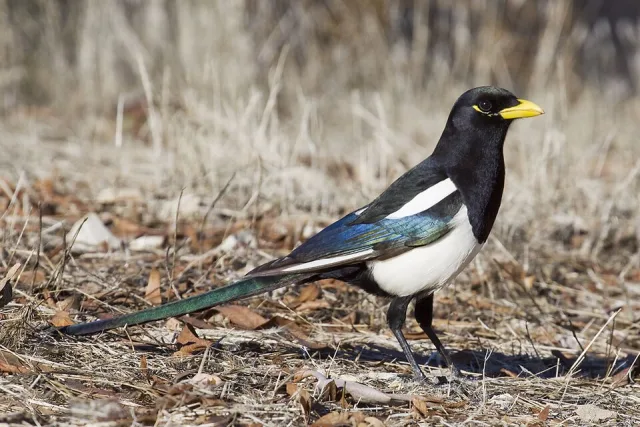
This bird is the other North American magpie, a striking endemic species confined exclusively to California.
- Habitat and Range: Its range is limited to the Central Valley and surrounding foothills of California, where it favors open oak savannas and riparian groves.
- Behavior and Ecology: It is virtually identical to the Black-billed Magpie in appearance and behavior, save for its bright yellow bill and the patch of yellow skin around its eye. This narrow, isolated range, combined with its susceptibility to diseases like West Nile Virus, has raised conservation concerns, making its small population particularly vulnerable.
Wrapping Up
The 14 corvid species found across the USA, from the omnipresent American Crow to the isolated, endemic Florida Scrub-Jay and the high-altitude Clark’s Nutcracker, paint a vivid portrait of avian success and intelligence. Their adaptability to diverse environments, their complex social structures—ranging from the massive nomadic flocks of Pinyon Jays to the cooperative family units of scrub-jays—and their documented cognitive abilities solidify their status as the most sophisticated family of birds.
Beyond their cleverness, these species are indispensable ecosystem engineers; they are the primary architects of America’s oak and pine forests, essential scavengers that maintain environmental hygiene, and an enduring symbol of wild intelligence thriving alongside human civilization. Studying the corvids of the USA is not just birdwatching; it is an observation of nature's brightest minds at work, a continual revelation of the depth of non-human intellect and the crucial, often underappreciated, roles they play in the American landscape.
