
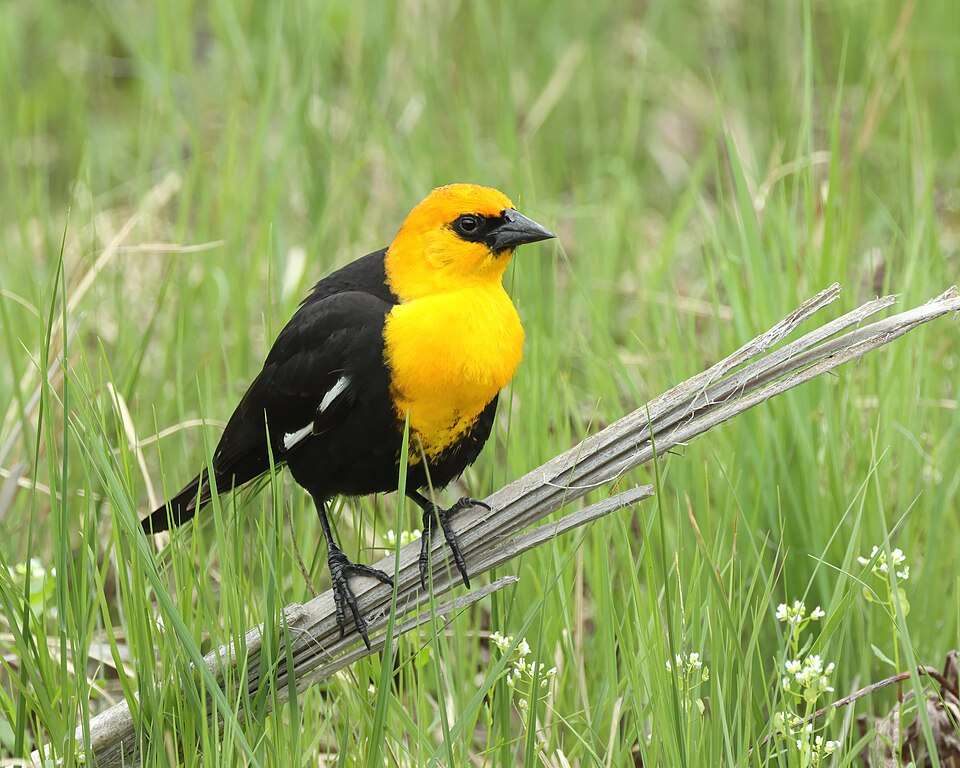
Once a niche pursuit of dedicated naturalists, birdwatching, or "birding," has exploded into a mainstream obsession across the United States. It's no longer just about dusty field guides and early morning treks to remote marshes; it’s a technological, economic, and mental health phenomenon that has swept up Americans from all walks of life. Recent estimates from the U.S. Fish and Wildlife Service indicate that a staggering 96 million people, or about three out of every ten Americans aged 16 and older, are engaged in birding—numbers that rival the populations of most nations worldwide. This massive surge in interest, accelerated by global events and powered by new technology, has established birding as one of the nation's most impactful leisure activities.
From Quiet Hobby to National Movement: A History of Growth
The roots of modern American birding can be traced back to the late 19th century, driven by early conservation efforts like the founding of the Audubon Society, which aimed to protect birds from the feather trade. However, the hobby’s first major burst of popularity came in the 1930s with the publication of Roger Tory Peterson’s A Field Guide to the Birds. This guide revolutionized identification by focusing on comparative features, making birding accessible to the masses for the first time.

The post-World War II era saw further growth, fueled by increased accessibility to binoculars and automobiles, allowing birders to travel further afield. The development of more comprehensive guides, such as The Sibley Guide to Birds in 2000, which sold half a million copies within two years, continued to fuel the hobby’s expansion. The percentage of the US population participating in birding nearly tripled between 1983 and 2001, solidifying its foundation.
The most recent, and perhaps most dramatic, growth has occurred since 2020. The COVID-19 pandemic acted as a powerful accelerant, forcing millions of Americans to look for low-cost, socially distant outdoor activities. As people were confined to their homes, the constant, colorful presence of birds provided a vital link to the outside world, a "ray of light that illuminates your little room," as one birder described it. The booming sales of bird seed, feeders, and binoculars during this period proved that the backyard—and the nature within it—had become the new frontier for American adventure.
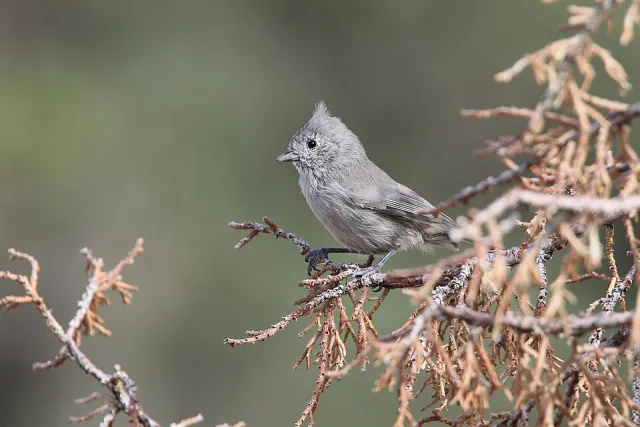
The Technological Transformation: AI and Citizen Science
The explosive growth of birding would not be possible without the simultaneous revolution in digital technology. Modern tools have significantly lowered the barrier to entry, transforming bird identification from a steep learning curve into an immediate, gratifying experience.
- The Merlin Bird ID App: Developed by the Cornell Lab of Ornithology, this free, AI-powered app is arguably the single most important tool democratizing the hobby. Its "Sound ID" feature allows users to simply hold up their smartphone and instantly identify multiple bird species singing around them in real-time, effectively replacing the decades-long process of mastering birdsong. Beginners can now achieve a level of expertise previously reserved for seasoned veterans.
- eBird: This online platform has transformed birding into a massive global citizen science effort. Users submit their bird checklists, georeferenced with GPS data, creating an enormous, real-time database of avian distribution and abundance. The data collected by millions of amateur birders is now used by professional ornithologists and conservation bodies to track migratory patterns, inform environmental policy, and guide habitat protection. For the individual birder, eBird adds a layer of gamification and social connection, fostering online communities and driving competitive list-keeping.
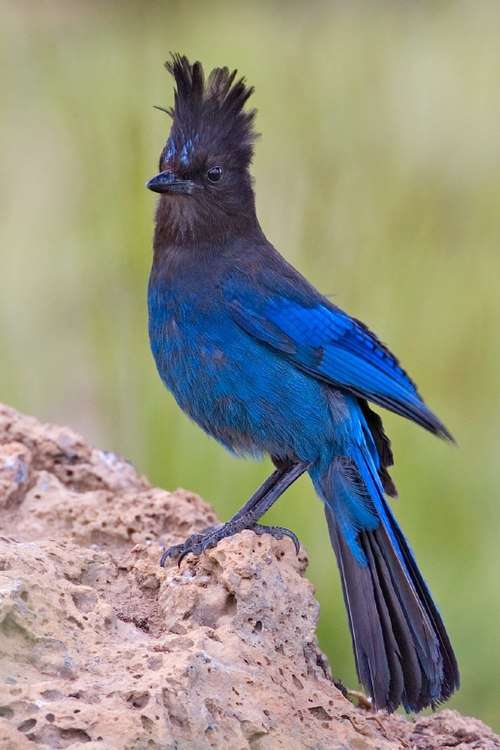
The fusion of nature and technology has made birding accessible to urban residents, younger generations, and historically underserved communities, ensuring the hobby’s continued relevance and growth.
The Wellness and Economic Dividends
Birding's rise is also firmly rooted in its proven benefits to human health and the US economy. In an age defined by digital fatigue and high stress, looking for birds provides a powerful antidote.
Mental Health and Well-Being
The therapeutic effects of nature contact are well-documented, and birding amplifies these benefits. Research published in BioScience indicates that encounters with birds, whether visual or auditory, are positively associated with a lower prevalence of depression, anxiety, and stress. Birdsong, in particular, has been identified as a sound most frequently linked to stress recovery and attention restoration.
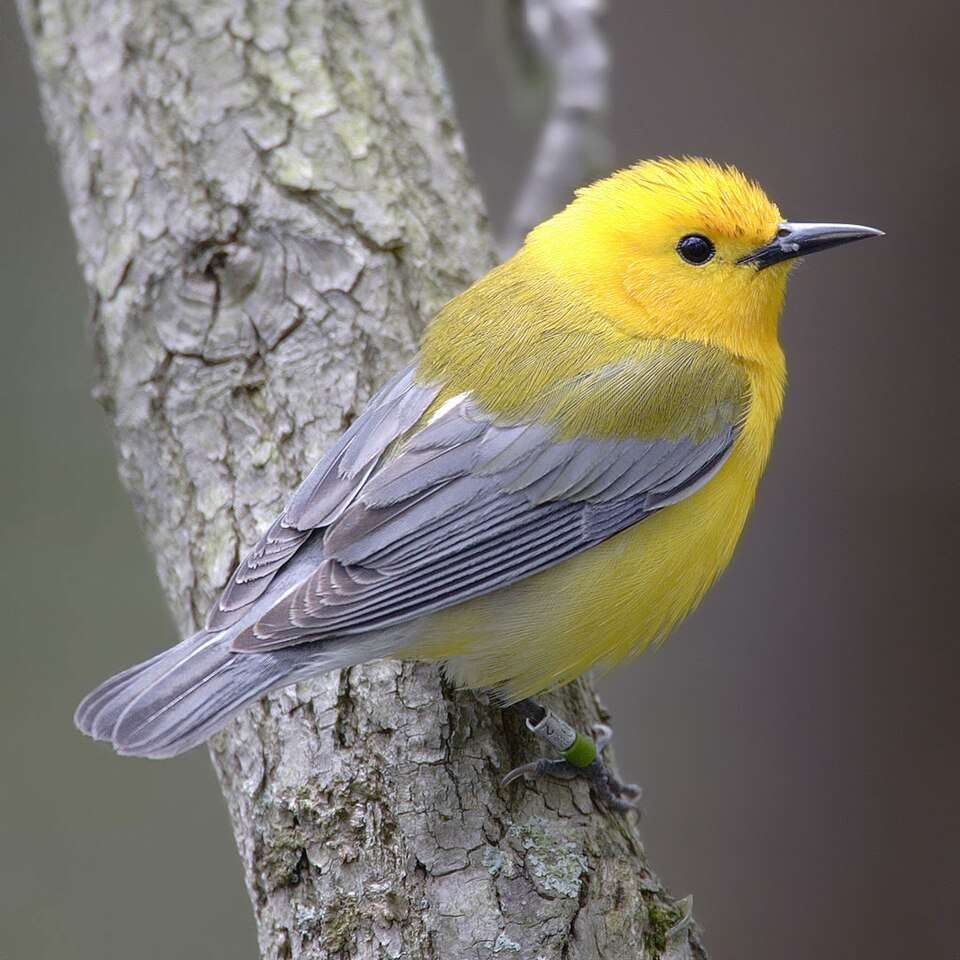
Birding engages "involuntary attention" (or fascination), allowing the mind to restore its attentional capacity without effort, which counteracts the mental fatigue caused by modern, sensory-filled environments. Whether watching a Northern Cardinal at a backyard feeder or searching for a Prothonotary Warbler in a park, the act of seeking and identifying birds encourages mindfulness and fosters a sense of awe and connection to the natural world.
A Gigantic Economic Engine
The economic footprint of birding is substantial and often underestimated. The sheer number of participants makes it a significant driver of local and national commerce. According to the U.S. Fish and Wildlife Service, birding contributes an economic output reaching a remarkable $279 billion annually to the US economy. This spending supports 1.4 million jobs and includes:
- Retail: Massive expenditure on bird food, feeders, birdhouses, binoculars, scopes, and cameras.
- Tourism: Spending on domestic and international birding trips, including specialized eco-tours, lodging, and transportation to hotspots like Texas's Rio Grande Valley or Arizona's southeastern canyons.
This economic power creates a strong incentive for conservation, as communities recognize that protecting natural habitats directly supports a valuable stream of tourism and retail revenue.
A Future Tied to Conservation
Despite the boom in interest, American bird populations face dire threats, with some reports documenting the loss of billions of birds in recent decades due to habitat loss, climate change, and other factors. The rise of the American birder is, therefore, a crucial development for conservation.
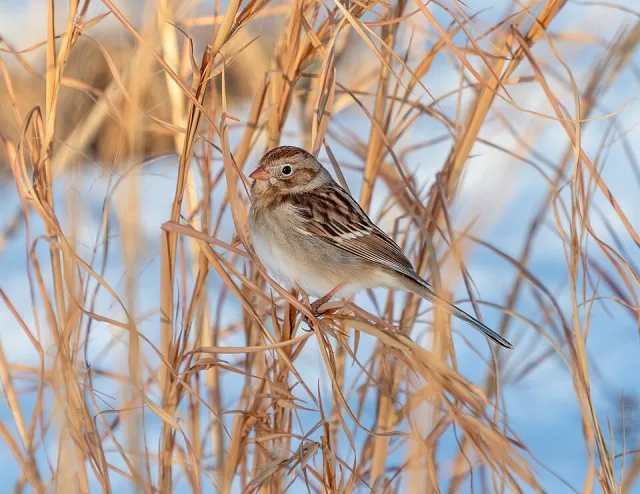
The engaged, digitally connected birding community provides a massive volunteer force for collecting data (via eBird) and generating political will for environmental protection. As more Americans discover the joy of watching birds, they become invested in the fate of these creatures. The millions of new eyes and ears trained on the environment represent a potent collective force that can translate personal passion into national action.
Birdwatching is more than a fleeting trend; it is a fundamental shift in how Americans interact with nature. It is a unifying activity that offers solace, economic stimulus, and a pathway to becoming a better steward of the environment. The American Bird Boom is here to stay, and its ripples will be felt across the nation’s landscapes and communities for years to come.
Birding Off the Beaten Path: Exploring the U.S.'s Most Unusual Avian Hotspots
