

The roar of traffic, the towering glass canyons, the concrete jungle—this is the modern American city. It's a landscape traditionally associated with the human hustle, not the feathered flutter. Yet, a vibrant and rapidly growing trend is changing this perception: urban bird watching. This accessible and rewarding pastime is drawing millions of new enthusiasts, who are discovering that the nation's major metropolitan areas are, surprisingly, dynamic ecological hot spots.
The City as a Migrant Trap
The secret to great city birding lies in geography and urban planning. Major American cities, especially those along migratory paths like the Atlantic and Mississippi Flyways (New York, Chicago, Houston), or those near expansive water bodies (San Diego, Seattle), act as vital refuges.
During the spring and fall migrations, vast numbers of birds, exhausted from long flights, seek out the nearest patch of green to rest and refuel. In a sea of concrete, a city park, a local cemetery, or even a small stand of trees can become an essential "migrant trap." This concentrates species that would otherwise be spread across miles of wilderness, offering birders unparalleled views.
Take New York City’s Central Park for instance. Despite being surrounded by dense development, this 843-acre oasis is one of the most famous birding sites in the world. Its position along the Atlantic Flyway means that, during peak migration, a birder can spot dozens of Warbler species—from the tiny, bright-yellow Northern Parula to the vibrant Cape May Warbler—in a single morning.
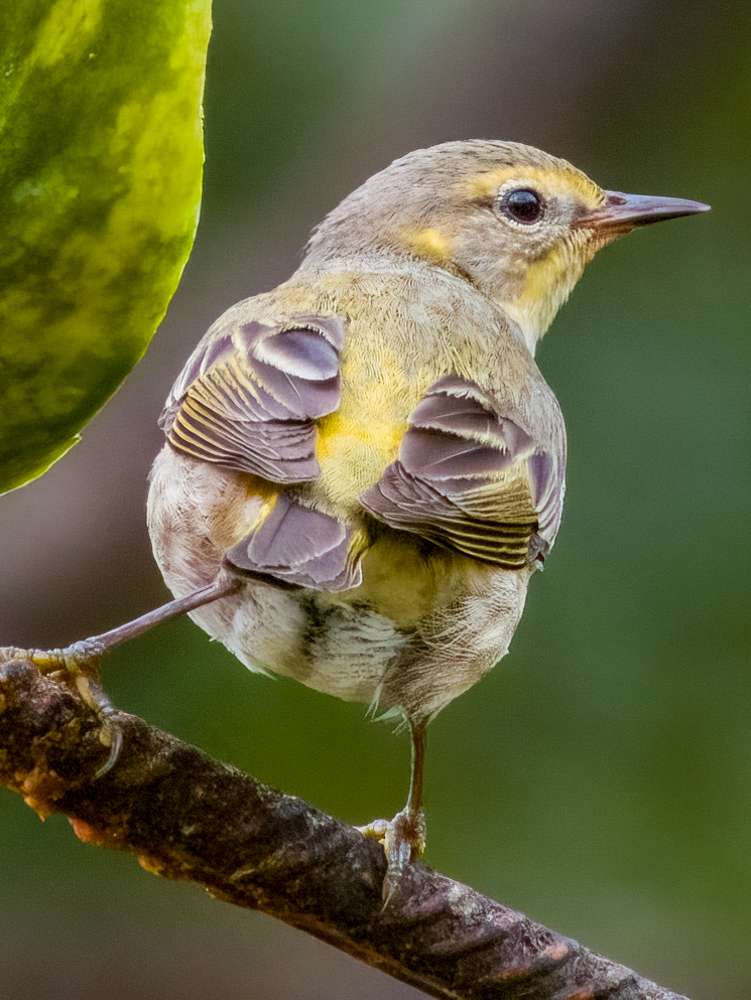
Similarly, Chicago’s Montrose Point Bird Sanctuary along Lake Michigan is legendary. In the spring, it's possible to log over 20 different warbler species in a day, as birds are forced to land by the expansive, open water. Corpus Christi, Texas, is often dubbed "America's Birdiest City" due to its proximity to the Gulf Coast and its varied coastal habitats.
Unexpected Residents: Who Lives Here?
Urban birding isn't just about catching fleeting migrants; it's also about appreciating the year-round residents who have successfully adapted to city life. These birds demonstrate remarkable resilience and ingenuity:
Raptors on Skyscrapers: Cities provide the perfect habitat for birds of prey. Peregrine Falcons, the fastest birds on Earth, have embraced skyscrapers as stand-ins for cliffs, nesting on ledges and preying on the abundant Rock Pigeons and European Starlings. Red-tailed Hawks are now common sights in parks and even downtown areas, using utility poles and building tops as hunting perches.

Peregrine Falcon The Adaptable Songbirds: Species like the American Robin and Mourning Dove thrive on urban lawns and trees. Invasive species, like the ubiquitous House Sparrow and European Starling, have also cemented their place, highlighting the complex mix of native and non-native life that coexists with human infrastructure.
Wading Birds and Waterfowl: Even large metropolitan areas often maintain significant waterways. Parks along the Mississippi River in cities like New Orleans can host numerous wading birds, ducks, and even the occasional Osprey that nests on riverside structures.


The Therapeutic Power of Birding
The rapid rise of urban birding is deeply connected to a renewed public desire for accessible nature and its proven mental health benefits. The hobby offers a genuine escape from the chronic stress of city living without requiring a long drive into the wilderness.
Studies have shown that simply seeing or hearing birds can significantly improve mental well-being, reduce stress, and restore attention. For millions of apartment-dwelling urbanites, birding transforms a local park from a place to walk the dog into an ever-changing, scientifically fascinating ecosystem.
The hobby is also inherently accessible. It requires minimal gear—often just a pair of binoculars, a field guide, and a free app like eBird or Merlin Bird ID. This low barrier to entry has helped draw in diverse communities, democratizing a pursuit that was once viewed as exclusive.
Challenges and the Conservation Mandate
Despite the positive trend, urban birds face unique and severe threats that bird watchers are now uniquely positioned to help address.
The biggest challenge is window collisions. Millions of birds are killed annually when they strike the reflective glass of skyscrapers and homes, particularly during migration when disorientation is high. Birding groups in cities like Chicago and New York have spearheaded "Lights Out" campaigns, convincing building owners to dim or turn off decorative lighting during peak migratory periods.
Habitat loss also remains a constant threat, making the protection of every city park, rooftop garden, and backyard habitat critical. By engaging in urban birding, participants become citizen scientists, collecting invaluable data that informs local conservation efforts. Every sighting reported on an app helps researchers understand bird distribution and population health.
Urban bird watching is more than just a passing fad; it is a paradigm shift that reconnects city dwellers with the natural world right outside their windows. It teaches us that biodiversity is not confined to remote forests but persists, vibrant and resilient, in the heart of our most developed landscapes. It challenges us to build greener cities and, in doing so, enriches the lives of both humans and the birds who share our urban home.
