
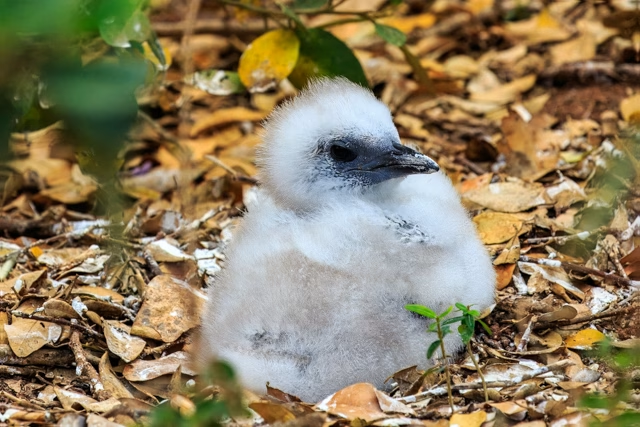
For most people, bird watching conjures images of tranquil national parks or local nature preserves. But the most dedicated U.S. birders know that some of the most spectacular, rare, and high-volume birding occurs in places far from the typical tourist trail—locations often defined by their remoteness, their unusual function, or their harsh, unforgiving environments. These "unusual" hotspots, from meticulously engineered wastewater treatment facilities to the vast, turbulent expanses of the open ocean, offer a truly unique perspective on America's diverse avian life.
Wastewater Treatment Plants: Turning Effluence into Avian Abundance
It might sound counter-intuitive, but wastewater treatment plants (WWTPs) are some of the most reliable and bird-rich locations in the country, often dubbed "sewage works" by birders. The secret lies in their stable water supply, especially in arid regions, and the nutrient-rich sludge and effluent ponds that create ideal habitat for a massive variety of invertebrate food sources. These engineered wetlands often resemble prime natural marshland, attracting migratory waterfowl, shorebirds, and a surprising array of vagrants.
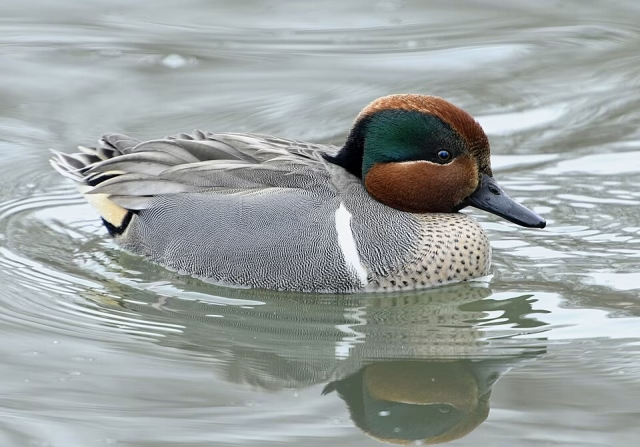
A stellar U.S. example is the Arcata Marsh and Wildlife Sanctuary in Arcata, California. This facility pioneered the use of constructed wetlands for tertiary wastewater treatment, effectively turning a municipal waste problem into a vibrant ecological asset. The marsh and its associated ponds are magnets for shorebirds like Black-necked Stilts and Greater Yellowlegs, various ducks including Northern Shoveler and Green-winged Teal, and a host of raptors that hunt the area. Arcata's success has inspired similar projects nationwide.
Another notable site is the Henderson Bird Viewing Preserve in Nevada, adjacent to the city's water reclamation facility. This managed habitat, in a relatively dry desert environment, offers a critical stopover and breeding location. Birders can regularly spot desert specialties and migrants, including Abert's Towhee, Vermilion Flycatcher, and numerous species of sparrows and waterfowl. The consistent water source ensures year-round bird activity, making the man-made wetlands a true oasis.
Pelagic Trips: The Thrill of the Open Ocean
Perhaps the most physically challenging and rarest birding specialty is the pelagic trip. These are boat excursions that venture far offshore, past the continental shelf, to the deep, open ocean—the pelagic zone—to seek out species that never, or rarely, come close to land. These birds, collectively called seabirds or pelagics, are perfectly adapted to life at sea, only returning to remote islands or cliffs to breed.
U.S. pelagic trips are conducted year-round from various coastal ports, each offering a distinct suite of species.
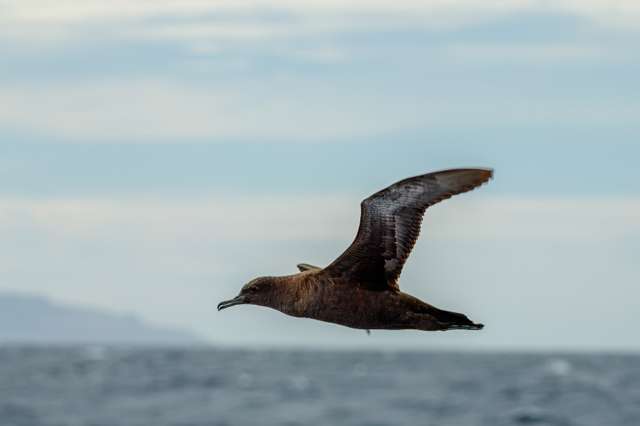
On the West Coast, trips often depart from locations like Westport, Washington, or Monterey Bay, California. The rich, cool waters of the Pacific attract spectacular birds. Highlights include various albatross species like the massive Black-footed Albatross and the occasional Laysan Albatross. Shearwaters, such as Sooty Shearwater and Pink-footed Shearwater, can number in the thousands, and the predatory Jaegers (Pomarine, Parasitic, and Long-tailed) are common sights as they harass gulls for their food.
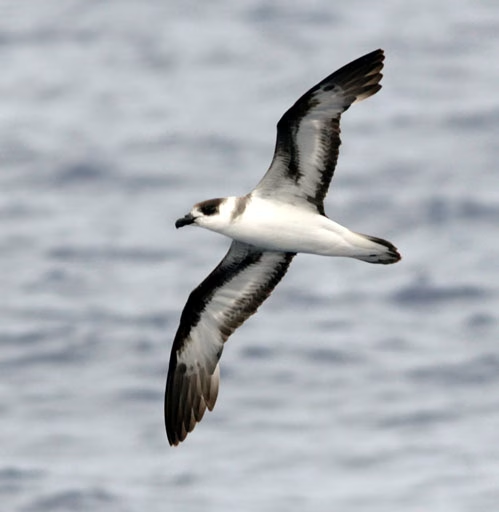
The East Coast offers equally exciting adventures, particularly the run to the Gulf Stream off the coast of Cape Hatteras, North Carolina. The warm waters flowing from the tropics bring in specialty birds rarely seen anywhere else in the U.S. Birders here seek out species like Black-capped Petrel, various Storm-Petrels (Wilson’s, Leach’s, and Band-rumped), and even rare tropicbirds. These trips are an endurance test, often lasting 10-12 hours in potentially rough seas, but the payoff of seeing a species that spends 99% of its life on the high seas is unmatched.
Remote Islands: Isolated Sanctuaries for Breeding Colonies
Islands, particularly remote and undisturbed ones, serve as crucial breeding grounds for millions of seabirds and unique stopovers for migrants. Their isolation makes access challenging, adding to the "unusual" nature of the birding experience.
One of the most famous U.S. island destinations is Dry Tortugas National Park, Florida, an archipelago seventy miles west of Key West. This collection of seven small islands is a vital layover on the Great Florida Birding Trail for neo-tropical migrants crossing the Gulf of Mexico, but it is most famous for its breeding colonies. The park is the only regular nesting site in the U.S. for the Sooty Tern (with tens of thousands of pairs), the Brown Noddy, and the Masked Booby. Getting there requires a ferry ride or charter boat, but the sights of Fort Jefferson surrounded by swirling seabirds are iconic.
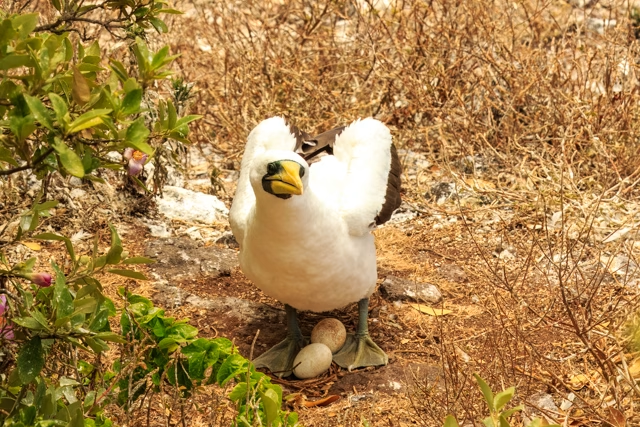
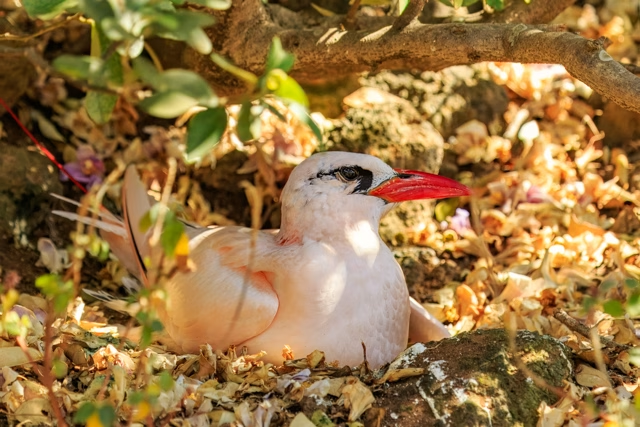
Further afield, the Midway Atoll National Wildlife Refuge in the Northwestern Hawaiian Islands hosts the largest colony of Laysan Albatross in the world—over a million birds. While access is severely restricted for conservation purposes, its ecological importance as a remote sanctuary is monumental, also supporting nesting Black-footed Albatross and Red-tailed Tropicbirds. These remote Pacific atolls provide a glimpse into an ecosystem untouched by widespread human development.
High-Altitude Mountains: Endemics and Specialists
Mountain ranges offer unique birding due to their dramatic changes in altitude, which create distinct life zones and isolated habitats, leading to localized or endemic bird populations.
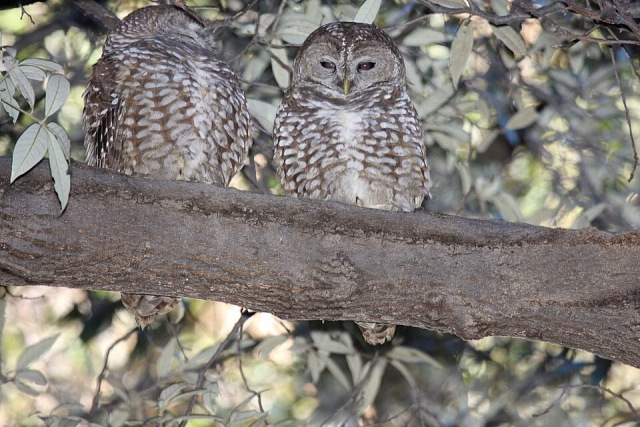
The Chiricahua Mountains in southeastern Arizona are a prime example. Part of the sky island archipelago, these mountains rise abruptly from the surrounding desert, creating a biological crossroads of Rocky Mountain, Sonoran Desert, and Mexican avifauna. The canyons and high-elevation forests are the only place in the U.S. to reliably find species like the brilliant Elegant Trogon, the tiny Red-faced Warbler, and the elusive Spotted Owl. Birders often spend time scanning the rocky slopes and cienagas (marshy springs) for sought-after rarities.
Similarly, the Rocky Mountains and the Sierra Nevada in the West host distinct alpine communities. Birding at high elevations often means seeking out hardy, cold-adapted species. In the Sierras, locations like the Aspendell area in the East Sierras provide access to high-alpine environments where birders look for specialties such as the Mountain Chickadee, Clark's Nutcracker, and the aptly named Pine Grosbeak. The effort required to bird these remote, high-altitude locales is rewarded with incredible views and highly localized species.

Wrapping Up
The pursuit of birds in the U.S. is not limited to manicured parks. From the productive, engineered wetlands of municipal facilities to the wave-tossed decks of vessels heading into the deep ocean, and the thin air of isolated mountain peaks, the country offers unusual and spectacular avian adventures. These diverse and often unexpected habitats showcase the resilience and adaptability of bird life, confirming that the best birding is often found when one is willing to look beyond the obvious.
Read about more rare birds.
