
When we think of a bird's wings, our minds instinctively turn to the magnificent act of flight. The soaring eagle, the hovering hummingbird, the darting swallow—all are defined by their mastery of the air. The wings are the quintessential symbol of freedom and motion, the primary tool that has allowed birds to colonize nearly every corner of the planet. But to focus solely on flight is to overlook the incredible versatility of these appendages.
A bird's wings are far more than just engines of propulsion; they are multi-functional tools used for everything from communication and courtship to thermoregulation and defense. In the diverse habitats of the United States, from the rugged coastlines to the arid deserts, birds employ their wings in a surprising array of ways, revealing a hidden dimension to their daily lives.
The Wing as a Signaling and Display Tool
One of the most elaborate non-flying uses for wings is in the complex world of bird courtship and communication. Male birds, in particular, have evolved intricate wing displays to attract mates, signal aggression, or communicate their dominance.
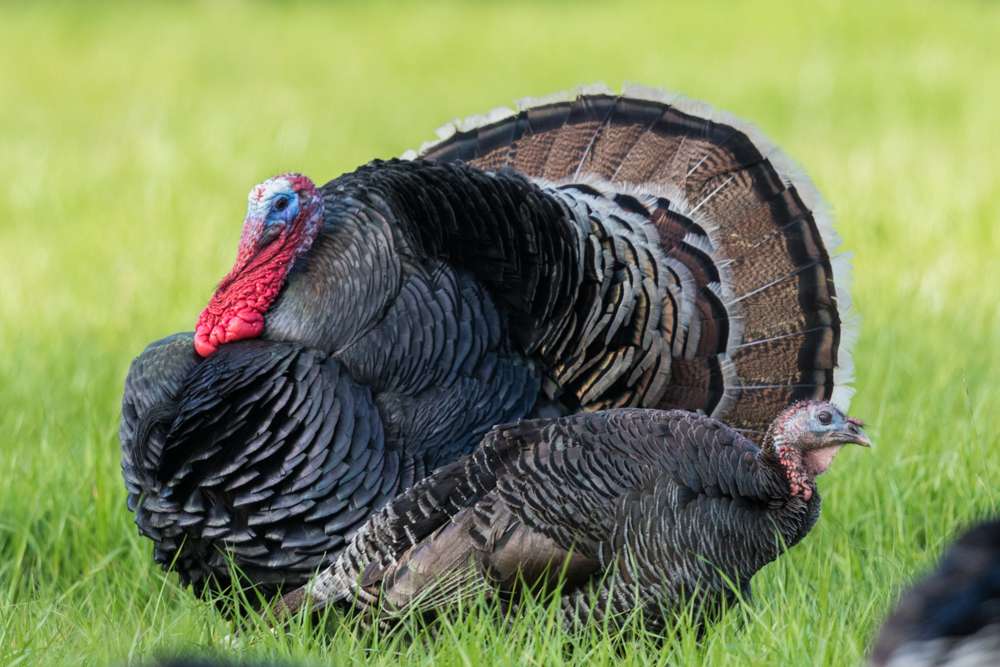
The Wild Turkey (Meleagris gallopavo) is a prime example. During their elaborate spring courtship rituals, male turkeys (toms) perform a dazzling display known as "strutting." They puff out their feathers, fan their tail, and, most notably, drag their wings along the ground. This audible, visual display of power and size is a key part of their mating success, a clear signal to females that they are a strong and healthy mate.
The American Avocet (Recurvirostra americana) uses its wings for a unique, synchronized courtship dance. Mating pairs will stand side-by-side, lifting and extending their wings in unison, a graceful, choreographed display that reinforces their pair bond.

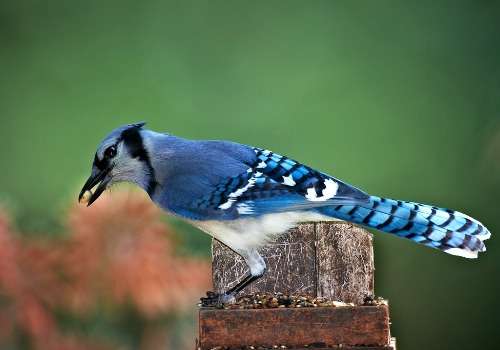
The Blue Jay (Cyanocitta cristata), known for its intelligence and boisterous calls, uses a rapid flick of its wings to communicate. A quick, sharp flick can signal alarm or aggression to other jays or potential threats, a non-verbal warning that is instantly understood.
The Wing as a Thermoregulator and Sunshade
A bird's survival depends on its ability to maintain a stable body temperature, especially in the extreme climates found across the U.S. From the searing heat of the Southwest to the intense cold of the North, wings play a crucial role in thermoregulation.
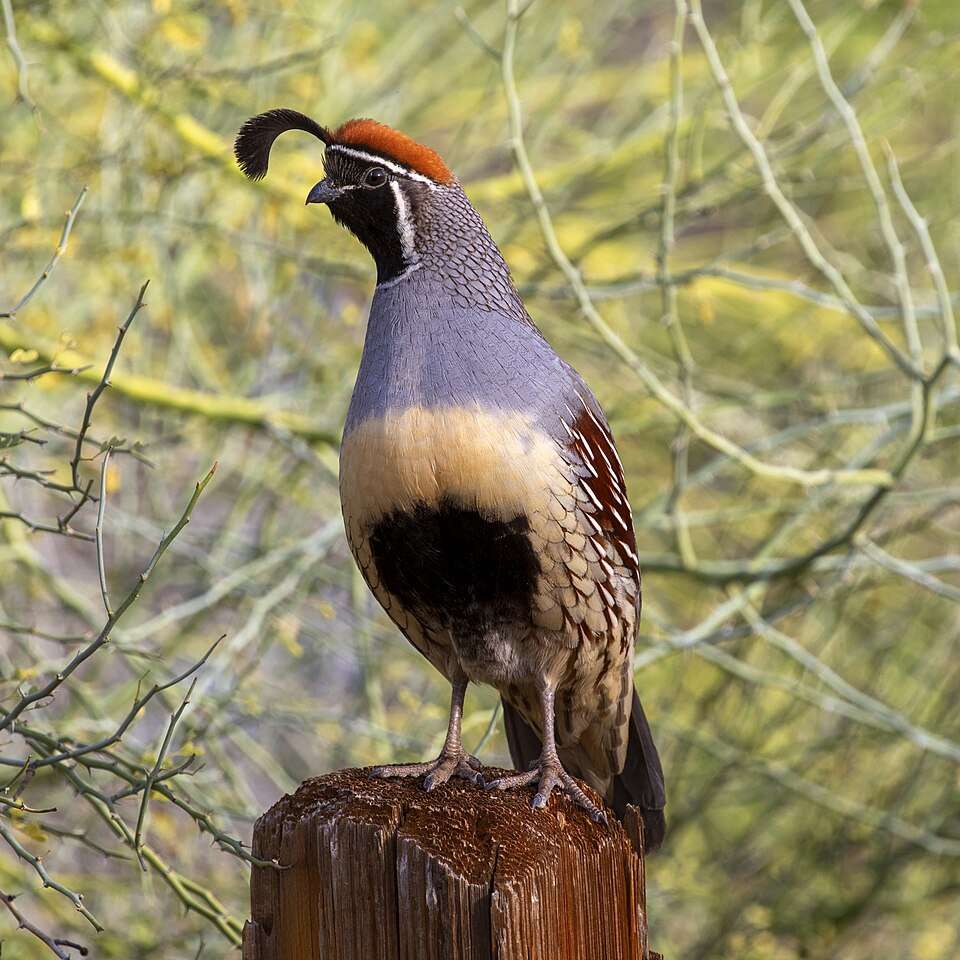
In the blistering heat of the desert, birds like the Gambel's Quail (Callipepla gambelii) use their wings to create shade. A quail will often spread one wing out and over a chick, providing a small patch of relief from the intense sun. This is a common sight in the hottest parts of the day, a simple yet effective way to protect vulnerable young.
When a bird is too hot, it will often "droop" its wings. The Turkey Vulture (Cathartes aura) is a master of this behavior. By spreading its large, dark wings in a crucifix-like posture, the vulture exposes its unfeathered armpits to the air, allowing heat to escape. This behavior, known as "horaltic pose," is also used to warm up in the morning sun, as the dark feathers absorb solar radiation.
The Science Behind Bird Flight: How America’s Birds Take to the Skies
The Wing as a Tool for Defense and Deception
When a bird is threatened, its wings are often its first and last line of defense, serving as a shield, a weapon, or a tool for deception.
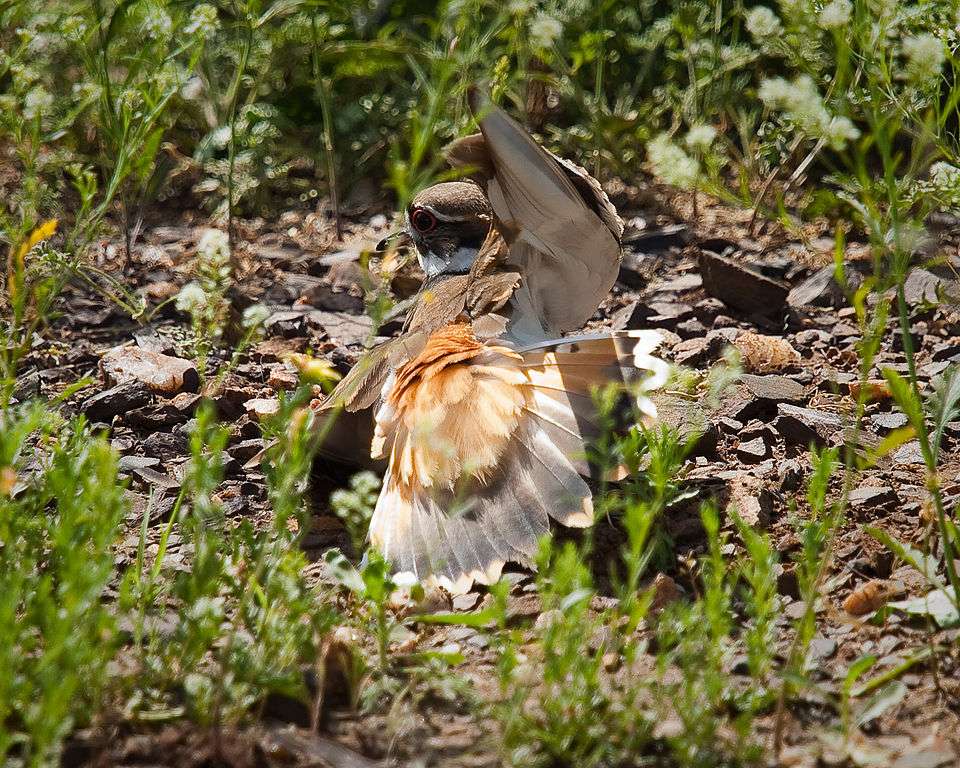
The Killdeer (Charadrius vociferus), a small shorebird, is famous for its "broken-wing display." When a predator approaches its nest, the Killdeer will hobble away, dragging its wing and making distressed sounds as if it is injured. This elaborate ruse draws the predator away from the nest and its precious eggs, a selfless act of deception that is a marvel to behold.
For many species, from the common American Crow (Corvus brachyrhynchos) to the fierce Great Horned Owl (Bubo virginianus), wings are a critical component of their threat displays. Spreading their wings wide makes them appear larger and more intimidating, a visual bluff that can often deter a less-than-committed predator.
The wings of some birds can also serve as physical shields. The American Woodcock (Scolopax minor), with its well-camouflaged plumage, will often use its wings to cover its young when a predator is nearby, turning its body into a protective dome.
The Wing for Aquatic Maneuvers and Propulsion
While most birds use their wings for aerial locomotion, a surprising number of species have adapted their wings for movement in the water. For them, wings are both propellers and rudders.
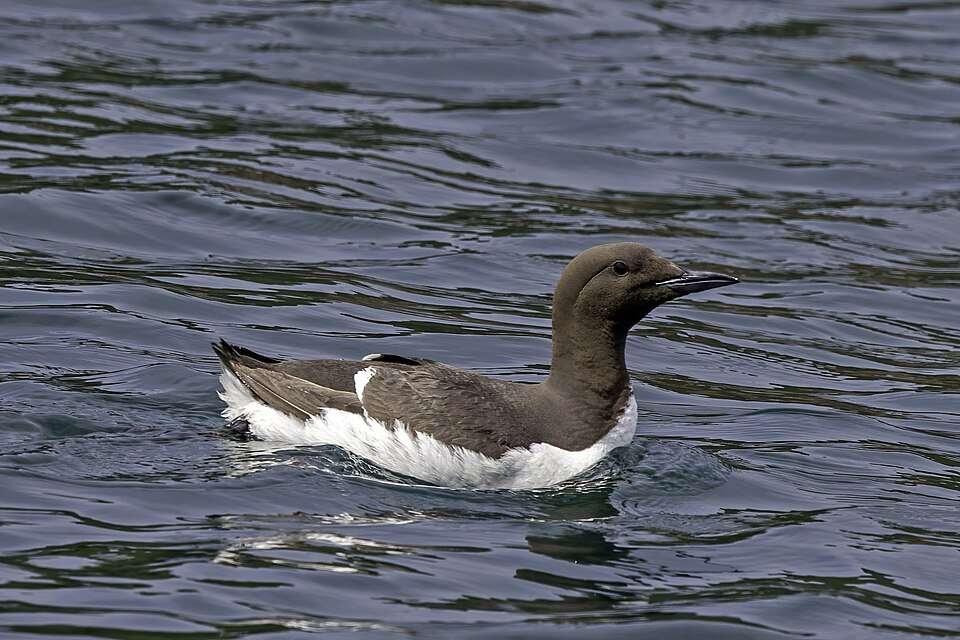
The Common Murre (Uria aalge) and other auks on the Pacific and Atlantic coasts are master underwater swimmers. They use their wings to "fly" through the water, with powerful strokes that propel them through the ocean in pursuit of fish. Their wings, while still capable of flight, are short and stiff, a design that is highly efficient for aquatic life.
The American Dipper (Cinclus mexicanus), a unique bird found in the fast-flowing streams of the Rocky Mountains, uses its wings for a more subtle purpose. It literally walks on the bottom of a stream, using its wings to push down against the current and maintain its position as it forages for aquatic insects.
The Wing as a Ground Tool and Weapon
Finally, some birds have adapted their wings to aid in terrestrial activities, from foraging to fighting.
The Greater Roadrunner (Geococcyx californianus), a desert dweller of the Southwest, uses its wings as a form of cooling when running on the ground, spreading them slightly to release heat. They are also known to use their wings to knock down smaller prey, trapping it against the ground with a quick motion.
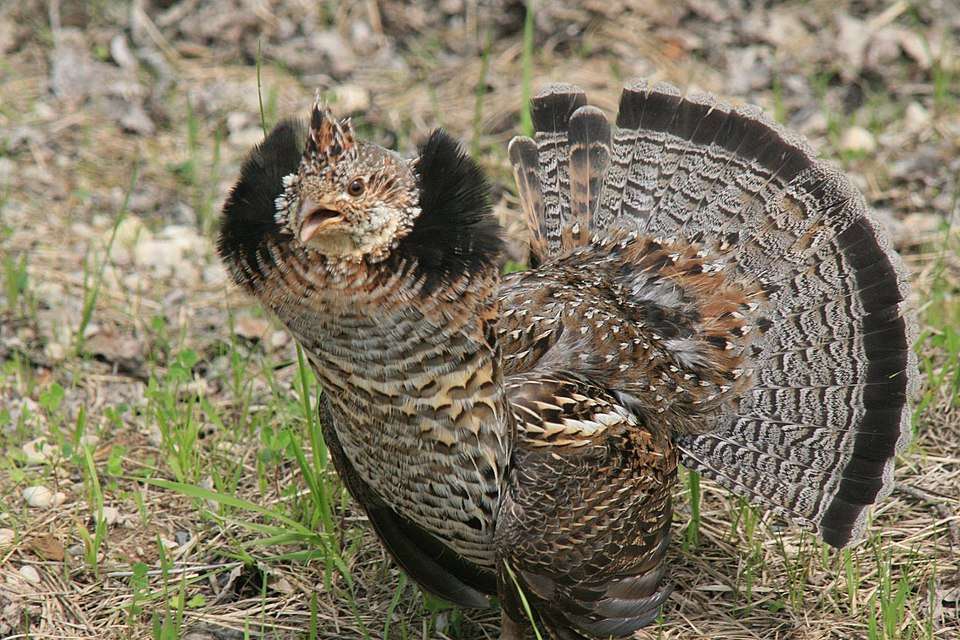
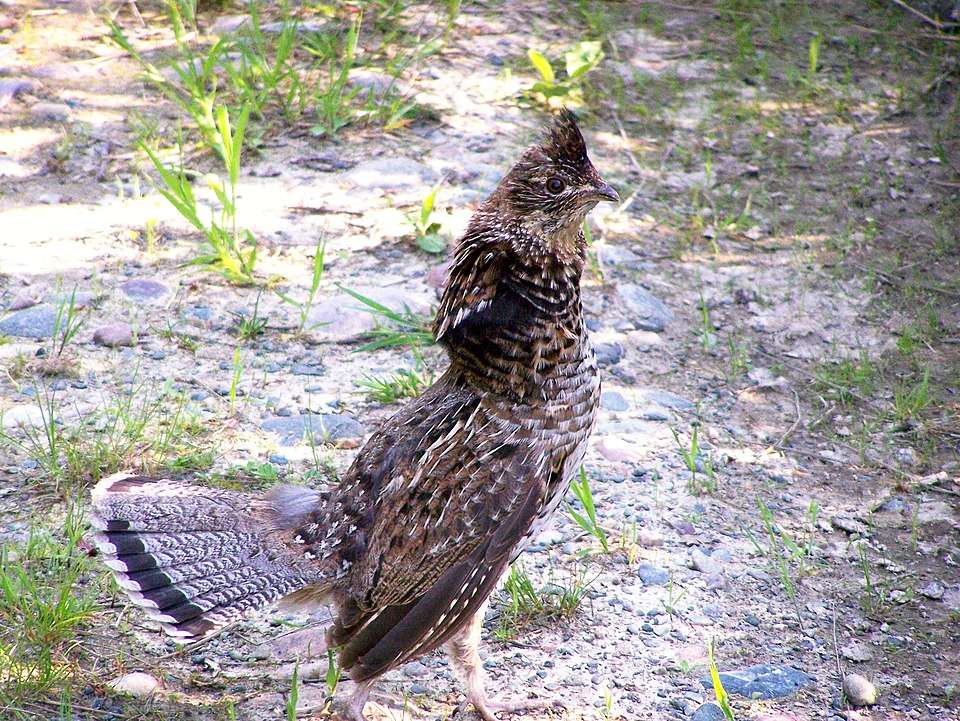
The male Ruffed Grouse (Bonasa umbellus) uses its wings for one of the most iconic sounds in the forest: "drumming." By beating its wings in a rapid blur, it creates a deep, thumping sound that serves as a territorial display.
Wrapping Up
A bird’s wings are a symphony of form and function that extends far beyond the magic of flight. From the subtle flick of a jay’s wing to the powerful shield of a woodcock, these appendages are a testament to the incredible ingenuity of nature. By paying closer attention to how birds use their wings when they are on the ground, in the water, or simply at rest, we can gain a deeper appreciation for their complex lives and the elegant solutions they have evolved to survive in a challenging world.
Read more about the amazing science of bird wings.
