
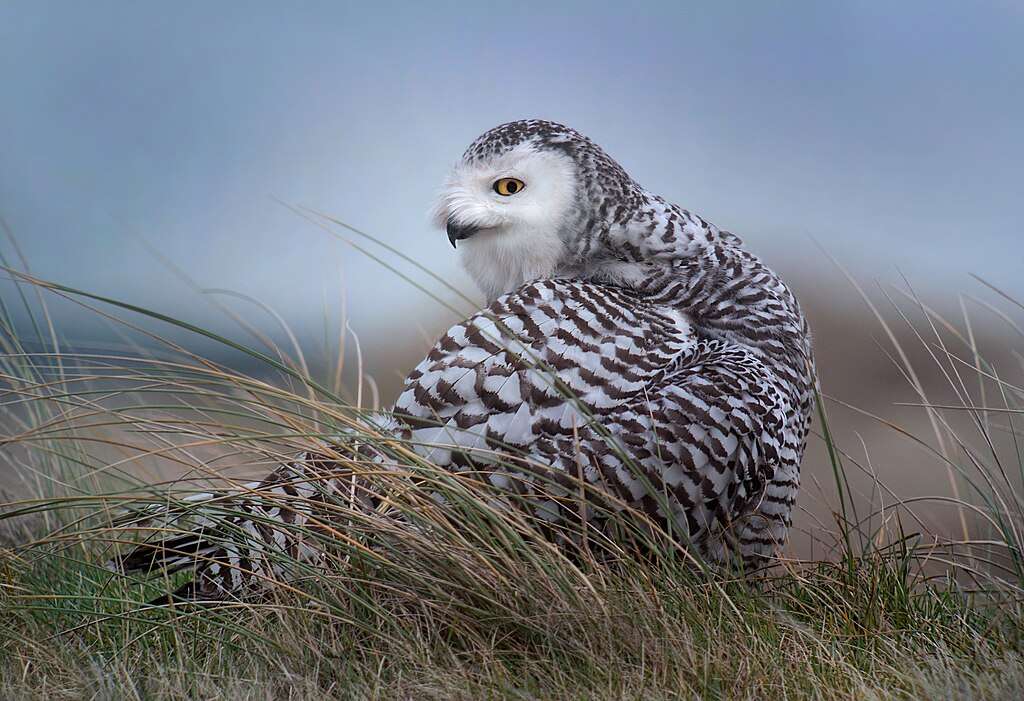
When the chill of winter settles across the northern forests of the United States and Canada, bird feeders often become busier, and the snowy woods hold the promise of an unexpected avian visitor. These are the irruptive birds, species that periodically abandon their northern strongholds to flood southern latitudes, bringing a rush of excitement to birdwatchers across the U.S. These movements are not regular migrations; they are unpredictable, dramatic, and often massive shifts in population driven by environmental scarcity.
Discover the fascinating phenomenon of bird irruptions, covering what they are, the ecological factors that trigger these movements, and showcasing several iconic examples of irruptive species that annually or sporadically transform the winter birding landscape in the lower 48 states.
What is a Bird Irruption?
An irruption is a sudden, irregular, and often large-scale southward movement of bird populations from their normal wintering or breeding ranges. Unlike true migration—which is a predictable, seasonal, north-to-south movement following established routes (like the major flyways)—an irruption is:
- Irregular: It doesn't happen every year. It might occur every two, five, or ten years.
- Unpredictable: The timing and scale are dictated by fluctuating environmental factors, not by fixed calendars.
- Driven by Scarcity: It is a forced dispersal, not a planned relocation. Birds move because they are starving, not because of a seasonal change in climate.
- Directional: The movement is typically south from the boreal or subarctic forests into the central and southern United States.
In essence, an irruption represents a failure of the food supply in the northern breeding range. When the winter food crop—whether it be conifer cones, certain seeds, or small rodents—fails, vast numbers of birds are forced to undertake a desperate southward search for survival.
The Triggers: What Causes Irruptions?
The primary driver of an irruptive event is the boom-and-bust cycle of specialized food resources in the boreal forest. These movements are an evolutionary adaptation; the birds trade the reliability of a known but exhausted food supply for the possibility of finding food farther south.
1. Conifer Cone Crop Failures
For many finches and crossbills, the lifeblood of their winter survival is the seed found within the cones of spruce, fir, and pine trees. These trees do not produce a bumper crop of cones every year; the cycle is irregular.
- The "Bust" Year: When the cone crop fails across a large region of Canada and the northern U.S., the seed-eating birds are left with nothing. They must leave.
- The Preceding "Boom" Year: Conversely, a massive cone crop in a preceding year can lead to a successful, large-scale breeding season, producing a huge population of young birds that then exacerbate the competition for resources when the crop inevitably fails the next winter.
2. Mammalian Prey Cycles (For Raptors)
For raptors like the Snowy Owl and the Great Gray Owl, irruptions are less about seeds and more about the populations of their primary prey, often lemmings and voles.
- When lemming or vole populations crash in the Arctic tundra or boreal peatlands, the owls cannot find enough food to sustain themselves. The younger, less experienced birds are often the first to be forced south into the U.S.
3. Energy Conservation and Risk
Irruptions are costly. The journey south is exhausting and exposes birds to predators and unfamiliar environments. The birds that irrupt are often food specialists (like the finches) or habitat specialists (like the owls). Their reliance on a narrow set of resources makes them vulnerable to localized food shortages but also highly competitive when those resources are abundant. The irruption is a calculated risk: starve in the north, or risk the unknown south.
Iconic U.S. Irruptive Bird Species
The arrival of an irruptive species is a major event in the birding community, often documented and tracked by organizations like the Finch Research Network (FiRN) and various regional bird observatories. Here are some of the most famous irruptive species seen in the U.S.:
A. The Finches and Relatives (Seed Eaters)
These small, hardy birds are the most frequent stars of irruptions.
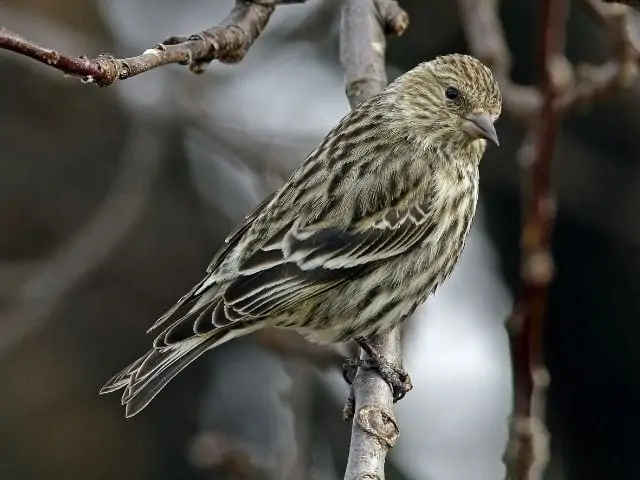
1. Pine Siskin (Spinus pinus)
- Normal Range: Boreal forests across Canada and the high-elevation forests of the western U.S.
- Irruption Behavior: This is perhaps the most frequent irruptive finch. They are masters of adapting their movements to localized cone crops. When they irrupt, they can be found across nearly the entire U.S., showing up at thistle feeders and even attacking suet. They often travel in mixed flocks with goldfinches.
- Food Trigger: Fir and spruce cones, and birch seeds.
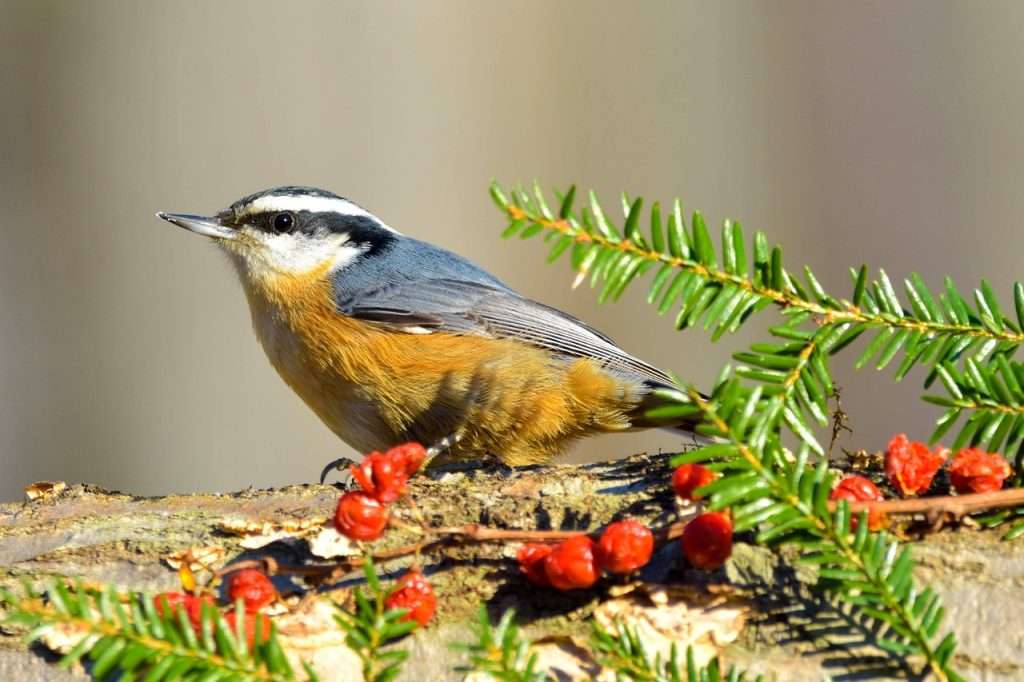
2. Red-breasted Nuthatch (Sitta canadensis)
- Normal Range: Coniferous forests across the northern U.S. and Canada.
- Irruption Behavior: Another frequent irruptive species, the nuthatch's movement south is a very good indicator of a widespread conifer cone failure. They can appear in deciduous forests, suburban backyards, and at peanut feeders across the southern U.S. as far as the Gulf Coast.
- Food Trigger: Conifer seeds (pine, spruce, fir).
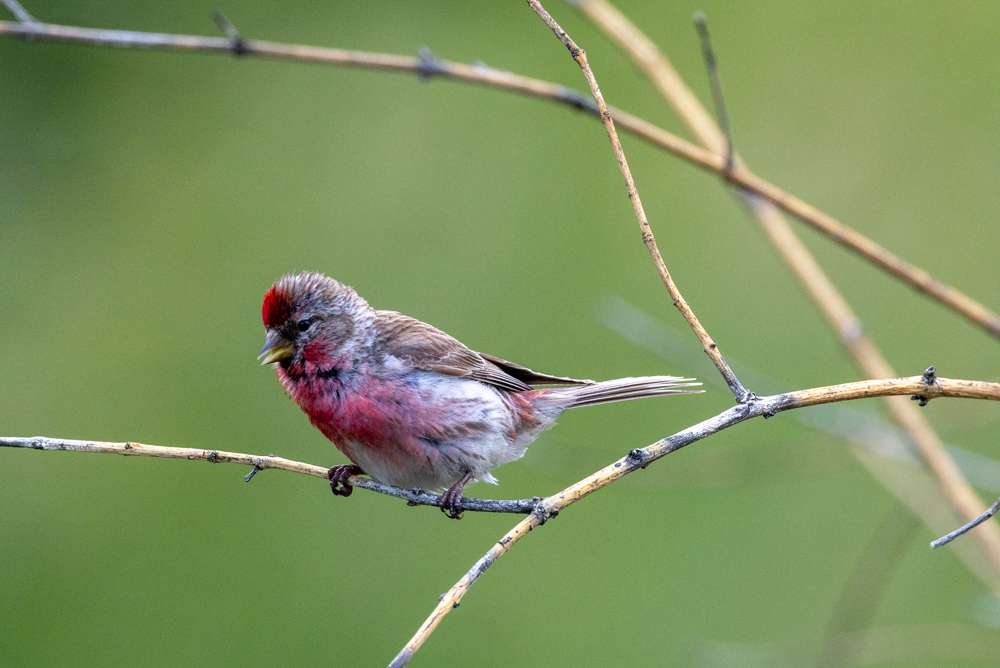
3. Common Redpoll (Acanthis flammea)
- Normal Range: Circumpolar tundra and open boreal areas.
- Irruption Behavior: Redpolls are small, charismatic finches with a bright red forehead patch. When they irrupt, they descend on the northern tier of U.S. states and occasionally reach the mid-Atlantic and mid-west. They are often seen feeding acrobatically on birch catkins and thistle feeders.
- Food Trigger: Birch and alder seeds.
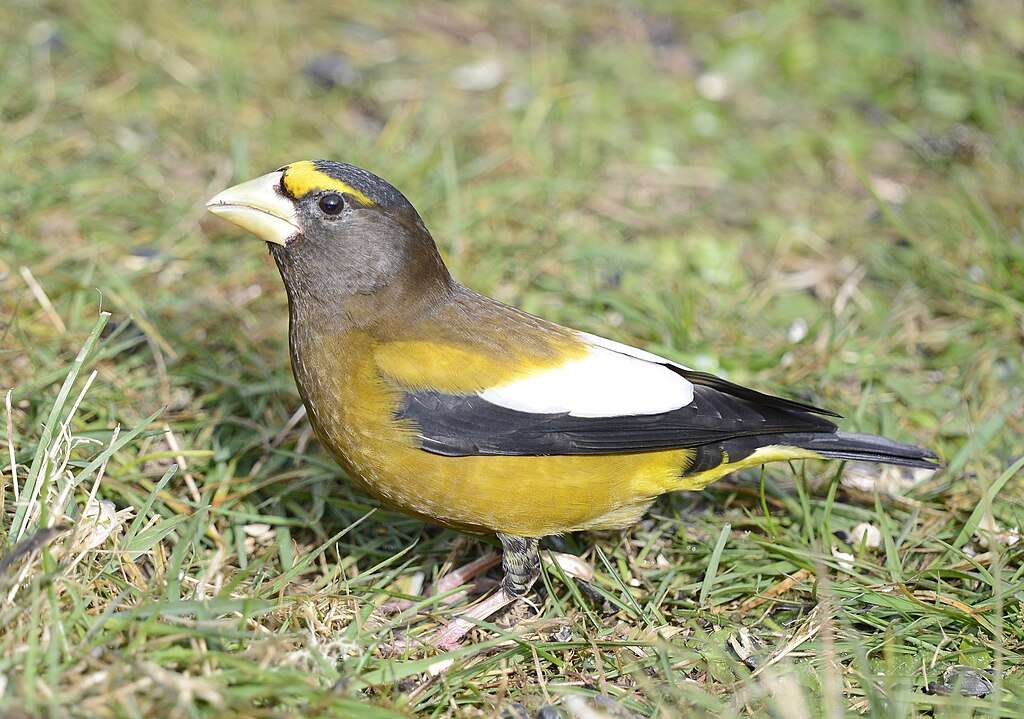
4. Evening Grosbeak (Coccothraustes vespertinus)
- Normal Range: Western mountains and the vast mixed forests of Canada.
- Irruption Behavior: Historically a highly irruptive species in the Eastern U.S., their numbers have declined significantly, making irruptions less common but highly anticipated. When they do irrupt, these large, brilliantly patterned finches bring excitement to feeders, often descending in large, boisterous groups.
- Food Trigger: Maple seeds, conifer seeds, and box elder seeds.
5. Pine Grosbeak (Pinicola enucleator)
- Normal Range: Subalpine and boreal forests.
- Irruption Behavior: These large, rose-red (males) or yellowish-gray (females) finches are less frequent visitors than siskins, usually remaining in the northernmost tier of the U.S. when they irrupt. They are known for their tameness and often feed on ornamental fruit trees (like crabapples) and ash seeds in towns.
- Food Trigger: Buds and fruit of various conifers and hardwoods.
B. The Arctic and Boreal Raptors (Prey Specialists)
These owls bring the quiet majesty of the far north into the contiguous U.S.
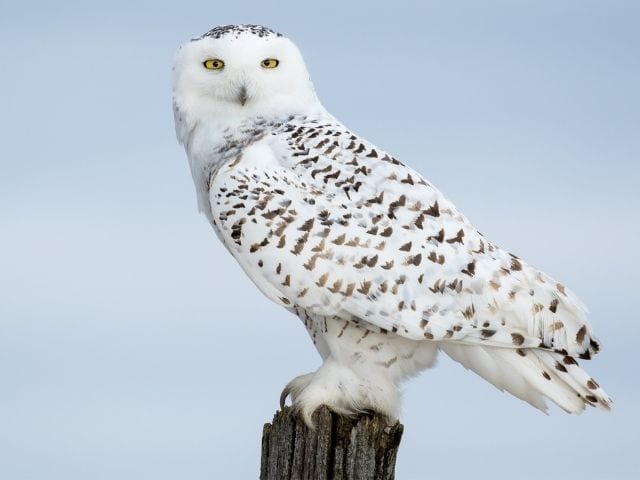
6. Snowy Owl (Bubo scandiacus)
- Normal Range: Circumpolar Arctic tundra.
- Irruption Behavior: The most iconic raptor irruption. Every few years, often following a crash in the lemming population, large numbers of younger owls (mostly juveniles) are pushed south. They seek open, treeless areas that mimic the tundra, such as agricultural fields, coastal dunes, airport runways, and large urban parks. Irruptions often reach as far south as the mid-Atlantic and Great Lakes regions.
- Food Trigger: Lemming and vole population collapse in the Arctic.
7. Great Gray Owl (Strix nebulosa)
- Normal Range: Dense boreal and subalpine forests, largely in Canada and the western U.S. mountains.
- Irruption Behavior: Less common than Snowy Owl irruptions, the Great Gray Owl's movement is typically triggered by deep snow or a crash in vole populations in the Canadian boreal. They move into the northern tier of U.S. states, particularly around the Great Lakes region and New England. They are magnificent, large owls known for their huge facial disks.
- Food Trigger: Vole population crash or deep, limiting snowpack.

The Birding Impact
Irruptions are a massive boon for U.S. birders. They offer the only chance for millions of Americans to see beautiful, specialized northern birds without traveling hundreds or thousands of miles north. Organizations like the Finch Research Network closely monitor these events, releasing forecasts (often called "Finch Forecasts") in the late summer and early fall, predicting which species are likely to move south based on surveys of conifer cone crops in the boreal region.
Tracking these dramatic, irregular arrivals not only thrills birders but also provides scientists with vital data on the health of the vast, remote boreal ecosystem—a clear reminder that what happens in the remote northern forests has a profound and visible impact on the winter landscape of the entire United States.
