
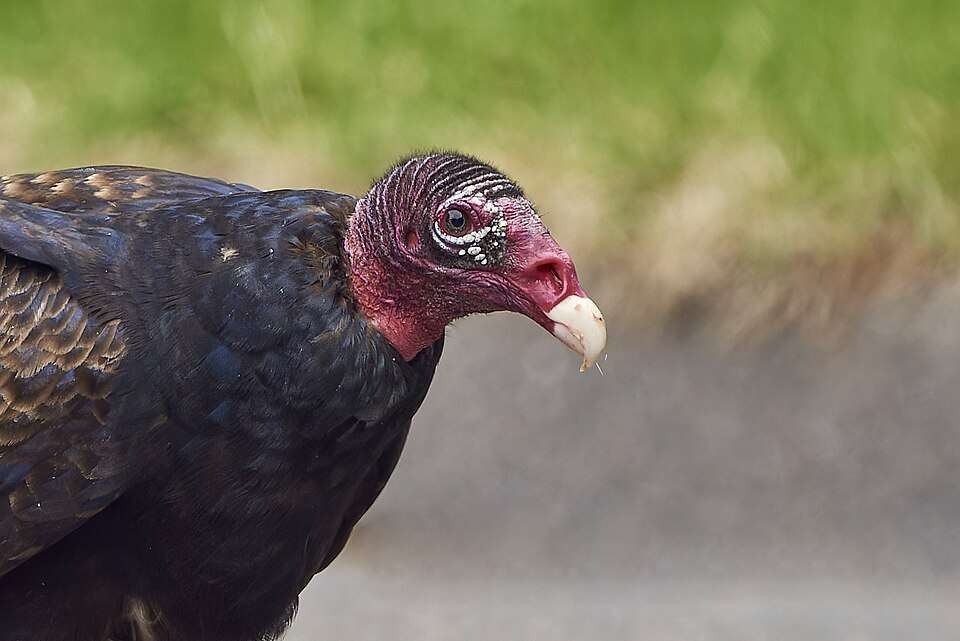
Turkey Vultures are huge birds with a wingspan of up to six feet. They have dark brown or black feathers and a bald head. These birds are scavengers and feed on the carcasses of animals. They are found in North and South America.
While Turkey Vultures are not the most attractive birds, they perform an important role in the ecosystem. Their bald heads help them keep cool when they are feeding on carcasses. The bald heads also help to keep their heads clean when they are rummaging through garbage.
While Turkey Vultures may not be the prettiest bird, they are an important part of the ecosystem. If you ever see one, take a moment to appreciate its gross beauty!

They're attracted to rotting flesh
Turkey Vultures have a keen sense of smell that helps them find their food. This also means that they can smell rotting flesh from miles away, enabling them to find fresh carrion on which to feed.
They have a special gland near their beaks that helps them break down the tannins and other proteins that are often released from rotting tissues. This helps them digest the food more efficiently and prevents any potential diseases or illnesses from the carrion they may eat.
The Turkey Vulture is such an efficient scavenger that they’re able to find food sources even in places where other animals may not be able to smell it. This odor-detecting ability helps them survive in areas where food can be scarce or hard to find.
They sometimes vomit on their prey
Turkey Vultures sometimes use a unique defense mechanism when they are threatened by predators. They vomit a combination of stomach acids and partially-digested food on their predators in order to deter them from attacking. This strategy is more effective than you might think - the acrid odor of the vomit is so strong that it can be smelled up to a mile away and may even deter other predators as well!
On other occasions, they vomit on their prey in order to make it easier to carry. For example, they may vomit on a large carcass or other source of food so they can remove it from the area more easily.
It's gross but effective!
You may find the behavior of these birds to be a bit revolting, but it's an effective defense mechanism and adaptive behavior. We certainly find it to be a bit gross, but it does work to deter predators and make it easier to transport food sources!
Read about how bird watching saved a life.
They have a very keen sense of smell
Turkey Vultures have a keen sense of smell that enables them to detect and locate dead animals from great distances. This is incredibly beneficial. When the vulture finds a source of food, it uses its keen sense of smell to follow a scent trail to the food and then feeds on it.
These birds also use their sense of smell to distinguish what type of food they should and should not eat. They can sense if a food source is toxic and will avoid it. The vultures are also able to detect an animal’s health before they feed on it, thanks to the bird’s sense of smell.
The vultures’ keen sense of smell also helps it locate its prey in the dark. This is especially helpful at night when visibility is exceptionally poor. With their exceptional sense of smell, they are well-equipped to navigate the dead of night and find food.

They have a pretty gross courtship ritual
Turkey Vultures have a unique courtship ritual. When two vultures come together, they will stretch their heads and necks up and out and hold it for some time. While they are doing so, they will fluff their feathers, sway back and forth, and produce noises. The vultures have also been known to circle each other while making loud noises and can reach breathtaking speeds during this process.
These courtship rituals help the vultures to bond and establish a long-term relationship. In the wild, vultures that form strong bonds have a much higher success rate at breeding than those who don’t. Every year they usually return to the same area to breed, often near their mate. The relationship between the partners can last several years, or even decades.
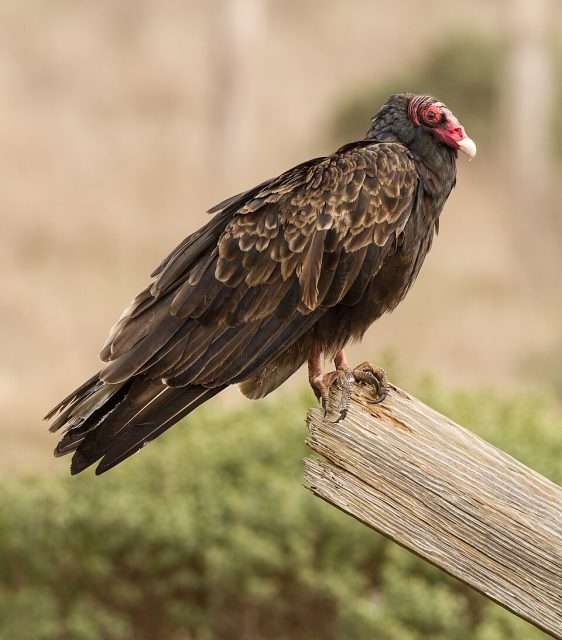
Turkey vultures play an important role in the ecosystem
Turkey Vultures also play an important role in the environment. These birds are nature’s clean-up crew, aiding in the decomposition of dead animals. They also help reduce disease, as they eat the carcasses of dead animals before bacteria and other pathogens have a chance to spread.
The vultures play a vital role in spreading useful nutrients and minerals to the soil, which can help promote new growth and enhance the productivity of the land. They also help other animals by providing a natural form of pest control. By eating small rodents, snakes, and other pests, they help protect other species from becoming too numerous and overwhelming the environment.
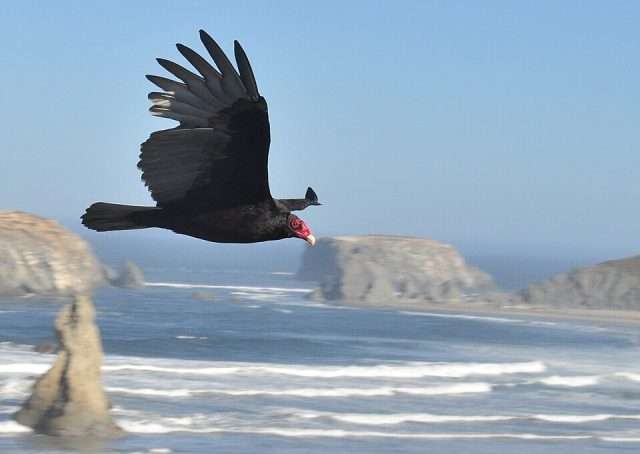
Turkey Vultures truly are an important part of the ecosystem, and without them, the environment would be drastically different. The next time you see a vulture soaring in the sky, think about the important role they play in the environment.
Frequently Asked Questions
Is a Turkey Vulture the same as a turkey?
No, you wouldn't really want a Turkey Vulture for Thanksgiving dinner! The vulture was named so because of its resemblance to the Wild Turkey's head.
Are Turkey Vultures bad to have around?
No, they are harmless to humans and they play a vital role in cleaning up our roads!
What is the largest vulture in the world?
According to the Encylopeadia Britannica, the Cinereous Vulture is the largest in the world and possibly the biggest bird of prey as well.
Enjoy big, ugly birds. Read our profile of the crow.
