
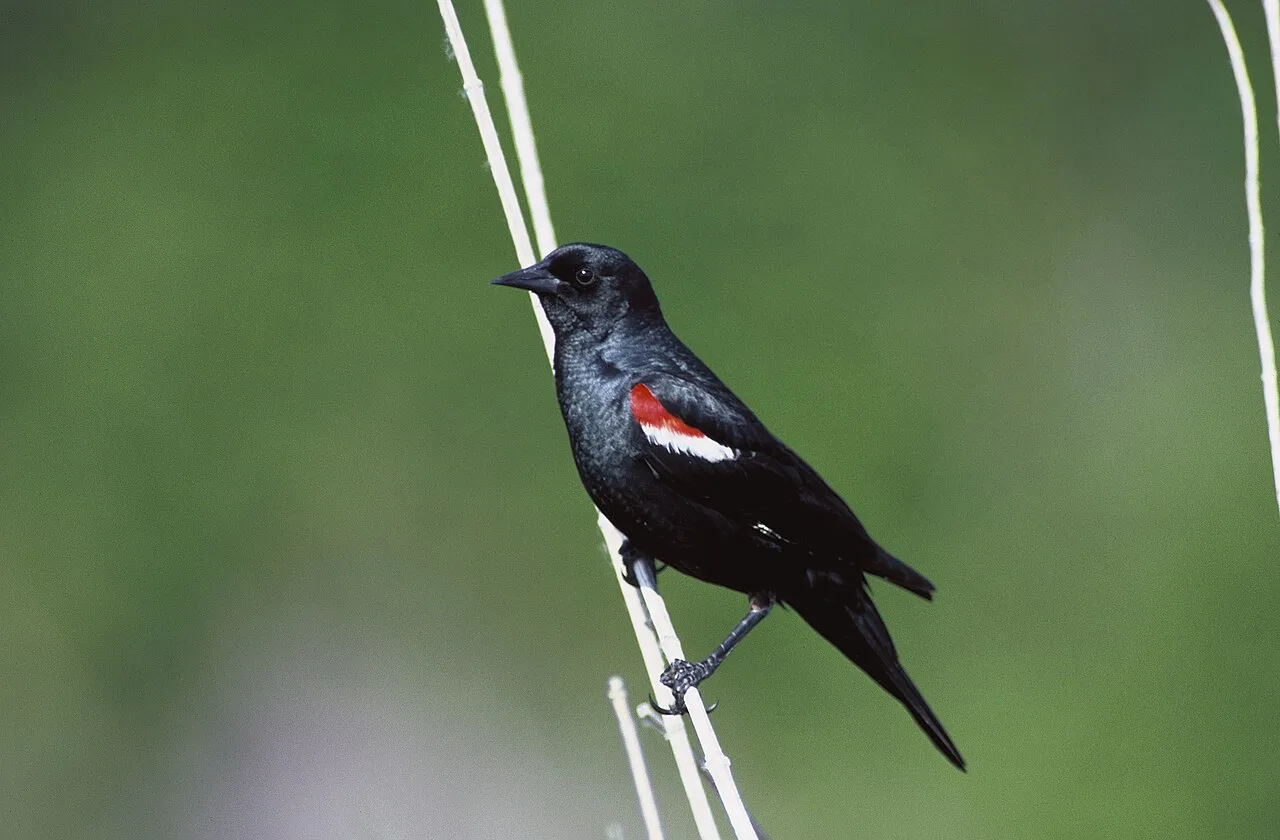
Among North America’s native icterids, the Tricolored Blackbird (Agelaius tricolor) stands out for its intense colonial habits and restricted geographic range. Endemic primarily to California’s Central Valley, with smaller populations scattered across Oregon, Washington, Nevada, and Baja California, this species relies on dynamic foraging strategies to survive the year. While spring breeding colonies demand high-protein insect prey to raise nestlings, winter brings a dramatic dietary shift.
Understanding what Tricolored Blackbirds eat in winter offers a fascinating look into avian adaptation, agricultural ecology, and the conservation challenges facing this vulnerable species.
The Seasonal Shift: Insects to Grains
During the spring and early summer nesting season, adult Tricolored Blackbirds hunt heavily for protein-dense invertebrates—including grasshoppers, beetles, dragonfly larvae, and caterpillars—to support their rapidly growing offspring. However, as autumn wanes and ambient temperatures cool across the Pacific flyway, insect availability drops sharply.
In response, wintering flocks transition from an insect-dominated diet to a predominantly granivorous (seed-based) diet. Grain and plant seeds make up as much as 85% to 90% of their total food intake throughout the winter months.
Key Winter Dietary Components
Agricultural Grains:
Rice: Waste rice left behind in harvested fields is a major winter staple, particularly in the Sacramento Valley.
Corn, Barley, and Oats: Foraged from harvested agricultural fields, grain storage areas, and livestock feeding operations.
Wild Plant & Weed Seeds:
Seeds of weedy grasses, smartweed (Persicaria), wild oats, watergrass, and sedges gathered along damp pasture margins and seasonal wetlands.
Livestock Feed & Silage:
Trough feed, cracked corn, grain concentrates, and silage consumed at open dairy farms and cattle feedlots.
Opportunistic Invertebrates:
On milder winter days or after heavy rains, birds will probe damp soils for lingering beetle larvae, earthworms, and small snails to supplement their seed intake.
Winter Foraging Habitats: Follow the Flocks
During the non-breeding season, Tricolored Blackbirds form massive, highly nomadic mixed-species flocks—often joining Red-winged Blackbirds, European Starlings, and Brewer’s Blackbirds. To find sufficient food, these non-breeding flocks target specific habitats across the Central Valley and coastal basins:
Flooded Rice Stubble: After the fall harvest, flooded or damp rice fields provide abundant unharvested grain, wild weed seeds, and occasional aquatic prey.
Dairies and Feedlots: Animal feeding operations are crucial winter food hubs. Large flocks swoop into open feeding troughs to consume grain supplements and spilled cattle feed.
Damp Pastures and Irrigated Grasslands: Rain-softened soils allow blackbirds to probe for buried seeds, sprouting grains, and soil invertebrates near the surface.
Feed Mills and Grain Elevators: Spilled grain around commercial elevators and storage sheds provides dependable foraging during lean periods.
Conservation & Winter Foraging Challenges
Because Tricolored Blackbirds depend heavily on agricultural landscapes during the non-breeding season, their winter dietary health is closely tied to regional land-use practices. The widespread conversion of traditional grain fields and open pastures to perennial tree crops (such as almonds and walnuts) has significantly reduced open grain foraging acreage across their historic wintering grounds.
Additionally, reliance on dairy feedlots highlights the importance of working collaboratively with agricultural landowners. Conservation initiatives across California focus on maintaining bird-friendly foraging grounds and ensuring clean, sustainable winter food sources for this iconic Western species.
