
For dedicated birdwatchers, the pursuit of a "life list"—a comprehensive record of every species seen—often dictates where they travel. In the United States, a handful of states stand out as indispensable destinations, largely due to their unique geographical positions that create perfect intersections of endemic species, diverse habitats, and critical migratory flyways. When focusing solely on the sheer number of avian species recorded, three states consistently soar above the rest, with a few close contenders rounding out the top tier.
The states that offer the greatest bird species diversity owe their distinction to their size, their climatic variety, and, most importantly, their strategic placement along major continental migration routes.
1. California: The Undisputed Diversity Champion (Approx. 706–714 Species)
California holds the coveted title of having the highest recorded bird species diversity in the U.S., with checklists often totaling over 700 species. The Golden State’s exceptional count is a direct result of its unparalleled geographic variation.
Why California Leads the Flock
- Mega-Diversity: From the Pacific coastline, which provides critical habitat for pelagic species (seabirds seen far offshore) and shorebirds, to the towering Sierra Nevada mountains and the low-lying Mojave and Colorado Deserts, California encompasses nearly every North American biome. This variety creates niches for an immense array of permanent residents and breeders.
- The Pacific Flyway: The state is a major stopover and terminus along the Pacific Flyway, welcoming millions of birds traveling between breeding grounds in Alaska and Canada and wintering grounds in Mexico and Central America.
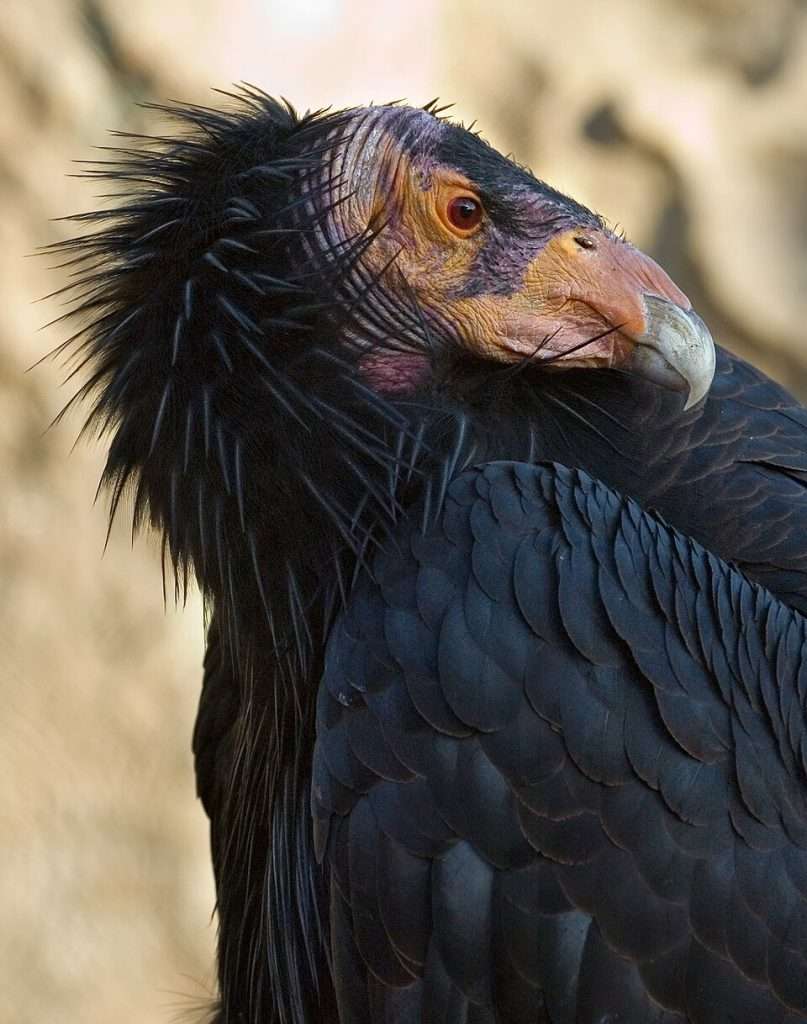
- Endemics and Specialties: The islands off the coast are home to unique species like the Island Scrub-Jay, found nowhere else in the world. The state's specialties, such as the California Condor and the Yellow-billed Magpie, add to the list's prestige. For a birder seeking to maximize their species tally, the combination of coastal migrants, mountain breeders, and desert rarities makes California a mandatory visit.
2. Texas: The Convergence of Flyways (Approx. 668–679 Species)
Coming in a very close second, Texas consistently records a total species count in the high 660s. While often challenging California for the top spot, Texas’s sheer size and its pivotal role in continental migration make it the quintessential "birdiest" state.
The Lone Star Advantage
- Three Flyways in One: Texas is uniquely positioned at the confluence of the Central, Mississippi, and Eastern Flyways. This strategic location makes it an absolute hotspot during the spring and fall migrations. The Texas Coast, particularly the Upper and Lower Gulf Coast regions (like the famous birding sanctuaries around Corpus Christi and Galveston), becomes a crucial staging and refueling area for billions of migratory birds crossing the Gulf of Mexico.
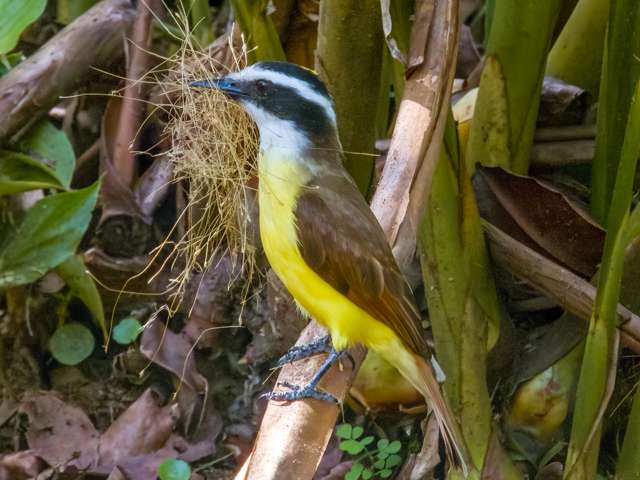
- Tropical Influence: The southern tip of Texas, particularly the Lower Rio Grande Valley, extends far enough south to host species normally only found deeper in Mexico, such as the Green Jay, Great Kiskadee, and Plain Chachalaca. This influx of tropical "Mexican specialties" is a powerful lure for birders across the continent.
- Vast Habitat: The state's size allows for an incredible range of habitats, from piney woods in the east to dry mountains in the west (the Davis Mountains), offering niches for everything from the Colima Warbler to the majestic Whooping Crane.
3. Arizona: The Desert Oasis for Hummingbirds (Approx. 576–590+ Species)
Arizona secures its place in the top tier with a species count typically near the 580 mark. What Arizona lacks in coastal pelagic birds, it more than makes up for with high-elevation "sky islands," diverse deserts, and an unmatched array of Mexican rarities.
The Sky Island Phenomenon
- Sky Islands: The state’s unique topography features isolated mountain ranges, or "sky islands," surrounded by vast stretches of desert. These cooler, wetter habitats are essential for numerous bird species. Southeast Arizona is internationally famous for birding because of these unique ecological zones.
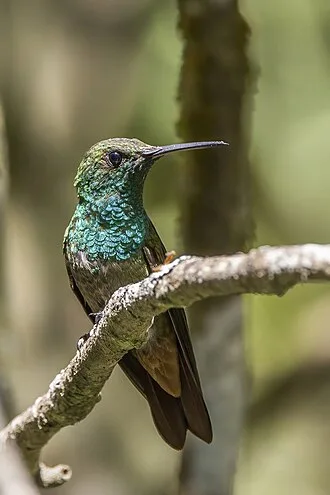
- Hummingbird Haven: Arizona is arguably the hummingbird capital of the U.S., hosting up to 15 different species (compared to only a few in many other states). Birders flock here specifically for rarities like the Berylline Hummingbird and the Violet-crowned Hummingbird.
- Border Riches: Like Texas, Arizona’s proximity to Mexico means it regularly receives vagrants and specialty species that are exceptionally difficult to find elsewhere in the country, including the highly sought-after Elegant Trogon, Montezuma Quail, and various Mexican owls.
The Essential Contenders: Florida and Alaska
While California, Texas, and Arizona form the undisputed top three in terms of pure species numbers in the contiguous U.S., the fourth and fifth spots are often claimed by states offering highly unique avian populations, showcasing a different kind of avian richness.
4. Florida: The Wading Bird Paradise
Florida typically boasts a species count in the mid-500s. Its species diversity is driven by its unique geography as a peninsula and its tropical influence.
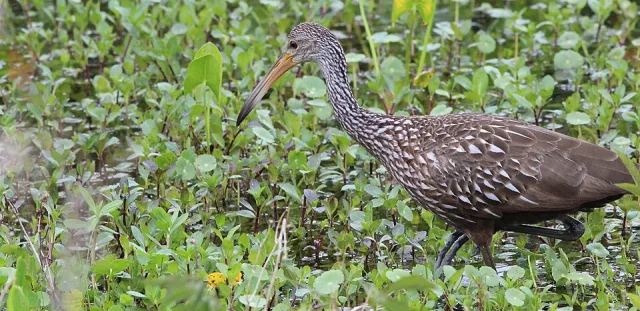
- Wading Birds and Shorebirds: The state is a world-class destination for water birds, with vast areas of wetlands, estuaries, and coastline. Birders can find huge concentrations of herons, egrets, spoonbills, and ibis, alongside unique species like the Snail Kite and the Limpkin.
- Migration Stopover: As the easternmost barrier in the flyway, Florida is a vital stopping point for millions of birds migrating across or along the Atlantic coast.
- Caribbean Vagrants: Its close proximity to the Caribbean islands often yields sightings of rare West Indian vagrants, such as the Cuban Pewee or Zenaida Dove, that drift across the water, providing thrilling ticks for avid listers.
5. Alaska: The Realm of Arctic Breeders and Asian Vagrants
Alaska's species count often hovers around 530 species, but its value to a serious birder is disproportionate to its ranking. It offers a unique set of species that are nearly impossible to find in the lower 48 states.
- Arctic Specialties: The vast tundra and boreal forests are the breeding grounds for highly sought-after Arctic species, including various loons, eiders, plovers, and jaegers.
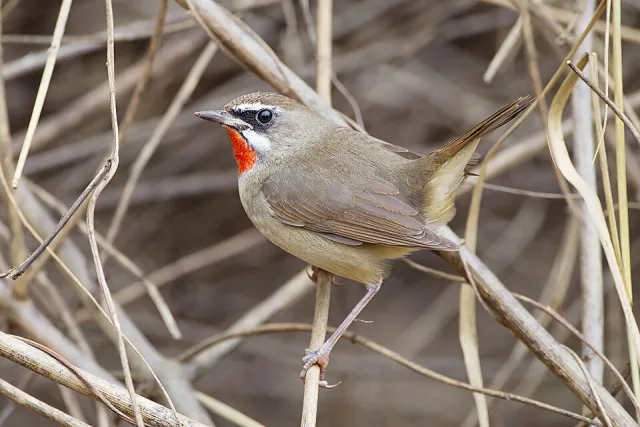
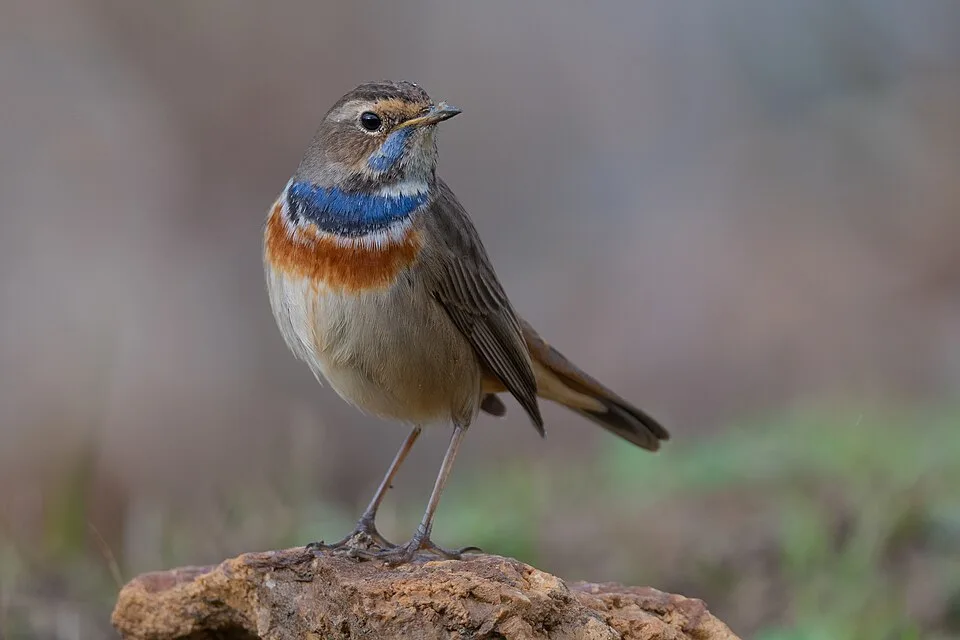
- Asian Influence: Because of its close proximity to Russia across the Bering Strait, Alaska regularly records rare Asian vagrants (birds blown off course from Siberia). Birders travel to remote locations like Nome and the Aleutian Islands specifically to look for these highly prized rarities, such as the Siberian Rubythroat or the Bluethroat, that can't be seen anywhere else in North America.
The Takeaway for the Birder
The high species counts in these top states are not accidents. They are products of geographic fortune, each state operating as a powerful funnel or ecological crossroads.
| State | Approximate Species Count | Primary Driver of Diversity | Signature Birding Specialties |
|---|---|---|---|
| California | 706–714 | Massive geographic/habitat variety, Pacific Flyway | California Condor, Island Scrub-Jay, pelagic species |
| Texas | 668–679 | Convergence of three major flyways, Mexican border | Green Jay, Great Kiskadee, Whooping Crane |
| Arizona | 576–590+ | "Sky Islands," high concentration of Mexican specialties | Elegant Trogon, 15+ species of hummingbirds |
| Florida | ~550 | Wading bird habitat, Caribbean vagrants | Snail Kite, Limpkin, Wood Stork, Caribbean strays |
| Alaska | ~530 | Arctic breeding grounds, Asian vagrants | Eiders, Jaegers, Siberian rarities, loons |
For birders tackling a "Big Year" or simply looking to significantly grow their life list, these five states represent the pinnacle of avian diversity in the U.S., offering a journey through the continent’s most critical and captivating ecological zones.
