

In the vast, sun-drenched expanse of the American West, a unique and often overlooked drama unfolds beneath our feet. It's a story of interdependence, a tale of two seemingly disparate species—the charismatic Burrowing Owl and the gregarious Prairie Dog — that have forged a remarkable symbiotic relationship.
This partnership, rooted in a shared habitat and a complex web of mutual benefits, is a testament to the intricate and often surprising ways life finds a way to thrive in a challenging environment. While the Prairie Dog is a small, stout rodent known for its extensive underground colonies, the Burrowing Owl is a petite, long-legged raptor with an uncanny ability to adapt to a subterranean lifestyle.
Their cohabitation is not a mere coincidence; it's a critical alliance that provides both species with essential resources for survival, from shelter and security to food and a foundation for raising their young. This article delves deep into the fascinating dynamics of this U.S.-based ecological relationship, exploring how this peculiar pairing has shaped their evolution and why their fates are inextricably linked.

The Architect and the Occupant: A Symbiotic Housing Arrangement
The foundation of the Burrowing Owl-Prairie Dog relationship is a matter of real estate. Prairie Dogs are masterful engineers, constructing vast, intricate underground networks known as "towns." These towns consist of a labyrinth of tunnels and chambers, complete with multiple entrances, sleeping quarters, and even designated toilet areas. This architectural prowess is a direct result of their social nature and their need for safety from predators.
They meticulously excavate the soil, creating a living space that is both a fortress and a home. The Burrowing Owl, on the other hand, is not a skilled excavator. Despite its name, it's a bird that has evolved to live underground but lacks the physical attributes—such as strong claws designed for digging—to create its own extensive burrows. This is where the symbiotic partnership begins. The owl, in need of a ready-made home, finds the abandoned or even active burrows of the Prairie Dog to be the perfect solution.
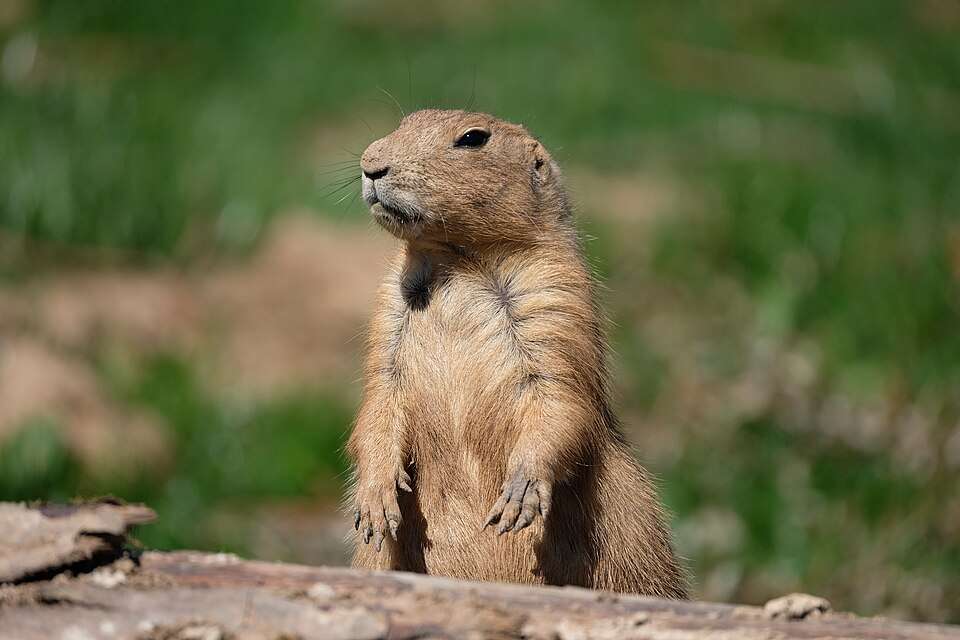
The Prairie Dog's burrow serves as an all-in-one habitat for the Burrowing Owl. It provides a secure place to nest, lay eggs, and raise owlets, offering protection from a host of predators such as coyotes, badgers, and hawks. The stable underground temperature of the burrow also offers a significant advantage, shielding the owls from the extreme heat of the summer and the biting cold of the winter. For the Prairie Dogs, the presence of the Burrowing Owls can also be beneficial.
The owls, being keen-eyed predators, often act as an additional set of "eyes" and "ears" for the colony. They perch near the burrow entrances, vigilant for any sign of danger. Their alarm calls can alert the Prairie Dogs to the presence of aerial predators, such as hawks and eagles, giving the rodents precious time to retreat into their burrows. While the relationship is not always perfect—occasional conflicts over space can occur—the mutual benefits of a shared, well-defended habitat largely outweigh any potential drawbacks.

A Meal Ticket and a Warning System: Mutualistic Predation and Security
Beyond the shared real estate, the symbiotic relationship between Burrowing Owls and Prairie Dogs extends into the realm of predation and security. Burrowing Owls are opportunistic predators with a diverse diet that includes insects, small rodents, and even other small birds. While they might occasionally prey on a young or vulnerable Prairie Dog pup, their primary food source within the Prairie Dog town is not the Prairie Dog itself. Instead, the owls feast on the abundance of insects—such as grasshoppers, beetles, and crickets—that are attracted to the nutrient-rich vegetation and disturbed soil of the Prairie Dog colony. The Prairie Dogs, through their constant grazing and soil-aerating activities, create an ideal environment for these insects to flourish, effectively providing a consistent and convenient food source for their avian roommates.
The Prairie Dogs, in turn, benefit from the owls' presence as a form of security. Prairie Dog towns are a bustling hub of activity, with individuals constantly on the lookout for predators. Their alarm calls are a complex system of communication that can differentiate between different types of threats. The Burrowing Owls, with their elevated perches and keen eyesight, provide an additional layer of defense.
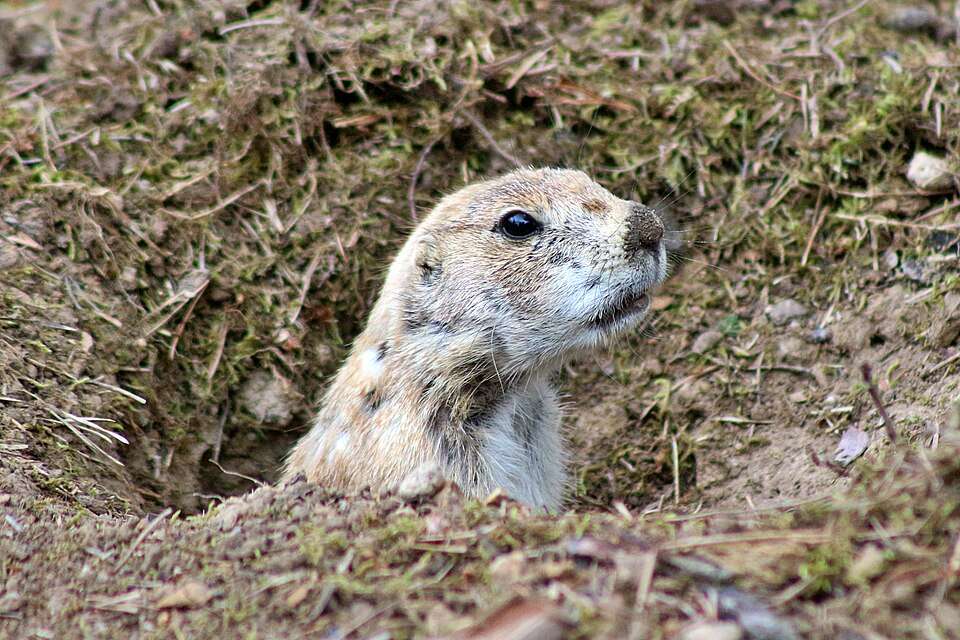
An owl's alarm call, often a sharp and distinct shriek, can signal the approach of a threat that the Prairie Dogs might have missed. This early warning system is particularly crucial for protecting young pups, which are more vulnerable to predation. This mutualistic exchange of food for security strengthens the bond between the two species, illustrating how their seemingly independent lives are, in fact, deeply intertwined.
The Broader Ecological Context: A Keystone Species and a Crucial Habitat
The symbiotic relationship between Burrowing Owls and Prairie Dogs is not just a localized phenomenon; it's a critical component of the broader prairie ecosystem. Prairie Dogs are considered a keystone species, meaning their presence has a disproportionately large effect on their environment. Their burrowing and grazing activities alter the landscape, creating a mosaic of different habitats that support a wide variety of other species. They churn the soil, improving its drainage and fertility. They also clip vegetation, creating open areas that are ideal for certain types of plants and animals. The result is a richer, more diverse ecosystem than would exist without them.

The Burrowing Owl is just one of many species that rely on the Prairie Dog's ecological engineering. The extensive burrow systems also provide homes for other animals, including black-footed ferrets, snakes, and cottontail rabbits. The Prairie Dog's role as a primary food source for many predators, such as coyotes, badgers, and golden eagles, also contributes to the health and balance of the ecosystem. The decline of Prairie Dog populations due to disease (such as the sylvatic plague), habitat loss, and human-led eradication efforts has had a devastating ripple effect on the entire prairie ecosystem. When Prairie Dog towns disappear, so do the burrows that Burrowing Owls depend on, leading to a decline in their numbers. This is a powerful example of how the fate of one species is tied to the health and vitality of another, and how the loss of a keystone species can lead to a domino effect of ecological collapse.
The Future of an Unlikely Alliance: Conservation Challenges and Efforts

The future of the Burrowing Owl-Prairie Dog partnership is precarious. Both species face significant threats from human activities and environmental changes. The conversion of grasslands to agricultural land and urban development has led to a dramatic reduction in their shared habitat. Prairie Dog eradication programs, often driven by the perception that they are agricultural pests, have further exacerbated the problem. These actions not only eliminate the Prairie Dogs themselves but also destroy the essential burrow systems that the owls need to survive.
Wrapping Up
Conservation efforts are underway to protect both species and their unique relationship. Organizations are working to reintroduce Prairie Dogs to suitable habitats, create protected prairie ecosystems, and educate the public about the ecological importance of these animals. Programs that encourage coexistence rather than eradication are being promoted, and research is being conducted to find ways to mitigate the impact of diseases like the sylvatic plague.
Protecting the Prairie Dog is, in effect, a way of protecting the Burrowing Owl and a multitude of other species that depend on them. The story of this unlikely alliance is a powerful reminder of the interconnectedness of all life and the urgent need to preserve the delicate balance of our natural world. By understanding and valuing this symbiotic relationship, we can work towards a future where both the Burrowing Owl and the Prairie Dog can continue to thrive, enriching the American landscape for generations to come.
Do owls eat bats? Read on here.
