
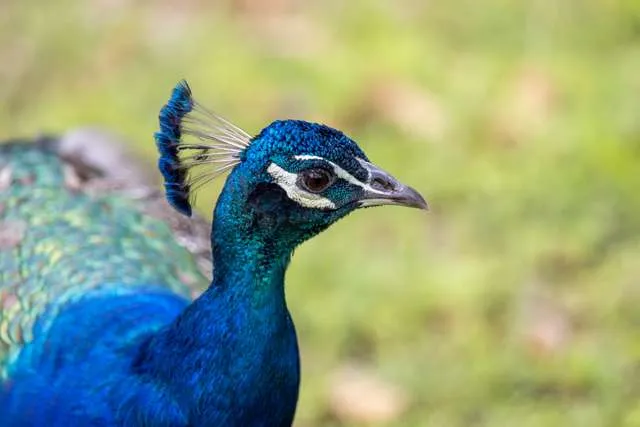
From a young child, I remember seeing images and icons of the incredible Peacock with its huge, iridescent fan-shaped tail. It is something we all grow up with and if we are lucky, we have seen them sometimes in parks and gardens. And very rarely, we might see a white Peacock and amazingly, even without that glorious color, it is even more exotic and beautiful.
The Indian Peacock
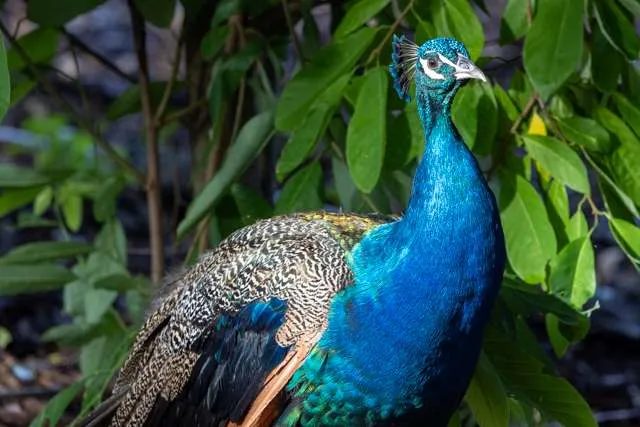
But what do we know about Peacocks beyond that? What about the female birds? What causes some of them to be albino? In this post, we review all things peacock and investigate how and why some are pure white.
What is a Peacock?
The iconic blue Peacock that we can all picture is the male Indian Peafowl. Its Latin and scientific name is Pavo cristatus and it is also known colloquially as the King of Birds. In western cultures, it is customary to refer to all the species of Peafowl, including the male and female, as Peacock and just for ease, that is how I will refer to them in this article.
The Indian Peacock is a member of the pheasant family (Phasianidae) and is native only to India and a few surrounding areas. This means that, according to eBird, all other populations of the blue Peacock are classed as exotic. Below is the eBird Range Map which shows the native population in purple and exotic in orange.

So, you can see that there are many established exotic populations across the globe with the exceptions being the Arctic and Antarctic. You couldn’t really imagine peacocks strutting their stuff in the snow!
There are, however, actually three species of Peafowl in the world and we will briefly look at them now.
Types of Peacock
Indian Peafowl (Pavo cristatus)
As already noted, the Indian Peafowl is native to India but populations spill over into Pakistan in the west, as far north as Afghanistan and through Nepal, Bangladesh and as far east as Bhutan.
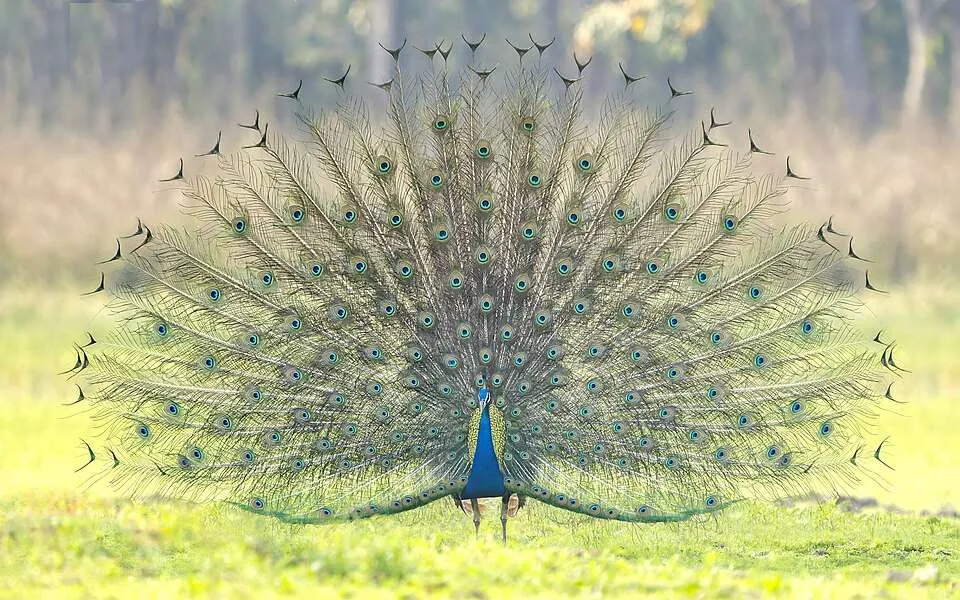
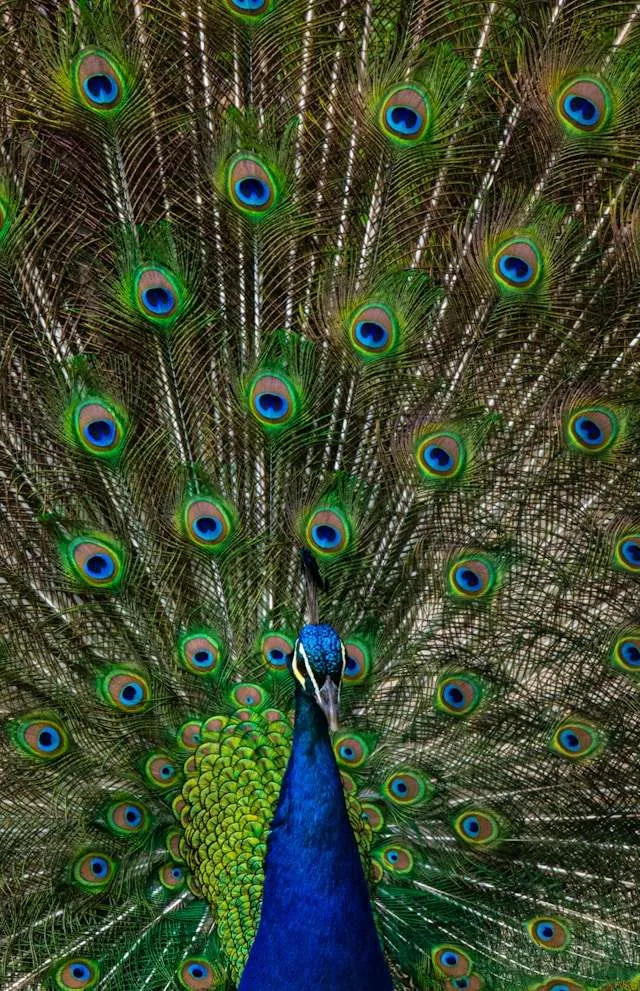
The male Indian Peafowl is called the Peacock and has the most resplendent tail feathers. Normally the feathers are bunched up and carried in a long train behind the bird. It will open then into that iconic fan shape for several reasons:
- during courtship to impress the female
- to intimidate and warn off predators
- establish territory amongst other male birds
It can be overwhelming to see the full fan of the Peacock but slow down and look at the features. There are several things that make it so amazing.
- the defined semi-circle extension
- the uniform spacing of the ‘eyes’ on the feathers
- the length of the individual feathers
- the geometry of the shapes within the fan
- the vivid concentration of colors at the base of the tail
- the bright blue body and head
- the blue plume of feathers on the crown
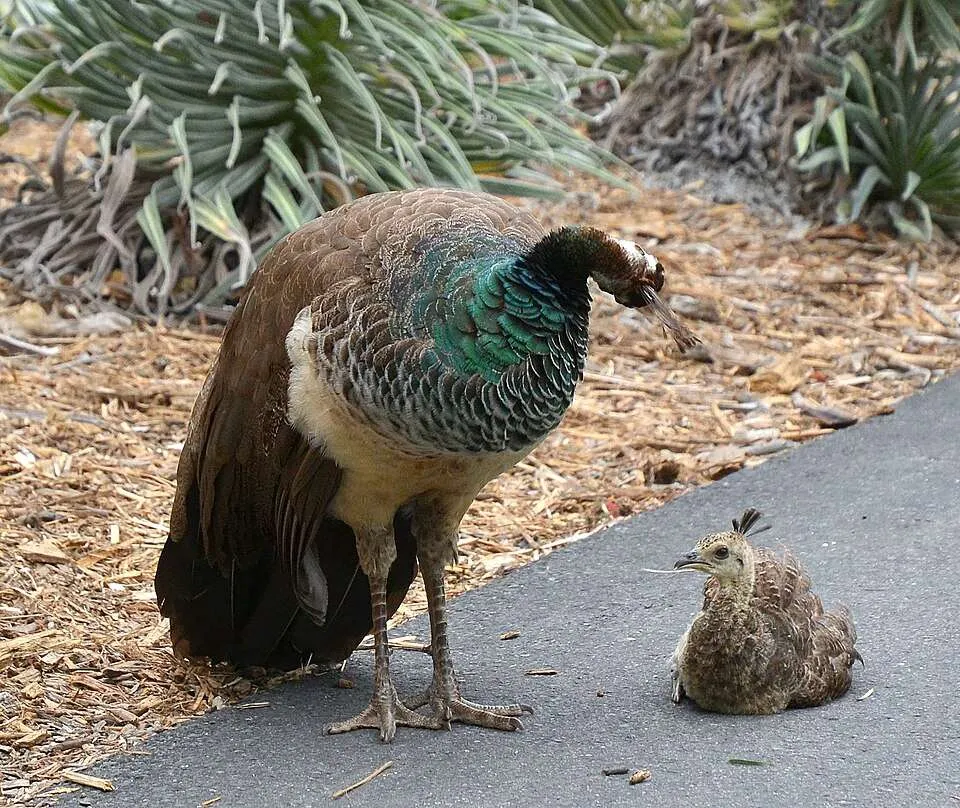
The Peahen is the female of the species and is, as is very often the case, duller than the male. She is a mid-brown color on the back and white on the breast. She does have some iridescent coloring around the neck before returning to white and brown on the face and head. Her crown of plumes are also brown.
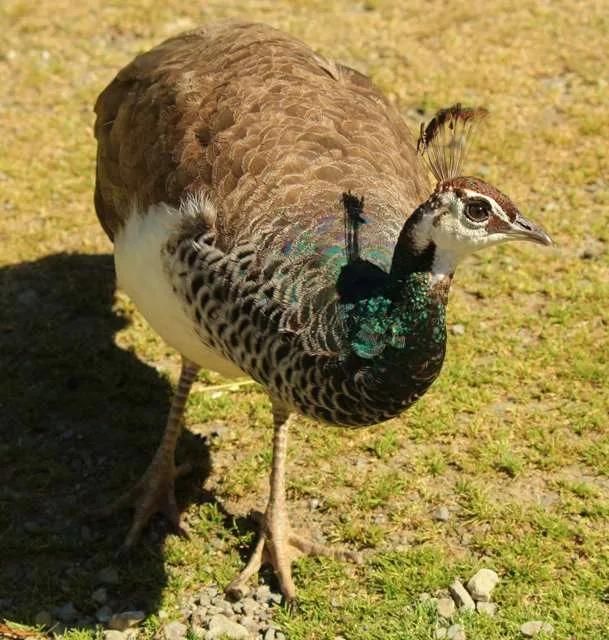
The Peahen is also more subdued in behavior than the peacock. She spends her time usually taking care of a string of chicks. They can lay and successfully raise up to 5 chicks in the wild and up to 10 in captivity or in a protected environment. And she does that without help from the Peacock (he is maybe too busy with all those gorgeous feathers).
Green Peafowl (Pavo muticus)
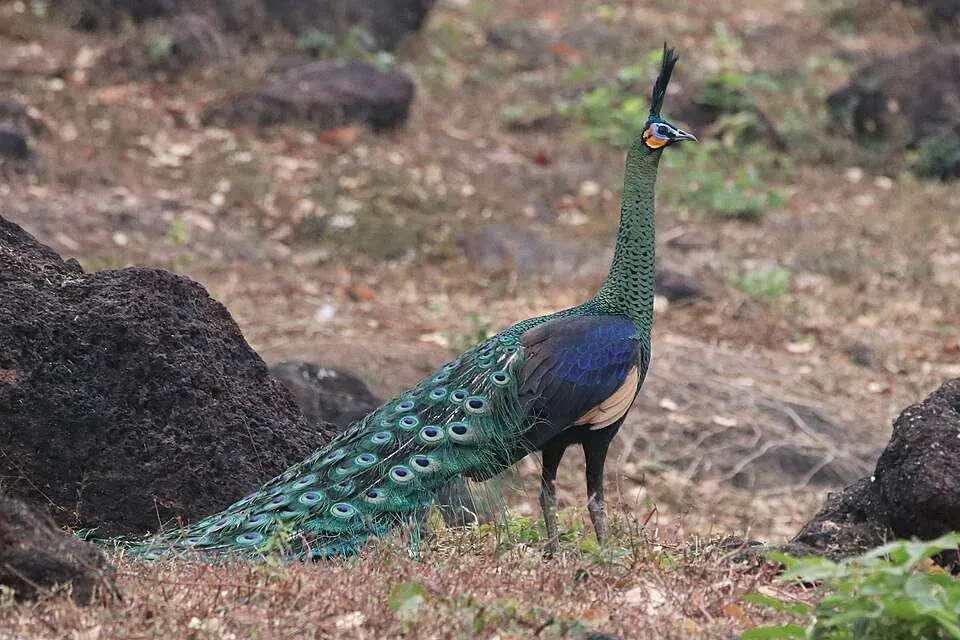
The Green Peafowl is a very rare bird only seen in South-east Asia, from Myanmar in the north through to Vietnam in the south. This peacock has a similar, large tail as the Indian species but as they live in rainforests, they have been less exploited although there is also a history of local people domesticating them.
Congo Peacock (Afropavo congensis)
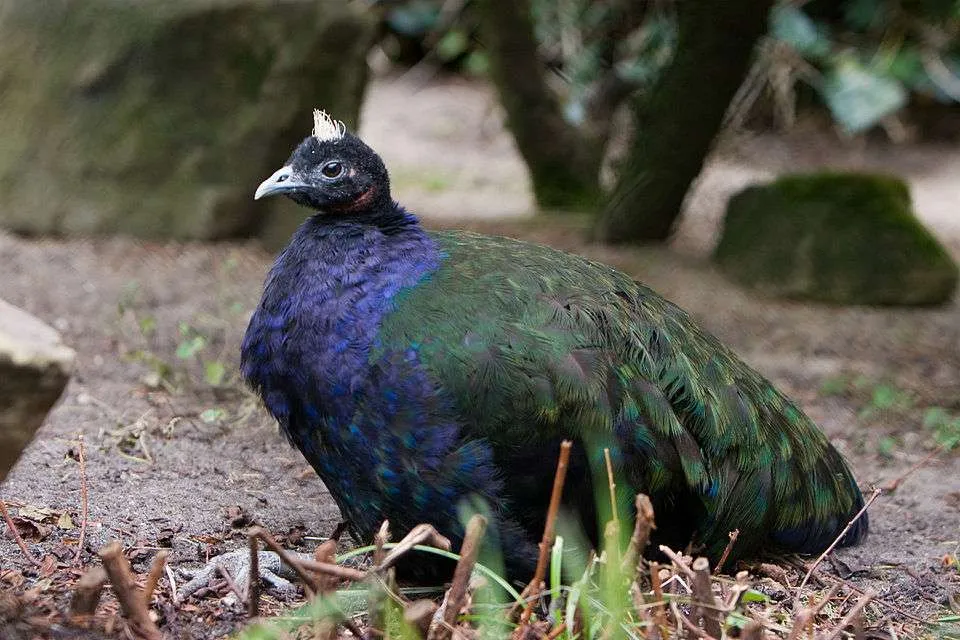
An even rarer species of peafowl is the Congo Peacock. Only found in remote rainforest areas of the Congo Basin, it is seen by non-local birders only on very limited occasions. It is the only pheasant species native to the African continent.
Why are Peacocks so popular?
Peacocks have been culturally significant for thousands of years. Religions, empires and even zodiacs have included the bird as a symbol and icon. Their feathers have been used for decoration and adornment and became popular outside of the Indian subcontinent with European colonialism.
- In Greek mythology, the peacock belonged to the wife of Zeus, Hera.
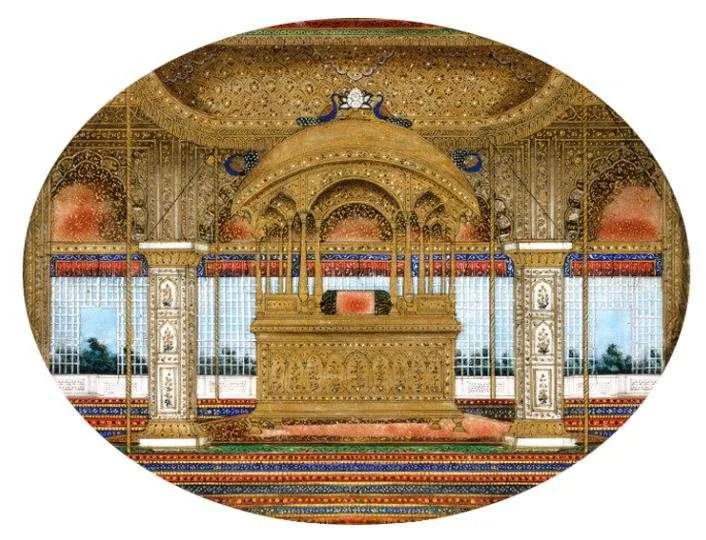
- In Indian culture, the peacock became associated with royalty because of its beauty and strength. This was immortalized in the making of the Peacock Throne in the 17th Century.
- In Chinese mythology the ‘eyes’ on the peacock feathers symbolized awareness and protection.
Furthermore, Peacocks have been revered in art work and clothing. There were already domesticated populations in far flung areas like Europe as early as the 14th Century. The Indian Peafowl has a long association with human culture.
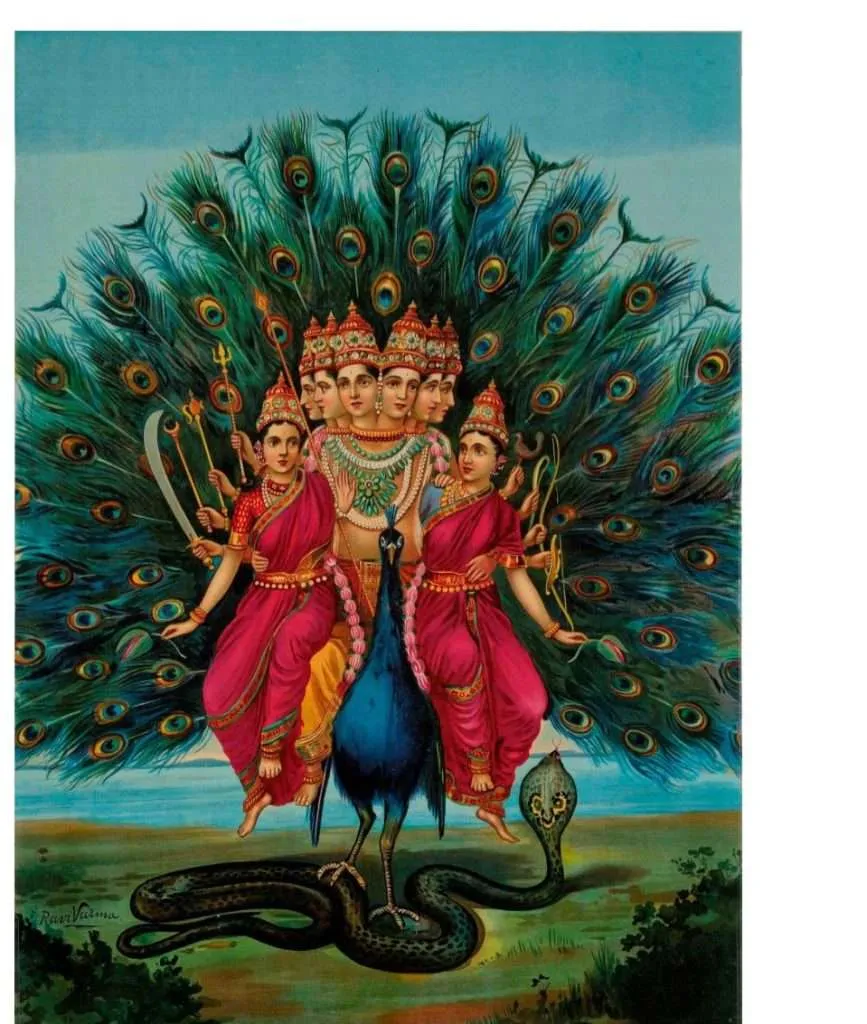
The Indian Peafowl was made the national bird of India in 1963 and with that, it became illegal to hunt or eat them. This protection has helped them evade extinction as habitat loss becomes an ever increasing problem. Despite their relatively docile nature, they have actually become a success story in their own right.
As domesticated animals, the populations of Indian Peafowl has expanded across the globe. They were, in fact, one of the first exotic pets in the western world. In zoos, parks and private gardens, peacocks are an object of beauty.
However, they are not easy to keep - especially not as a traditional pet. Domesticated Indian Peafowl need:
- a lot of space to roam, especially if they are breeding.
- a patient owner. These birds can live from 10 to 25 years old.
- a lot of care as they can make quite a mess when there is a family of them.
- tolerant neighbors as they make a lot of noise. The wail of the peacock is as unmistakably eerie and will freak people out at night if they don’t know what it is.
To sum up, there are 3 species of Peafowl with the blue Indian species being most widespread by far and least endangered with domesticated populations all over the world. Lastly, most countries have laws or regulations that govern the keeping of Peacocks privately.
White Peacocks
While white Peacocks will naturally be referred to as ‘albino’ by all of us, the vast majority of them are not true albinos. Have a look at this white Peahen that I photographed.
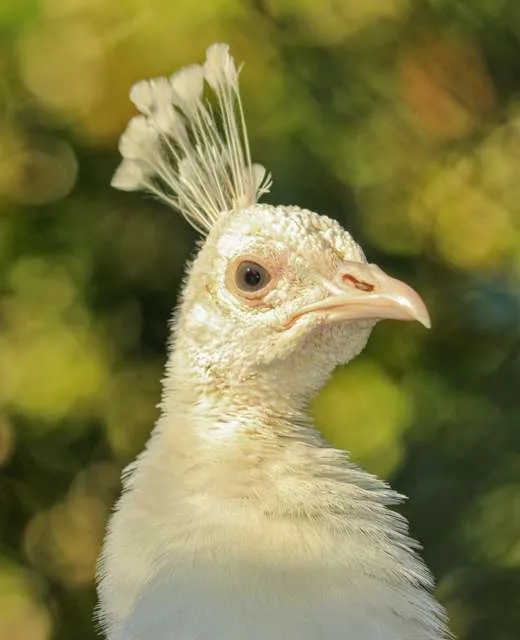
This bird is missing the pink eye that we associate with albino animals. So, if it is not albino, why is it white?
This bird has a mutation in its genes called leucism. Have you ever seen another bird or animal that is white when it shouldn’t be or has white blotches or patches? That is the same condition. It just so happens that when peacocks are white, they are usually all white.
Leucism simply means that there is a lack of pigment in the animal. In this case, it just affects the feathers. The gene carrying the leucism is recessive so both parents need to have it to pass on to the young.
Thus, it is very rare and studies have not shown that it happens in the wild population. However, it might well do, but the longevity of a white peacock in the wild would be limited because it would be so visible to predators. It also wouldn’t have the colorful feathers that females find attractive and so may not be able to reproduce and pass on the leucism gene.
In domesticated populations, the white peacock is very desirable and valuable. This means that breeders may attempt to produce white peacock chicks. Consequently, you are only likely to see white peacocks in captivity.
Albino Peacocks
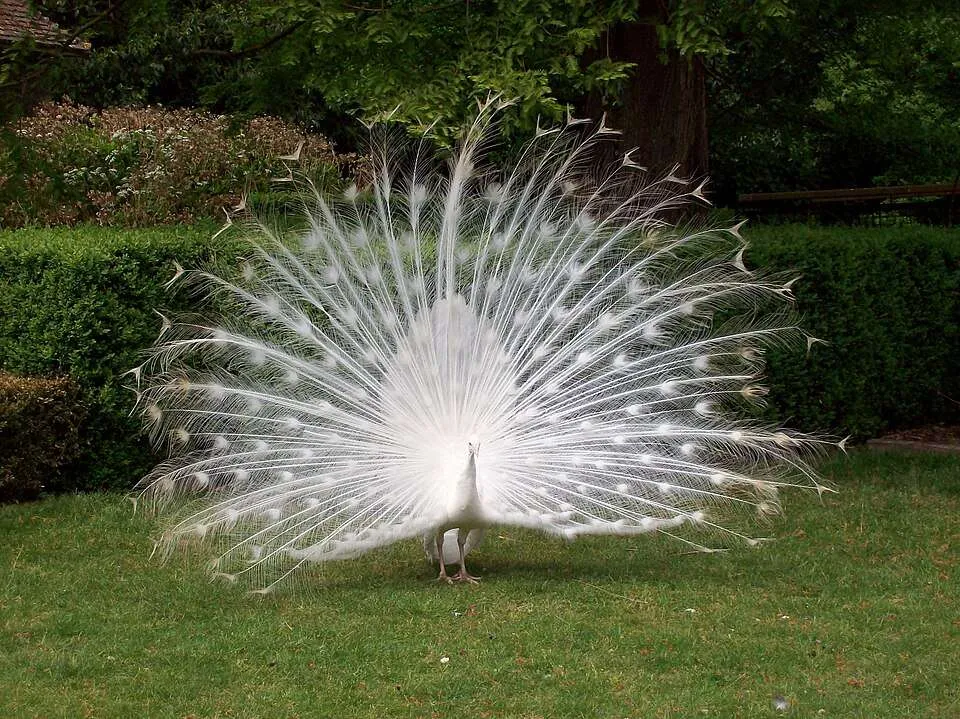
If only a small percentage of peacocks are white then only a fraction of those are actually albino and researchers are not actually sure if there are any at all. If you Google ‘albino Peacocks’ then you will find page after page of photographs of white peacocks.
The condition of albinism is difficult to understand for us lay-people (well for me anyway!). Simply put and using our peacocks as an example, the white peacock has a lack of melanin in their feathers. However, an albino Peacock has no melanin in its feathers, eyes and skin. For a peacock to be albino, it would have pink skin and eyes. The hedgehog below is albino. Compare it to the white Peahen above.
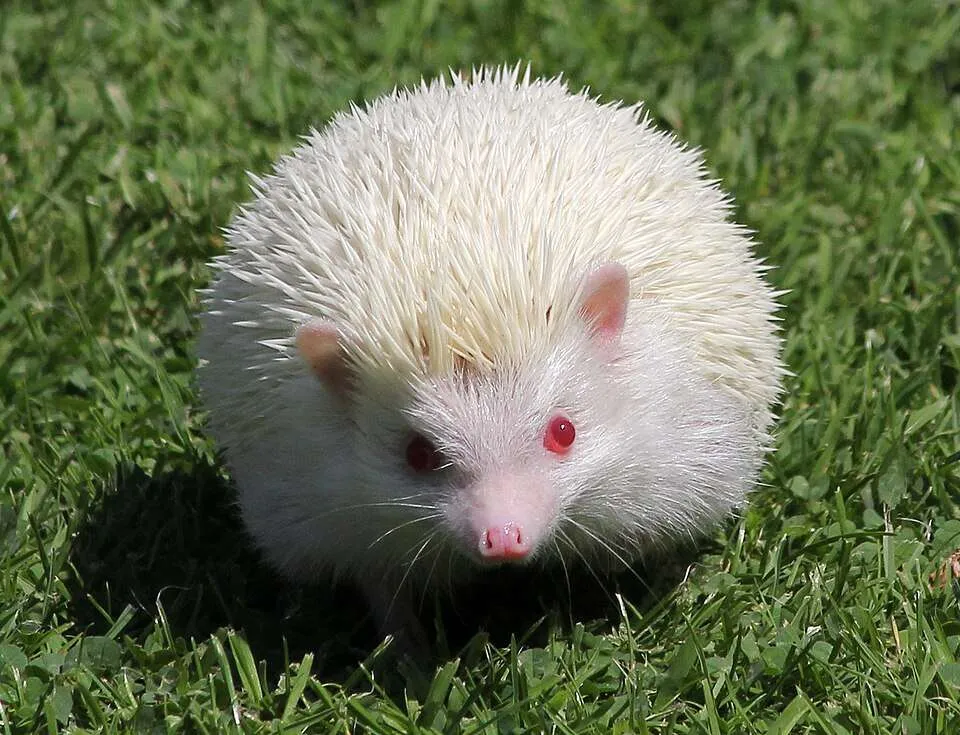
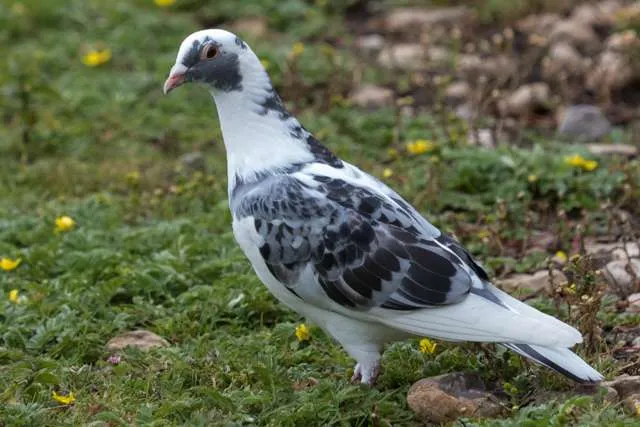
Furthermore, animals can be partly leucistic (hence the white blotches) but no animal can be partly albino. Leucism affects all or part of the feathers but albinism affects all the feathers (or fur or spines etc), skin and eyes. See the partly leucistic Rock Dove photo below.
Wrapping Up
The world of Peafowl and white ones in particular, is full of misnomers and misconceptions. In this post we have discovered that:
- Birds that we refer to as peacocks are the male of the Indian Peafowl species. We should really use the term Peafowl to reference them collectively.
- Populations of Indian Peafowl outside of the Indian Subcontinent are all classed as domestic and exotic at the same time.
- Albino peacocks are not really so. They are white due to a genetic fault similar to albinism but not the same thing. If you see a white peacock, look at the eyes. If they are brown, it is a leucistic peacock. If the eyes are pink, it is albino.
Thanks for reading my guide to peacocks and white ones in particular. I hope you found it informative and entertaining. I learned a lot and there were certainly some surprises!
Read here for more information about how feathers are made.
The Masterpiece of Nature: The Intricate Construction of a Feather
