

The United States is a vast and varied land, from the sun-drenched deserts of the Southwest to the rocky coastlines of New England. With this incredible diversity of habitats comes an equally stunning array of avian life. While we are all familiar with the common robin or the soaring eagle, there exists a hidden world of birds that defy easy classification. These are the species that make you stop and look twice, whose appearances, behaviors, and adaptations seem to be pulled from a different, more eccentric playbook.
From a master of camouflage who sings with its tail feathers to a land-based cuckoo that hunts rattlesnakes, the American landscape is home to some of the world's most peculiar feathered creatures.
This article delves into the lives of five of the United States' oddest birds, celebrating their bizarre beauty, unique quirks, and the remarkable ways they have carved out their own niches in the natural world.
The American Woodcock: A Timberdoodle of Peculiar Habits
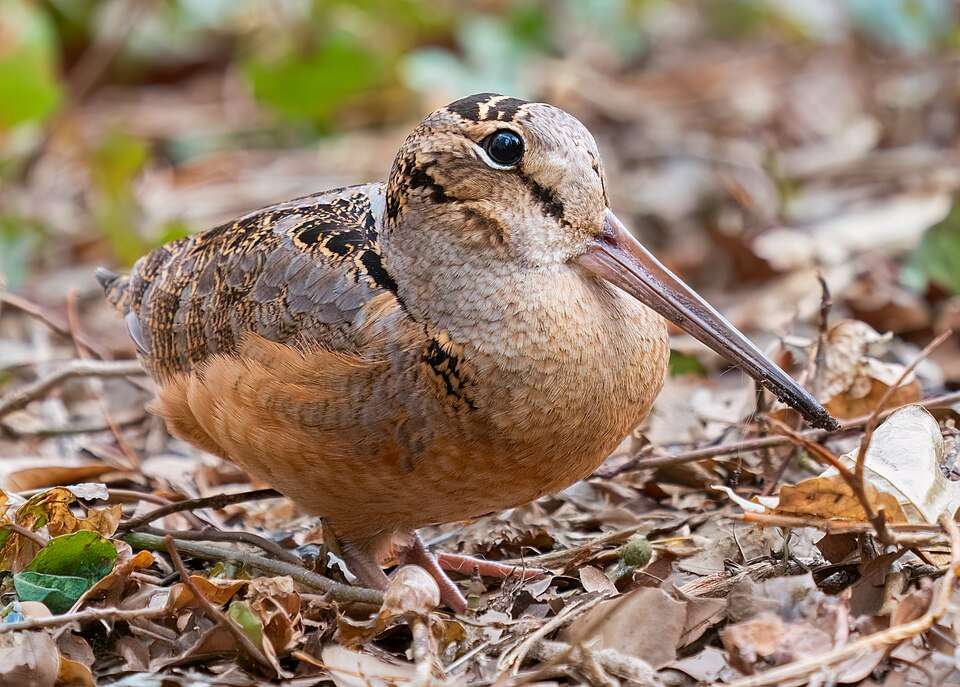
The American Woodcock (Scolopax minor) often tops lists of odd birds, and for good reason. Its appearance is somewhat comical: a plump, mottled brown body perched on short, sturdy legs, topped by an exceptionally long, straight bill and large, dark eyes set high and far back on its head. This eye placement provides a nearly 360-degree field of vision, crucial for detecting predators while it probes the soft earth for its primary food source – earthworms.
But the Woodcock's oddity extends far beyond its appearance. Its courtship display is a truly remarkable spectacle. As dusk falls, the male takes flight in a spiraling ascent, emitting a series of nasal "peents" on the ground, followed by a rich, twittering song during his upward flight. Reaching a considerable height, he descends in a zigzagging pattern, his wings producing a whistling sound, before landing back near where he started, ready to repeat the performance to attract a mate. This aerial ballet, performed in the fading light, is a truly bizarre and captivating display.
Furthermore, the American Woodcock has a unique adaptation in its bill. The tip of its upper mandible is flexible and can open and close independently of the rest of the bill. This allows the bird to grasp earthworms in the soil without having to open its entire beak, a highly efficient feeding technique in its damp, woodland habitats. They are also known for their cryptic camouflage, blending seamlessly with the leaf litter on the forest floor, making them difficult to spot even when they are nearby.
The Turkey Vulture: Nature's Not-So-Pretty Cleaner

While beauty may be in the eye of the beholder, the Turkey Vulture (Cathartes aura) likely won't win any avian beauty contests. Bald, wrinkled, and a rather dull brownish-black, it has a hunched posture and a somewhat ungainly flight. However, its "oddness" lies in its vital ecological role and some of its rather peculiar habits.
Turkey Vultures are scavengers, feeding almost exclusively on carrion. Their bald heads are an adaptation to this lifestyle, preventing feathers from becoming soiled with decaying flesh. They have an incredibly keen sense of smell, an unusual trait among birds, which allows them to locate carcasses from great distances.
Perhaps one of their most peculiar behaviors is urohydrosis – the act of defecating on their own legs. While seemingly unsanitary, this is believed to serve a thermoregulatory purpose. As the urine evaporates, it cools the blood vessels in their legs, helping them to dissipate heat on warm days. They also employ a rather unsettling defense mechanism: when threatened, they may vomit their stomach contents, a foul-smelling deterrent to potential predators. While not conventionally attractive, the Turkey Vulture is an undeniably odd and ecologically crucial bird.
The Greater Roadrunner: A Cuckoo on the Ground
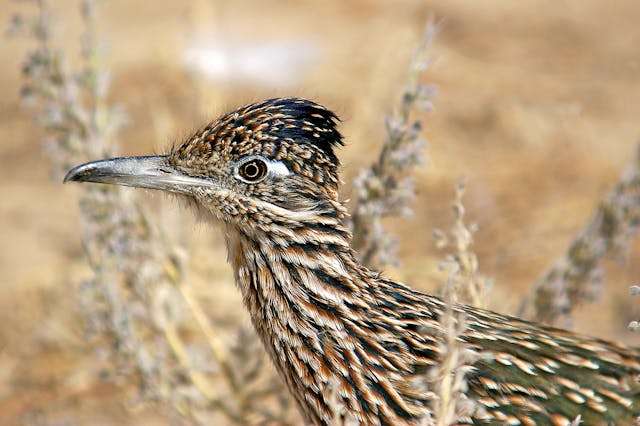
The Greater Roadrunner (Geococcyx californianus) is an iconic symbol of the American Southwest, known for its speed, terrestrial lifestyle, and rather cartoonish appearance. A large, slender bird with long legs, a bushy crest, and a long tail, it looks more like a ground-dwelling pheasant than a typical cuckoo.
Unlike most cuckoos, the Greater Roadrunner is primarily terrestrial and is a formidable predator. It can run at speeds of up to 20 miles per hour, using its long tail as a rudder for quick turns. Its diet is remarkably varied, including insects, rodents, reptiles (including rattlesnakes), birds, and even fruits. It's known for its cunning hunting techniques, often working in pairs to flush out prey.
Another oddity of the Roadrunner is its nesting behavior. While some cuckoos are brood parasites (laying their eggs in the nests of other birds), Roadrunners build their own nests, often in thorny bushes or low trees. Both parents incubate the eggs and care for the young. Their loud, dove-like cooing and a series of clucking and snapping sounds further contribute to their unique avian persona. The Roadrunner's blend of speed, predatory prowess on the ground, and distinctive vocalizations make it a truly odd and captivating bird.
The Atlantic Puffin: The Clown of the Sea
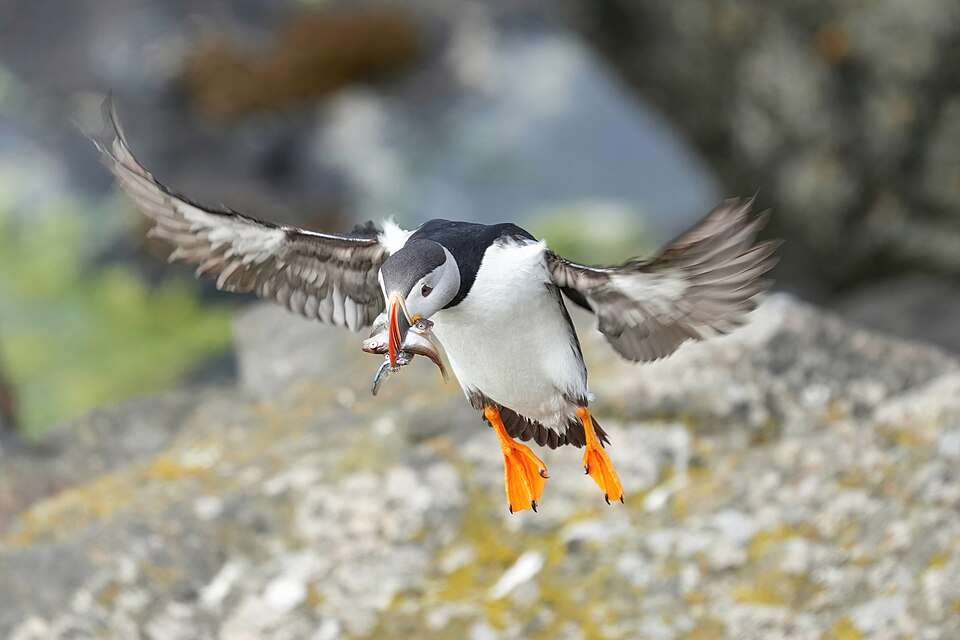
The Atlantic Puffin (Fratercula arctica) may only breed in a few locations in the northeastern United States, but its incredibly distinctive appearance makes it a worthy addition to this list. With its brightly colored, triangular bill, black and white plumage, and orange legs, it's often referred to as the "clown of the sea."
Their oddity extends beyond their vibrant looks. Puffins are highly adapted for life at sea, using their wings to "fly" underwater in pursuit of small fish like herring and sand eels. They can dive to considerable depths and can hold multiple fish crosswise in their bills at once, thanks to backward-pointing spines on their tongues and a specialized hinging mechanism in their jaws.
During the breeding season, large colonies of Puffins gather on rocky islands and cliffs. They nest in burrows in the soil or crevices in the rocks. Their awkward waddle on land contrasts sharply with their agility in the air and underwater. The combination of their striking appearance and unique adaptations for their marine lifestyle makes the Atlantic Puffin a truly odd and endearing seabird.
The Common Snipe: Master of Camouflage and Sound

The Common Snipe (Gallinago gallinago) is a small, stocky wading bird with exceptionally cryptic plumage – a complex pattern of browns, buffs, and blacks that provides incredible camouflage in its marshy habitats. Its long, straight bill is another distinctive feature, used for probing in soft mud for invertebrates.
However, the Snipe's primary claim to oddity lies in its remarkable courtship flight and the bizarre sounds it produces. During its aerial displays, the male performs a series of dives, and the wind rushing through its specially modified outer tail feathers creates a unique, eerie, winnowing or bleating sound. This non-vocal sound is a key part of its mating ritual and is quite unlike any other bird song.
Snipes are also notoriously difficult to spot due to their camouflage and their tendency to remain motionless when disturbed. When flushed, they explode into rapid, zigzagging flight, making them a challenging target for predators and birdwatchers alike. Their combination of exceptional camouflage and the strange, mechanical sounds produced by their tail feathers during flight makes the Common Snipe a truly odd and elusive inhabitant of North American wetlands.
Wrapping Up
The United States is home to a wealth of fascinating and uniquely adapted bird species. While these five – the American Woodcock, Turkey Vulture, Greater Roadrunner, Atlantic Puffin, and Common Snipe – represent just a small fraction of the avian diversity found across the country, their peculiar appearances, behaviors, and adaptations serve as a reminder of the incredible creativity and wonder of the natural world. Even from afar in Emerald Beach, the stories and images of these odd American birds continue to captivate and inspire.
You thought these were odd? Have a look at this article.
