
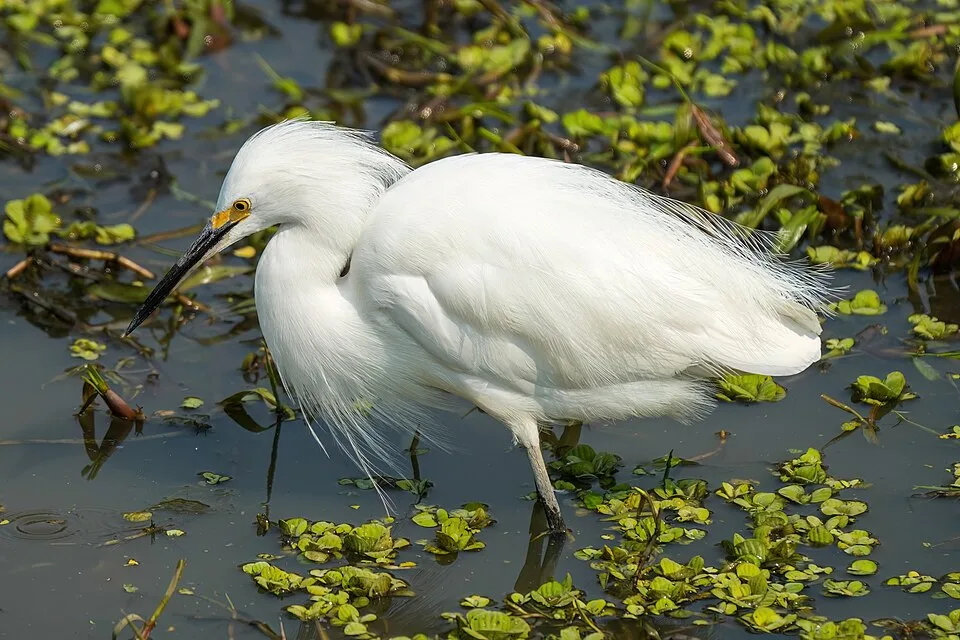
Texas, a state of colossal proportions and immense ecological diversity, is a paradise for wading birds. Its extensive coastline along the Gulf of Mexico, vast network of inland lakes, rivers, and the unique wetland habitats of the Great Plains, combine to create a critical sanctuary on the Central Flyway. Wading birds—herons, egrets, ibises, spoonbills, and cranes—are the charismatic giants of the Texas wetlands, easily spotted due to their size, striking plumage, and preference for open water.
Finding these elegant birds, however, is a dynamic challenge that changes with the season and the water levels. Successfully birding for waders in Texas requires understanding their specific habitat needs and knowing the best viewing locations along the coast and inland.
The Coastal Aristocracy: Herons and Egrets
The Texas coast, particularly from the Sabine Pass down to the Rio Grande Valley, hosts the largest concentration and greatest diversity of wading birds. This includes the nine distinct species of herons and egrets that are common to the state.
The White Wonders (Egrets)
Egrets are recognized by their pure white plumage, which often develops beautiful, delicate breeding plumes (aigrettes) in the spring.
Great Egret (Ardea alba): Tall and stately, this egret stands over three feet high with a long, S-curved neck and a distinctive yellow bill.
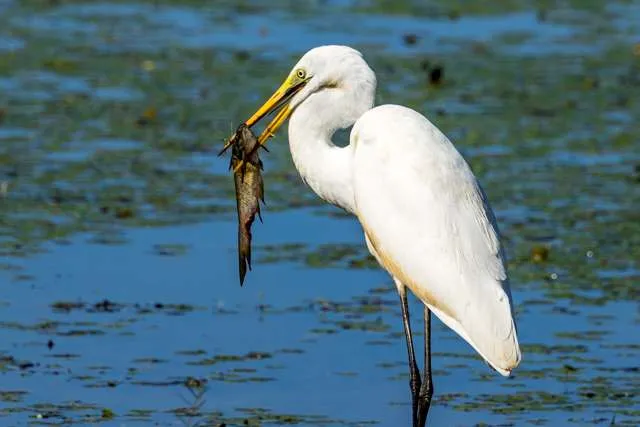
- Spotting Tip: They often stand motionless at the water's edge, using their height to locate fish. Look for them in shallow coastal marshes and along the edges of open lakes.
Snowy Egret (Egretta thula): Smaller and much more active than the Great Egret. It is easily identified by its black bill, black legs, and bright yellow feet—often described as "golden slippers."
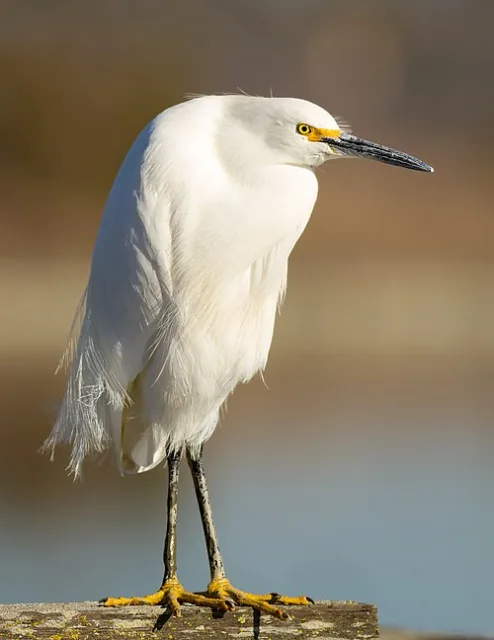
- Spotting Tip: Watch for their active foraging behavior; they shuffle their yellow feet in the mud to stir up small fish and invertebrates. A very common sight on tidal flats and mudflats.
The Colorful and Cryptic (Herons)
Herons exhibit a range of blues, blacks, and browns, often blending into the dense vegetation.
Great Blue Heron (Ardea herodias): The largest of the group, with gray-blue plumage, a massive size (up to 4.5 feet tall), and a slow, deep flight. They are found across all of Texas, including far inland lakes.
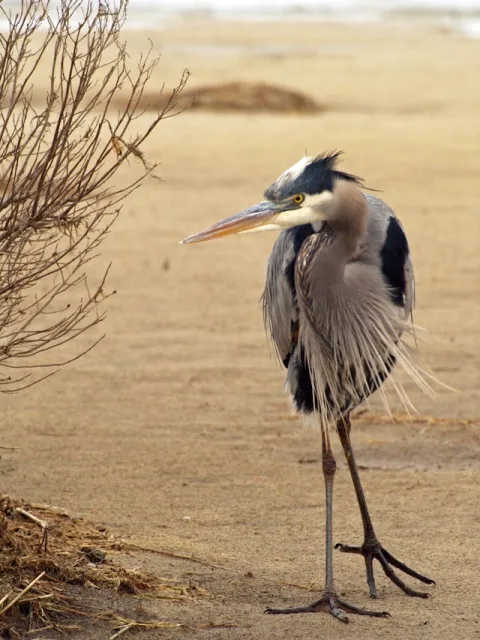
- Spotting Tip: Listen for their harsh, croaking call when they take flight. They often perch conspicuously on high utility poles or in tall trees near water.
Tricolored Heron (Egretta tricolor): A slender, medium-sized heron with blue-gray plumage, a white belly, and a thin, whitish line running down the neck.
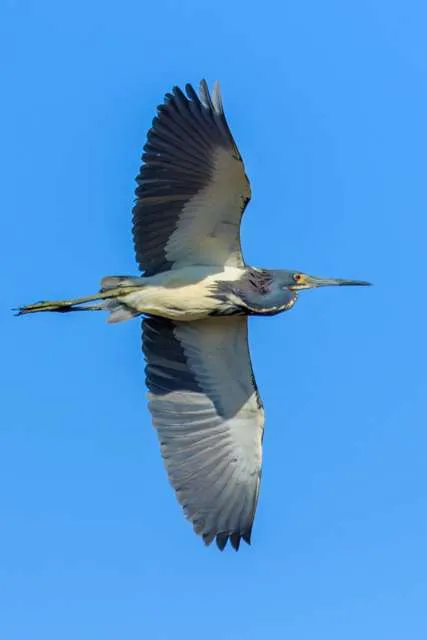
- Spotting Tip: They prefer saltier marshes and coastal lagoons. Their thin, pointed bill is a key feature, and they often use a "running" pursuit method to catch prey.
Green Heron (Butorides virescens): A stocky, small heron with a glossy, dark greenish back and a deep reddish-brown neck. They are famous for their tool-use, occasionally dropping bait (like bread or feathers) on the water to lure fish.
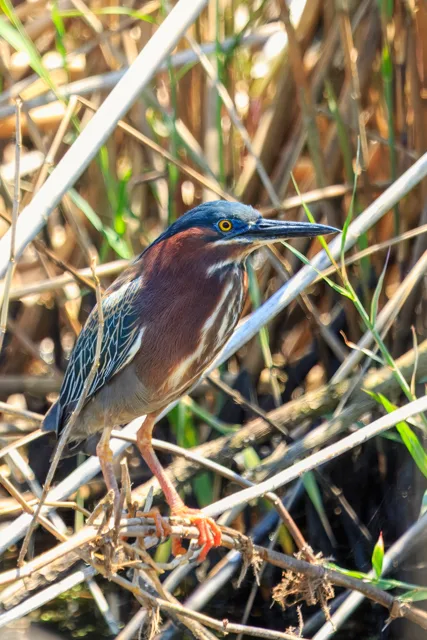
- Spotting Tip: They are shy and rarely stand in the open. Check dense, low vegetation and overhanging branches along slow-moving streams and ditches, where they crouch low to hunt.
The Specialty Waders: Roseate Spoonbills and Ibises
Texas is a premier location for viewing some of the continent's most visually striking wading birds.
The Iconic Pink
Roseate Spoonbill (Platalea ajaja): An unmistakable spectacle. This large bird is entirely pink, with a bald greenish head and a unique, flattened, spoon-shaped bill.
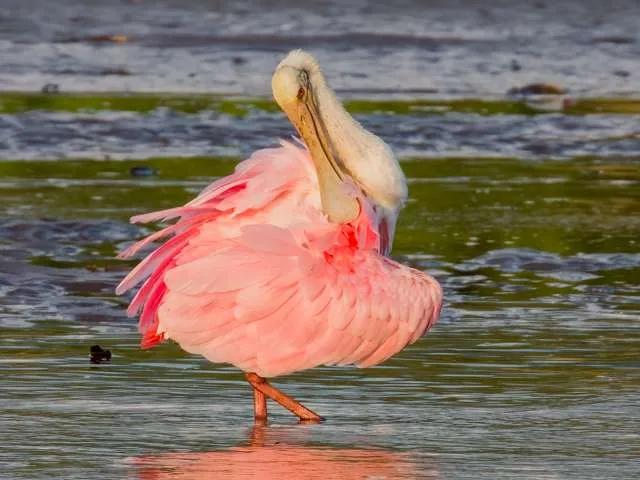
- Spotting Tip: They are highly gregarious and usually found in flocks. They feed by sweeping their specialized bill back and forth through shallow water, sifting for small aquatic life. Look for them in estuaries and brackish lagoons along the central and southern coast, such as those in the Aransas National Wildlife Refuge. The best color is visible in bright sunlight.
The Curved Bills (Ibises)
Ibises are known for their distinctively long, downward-curved bills, which they use to probe deep into the mud.
White Ibis (Eudocimus albus): Adults are entirely white with black wingtips (visible in flight), a reddish-pink face, and a pink, decurved bill.
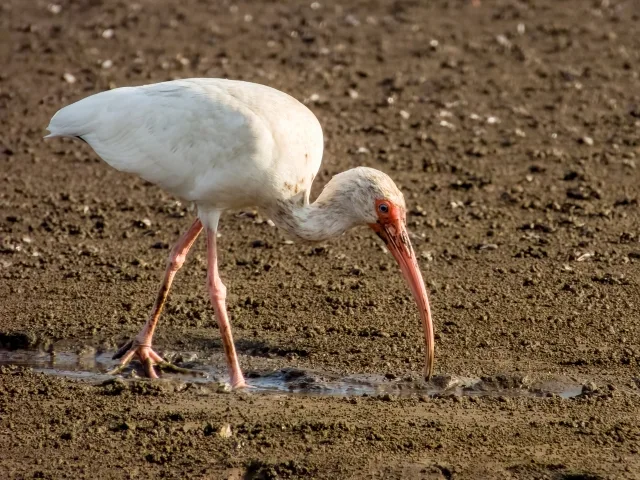
- Spotting Tip: They are often found feeding in tight groups in freshwater or brackish marshes, walking slowly while probing the substrate. Juvenile White Ibises are mottled brown and white and can cause confusion.
Glossy Ibis (Plegadis falcinellus) and White-faced Ibis (Plegadis chihi): These dark-plumaged species appear black from a distance but show iridescent bronze, green, and purple when seen in good light. The White-faced Ibis is the more common of the two in Texas.
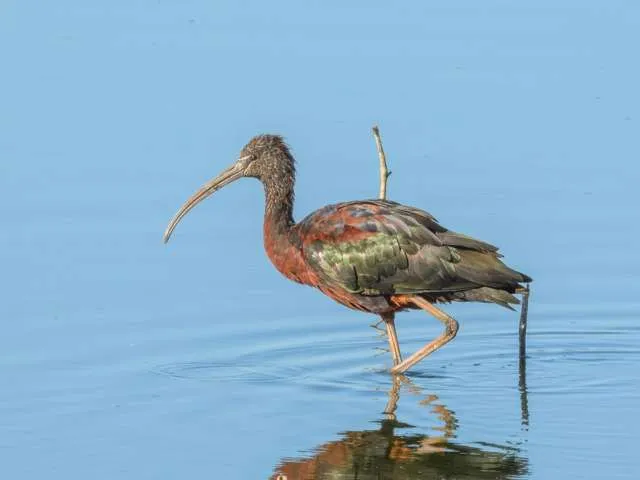
- Spotting Tip: Distinguishing them is challenging but rewarding. The White-faced Ibis has a red eye and reddish legs year-round, while the Glossy has a dark eye and duller legs (especially when not breeding). Look for them in flooded fields and large freshwater marshes.
Inland Spectacles: Cranes and Storks
While the coast is the wader stronghold, the interior of Texas is critical for two of North America's largest and rarest wading birds.
Whooping Crane (Grus americana): The tallest bird in North America (nearly five feet tall). This critically endangered species winters exclusively at the Aransas National Wildlife Refuge and surrounding coastal marshes.

- Spotting Tip: They arrive in October and depart in April. Viewing is typically done via boat tour from Rockport or Port Aransas, or from designated public viewing areas within the refuge. Finding this bird is the ultimate Texas birding triumph.
Wood Stork (Mycteria americana): A massive, bald-headed white bird that sometimes wanders into Texas, especially the coastal areas, during the late summer and fall.

- Spotting Tip: Look for them soaring high in the air on thermals, often mixed with vultures or pelicans, or feeding in large, concentrated groups in drying marshes or ditches.
Wader Spotting: Essential Texas Birding Tips
Finding these birds in the vastness of Texas requires strategic planning and respect for the environment.
1. The Power of the Tide and Water Level
Wading birds depend on very shallow water. Focus your efforts where water is receding or water levels are consistently low.
- Coastal Flats: Bird the tidal flats during the receding tide and low tide. This exposes the maximum amount of mud, concentrating the food sources and bringing the birds closer to shore.
- Inland: Look for them in drying stock tanks, agricultural ditches, and along the mud edges of reservoirs when summer heat lowers water levels.
2. Utilize Texas Birding Hotspots
The state has numerous established sites designed for optimal wader viewing.
- The World Birding Center (Rio Grande Valley): A network of sites offering prime habitat for coastal and tropical waders, including the Spoonbill and rarer visitors.
- Galveston and Corpus Christi Bays: The numerous state parks, sanctuaries, and roadside pull-offs here offer immediate access to egret, heron, and ibis flocks. Look for designated Audubon Sanctuaries or protected rookeries.
- Aransas National Wildlife Refuge: The quintessential winter spot, offering the best chance to see the endangered Whooping Crane.
3. Gear and Field Craft
Due to their cautious nature and the expansive open spaces, close-up viewing is difficult without the right tools.
- Optics: A spotting scope is essential for identifying details (like the Snowy Egret’s yellow feet or the ibises' eye color) that separate similar species at a distance. A good pair of 8x or 10x binoculars is always necessary.
- Sunlight: Wading bird plumage, especially the subtle iridescence of the ibises and the color of the Roseate Spoonbill, is best appreciated when the sun is behind you (shining on the bird).
- Patience and Stealth: Waders are sensitive to sudden movement. Move slowly, or better yet, find a comfortable spot and wait for the birds to approach a prime feeding area.
By combining an understanding of the birds' unique feeding behaviors with strategic scouting of Texas's critical aquatic habitats, birders can experience the unforgettable spectacle of these majestic, stilt-legged guardians of the wetlands.
