
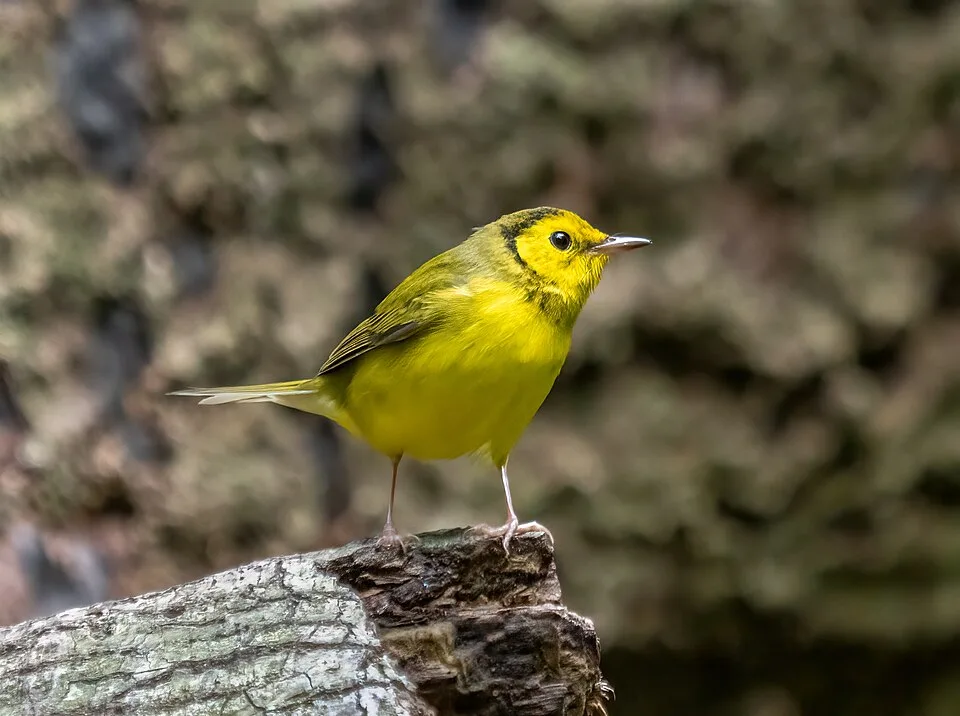
Tennessee, with its incredible diversity of habitats—from the towering peaks of the Appalachian Mountains to the vast floodplains along the Mississippi River—is a true paradise for bird watchers. Situated at the confluence of several major migration flyways, the state serves as a crucial stopover and breeding ground for hundreds of avian species.
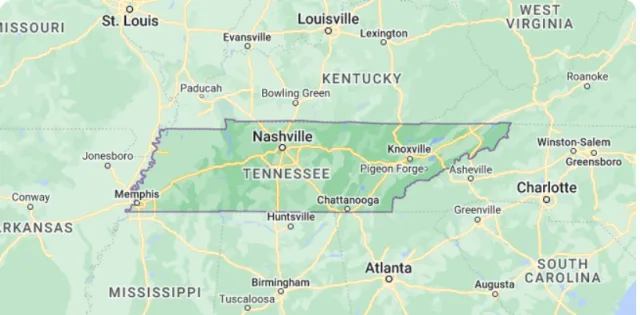
Whether you are a seasoned birder chasing elusive warblers in the misty spring forests or a beginner hoping to spot your first vibrant tanager in a city park, the Volunteer State offers a wealth of unique bird-watching opportunities year-round. This article will guide you through the best locations and times to witness Tennessee’s spectacular birdlife, from the migratory flocks at Reelfoot Lake to the resident species of the Great Smoky Mountains.
T.O. Fuller State Park
T.O. Fuller State Park, located within the southern city limits of Memphis, offers a uniquely accessible urban oasis for birding, strategically positioned along the vital Mississippi Flyway. The park’s 1,138 acres encompass a fascinating geographical blend, featuring high, overshadowing bluff ridges that drop down to the floodplains of the Mississippi River.
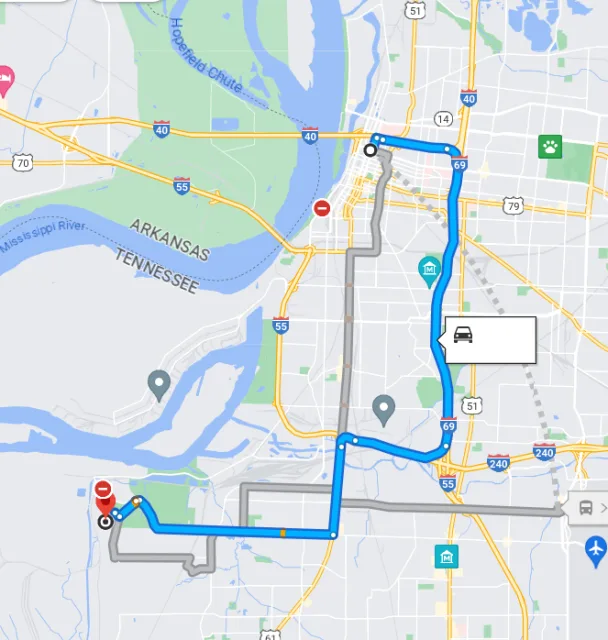
This diverse terrain creates varied habitats, from mature hardwood forests to newly developed floodplain wetlands, native grassy meadows, and upland ponds. Its location makes it a critical stopover point for hundreds of species during the spring and fall migrations, drawing both resident and transient birds to its trails and water features.
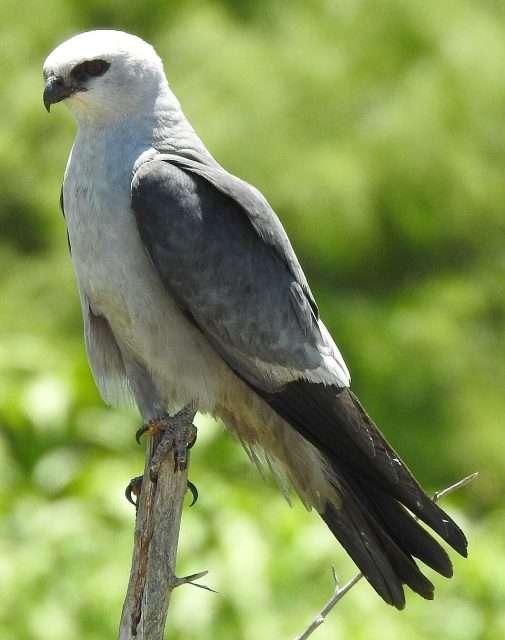
With approximately 140 species of birds observed within the park, T.O. Fuller State Park provides rewarding bird-watching opportunities year-round, particularly along its eight miles of trails. Birders visiting during migration seasons are well-positioned to spot a variety of neotropical migrants such as warblers, vireos, thrushes, and flycatchers, including the Mississippi Kite soaring above. The dedicated Wildlife Enhancement Area, which includes former golf cart paths, is an excellent spot for observing water-loving birds like herons, egrets, and waterfowl. Rarer sightings, such as the Black-bellied Whistling Duck and the Black-necked Stilt, have also been recorded, underscoring the park's importance as a significant birding hotspot in West Tennessee.

Target Birds
Black-bellied Whistling Duck
Mississippi Kite
Indigo Bunting
Dickcissel
Least Sandpiper
Yellow-crowned Night Heron
Common Nighthawk
The Tennessee State Parks website has background information about the park and a downloadable flyer.

Big Sandy Unit
The Big Sandy Unit is the northernmost of the three units that make up the Tennessee National Wildlife Refuge (TNNWR), situated in Northwest Tennessee, primarily across the Benton and Henry counties. Its geography is defined by the confluence of the Big Sandy River and the Tennessee River, which forms the large, impounded body of water known as Kentucky Lake.
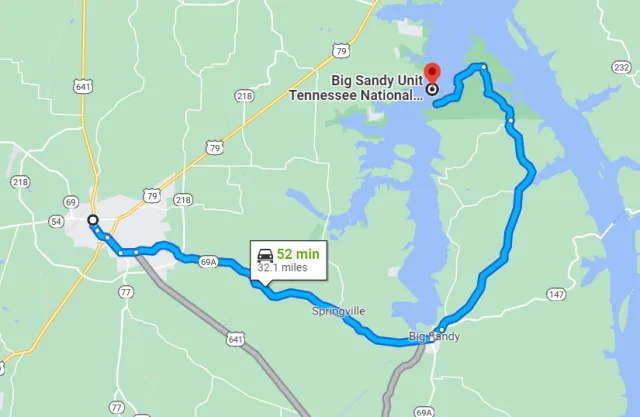
This 21,348-acre unit largely occupies the Big Sandy Peninsula, featuring diverse habitats that include extensive open waters, agricultural fields managed for wildlife, wet-soil wetlands, and a significant block of upland deciduous forest. This mix of rolling uplands adjacent to the vast, open water makes it a critical and geographically unique stopover point along the major north-south migratory corridor of the Tennessee River Valley.
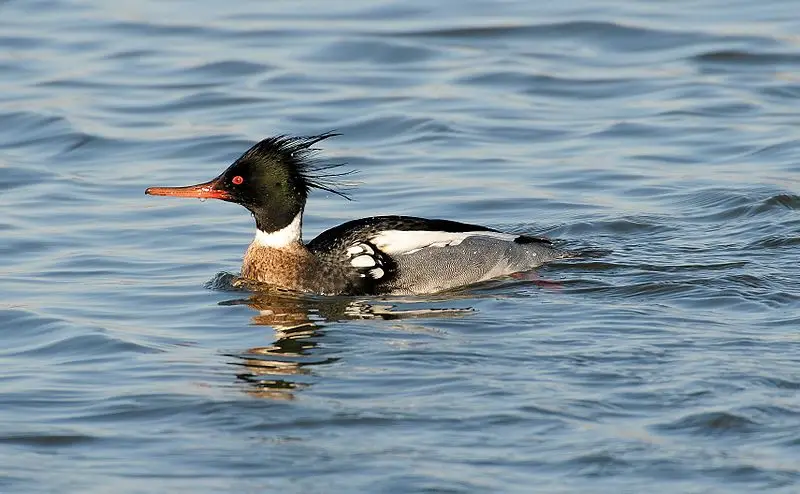
The diverse landscape of the Big Sandy Unit provides exceptional, year-round bird watching opportunities, though it is perhaps best known as one of Tennessee's premier locations for wintering waterfowl. From November through March, the open waters and protected bays—easily viewed from spots like the Bennett's Creek Overlook and Pace Point (considered one of the state's top 10 birding sites)—host large numbers of ducks and geese, including Canvasbacks, Redheads, and various Mergansers.
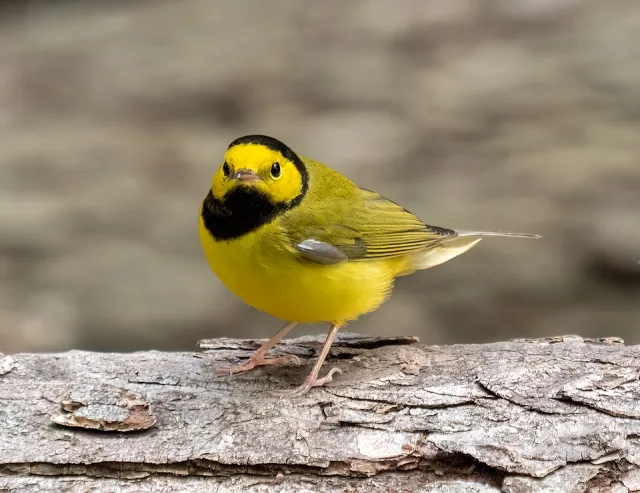
Birders also frequent the unit in winter to spot rare species of loons (like the Red-throated or Pacific Loon) and grebes. Beyond the aquatic life, the large, mature forests on the peninsula are a draw for Neotropical migrant songbirds in the spring and summer, such as Hooded and Kentucky Warblers, while the managed fields provide habitat for various sparrow species and raptors like Bald Eagles and Golden Eagles.
Target Birds
Red-shouldered Hawk
Acadian and Great Crested Flycatcher
Summer Tanager
Pine Warbler
Hooded and Red-breasted Merganser
Boneparte's Gull
- Golden-crowned Kinglet
The Tennessee Trails website has directions and information about the birds in the area.

Cross Creeks NWR
Located in Stewart County near Dover, the Cross Creeks National Wildlife Refuge (NWR) is a crucial stopover point along the Mississippi Flyway, offering some of the most dynamic birding in Middle Tennessee. The 8,862-acre refuge is situated primarily within the floodplain of the Cumberland River, now part of Lake Barkley.
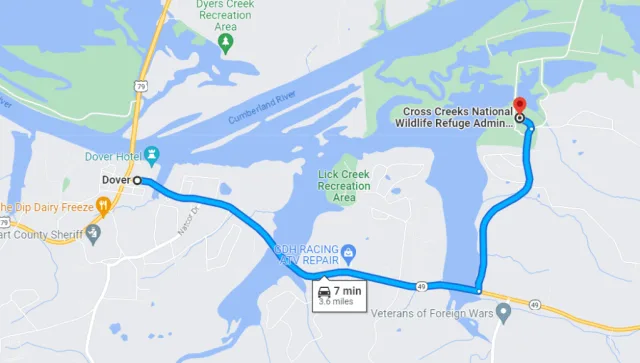
Its geography is a mosaic of rich, low-lying bottomlands, open water impoundments, moist-soil wetlands, and surrounding rolling hills characterized by upland deciduous hardwood forests. This diversity of habitat, which also includes croplands and fields, is managed specifically to provide feeding and resting areas for migratory birds, which is the refuge's primary purpose. It's a key destination for birders, boasting a checklist of over 250 avian species.
Cross Creeks NWR truly shines as a destination for seasonal and year-round bird watching. Its highest profile visitors are the tens of thousands of wintering waterfowl, including Mallards, Gadwall, and Ring-necked Ducks, with numbers sometimes exceeding 80,000 birds. The refuge is especially important for the American Black Duck, historically hosting up to 10% of the species' wintering population in the Mississippi Flyway.
Birders can also look for numerous wintering Bald Eagles and the occasional Golden Eagle. During the spring and fall migrations, the forests are alive with color and song as neotropical migrants like Prothonotary Warblers, Summer Tanagers, and various vireos and flycatchers stop to refuel. While most of the refuge is closed to public access from November 15 to March 15 to protect the resting waterfowl, an observation deck adjacent to the Visitor Center remains open year-round, offering an excellent, undisturbed vantage point for viewing the spectacular winter concentration of birds on the water.
Target Birds
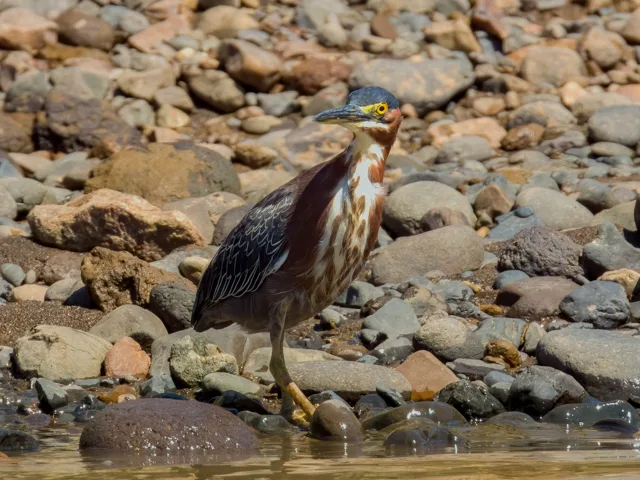
Green Heron
Osprey
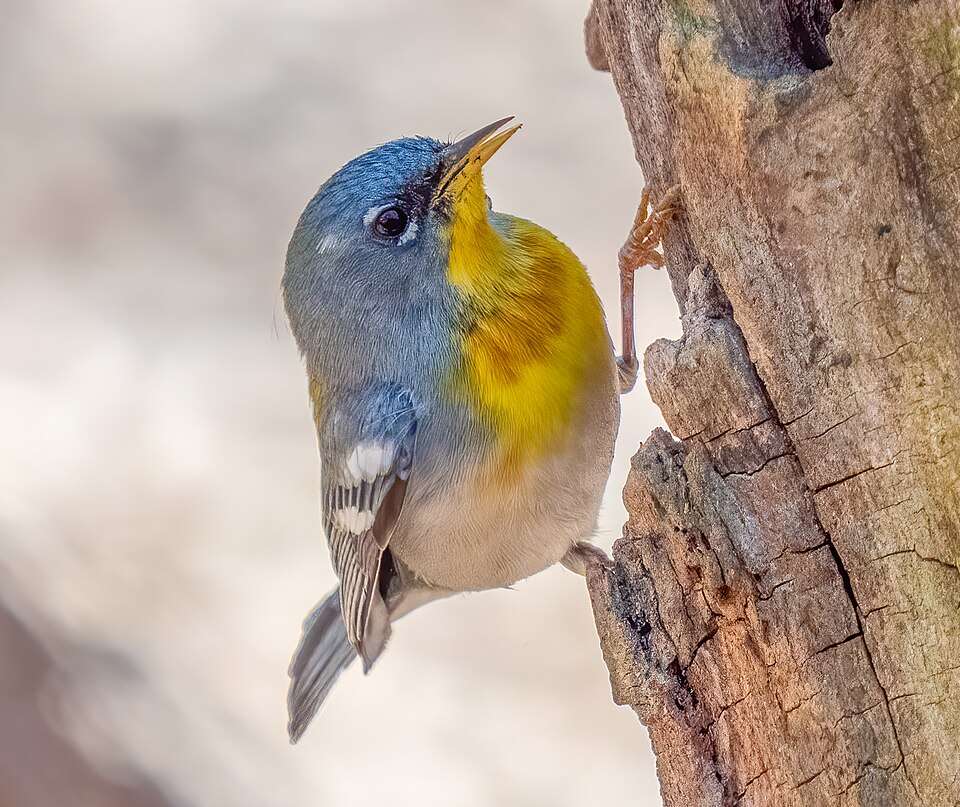
Northern Parula
Yellow-billed Cuckoo
Philadelphia Vireo
Semipalmated Plover
Bufflehead
American Golden Plover
The U.S. Fish and Wildlife Service has information about the area and the wildlife seen within.
Reelfoot State Park
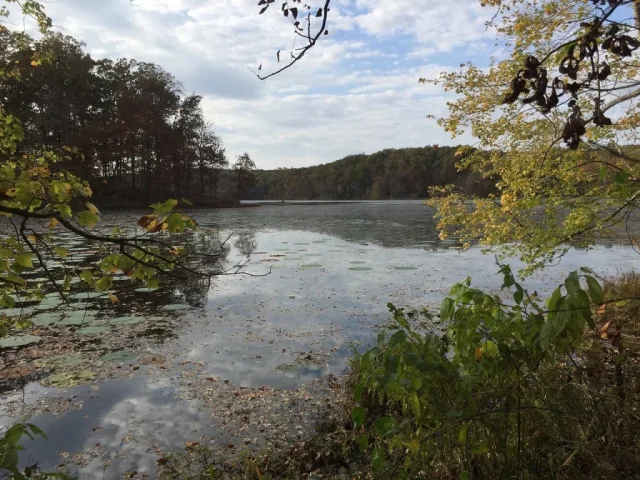
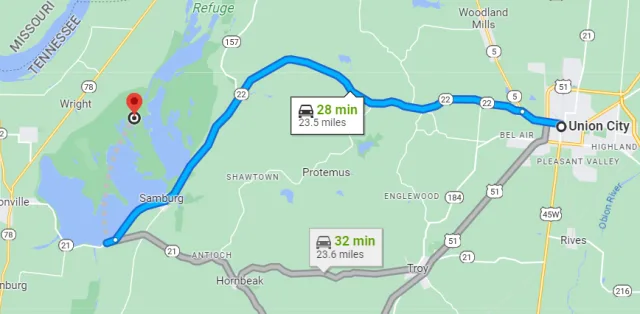
Located in the far northwest corner of Tennessee, Reelfoot Lake State Park offers a unique and historically significant landscape for wildlife enthusiasts. The 15,000-acre lake itself is a geographic anomaly, having been formed by a series of devastating New Madrid earthquakes in 1811-1812 which caused the land to subside and the Mississippi River to briefly flow backward, flooding a vast cypress and hardwood forest.
The resulting body of water is shallow and marsh-like, characterized by majestic Bald Cypress trees rising directly out of the water, with their submerged stumps and knees creating an unparalleled ecosystem. This "flooded forest" environment, coupled with the surrounding bottomland hardwood forests, marshes, and agricultural fields, has earned the entire Reelfoot area recognition as a National Natural Landmark and an Audubon-designated Important Bird Area for its incredible biodiversity.
For bird watchers, Reelfoot is a premier, year-round destination, boasting over 270 reported avian species due to its position on a major migratory flyway. The park is most famous for its spectacular winter visitors: it serves as a critical wintering ground for large populations of Bald Eagles, with park naturalists leading daily eagle and waterfowl tours from January through March.
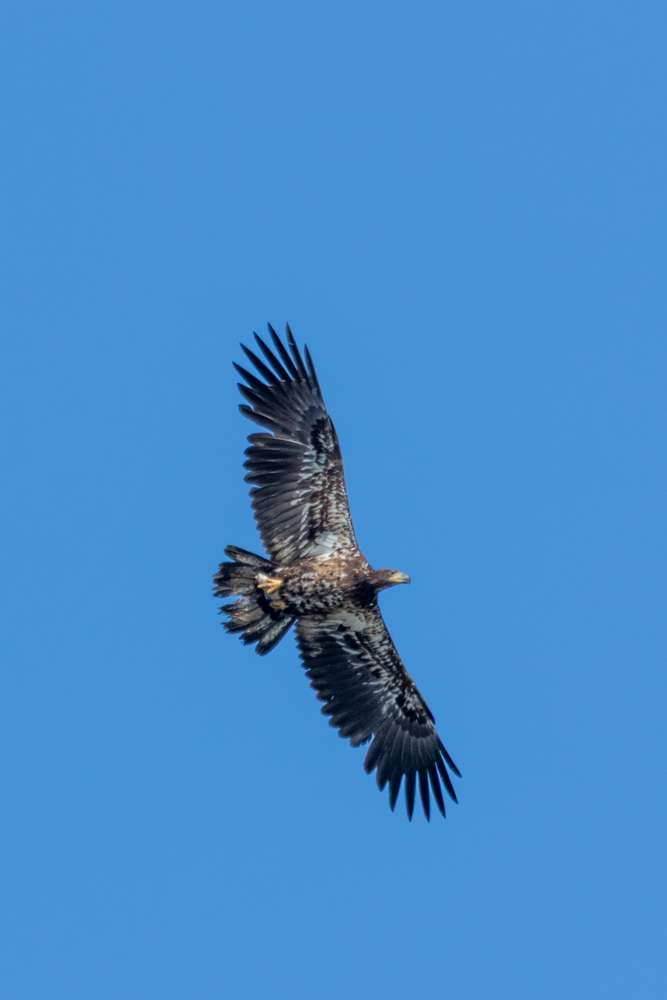
In the fall, huge flocks of American White Pelicans stop over during their migration, an event celebrated annually during the Pelican Festival in October, which features canoe floats and boat tours for up-close viewing. Throughout the warmer months, visitors can seek out nesting swamp specialists like the brilliant Prothonotary Warbler and various wading birds, including Great Blue Herons and Great Egrets, best viewed on scenic pontoon boat tours or deep swamp canoe trips. Easy-to-moderate hiking trails, like the Keystone Trail and the boardwalk at the Visitor Center, also provide excellent vantage points for observing a wide variety of woodland and wading birds.
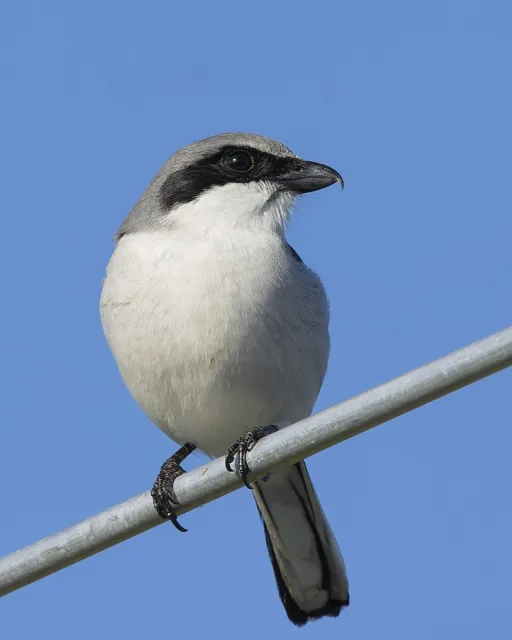
Target Birds
Barred Owl
Loggerhead Shrike
Prothonotary Warbler
Ovenbird
Rose-breasted Grosbeak
Pectoral Sandpiper
Winter Wren
Northern Harrier
Tennessee SP has fabulous details about the area and the birds you can see there.

Meeman-Shelby Forest SP
Meeman-Shelby Forest State Park, located just 13 miles north of Memphis in West Tennessee, offers one of the state's most ecologically significant and rewarding bird-watching experiences. Its geographic position is key, sitting atop the Chickasaw Bluffs and bordering the mighty Mississippi River, placing it directly in the path of the Mississippi Flyway, a major avian migration corridor. This strategic location means that huge numbers of birds pass through the area during spring and fall migration.
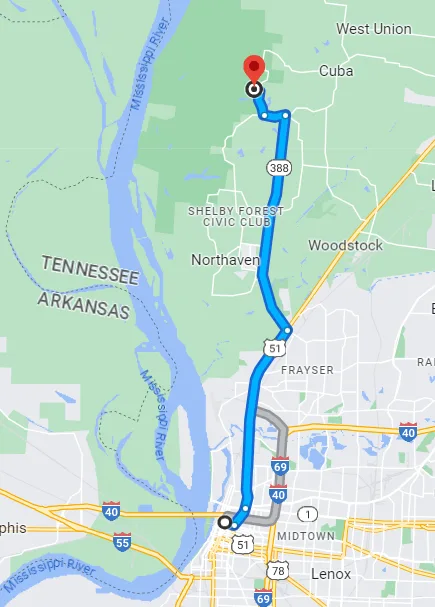
The park’s diverse geography encompasses approximately 13,500 acres, mixing two distinct environments: the upland forest on the bluffs, characterized by large oaks, American beech, and hickory, and the vast, lower-lying bottomland hardwood forest featuring mature Bald Cypress and Tupelo swamp, along with lakes like Poplar Tree and Eagle Lake. This variety of habitats ensures year-round birding opportunities.
The park's diverse ecosystem supports an impressive reported list of over 240 bird species, earning it the designation of an Important Bird Area (IBA) by the Audubon Society. Birding is excellent throughout the year, but the spring and fall migrations are particularly spectacular for observing substantial numbers of neotropical migrants, including various thrushes and vireos. During the summer breeding season, birders can specifically target sought-after species such as the Cerulean, Swainson’s, and Hooded Warblers, as well as the distinctive Mississippi Kite and wading birds like the Anhinga and Yellow-crowned Night-heron.
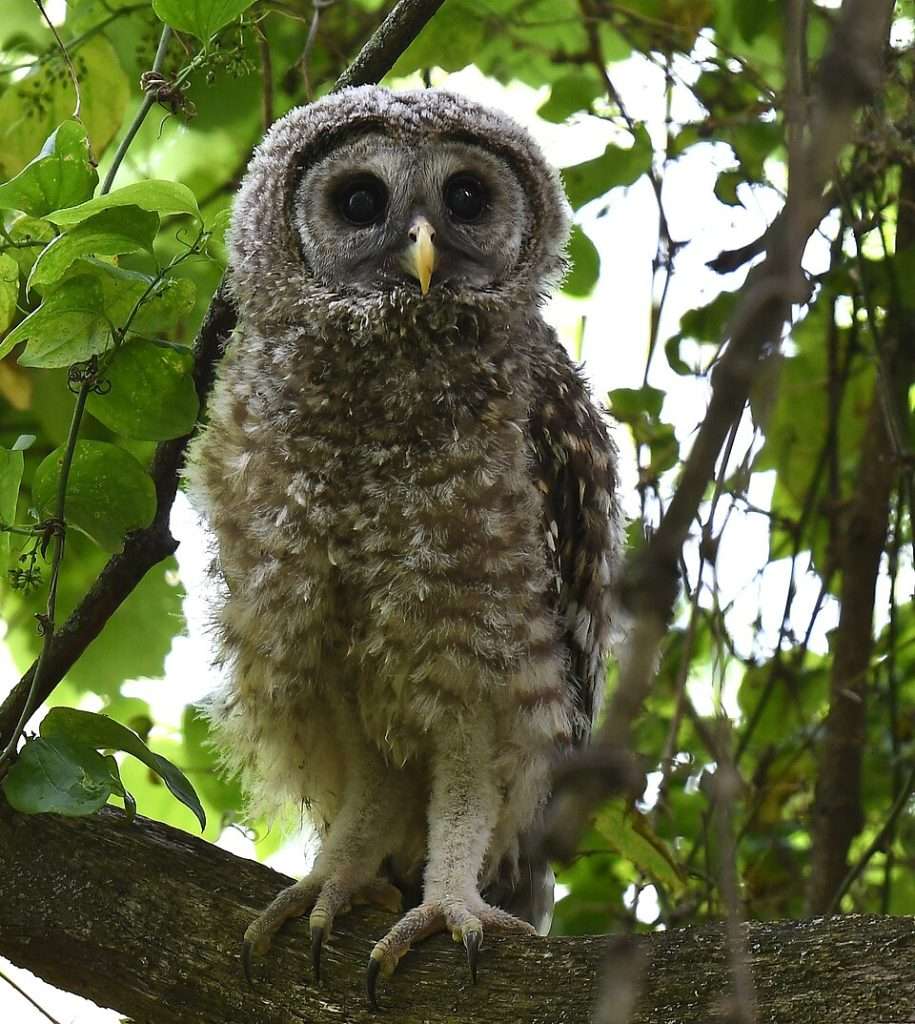
In winter, the park's river access and lakes are prime spots for viewing waterfowl, gulls, and ducks flying overhead. Year-round residents include a healthy population of Barred Owls, various woodpeckers (including the imposing Pileated Woodpecker), and nesting Bald Eagles, making Meeman-Shelby Forest a must-visit destination for any serious birder traveling through Tennessee.
Target Birds
Kentucky, Hooded and Cerulean Warbler
Swainson's Thrush
Broad-winged Hawk
Belted Kingfisher
Brown Thrasher
Limpkin
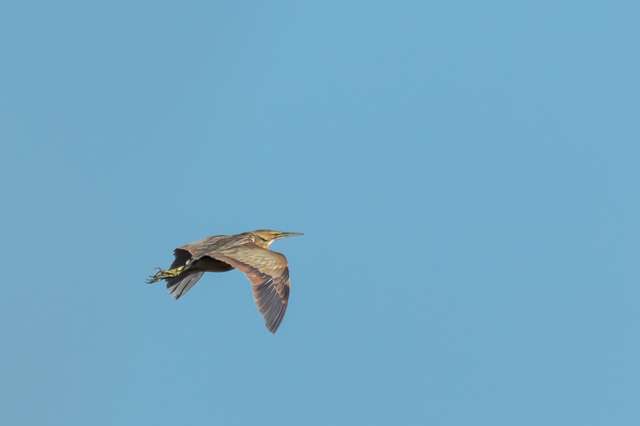
American Bittern
The TSP webpage for the forest has seasonal information for bird watching visitors.

Duck River Unit
The Duck River Unit is a key component of the Tennessee National Wildlife Refuge, strategically situated in Humphreys and Benton Counties at the confluence of the Duck River and the Tennessee River/Kentucky Lake. This geography creates one of the most significant wetland environments in the Interior Low Plateaus, with a landscape characterized by intensely managed bottomlands known as the "Duck River Bottoms," highly dissected forested uplands, and seasonal mudflats along the lake shoreline.
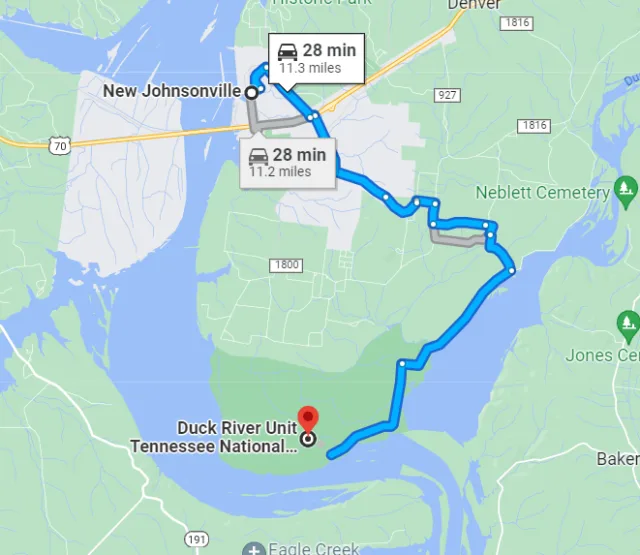
The habitat management is focused on providing food and sanctuary for migratory birds, featuring 14 impoundments that create approximately 4,000 acres of water. These managed areas combine moist-soil wetlands, open water, and cooperatively farmed agricultural fields where crops like corn and millet are left standing to sustain migrating and wintering waterfowl.
These diverse, managed habitats make the Duck River Unit a phenomenal year-round destination for bird watchers, with a particular focus on waterfowl, shorebirds, and raptors like the Bald Eagle and Osprey. Winter brings a peak in waterfowl populations, including numerous species of ducks (Mallards, Gadwall, Pintails) and geese, best viewed from the Pintail Point Observation Blind. During spring and fall migration, the unit's seasonal mudflats at the mouth of the Duck River become a critical stopover for a wide variety of shorebirds, such as Willet, Buff-breasted Sandpiper, and American Avocet.
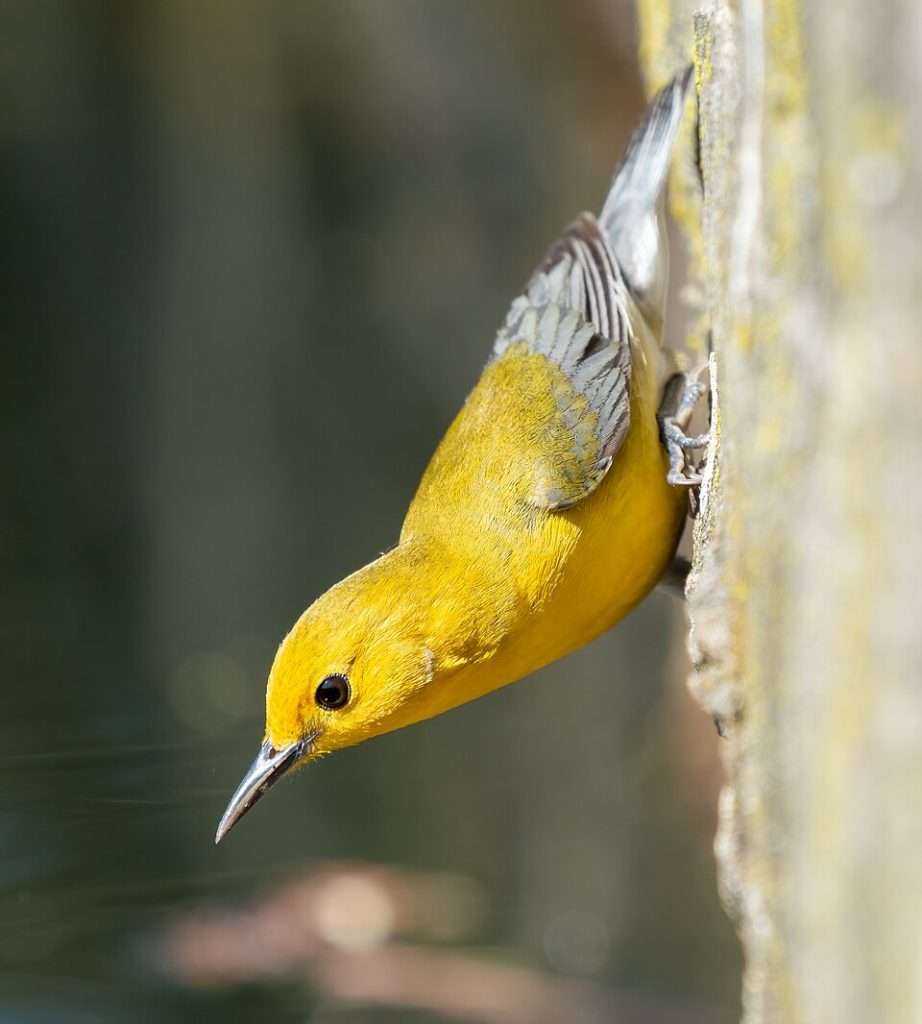
Birders can also look for nesting species like the vibrant Prothonotary Warbler in the wooded wetlands and a host of neotropical songbirds, vireos, and flycatchers that pass through in the spring and fall. Access to the main refuge area is typically available via Refuge Lane off Highway 70S near New Johnsonville, though many interior roads, including the scenic Blue Goose Wildlife Loop, are seasonally closed from November 15 to March 15 to protect the wintering waterfowl sanctuary.
Target Birds
American White Pelican
Fish Crow
Willet
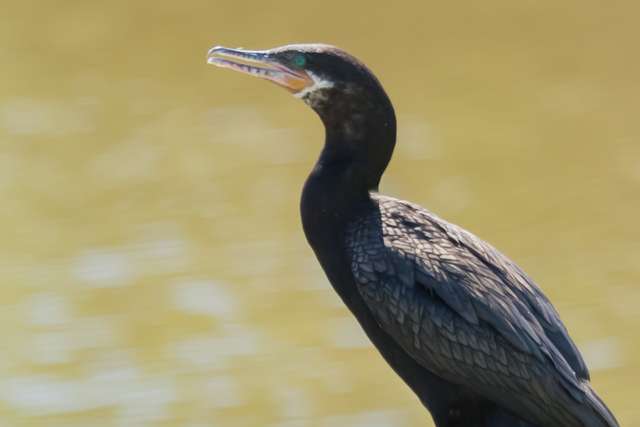
Neotropic Cormorant
Red-headed Woodpecker
Anhinga
Caspian Tern
The Tennessee's Watchable Wildlife website has lots of details about access to various points around the area and background too.

Shelby Farms Park
Shelby Farms Park, located in East Memphis, Shelby County, stands as one of the largest urban parks in the United States, spanning an impressive 4,500 acres. This vast green space serves as a critical natural lung within a major metropolitan area and is a geographical marvel, covering more than five times the area of New York's Central Park.
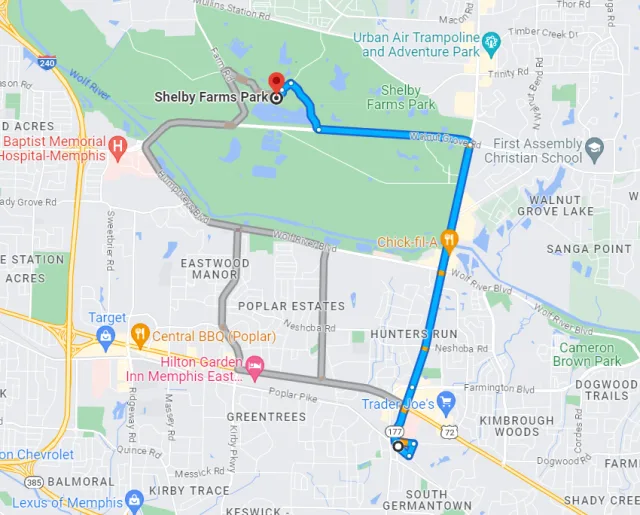
Its diverse geography is a mosaic of habitats, featuring open meadows and grasslands, unspoiled hardwood forests, ecologically rich wetlands, and over 20 bodies of water, including the large Hyde Lake. This variety of terrain, including the designated 728-acre Lucius E. Burch Jr. State Natural Area (a bottomland forest), ensures a welcoming environment for a wide array of avian life, making it a premier bird-watching destination in West Tennessee.
The park's diverse ecosystems create outstanding year-round birding opportunities, with over 260 species identified within its boundaries. Birders can target different habitats for specific sightings. The various lakes and ponds, such as Hyde and Pine Lakes, are crucial sites for observing wintering waterfowl, while the forested areas are a haven for resident species like the Barred Owl, Pileated Woodpecker, and various songbirds.

Furthermore, the expansive open fields of an area known as The Outback are excellent for spotting field and scrub birds, including numerous sparrow species during the winter. As an important stop on a major flyway, the spring and fall migrations bring an explosion of color, offering chances to see numerous neotropical migrants, including a variety of warblers and vireos, making Shelby Farms Park an indispensable retreat for serious and casual bird enthusiasts alike.
Target Birds
Blue Grosbeak
Louisiana Waterthrush
Cedar Waxwing
American Redstart
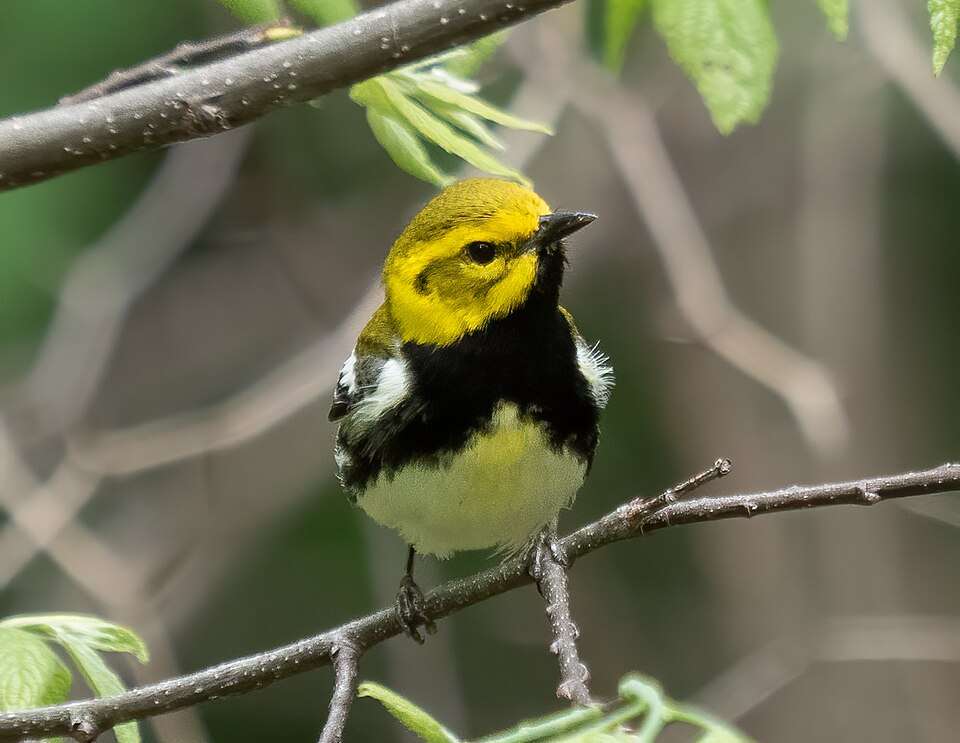
Black-throated Green and Canada Warbler
Swainson's Thrush
Great Horned Owl
The TWW webpage for the park again has really good information for visitors.

Eagle Lake Refuge
Located in Shelby County, just eight miles northwest of downtown Memphis, the Eagle Lake Refuge Wildlife Management Area (WMA) is a prime birding destination in West Tennessee. Geographically, this 3,253-acre refuge occupies a critical position on the Mississippi River floodplain, a major migration corridor for North American birdlife.
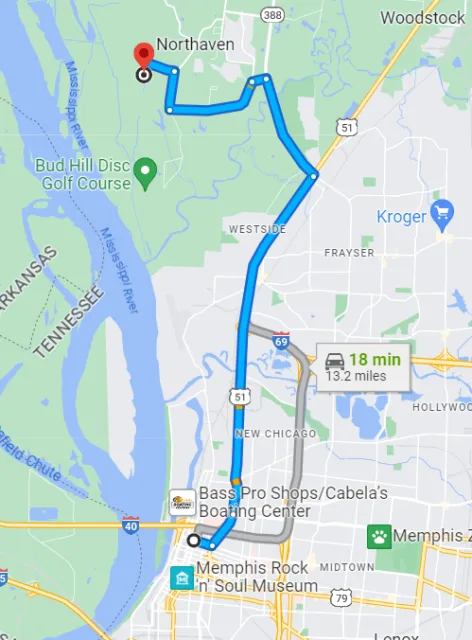
The landscape is characterized by a mix of cleared floodplain areas partitioned into water management units, providing rich wetland habitat, along with a small portion of forested bluff land. This diverse geography ensures a variety of viewing opportunities, from open water and shallow mudflats to woodland edges, all within easy reach of the Memphis metro area.
The seasonal rhythm of the refuge dictates the best bird-watching opportunities. Winter is the primary season for waterfowl viewing, as the managed units attract large concentrations of ducks and geese, drawing birders to the observation tower and accessible areas. Year-round, the refuge lives up to its name with frequent sightings of Bald Eagles and Red-tailed Hawks.
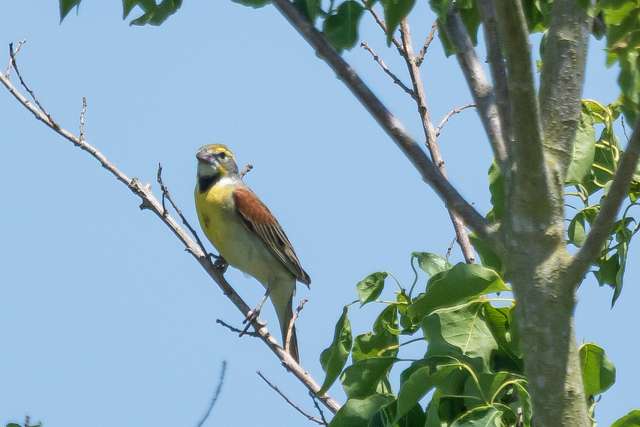
As the seasons turn, the bluff hills become vital stopovers for migrant songbirds during the spring and fall, offering glimpses of species like the Nashville Warbler and Willow Flycatcher. Summer visitors are rewarded with sightings of nesting raptors, most notably the graceful Mississippi Kite, as well as grassland and shrubland species like the Dickcissel and Blue Grosbeak.
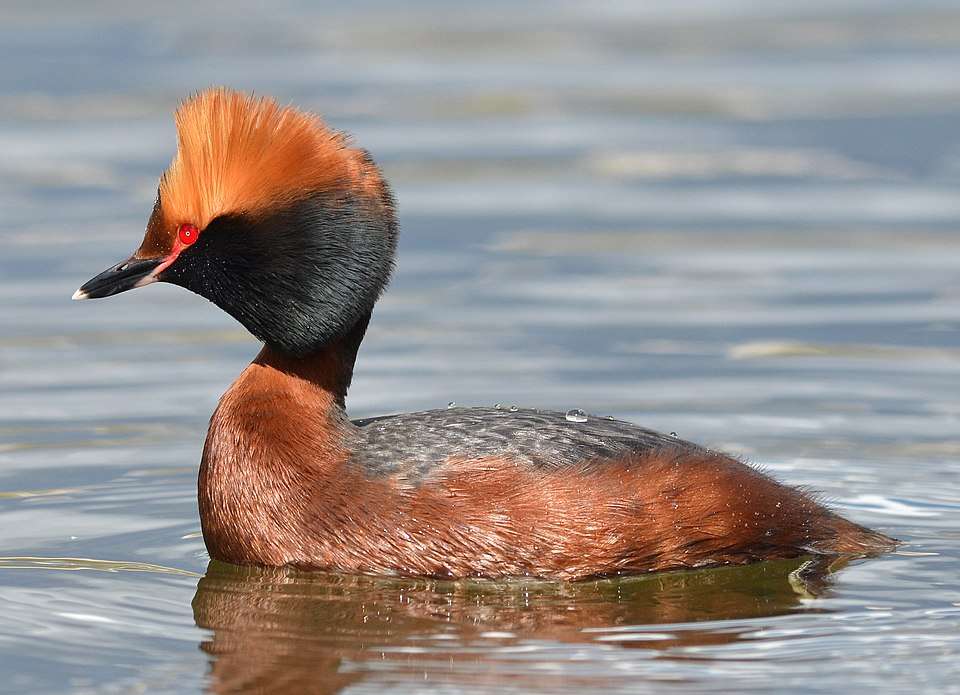
Target Birds
Northern Bobwhite
Solitary Sandpiper
Sora
Wilson's Snipe
Slavonian Grebe
Yellow-bellied Sapsucker
Fox Sparrow
The Birding Trails website has limited descriptions about the site.
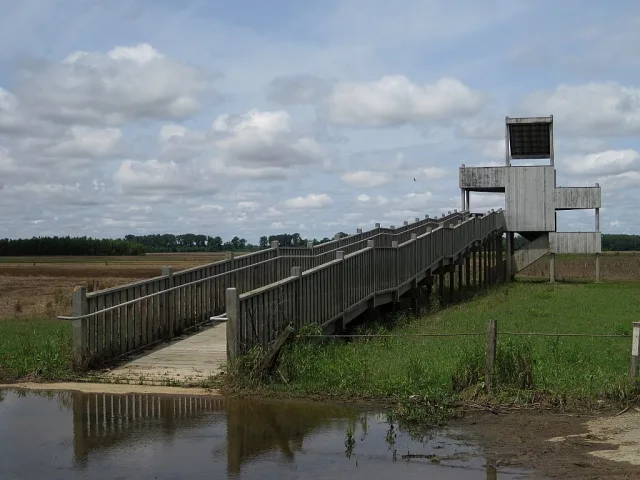
Old Hickory Beach
Situated near Metropolitan Nashville in central Tennessee, Old Hickory Beach is a key recreation and wildlife-viewing spot on the expansive Old Hickory Lake. This 22,500-acre reservoir is an impoundment of the Cumberland River, managed by the U.S. Army Corps of Engineers, and is conveniently located about 15 to 25 miles upstream from Music City.
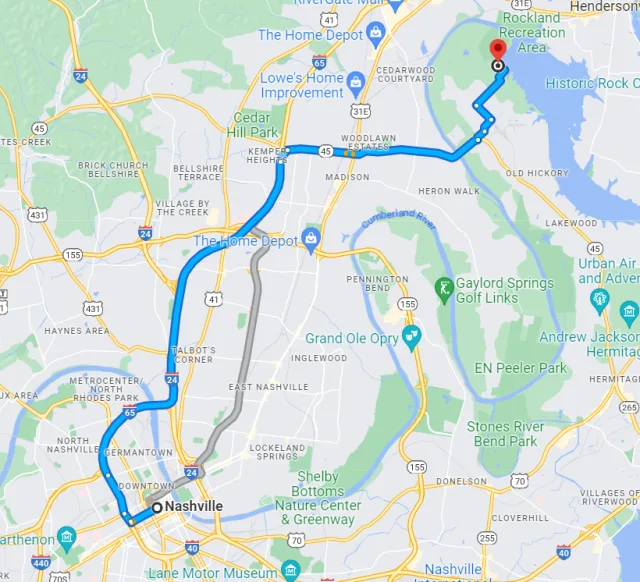
The beach and its surrounding day-use area are positioned near the Old Hickory Lock and Dam, a significant geographic feature that creates diverse aquatic and riparian habitats. The varied landscape of the greater area—featuring the large, open water of the lake, adjacent wooded areas, and the nature trail near the dam—provides a rich mosaic of environments that attract a wide array of avian species year-round.
For birdwatchers, the immediate vicinity of Old Hickory Beach is particularly notable, especially the gravel protrusion known to local birders as "Snow Bunting" Peninsula. This area offers prime opportunities to scan the lake, especially during the colder months and migration periods, which are considered the best times for birding here.
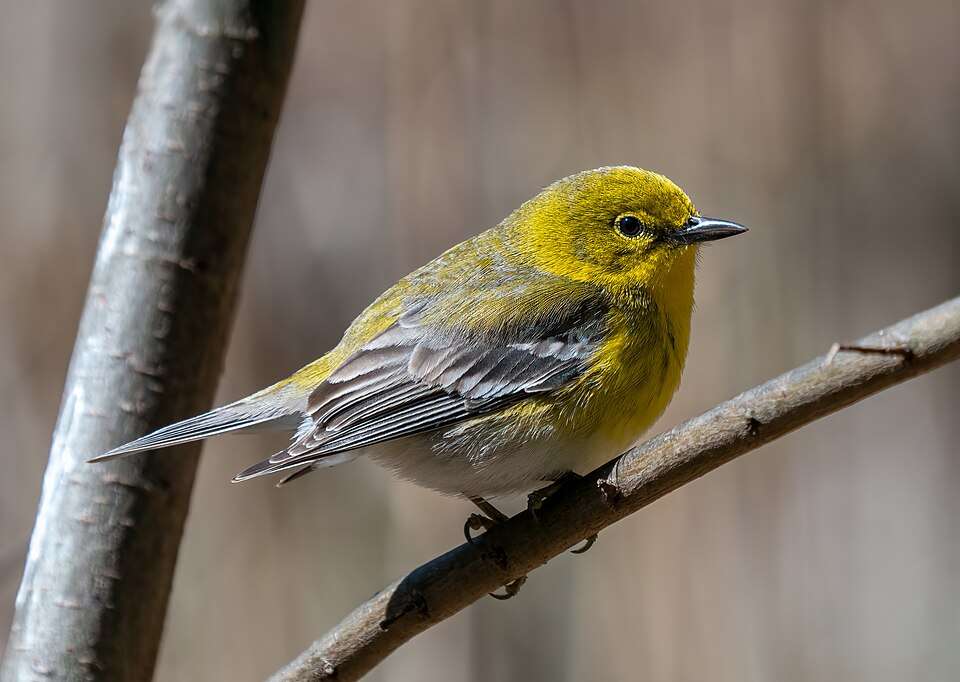
Visitors can expect to find a mix of waterfowl like Lesser Scaup, Redhead, and Common Loon in the winter, alongside year-round residents like the Bald Eagle and Great Blue Heron. The nearby Old Hickory Lake Nature Trail and the woodlands surrounding the dam also host forest species, including Barred Owls and Pine Warblers, making the entire area a valuable hotspot for observing both aquatic and terrestrial birds, including occasional rare shorebirds and gulls following storms.
Target Birds
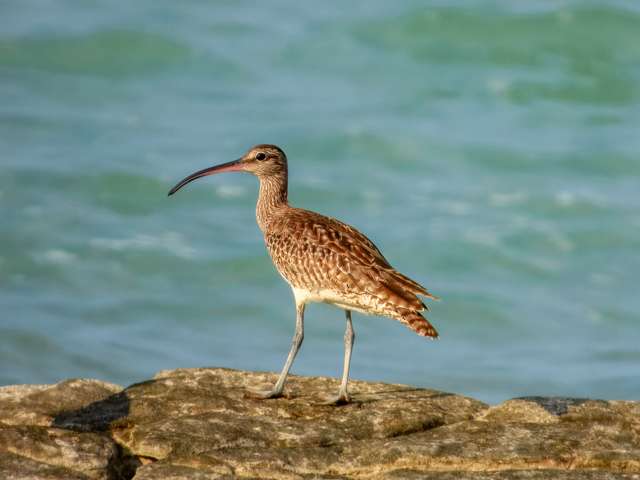
Whimbrel
Black Tern
Red-bellied Woodpecker
Black-crowned Night Heron
Western Sandpiper
American Avocet
Bald Eagle
The Tennessee WRA has good information about the seasonal variations in bird species seen in the area.
Wrapping Up
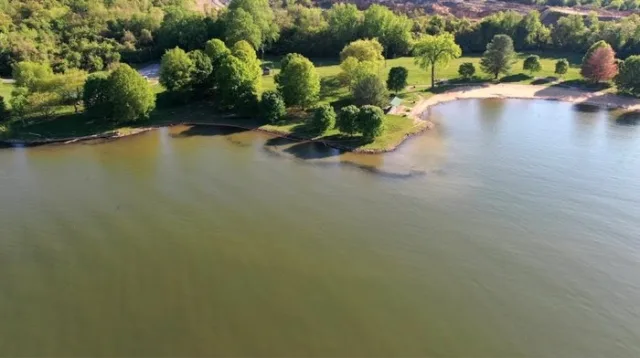
And that brings us to the end of our overview of Tennessee’s diverse birding landscape. From the urban oases like Old Hickory Lake near Nashville to the remote, wild expanses of the Great Smoky Mountains and the crucial wetlands of West Tennessee, the Volunteer State truly offers an unparalleled range of habitats for both resident and migratory birds. Remember that bird watching is not just about logging sightings; it’s an invitation to connect with nature's seasonal rhythms.
Whether you are tracking the arrival of vibrant spring warblers, observing wintering waterfowl, or simply listening for the hoot of a Barred Owl near a quiet lake, Tennessee's geography provides the perfect stage. Grab your binoculars and field guide, and start exploring the rich avian life waiting just outside your door.
