
For generations, the quintessential image of a bird watcher has involved a pair of binoculars, a field guide, and a patient eye on the local flora and fauna. The world of birding was, by its very nature, a hyper-local pursuit, limited by geography and the constraints of human travel. To see a Royal Albatross in New Zealand or a Resplendent Quetzal in Costa Rica required a significant financial investment, a passport, and a long journey.
But in the 21st century, the digital revolution has shattered these barriers. Modern technology has fundamentally reshaped the landscape of birding, transforming it from a localized hobby into a global, interconnected passion. For a birder in Kansas, technology now offers an unprecedented window into the avian life on the other side of the world, fostering a new level of appreciation, education, and even conservation. From live webcams to sophisticated AI-powered apps, here's how technology is helping U.S. birders connect with their feathered friends across continents.
The Virtual Window: Bird Cams and Live Streams
Perhaps the most direct and captivating way technology is bringing the world's birds to American living rooms is through live webcams. These "bird cams," strategically placed in remote and often sensitive habitats, provide a 24/7, real-time look at avian life. Major organizations and dedicated volunteers around the world have set up these cameras, and the results are a source of endless fascination.
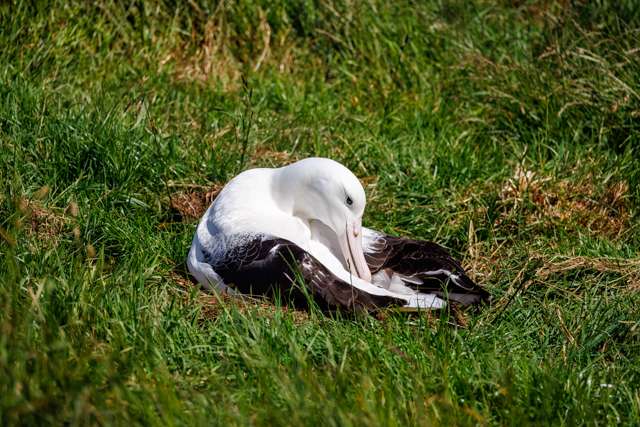
The Cornell Lab of Ornithology's Bird Cams is a prime example of this technology in action. While the Lab is based in Ithaca, New York, their network of cameras spans the globe. A U.S. birder can watch a live stream of Northern Royal Albatross in New Zealand, observing their courtship rituals and the raising of their chicks from thousands of miles away. They can tune in to a feeder cam in Panama, where a dazzling array of tropical birds like Red-legged Honeycreepers and various hummingbirds come to feed. This isn't just passive entertainment; it's a living, breathing natural history documentary that changes with every moment.
Smart bird feeders, like the popular Bird Buddy, take this concept even further. These feeders have built-in cameras that capture photos and videos of visiting birds, identify them using AI, and send notifications directly to a user's smartphone. For a U.S. resident, this means they can get real-time updates and high-quality images of birds visiting their backyard, and through community features, they can see what birds are visiting feeders in different states or even different countries. The experience becomes a shared one, with a birder in California able to see a photo of a European Robin sent by a friend in England.
The Knowledge Revolution: AI and Apps
The modern smartphone has become an indispensable tool for birders, turning a pocket-sized device into a powerful field guide and a gateway to a global community. The development of artificial intelligence (AI) has been a game-changer for bird identification and remote learning.
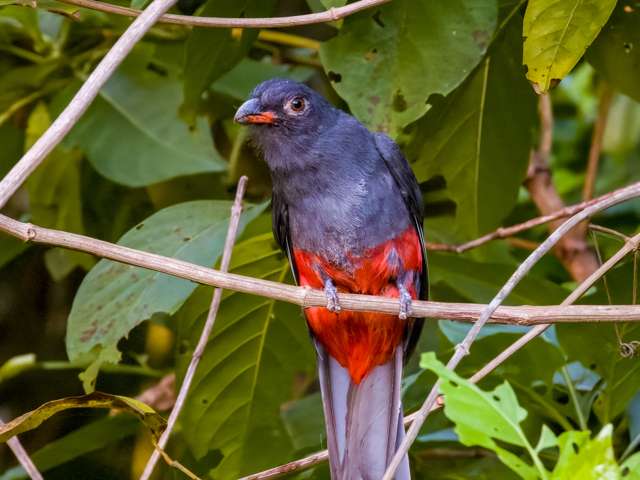
Merlin Bird ID, created by the Cornell Lab, is a revolutionary app that uses AI to identify birds. A birder can take a photo of a bird and the app will provide a list of possible matches. More impressively, the app's Sound ID feature can listen to the ambient sounds in an environment and provide real-time suggestions for which birds are singing or calling. For a U.S. birder, this means they can download a pack of birds from, say, Costa Rica, and use the app to identify the calls of a Keel-billed Toucan or a Slaty-tailed Trogon, even if they're just listening to a recording or a live stream. This technology breaks down the language barrier of birdsong, making foreign species accessible to new birders.
eBird, a platform from the Cornell Lab and the National Audubon Society, has completely digitized the practice of birding. Users worldwide can log their sightings, creating a massive, real-time database of avian life. For a birder in Arizona planning a trip to Brazil, they can use eBird to see which species have been recently sighted in a specific national park, where the hotspots are, and even what time of day a particular species is most active. The platform's global reach means that a person in the U.S. can contribute to a scientific database with a sighting of a Ruby-crowned Kinglet in their backyard and, in turn, use that same database to plan a trip to see a Resplendent Quetzal in the Cloud Forests of Central America.
The Power of Data: Citizen Science and Conservation
Beyond individual enjoyment, modern technology has a profound impact on global bird conservation. The data collected by millions of citizen scientists is now a critical resource for researchers and conservationists.
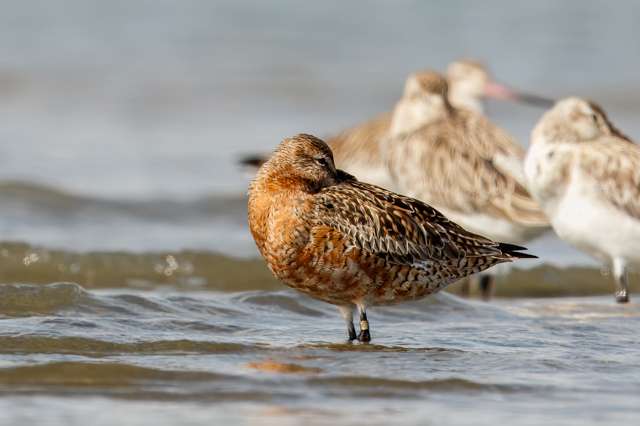
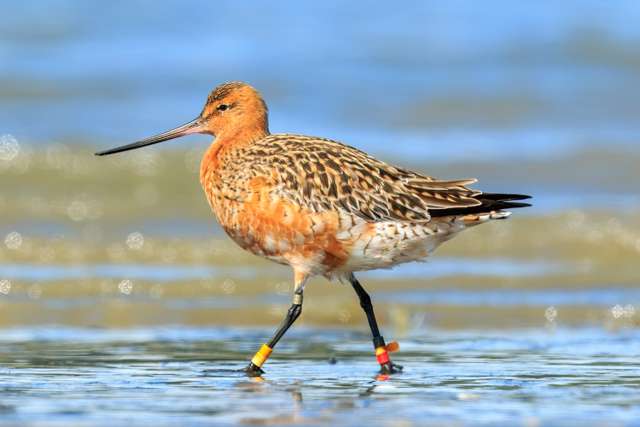
Satellite tracking and geolocators have allowed scientists to follow the migratory routes of birds with unprecedented detail. For example, a U.S. birder can follow the journey of a Bar-tailed Godwit that was tagged in Alaska as it makes its non-stop flight to New Zealand. Websites and interactive maps display this data, turning a migratory journey into a narrative that everyone can follow. This information is vital for identifying critical stopover sites and flyways that need to be protected.
The vast datasets from platforms like eBird are used by scientists to understand the effects of climate change, habitat loss, and other threats on bird populations. An U.S. birder's observation of a species that is arriving earlier than usual in their state could be part of a larger global pattern that helps scientists understand how birds are responding to a warming planet. The technology empowers the individual to be a part of a global scientific effort.
Wrapping Up
In conclusion, modern technology has democratized birding, turning it from an exclusive pursuit into a globally accessible passion. For a birder in the United States, the world is no longer confined to the birds of their backyard. A quick tap on a smartphone can reveal the nesting habits of a Peregrine Falcon in a distant land, a live stream can show the stunning colors of a Toucan, and a citizen science app can connect their small observation to a massive, global effort to protect the world's birds. Technology is not replacing the magic of the physical world; rather, it is enhancing it, bringing the wonder of birds from the other side of the globe right to our fingertips.
Read our guide to the best birding gifts.
