
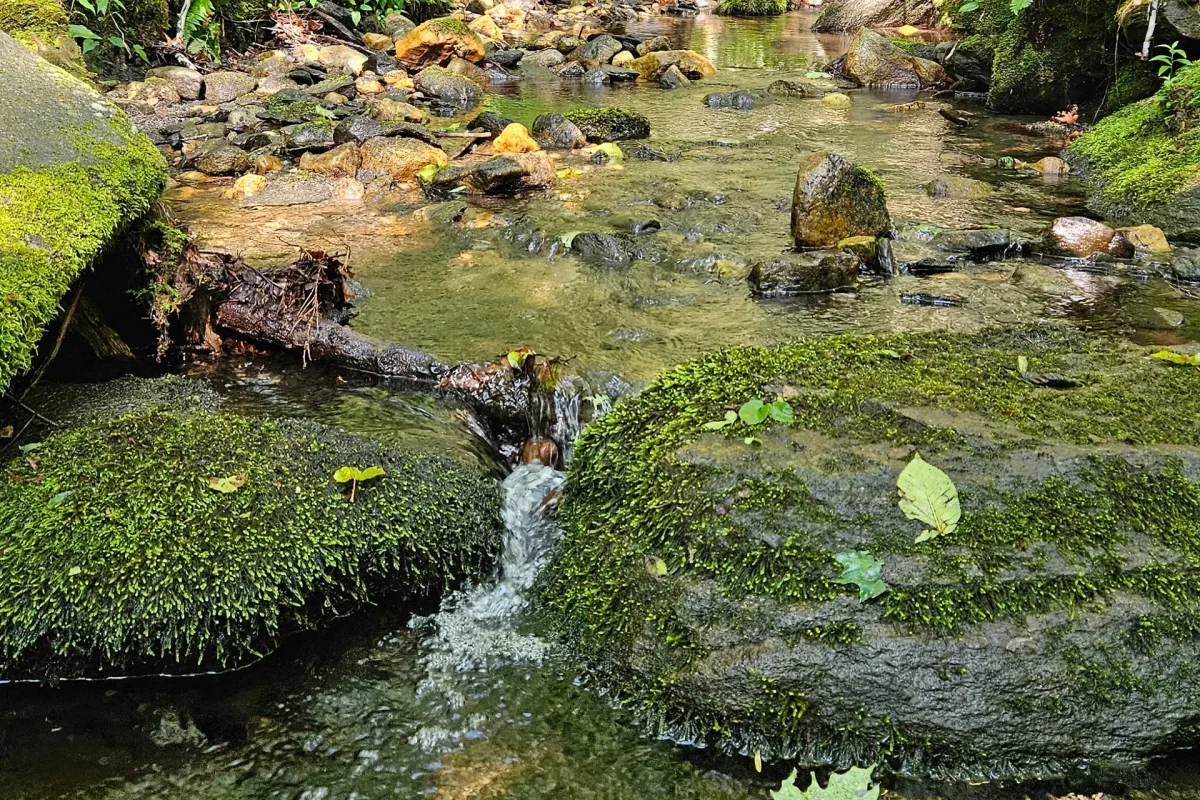
In the steep, rocky terrain of Western Massachusetts, a vital conservation effort has drawn to a close, ensuring the permanent protection of a significant tract of resilient forestland. The Stone Mountain Project, a successful collaboration between Mass Audubon, the Franklin Land Trust, New England Forestry Foundation, and MassWildlife, has permanently safeguarded 470 acres spanning the towns of Colrain and Heath.
This project goes beyond simply preserving open space; it secures a critical piece of the regional natural infrastructure, buffering large protected areas, preserving vital water resources, and, crucially, maintaining high-quality habitat for some of the state’s most sensitive wildlife, including a variety of forest-dwelling birds.
The Heart of the Forest: Habitat for Birds and Wildlife

The 470 protected acres are a mosaic of diverse and valuable habitats—from steep rock ledges and undisturbed ravines to rich mesic forest. This complex landscape is functionally essential for biodiversity and is a key component of the broader Berkshire Wildlife Linkage, which connects forest ecosystems across state lines.
Protecting Forest Songbirds
The primary beneficiaries of this large, contiguous forest protection are the many species of migratory songbirds that rely on extensive, unfragmented woodlands for breeding. Species found in such interior forests of Western Massachusetts include:
Wood Thrush: Known for its flutelike, ethereal song, the Wood Thrush is a species of concern whose populations are declining due to habitat fragmentation.
Black-throated Blue Warbler: This striking songbird requires a dense shrub layer found within mature forest to successfully nest and forage.
Ovenbird: This unique warbler builds a dome-shaped nest directly on the forest floor, making it especially vulnerable to disturbance in fragmented areas.
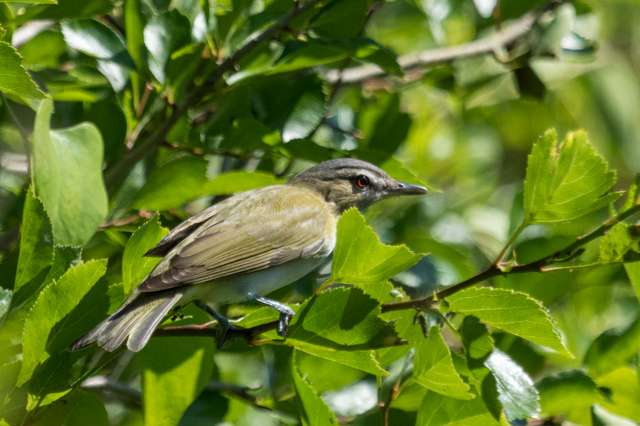
Red-eyed Vireo: One of the most common forest birds, this species thrives in the mature canopy that Stone Mountain preserves.
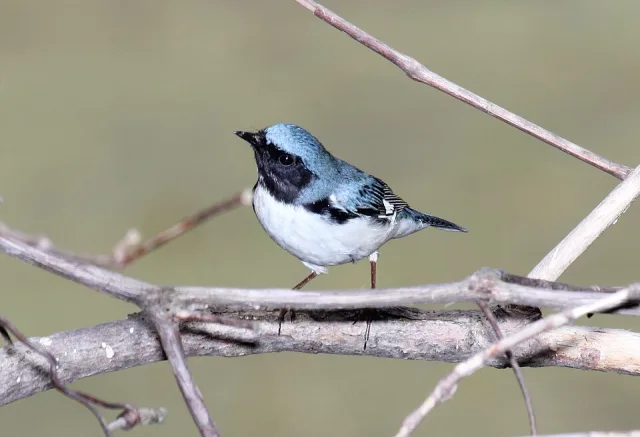
By preventing the parcel from being developed or heavily fragmented, the project ensures that these birds have the secure, unbroken forest canopy and understory they need to raise their young.
A Resilient Wildlife Corridor
The Stone Mountain property directly abuts Mass Audubon’s West Branch Wildlife Sanctuary, creating a combined, unbroken block of nearly 800 protected acres. This significant connection functions as a vital wildlife corridor, allowing wider-ranging species—such as black bears, bobcats, and moose—to move safely through the landscape, adapt to climate shifts, and maintain healthy populations.
Water, Wetlands, and Climate Resilience

Beyond the upland forests, the conservation of Stone Mountain is essential for protecting precious water resources.
Cold-Water Streams: The land encompasses seepy wetlands and feeder streams that maintain the cool water temperatures necessary to support native fish like brook trout as they flow into the West Branch of the North River.
Vernal Pools: The property contains vital vernal pools—temporary, seasonal wetlands that are critical breeding sites for amphibians such as spotted salamanders and wood frogs. Protecting the surrounding forest ensures these amphibians have a safe, undisturbed upland environment for the rest of the year.
This type of intact, large-scale forest is also a major component of climate change resilience. Healthy forests absorb and store vast amounts of carbon, helping to mitigate the causes of climate change, while their size and ecological integrity allow plants and animals to shift their ranges over time as conditions change.
The Power of Partnership and Swift Action
The successful completion of the Stone Mountain Project was a race against time, as the land was at risk of immediate development or unsustainable timbering. Mass Audubon was able to act swiftly by utilizing its 30x30 Catalyst Fund, a resource specifically designed to acquire ecologically significant, threatened lands quickly, supporting the state’s ambitious goal of protecting 30% of its land by 2030.
This effort involved the collaboration of multiple conservation groups, reflecting a unified commitment to safeguarding the Commonwealth’s natural heritage. While Mass Audubon currently holds the land, the long-term plan is to transfer ownership to the state's Division of Fisheries and Wildlife (MassWildlife) to be managed for wildlife preservation and public benefit.
The Stone Mountain Project is a powerful example of how dedicated partnership and timely funding can secure landscapes that are fundamentally important to the health of our water, the resilience of our environment, and the survival of species like the Wood Thrush and the Black-throated Blue Warbler.
