
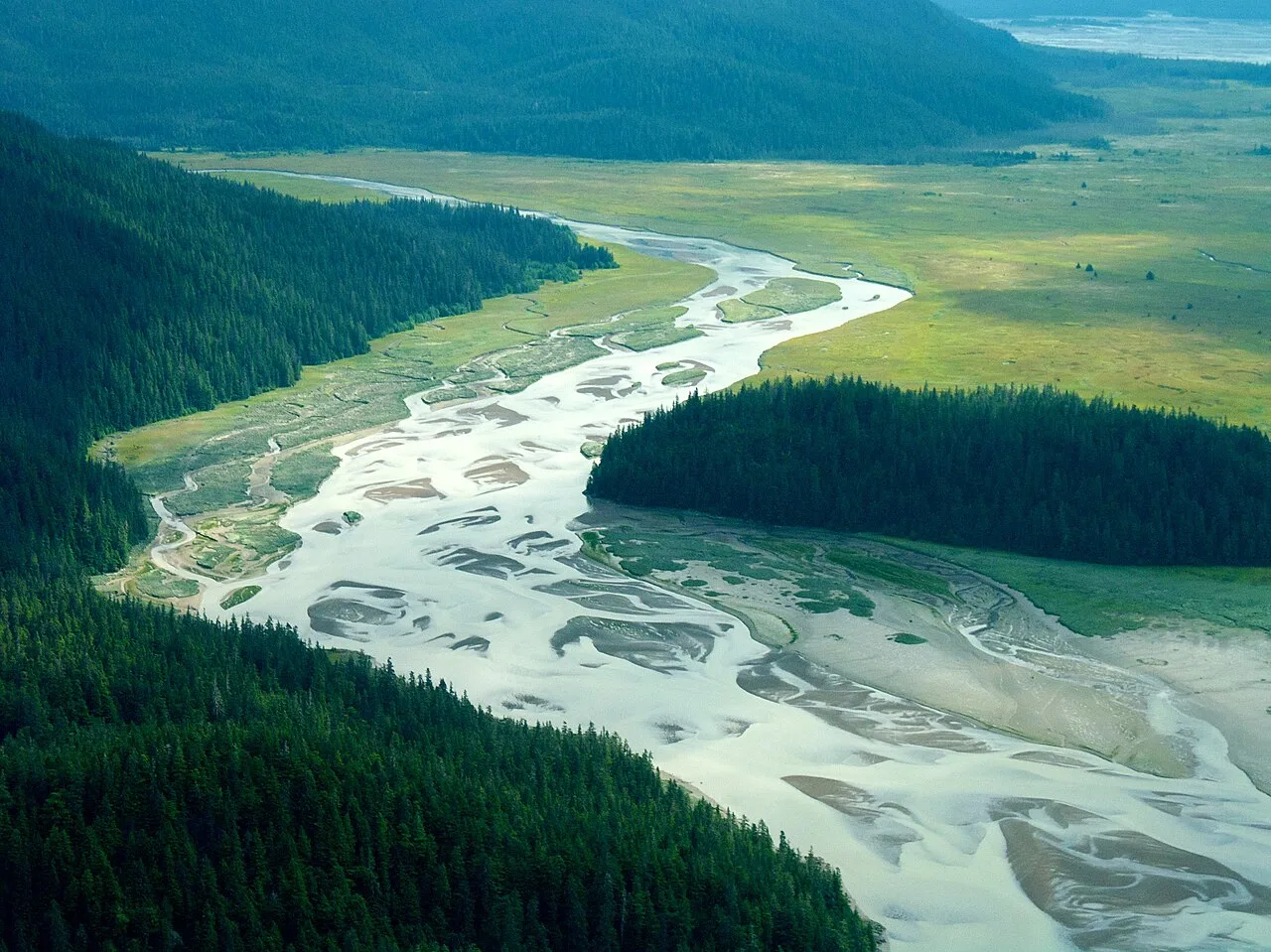
The Stikine River Delta, located in the Southeast Panhandle of Alaska near the town of Petersburg, is a vast, dynamic, and ecologically crucial landscape. As one of the largest and most ecologically intact river deltas on the entire Pacific Coast of North America, it represents a confluence of geological forces, immense water volume, and biological productivity. This immense estuarine environment, where the mighty Stikine River empties into the waters of Sumner Strait and Frederick Sound, is not only stunningly beautiful but serves as an absolutely vital stopover point for millions of migratory birds and a critical spawning and nursery ground for marine life.
Geological Power and the Braided River
The Stikine River is one of the few major rivers on the continent that punches straight through the Coast Mountains, draining an enormous watershed that stretches deep into British Columbia, Canada. This journey gives the river its immense power and its load of fine glacial sediment, or glacial flour.
The formation of the delta is a direct result of this massive sediment transport. Unlike a typical single-channel river mouth, the Stikine Delta is a classic braided river system. As the river’s gradient flattens upon reaching the coast, its velocity slows, forcing it to drop its massive load of silt and sand. This process creates a wide, shallow expanse of continually shifting channels, sandbars, mudflats, and low-lying islands—a complex maze of land and water that changes with every major flood and tide cycle.
The delta’s vast mudflats are exposed dramatically during low tide, sometimes stretching for miles. These intertidal zones are defined by a high concentration of silt and clay which, mixed with decaying organic matter, creates a nutrient-rich substrate. This rich environment forms the base of the delta’s incredible food web.
Avian Crossroads: The Migratory Phenomenon
The ecological significance of the Stikine River Delta peaks during the spring and fall migrations, when it functions as an essential "refueling station" on the Pacific Flyway. For migratory birds traveling between their northern breeding grounds and southern wintering areas, the delta offers an unparalleled abundance of food.
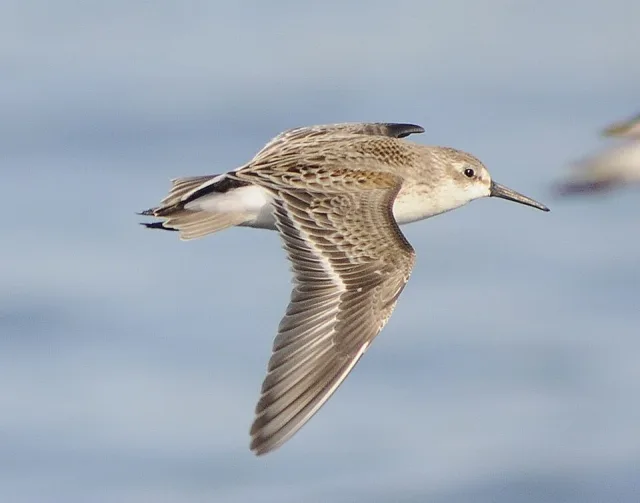
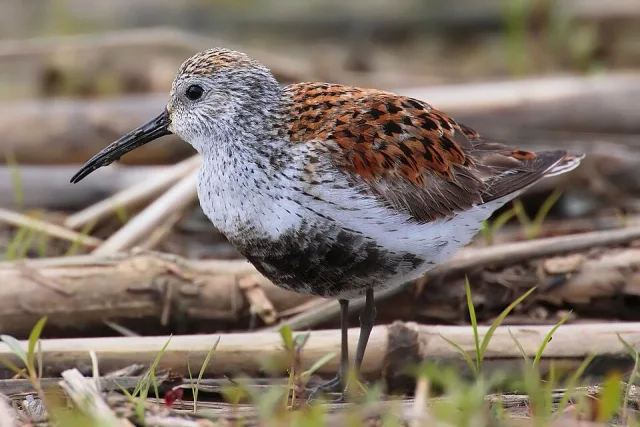
The most famous visitor is the Western Sandpiper (Calidris mauri). Every spring, typically in late April and early May, millions of Western Sandpipers, along with hundreds of thousands of Dunlin (Calidris alpina), descend upon the mudflats. These flocks are so dense that they darken the sky, creating spectacular, swirling formations known as murmurations.
The primary reason for this massive stopover is the ephemeral but dense presence of a tiny marine snail known as the Blue Mud Shrimp (Corophium spp.) and other invertebrates living just beneath the mud's surface. The sandpipers rely on these energy-rich creatures to rapidly build up the fat reserves necessary to complete their northward flight to the Arctic. The timing of their arrival is finely tuned to the peak availability of this prey.
The delta also supports a wide range of other migratory species, including:
Waterfowl: Tundra Swans, Canada Geese, and various dabbling ducks.
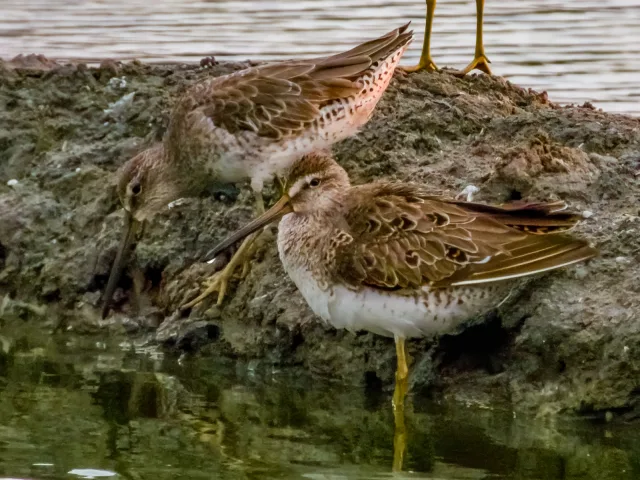
Shorebirds: Greater and Lesser Yellowlegs, Semipalmated Plovers, and various dowitchers.
Raptors: Hundreds of Bald Eagles congregate in the surrounding trees, drawn by the abundance of prey, including spawning fish and the occasional vulnerable waterfowl.
Salmon and Marine Productivity: The Nursery
Beyond the birds, the Stikine River Delta is the engine for marine productivity in the adjacent Frederick Sound and Sumner Strait. The freshwater input and the nutrient-rich runoff from the vast watershed provide essential habitat for all five species of Pacific Salmon—Chinook, Coho, Sockeye, Pink, and Chum.
The river and its tributaries are crucial for spawning, but the delta and the nearby estuarine waters act as a vital nursery for juvenile salmon. They spend their early lives acclimating to salt water and feeding in the protected, food-rich environment before heading out to the open ocean.
The health of the delta ecosystem directly impacts the commercial and subsistence fishing economies of the region. The annual herring spawn in the waters near the delta is another massive event, attracting Humpback Whales, Sea Lions, and countless seabirds that capitalize on the sudden abundance of eggs and fish.
Threats and Conservation
The Stikine River Delta, though largely undeveloped, faces environmental pressures common to remote, resource-rich regions. The primary threats are related to resource extraction and water management:
Mining and Forestry: The upper reaches of the Stikine watershed in Canada are subject to mining and forestry operations. Changes in water quality, increased sediment runoff, or potential contaminants from these activities could pose a long-term threat to the delicate delta ecosystem.
Climate Change: Changes in glacier melt rates and sea-level rise could alter the river's flow dynamics and inundate low-lying mudflats, potentially disrupting the critical habitat relied upon by millions of migratory birds.
Recognizing its unparalleled value, the Stikine River Delta is carefully managed by the Tongass National Forest and its partners. Local stewardship, scientific research, and international cooperation between the United States and Canada are essential to maintain the integrity of this spectacular, productive, and truly wild wetland wonder of the North.
Arkansas – Delta Birding & the Search for the Ivory-Billed Woodpecker Legend
