
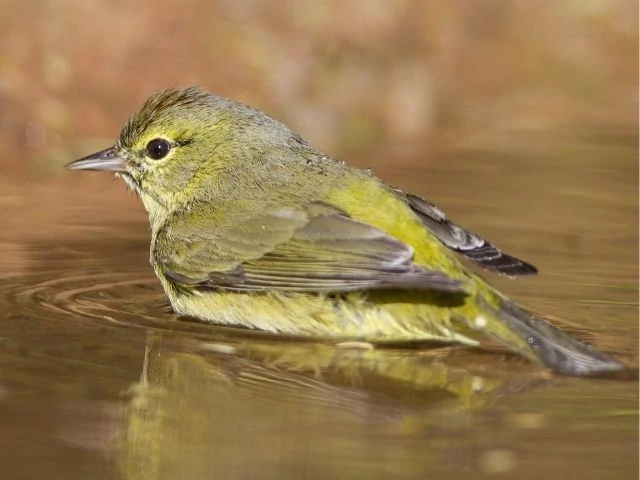
For North American birders, Christmas doesn’t happen in December. It happens in May. It is the month of the "Great Green Wave," when billions of songbirds—many weighing no more than a few paperclips—embark on a perilous journey from Central and South America to their breeding grounds in the United States and Canada.
Among these travelers, the warblers are the undisputed stars. These "butterflies of the bird world" are celebrated for their electric colors, high-pitched songs, and frantic energy. But because migration is dictated by weather, food availability, and geography, the timing of their arrival varies wildly depending on where you live.
The Science of the "Green Wave"

Migration isn't just a random flight; it is a synchronized dance with the "green-up" of the continent. Warblers are insectivores. They follow the emerging hatches of caterpillars and midges that appear as trees leaf out.
In the US, these birds primarily travel along four major "highways": the Atlantic, Mississippi, Central, and Pacific Flyways. While the Pacific Flyway sees its own set of western specialists (like the Townsend’s Warbler), the most dramatic diversity is often found in the eastern half of the country, where dozens of species funnel through the Gulf Coast.
Regional Arrival Timeline
Based on historical data from eBird and the Cornell Lab of Ornithology, here is when you can expect the peak "warbler neck" (the localized term for the strain of looking straight up into the canopy) to hit your region.
The Deep South (Late March – Early April)

States like Texas, Louisiana, and Florida are the "landing strips." After a grueling flight across the Gulf of Mexico, birds often "fall out" in coastal woodlots to rest.
Early Arrivals: Black-and-white Warblers and Northern Parulas.
What to Look For: Prothonotary Warblers glowing like gold in southern swamps.
The Mid-Atlantic and Ohio Valley (Mid-April – Early May)

As the leaf-out moves north, the diversity explodes. This is when the "interior" states like Virginia, Kentucky, and Missouri see a massive influx.
Early Arrivals: Yellow-rumped Warblers (the "butter-butts") are often the first sign of spring.
The Peak: The first week of May usually brings the heavy hitters like the Hooded Warbler and the Ovenbird.
The Northeast and Upper Midwest (Mid-May – Late May)
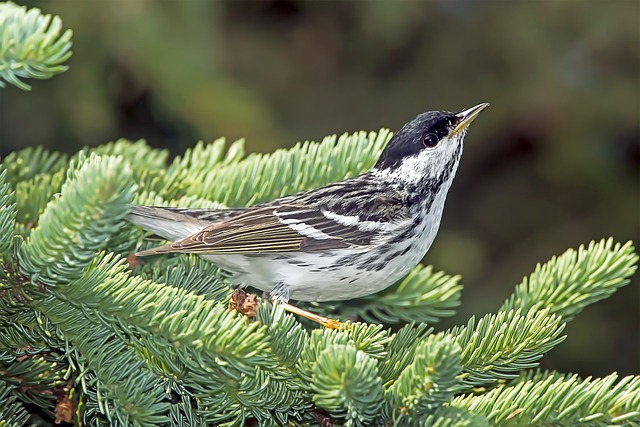
This is the heart of warbler season for states like New York, Michigan, and Massachusetts.
The "Main Event": Around Mother’s Day, the woods become saturated with Blackpoll, Blackburnian, and Magnolia Warblers.
What to Look For: The "Bay-breasted Warbler" is a classic late-May migrant in the northern woods.
The West Coast and Rockies (April – May)
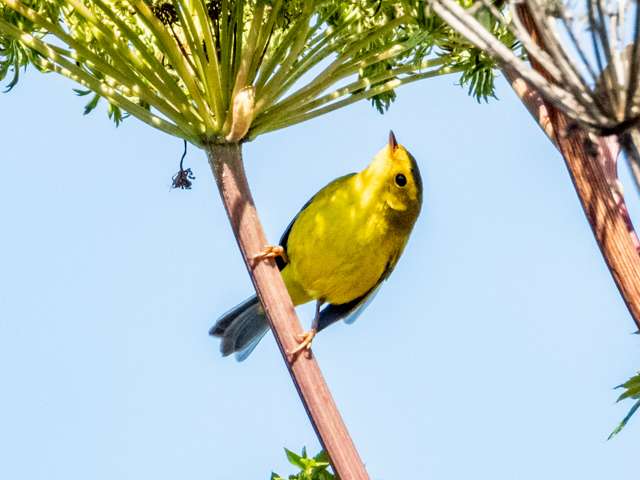
Western migration is often more staggered due to varying elevations.
Early Arrivals: Orange-crowned and Wilson's Warblers.
The Peak: May brings the stunning Western Tanager (though not a warbler, it migrates on a similar schedule) and the Yellow Warbler to riparian corridors.
3 Key Factors That Influence the Map
While the calendar provides a guide, two variables can change everything in a matter of hours:
Low-Pressure Systems: If a strong cold front moves south against the migrating birds, they will often "stack up" in huge numbers, waiting for a tailwind. This leads to a "fallout," where a single park can hold hundreds of birds.
The "BirdCast" Tool: Modern birders use weather radar to track migration in real-time. On heavy migration nights, you can actually see the "clouds" of birds taking off on regional radar maps.
Light Pollution: In 2026, many US cities have adopted "Lights Out" programs. Because warblers migrate at night using the stars, bright city lights can disorient them. Check your local forecasts to see if "high migration" alerts have been issued for your zip code.
How to Prepare Your Backyard

You don't have to go to a national forest to see these gems. To turn your yard into a migration pitstop:
Water is King: Warblers aren't big seed-eaters, but they love water. A birdbath with a "dripper" or a small fountain is the best way to attract them. The sound of moving water is a beacon for a thirsty traveler.
Native Trees: If you want warblers, plant native. Oaks, maples, and birches host the specific caterpillars these birds need to refuel for the next leg of their journey.
Keep Cats Indoors: Migration is the most dangerous time in a bird's life. Predation by domestic cats is a leading cause of mortality for tired migrants.
The "Must-See" Warbler Checklist for 2026
If you are heading out with your binoculars this spring, keep an eye out for these three iconic species:
Blackburnian Warbler: Look for the "fire-throat." Their orange throats are so bright they seem to glow even on overcast days.
Cerulean Warbler: A sky-blue beauty that prefers the very tops of the tallest deciduous trees. A true prize for any birder.
American Redstart: Often called the "Christmas Bird" in Latin America because of its red and black plumage, these birds are highly active, constantly "fanning" their tails to flush out insects.
Spring migration is a fleeting window—a reminder of the incredible endurance of the natural world. Whether you're in the cypress swamps of the South or the pine forests of the North, the map is moving. Grab your binoculars, keep your ears open for those high-pitched "tsips," and welcome the travelers home.
