
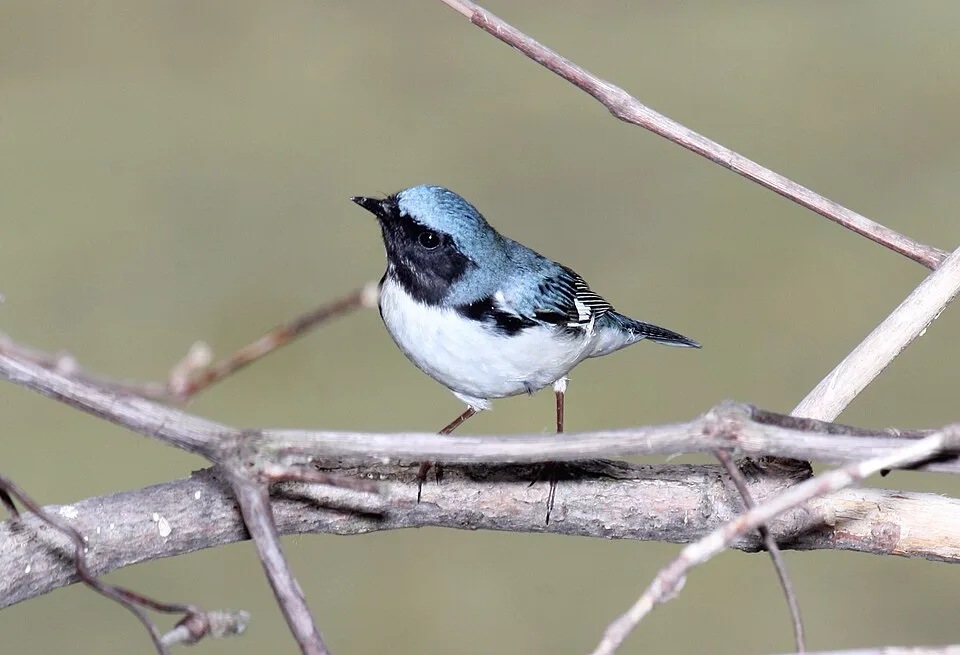
As the winter chill recedes and the American landscape transforms into a vibrant tapestry of greens and wildflowers, a grand spectacle begins to unfold. Spring migration is in full swing, and there is no better place to witness this annual miracle than within the protected borders of the National Park System. Whether you are a seasoned "lifer" seeker or a casual observer with a pair of dusty binoculars, the coming weeks offer a fleeting window to see rare and colorful species in their prime.
From the subtropical marshes of the South to the rugged coasts of the Pacific Northwest, here are the top national parks offering stunning bird-watching moments right now.
1. Everglades National Park, Florida
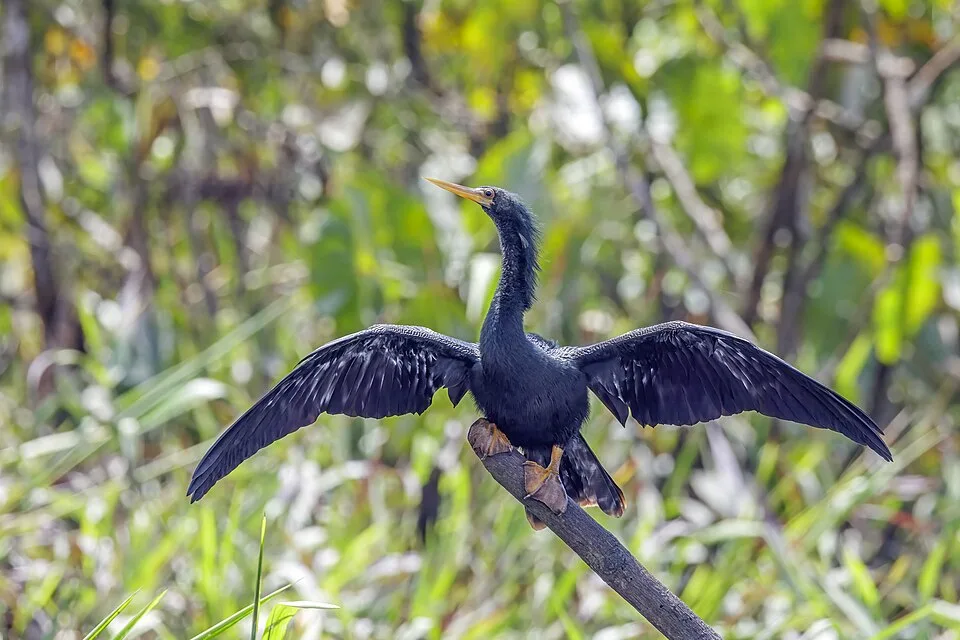
While much of the country is just starting to thaw, the Everglades is already a bustling metropolis of avian activity. Right now, the "River of Grass" serves as a critical stopover for migratory songbirds returning from South and Central America.
Resident wading birds are currently in their peak nesting plumage. The Anhinga Trail remains a premier spot, offering incredibly close encounters with Double-crested Cormorants and the park’s namesake Anhingas as they dry their wings in the sun. Keep your eyes peeled for the Roseate Spoonbill; their brilliant pink feathers are particularly vivid this time of year against the deep green of the mangroves.
Top 5
Anhinga: Often seen on the Anhinga Trail drying their wings in the sun.
Double-crested Cormorant: Frequently encountered alongside Anhingas in the park's marshes.
Snail Kite: A rare, specialized raptor that can be spotted near the Shark Valley entrance.
Roseate Spoonbill: Notable for their brilliant pink feathers, which are especially vivid this time of year.
Great Egret: One of the many resident wading birds currently displaying peak nesting plumage.
2. Big Bend National Park, Texas
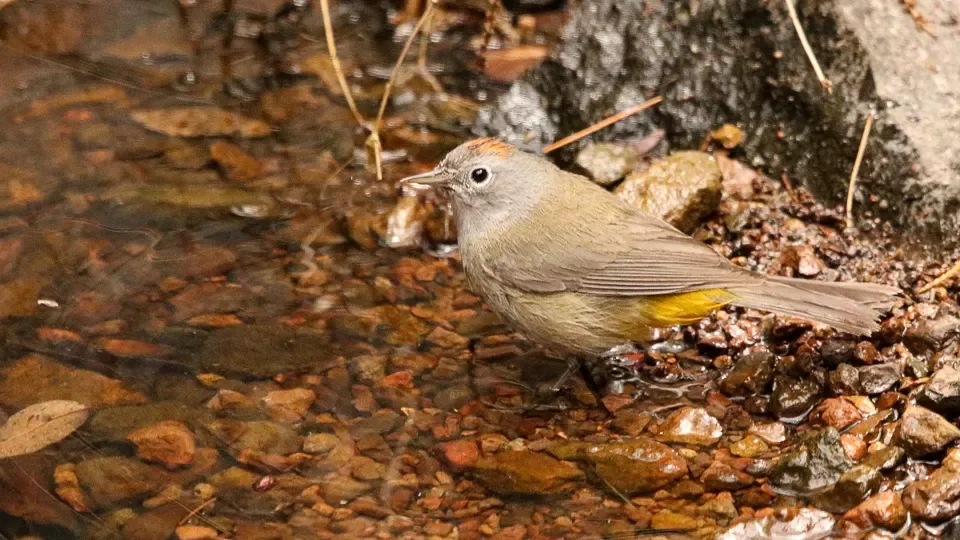
Nestled in the "big bend" of the Rio Grande, this park is a legendary crossroads for bird species. Because of its unique geography, you can find eastern and western species overlapping, along with Mexican specialties that rarely venture further north.
Right now is the prime time to spot the Colima Warbler. This park is the only place in the entire United States where this bird nests. Hikers on the Laguna Meadow Trail are often rewarded with its trilling song and subtle gray-and-yellow plumage. It is a true "pilgrimage bird" for North American enthusiasts.
Top 5
Colima Warbler: The "star" of the park; this is the only location in the U.S. where they nest.
Painted Bunting: Known for their spectacular multi-colored plumage.
Vermilion Flycatcher: Often seen perched in open areas displaying their bright red feathers.
Elf Owl: One of the smaller owl species that can be found in the park's unique desert and mountain habitats.
Lucifer Hummingbird: Another regional specialty that attracts birders to the desert scrub during the spring.
3. Acadia National Park, Maine

On the rugged Atlantic coast, Acadia is currently waking up to the sounds of returning warblers. The park’s diverse habitats—ranging from subalpine barrens to dense spruce-fir forests—attract a staggering variety of species.
Late spring is particularly famous for the "warbler wave," where dozens of species like the Blackburnian and Black-throated Blue Warbler flit through the budding hardwoods. For those looking for something larger, the Peregrine Falcons are active on the cliffs of the Precipice Trail. You can often see them performing high-speed aerial displays as they defend their nesting sites.
Top 5
Blackburnian Warbler: Part of the famous "warbler wave" currently moving through the hardwoods.
Black-throated Blue Warbler: A frequent sight in the budding forests during late spring.
Peregrine Falcon: Active on the cliffs of Precipice Trail, performing high-speed aerial displays.
Common Eider: These large sea ducks can be seen bobbing along the rugged Atlantic coast.
Magnolia Warbler: Another colorful member of the migratory wave currently inhabiting the spruce-fir forests.
4. Olympic National Park, Washington
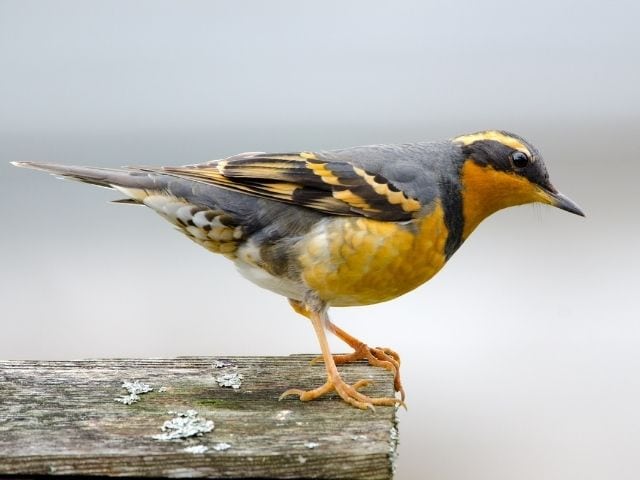
From the misty coastline to the temperate rainforests, Olympic offers a dramatic backdrop for spring birding. Right now, the coastal areas are teeming with Tufted Puffins returning to their nesting colonies on offshore rocks. Their comical appearance and bright orange beaks make them a favorite for photographers.
Meanwhile, deep in the Hoh Rainforest, the moss-draped trees echo with the haunting, flute-like call of the Varied Thrush. It is a sensory experience unlike any other, where the damp earth and ancient trees feel like a prehistoric sanctuary for the winged residents.
Top 5
Tufted Puffin: Currently returning to their nesting colonies on offshore coastal rocks.
Varied Thrush: Known for their haunting, flute-like calls echoing through the Hoh Rainforest.
Ruffled Grouse: Often heard (and sometimes seen) performing their drumming displays on the forest floor.
Black Oystercatcher: A distinctive shorebird with a bright orange beak found along the rocky mist-covered coastline.
American Dipper: Found along the park's fast-moving mountain streams, bobbing on rocks before diving for food.
5. Cuyahoga Valley National Park, Ohio
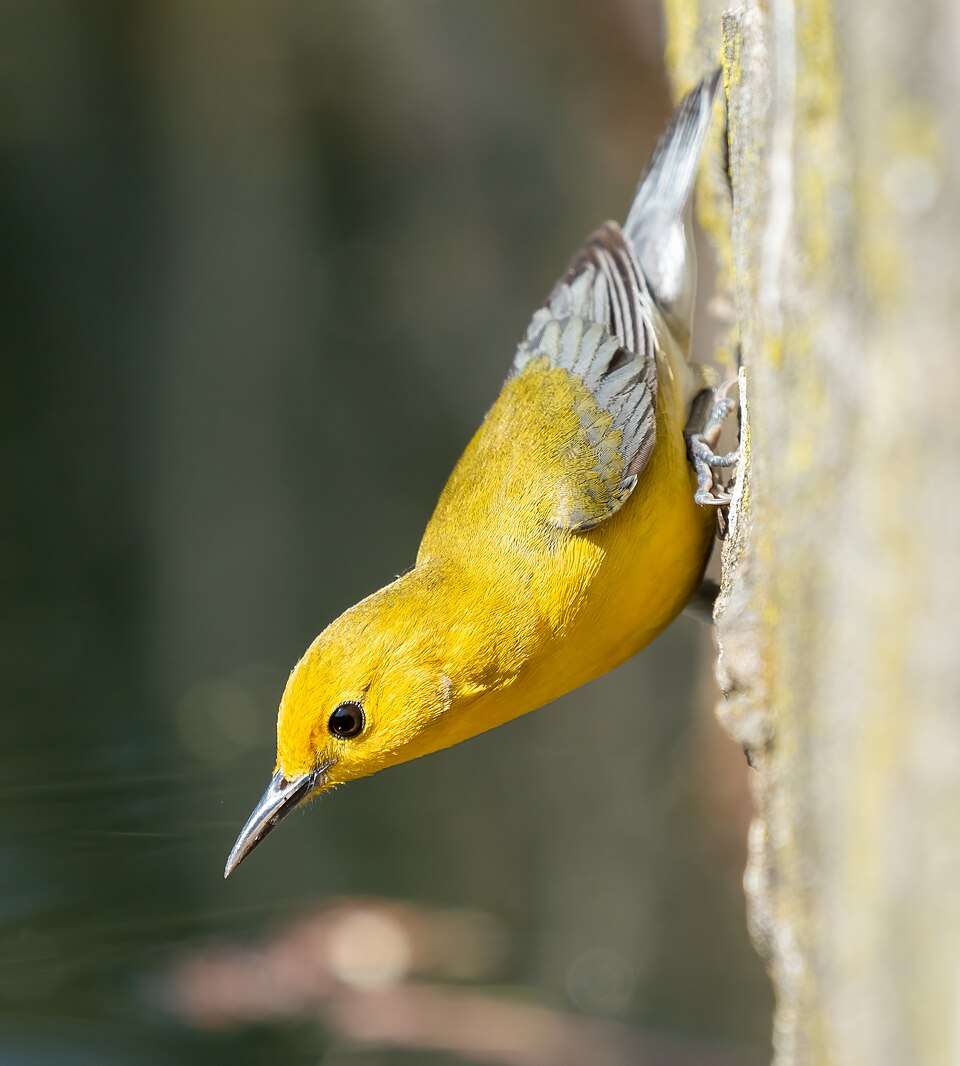
Often overlooked compared to the giants of the West, Cuyahoga Valley is a hidden gem for birders in the Midwest. The Beaver Marsh, once a salvage yard, has been restored into a thriving wetland that is currently a magnet for migrating waterfowl and shorebirds.
In the early morning hours, the Great Blue Heron rookeries are a hive of activity. You can see parents tending to nests high in the sycamore trees, a noisy and fascinating display of communal nesting. The boardwalks throughout the park provide an accessible way to get eye-level with Prothonotary Warblers, often called "swamp candles" for their brilliant yellow glow.
Top 5
Great Blue Heron: Highly active in the park’s rookeries, especially in the early morning.
Prothonotary Warbler: Often called "swamp candles" due to their brilliant yellow glow in the wetlands.
Wood Duck: These colorful waterfowl are a common sight in the Beaver Marsh during spring migration.
Baltimore Oriole: Returning to the valley with vibrant orange plumage and distinctive songs.
Green Heron: A smaller, stealthy heron often seen stalking prey along the edges of the marsh boardwalks.
6. Point Reyes National Seashore, California
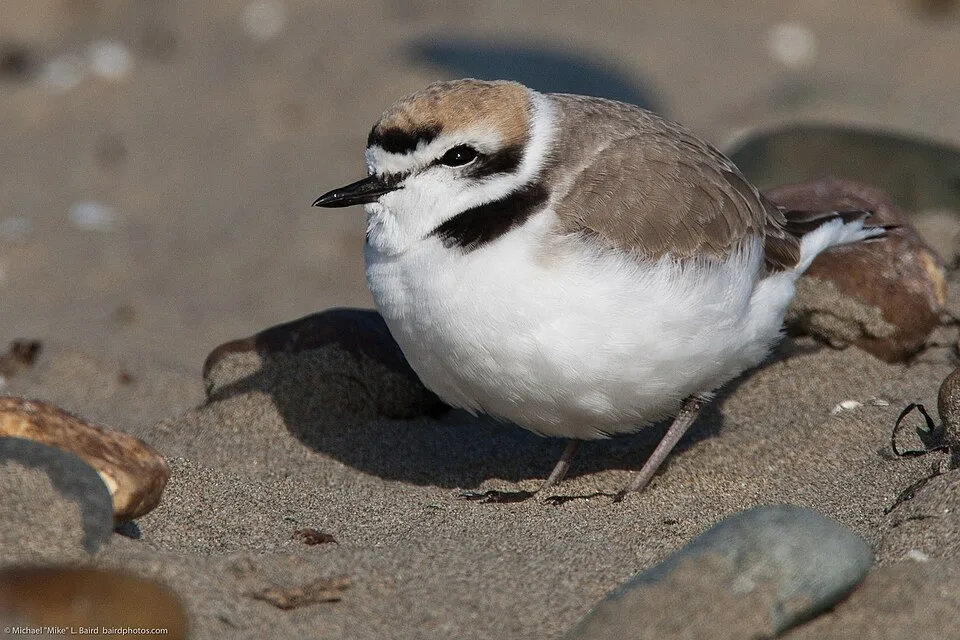
While technically a National Seashore, this NPS unit is a heavy hitter for birding. Located along the Pacific Flyway, Point Reyes sees an incredible influx of migrants right now. The Chimney Rock area is a hotspot for spotting nesting seabirds and the occasional rare vagrant blown off course by spring storms. It is also one of the best places to see the Snowy Plover, a small, threatened shorebird that nests in the sandy dunes.
Top 5
Snowy Plover: A small, threatened shorebird that can be found nesting in the sandy dunes of the seashore.
Tufted Puffin: Occasionally spotted near the cliffs and offshore rocks as they begin their nesting season.
Common Murre: These seabirds gather in large, noisy colonies on the rugged cliffs, particularly near the lighthouse.
Peregrine Falcon: Often seen patrolling the coastal bluffs, taking advantage of the high concentration of migratory birds.
Wilson’s Warbler: A bright yellow migrant that can be found flitting through the coastal scrub and willow thickets.
Final Thoughts
The beauty of bird-watching in our National Parks is that it requires nothing more than patience and a sense of wonder. These birds travel thousands of miles—navigating by the stars and the Earth's magnetic field—to reach these specific habitats. Their arrival is a reminder of the interconnectedness of our ecosystems and the vital importance of land conservation.
So, grab your field guide, pack some binoculars, and head to your nearest park. The spring migration show is about to begin, and you have a front-row seat.
