
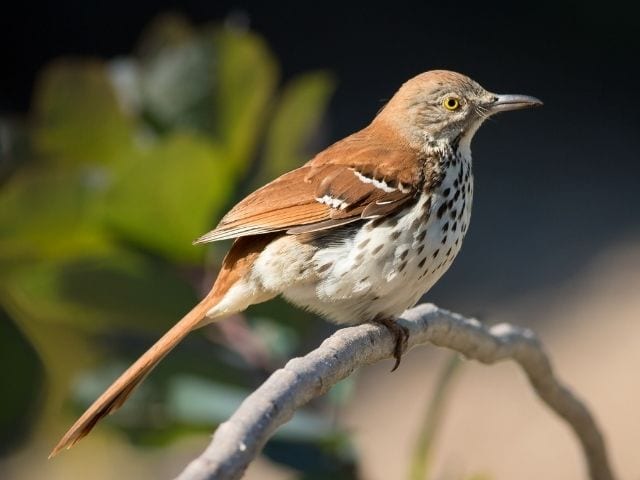
There is a specific kind of magic that happens in the American backyard during the first few weeks of April. One morning, the air is still biting and the trees are skeletal; the next, you step onto the porch and hear a buzzy, rhythmic tsee-tsee-tsee or the clear, flute-like whistle of a Meadowlark.
Spring migration is officially underway across the United States. While the "main event"—that colorful tidal wave of warblers and orioles—usually peaks in mid-May, the early bird arrivals of March and April are the true heralds of the season. These hardy travelers are the vanguard, risking the last gasps of winter to claim the best nesting territories and the first flush of spring insects
Whether you are a seasoned birder with a high-end spotting scope or a casual observer with a coffee mug and a window seat, here is what you need to know about the feathered pioneers arriving in your neighborhood right now.
The Hardy Vanguard: Who’s Arriving Now?
The birds arriving in early April aren't usually the tiny, tropical "neotropical" migrants coming from South America. Instead, these are often short-distance migrants—birds that spent the winter in the Southern U.S. or Mexico and are the first to push north as soon as the ice thaws.
1. The Eastern Phoebe

If you see a small, grayish-brown bird sitting on a low branch, wagging its tail rhythmically up and down, you’ve found an Eastern Phoebe. They are often the first insect-eating songbirds to return to the Northeast and Midwest. Because they rely on flying insects, their arrival is a biological "all clear" signal that the ecosystem is waking up.
2. Red-winged Blackbirds
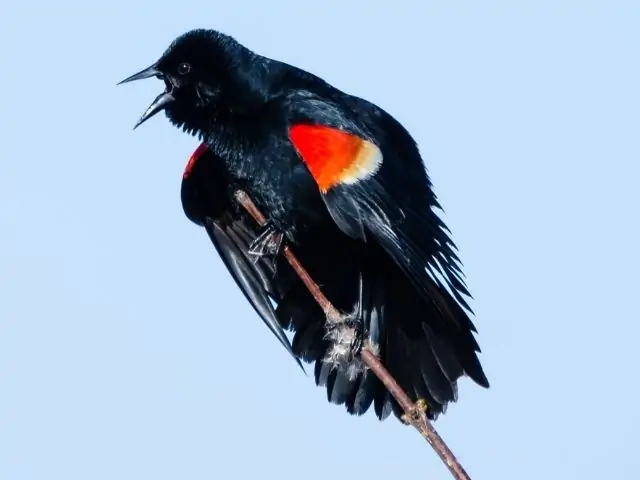
In marshes and roadside ditches across the country, the 'kon-ka-ree!' call of the male Red-winged Blackbird is the quintessential sound of early spring. These males arrive weeks before the females, puffing out their vibrant red-and-yellow shoulder patches (epaulets) to defend their turf.
3. Ruby-throated Hummingbirds

For those in the South and Midwest, the wait is over. Reports from early April 2026 show that the first Ruby-throated Hummingbirds have already crossed the Gulf of Mexico and are moving into Illinois, Indiana, and Ohio. These tiny dynamos, weighing less than a nickel, have just completed a non-stop flight over open water—a feat of endurance that puts most human athletes to shame.
4. Tree Swallows
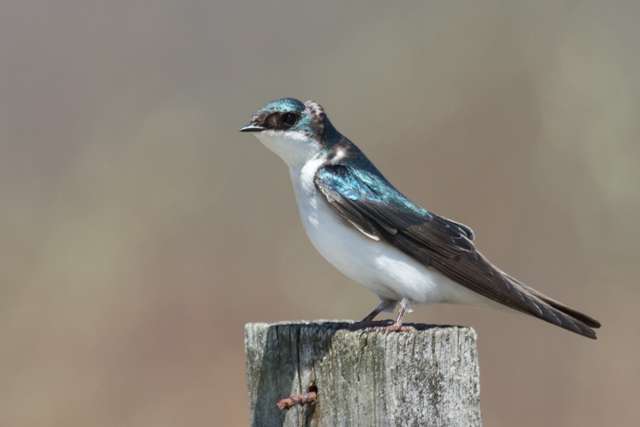
Look for flashes of iridescent blue-green over ponds and lakes. Tree Swallows are among the earliest aerial insectivores to return. They are remarkably hardy; if a sudden cold snap hits, they can survive for a few days by switching their diet to bayberries, a trick most other swallows can't manage.
A Changing Calendar
While the return of these birds is a cause for celebration, scientists are watching this year’s migration with a cautious eye. We are increasingly seeing a phenomenon known as phenological mismatch.
Because of a warming climate, "spring green-up"—the moment when leaves bud and insects hatch—is happening earlier and earlier. However, many birds rely on the length of the day (photoperiod) to know when to migrate, a trigger that doesn't change with the temperature.
The Risk: If the insects hatch and peak on April 1st, but the birds don't arrive until April 15th, they miss the "all-you-can-eat" buffet needed to raise healthy chicks.
In 2026, many species are arriving up to 20 days earlier than they did 50 years ago. While this shows an incredible ability to adapt, it also puts birds at risk of "false springs"—those deceptive warm weeks followed by a sudden, lethal frost.
How to Prepare Your Backyard Pit Stop
Migrating birds are essentially flying marathons on empty stomachs. Your backyard can serve as a vital "refueling station" during their long journey. Here is how to help the early arrivals:
Clean Your Feeders: If you haven’t cleaned your bird feeders since winter, do it now. A simple solution of one part bleach to nine parts water will prevent the spread of diseases like Salmonella or House Finch eye disease.
Put Out the Nectar: For those in the heart of the country, it’s time to hang the hummingbird feeders. Use a simple recipe: 4 parts water to 1 part white granulated sugar. Skip the red dye; it’s unnecessary and can be harmful.
Leave the Leaves: Many early migrants, like the Hermit Thrush and American Woodcock, forage for insects in leaf litter. By leaving a few patches of old leaves in your garden beds, you’re providing a high-protein snack bar for tired travelers.
Provide Clean Water: A birdbath with fresh water is often more attractive than a feeder. If you can add a "dripper" or a small fountain, the sound of moving water will act like a neon sign for migrating flocks.
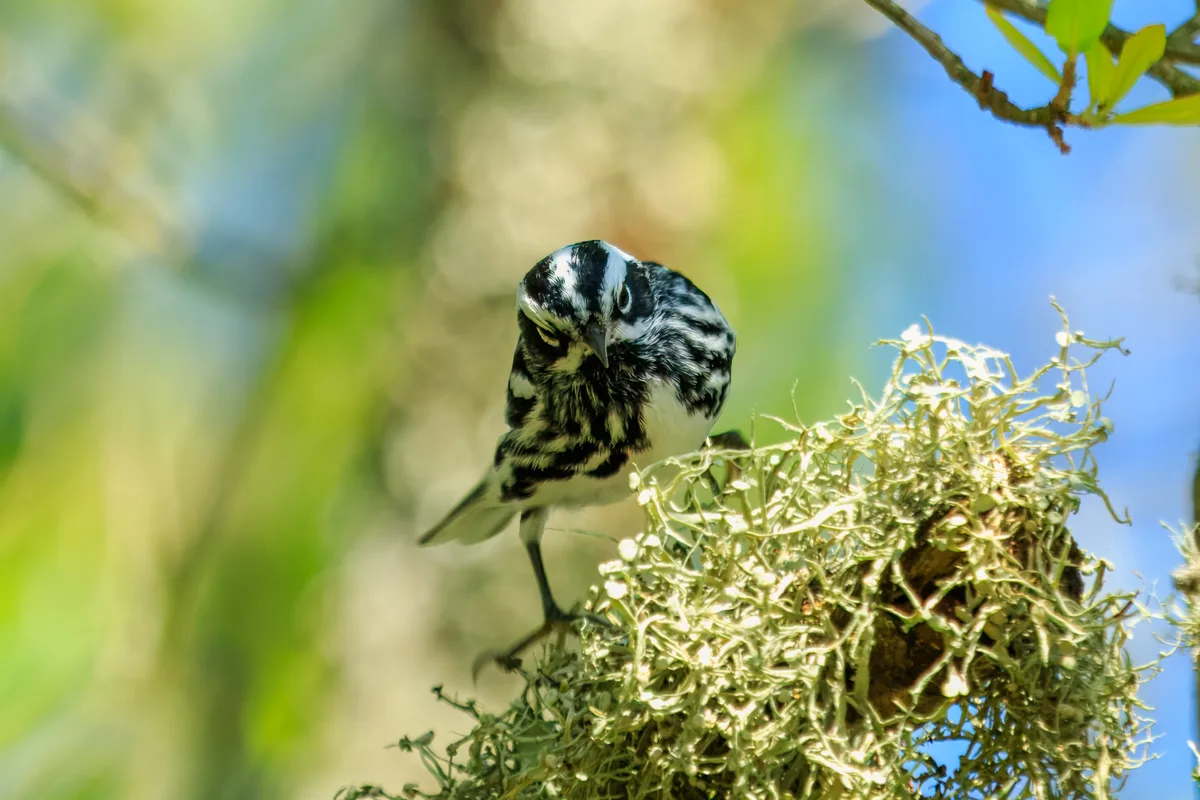
Joining the Search: Citizen Science
You don't need a degree in ornithology to contribute to bird conservation. This year’s World Migratory Bird Day theme is "Every Bird Counts," emphasizing that backyard observations are crucial for tracking how bird populations are shifting.
Tools like eBird and Journey North allow you to log your first sightings. When you report that first Hummingbird or Phoebe, you are providing real-time data that helps scientists map the health of our environment.
Regional Quick-Guide for Mid-April:
| Region | Look and Listen For |
| Northeast | Northern Flickers, Yellow-bellied Sapsuckers, Hermit Thrushes |
| Midwest | Blue-gray Gnatcatchers, Brown Thrashers, Eastern Towhees |
| South | Prothonotary Warblers, Great Crested Flycatchers, Painted Buntings |
| West | Cinnamon Teal, Bullock’s Orioles, Violet-green Swallows |
The Bottom Line

The return of the birds is more than just a change in the scenery; it’s a heartbeat check for the planet. As you watch a Yellow-rumped Warbler (affectionately known as a "Butterbutt") flit through your budding oak trees this week, take a moment to appreciate the thousands of miles it has traveled just to be in your yard.
Spring is a second chance for the natural world—and for us, it’s an invitation to look up, listen closely, and marvel at the tiny, feathered miracles returning home.
Happy Spring Birding!
