

For many birders, the chase for rare and colorful species involves long drives to remote national forests or coastal migration traps. Yet, some of the most dramatic and surprising bird sightings happen right in the middle of America's concrete jungles. City parks are not just green spaces; they are vital urban oases—ecological islands surrounded by inhospitable development that act as lifelines for migrating birds.
When exhausted, storm-blown, or disoriented travelers cross vast expanses of human infrastructure, these green patches offer the first and often only reliable source of food, water, and shelter. This "magnification effect" concentrates birds, including highly sought-after vagrants blown far off course, turning central city parks into world-class birding destinations, particularly during the peak of spring and fall migration.
Here are five of the best city parks in America for spotting rare birds, detailing why they are so effective at drawing in the unusual and the extraordinary.
1. Central Park, New York City, New York
Central Park is arguably the most famous urban birding location in the world, renowned for its sheer volume of migrants and its consistent ability to pull in spectacular vagrants.

Why It Works
The park's effectiveness is a perfect example of the "urban oasis" phenomenon. Located directly under the Atlantic Flyway, the park’s 843 acres are the first major patch of reliable habitat that many trans-Atlantic and coastal migrants encounter after flying over the metropolitan area or the ocean.
- The Ramble: This section of the park, covering 38 acres of hilly woodland and dense shrubbery near the lake, is the undisputed epicenter of birding. Its thick understory and diverse tree canopy provide perfect cover for timid warblers, vireos, and tanagers.
- The Warbler Wave: In mid-May, Central Park experiences the famed "warbler wave," where dozens of species arrive, often exhausted, making them easier to spot at eye level. Rare species such as the Kirtland's Warbler (extremely rare) and vagrants from the west, like the Townsend's Warbler or Western Tanager, are occasionally documented here, turning routine birding into a high-stakes twitch.
Notable Rarities
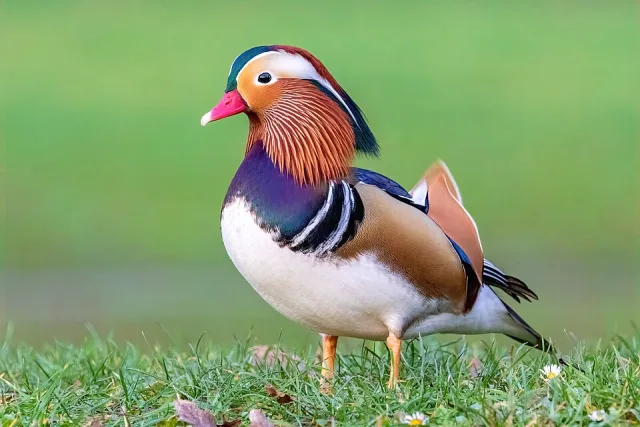
The park has famously hosted major rarities, including the Great Gray Owl, the Lazuli Bunting, and the unforgettable Mandarin Duck that drew worldwide attention in 2018.
2. Point Loma, San Diego, California
While technically a national monument, the densely developed area around the Cabrillo National Monument in San Diego features small patches of habitat that operate like a major city park, making it a crucial magnet for western vagrants.

Why It Works
Point Loma juts out into the Pacific Ocean, acting as a coastal dead end for birds migrating along the Pacific Flyway or, more importantly, for those vagrants that have been blown across the continent from the East. Birds flying west often hit the ocean and turn north, seeking the peninsula's scrub and trees.
- The Scrub Habitat: The park's mix of coastal scrub, cypress, and eucalyptus provides necessary shelter. Due to its unique location, Point Loma is the best place in the U.S. to see rare Mexican and Central American species that wander north.
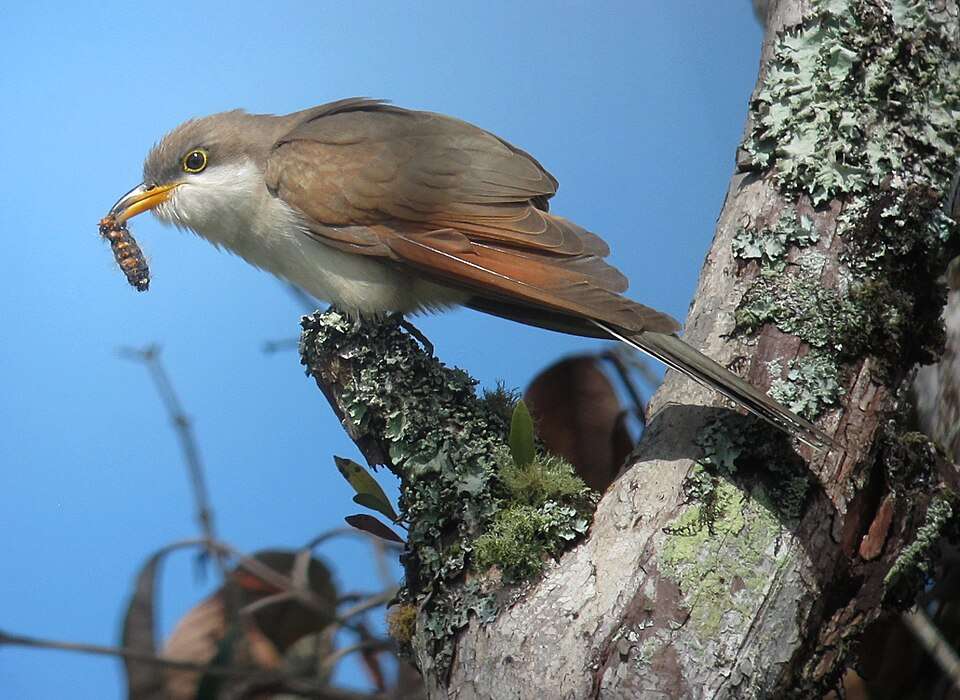
- Vagrancy Magnet: Any warbler or vireo that should be in the eastern U.S. but finds itself in Southern California is likely to be spotted here. Birders flock here every fall hoping for a rare Yellow-throated Vireo, Bay-breasted Warbler, or even an ultra-rare Yellow-billed Cuckoo. The birding season here is especially productive from mid-September through November.

Yellow-billed Cuckoos
3. Washington Park, Chicago, Illinois
Located on Chicago's South Side, adjacent to the University of Chicago and the Midway Plaisance, Washington Park is a crucial stopover on the massive Mississippi Flyway.
Why It Works
While many migrants follow the Lake Michigan shoreline, Washington Park offers a large, accessible interior green space (nearly 372 acres) rich with trees, lagoons, and diverse plantings—a welcome respite amidst the dense, urban grid.
- Midwest Magnet: Chicago is a major choke point for birds migrating between the Gulf Coast and the Canadian Boreal forests. Washington Park, along with nearby Jackson Park, serves as an essential staging area.
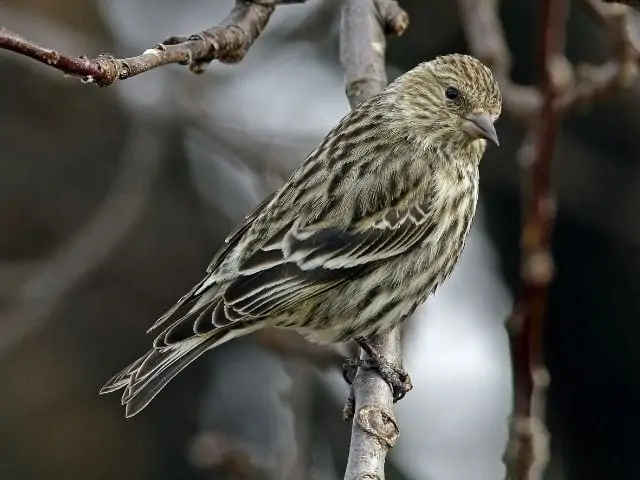
- Boreal Visitors: In the spring (May) and fall (October), it is a reliable location for seeing dozens of species of wood-warblers, flycatchers, and thrushes. It’s particularly noted for attracting boreal irruptive species in winter, such as Pine Siskins, Crossbills, and sometimes even Northern Goshawks, pushed south by lack of food in the North Woods.

4. Golden Gate Park, San Francisco, California
Spanning over 1,000 acres from the eastern city neighborhoods to the Pacific Ocean, Golden Gate Park provides an expansive, linear habitat island that intercepts both coastal and land-based migrants.

Why It Works
The park's sheer size and its unique microclimates—ranging from native oak woodland to exotic plantings and open meadows—sustain a remarkable density of life. The fog and cool coastal temperatures often force migrating birds to drop down and feed, making them visible at lower levels.
- The Chain of Lakes: The park's lakes and connecting waterways, including the Stow Lake area, are key to attracting waterbirds and provide critical drinking and bathing sites for passerines.
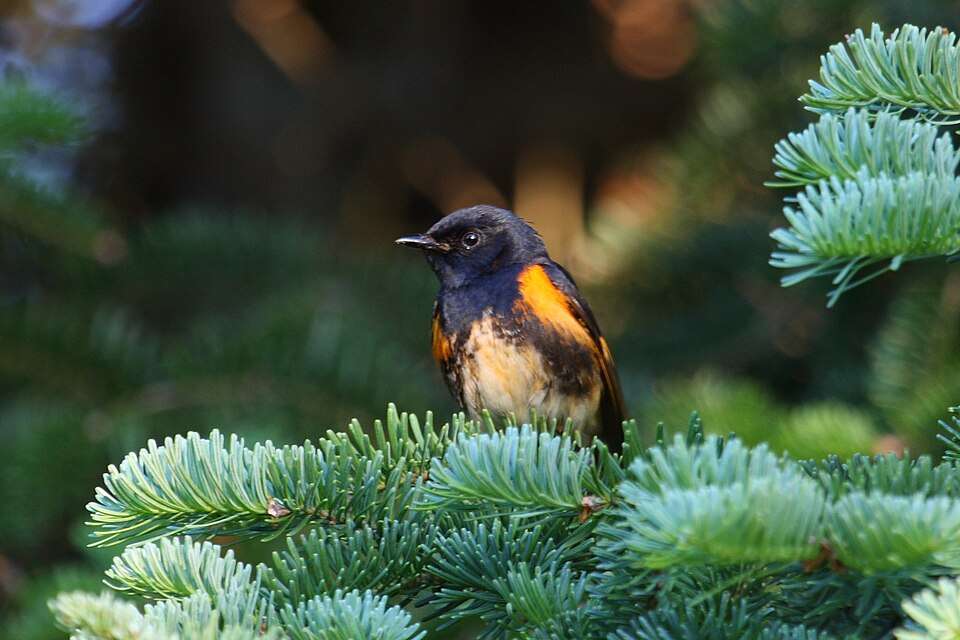
- Coastal Rarity Trap: Its proximity to the Pacific makes it an excellent location for spotting rare pelagic species (birds that live primarily at sea) that get blown inland. More typically, it functions as a magnet for inland rarities, such as unexpected appearances of Eastern Warblers (e.g., Black-and-white Warbler or American Redstart—common in the East but rare in California) that have flown over the mountains.
5. Zilker Park & the Barton Creek Greenbelt, Austin, Texas
While Zilker is a popular recreation area, its connection to the adjacent Barton Creek Greenbelt makes this Austin location a powerful birding complex that exploits two major flyways.
Why It Works
Austin sits on the boundary where the Eastern (Mississippi) and Western (Central) Flyways overlap. Birds from both halves of the continent pass through or near the city, leading to a high chance of spotting species typical of both the East and West.
- The Greenbelt Effect: The contiguous riparian habitat along the Greenbelt provides a sheltered corridor for migrating species like Painted Buntings, Yellow-billed Cuckoos, and various migratory sparrows that are less keen on crossing open fields.
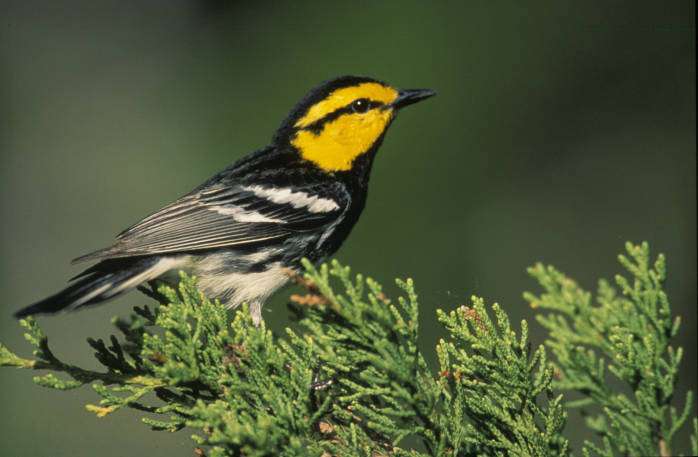
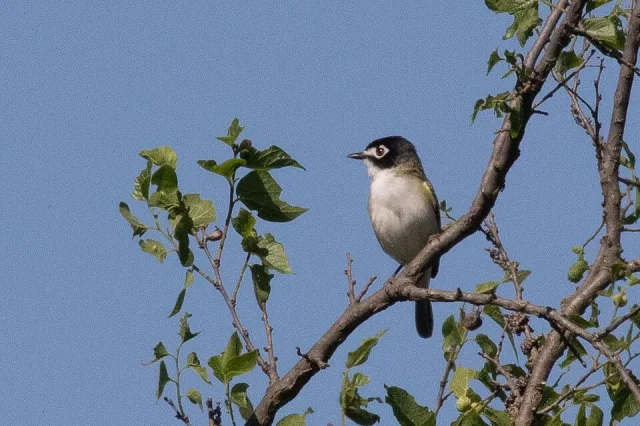
- Hill Country Specialists: The area is a reliable spot for key Texas specialties, including the endangered Golden-cheeked Warbler (which nests in the Texas Hill Country) and the elusive Black-capped Vireo. Zilker's role is particularly important in late March and April as an initial stopover point for birds arriving from Central America.
Urban Birding Etiquette: The Rules of the Oasis
The concentration of birds—and birders—in these urban parks necessitates extra care. The goal is always to prioritize the bird's welfare over a tick on a list.
- Respect the Space: Keep ample distance from birds. Do not use playback (audio recordings) excessively, as it stresses already exhausted migrants and causes unnecessary energy expenditure.
- Stay on Trails: Many rarities seek refuge in the dense, protected undergrowth of these parks. Do not trample vegetation to get a better view or photo.
- Report Ethically: Use platforms like eBird to report rare sightings accurately, but be mindful of posting precise locations that might encourage undue pressure on a vulnerable bird.
These urban oases prove that you don't need a safari to witness nature's most spectacular migrations. With just a pair of binoculars and a subway token, you can stand in the middle of a concrete jungle and watch the wild, miraculous drama of migration unfold.
