
The summer of 2025 in Southern California presented a classic blend of the predictable and the spectacular for the region’s dedicated birding community. From the coastal fog of the marine layer to the sweltering heat of the interior deserts, the season was marked by two overarching environmental themes: a persistent return to drought conditions and the annual onset of southbound migration, which this year brought a remarkable influx of rare, pelagic, and eastern vagrants.
While spring migration was noted by many observers to be initially slow, the summer delivered on its promise of high avian diversity, albeit often concentrated around precious, dwindling water sources. The regional report reveals a story of species resilience against environmental stress, punctuated by some truly extraordinary first records and long-staying rarities.
The Environmental Context: A Summer of Scarcity
Following a winter that saw below-average precipitation across most of Southern California, the summer months solidified a trend toward drought conditions. This dryness profoundly influenced bird distribution and survival.
- Water Concentration: Bird activity intensified dramatically around remaining permanent water features. Inland oases and ponds, such as the Piute Ponds on Edwards AFB and Quail Lake, became crucial stopover and refueling points. For birders, this meant concentrated viewing opportunities, making these locations highly productive for detecting unusual species.
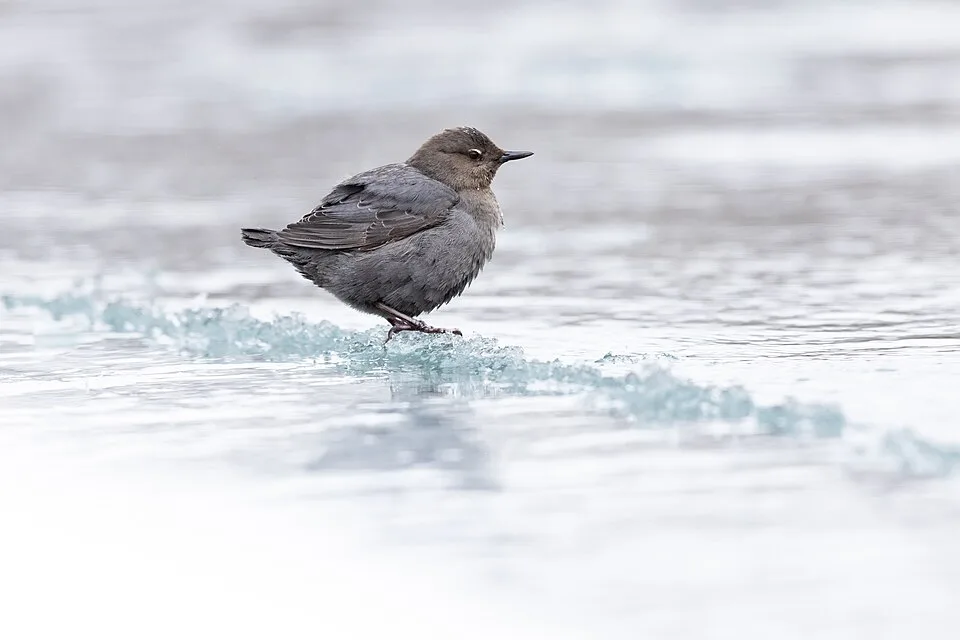
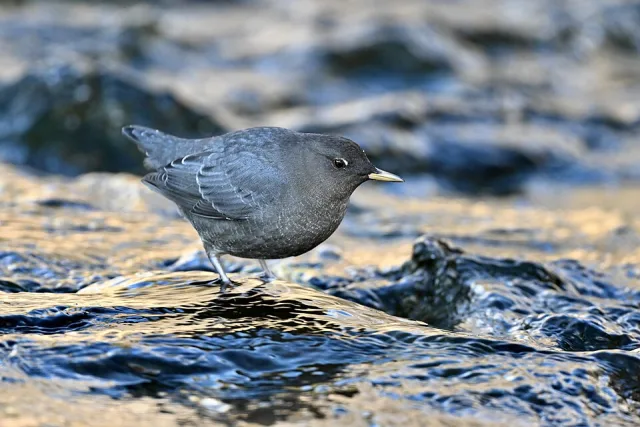
- Mountain Access and Fire Impact: The impact of recent wildfires remains a persistent issue. While the Bridge Fire closure in the east San Gabriel Mountains was lifted ahead of schedule, sections of the Angeles Crest Highway remain closed, limiting access to some higher-elevation habitats. Observations, however, confirmed that resident species like the American Dipper are showing signs of a minor comeback near Buckhorn Campground, with confirmed breeding—a hopeful sign of ecosystem recovery in fire-impacted watersheds.
- The Coastal Fog: The lingering marine layer over the coastal slope provided a milder environment near the ocean, offering a temporary reprieve from the desert heat but contributing to lower-than-average numbers of migrants passing through the coastal areas in August and September.
Oceanic Outliers: A Pelagic Paradise
The offshore waters of Southern California experienced a remarkable season for pelagic species, suggesting favorable oceanographic conditions, or perhaps displacement due to shifting currents.
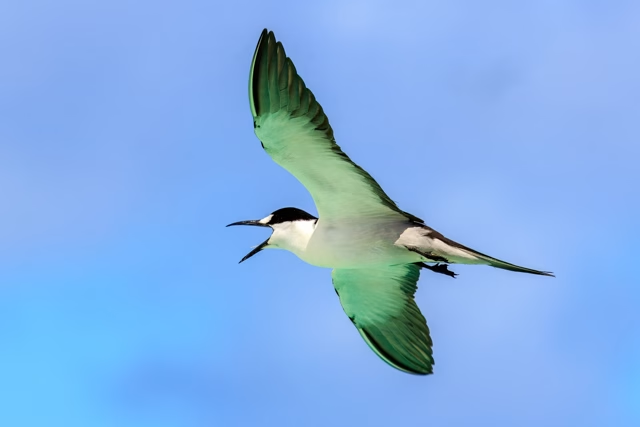
- First County Records: The most electrifying sighting of the summer was a Sooty Tern at Dockweiler State Beach in El Segundo (Los Angeles County) on July 22, establishing the first documented record for the county. This sighting was closely linked to a similar bird found in Orange County the day prior, highlighting the dynamic movement of these tropical seabirds.
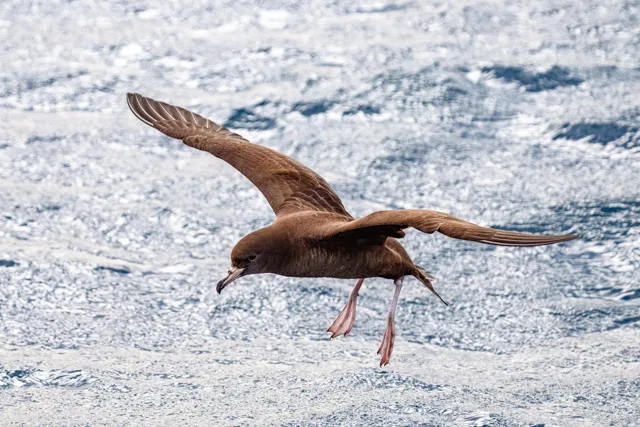
- Deepwater Highlights: Pelagic trips yielded several notable species normally found far offshore. Rare sightings included two Red-billed Tropicbirds south of San Clemente Island, and a Flesh-footed Shearwater and a Red-footed Booby spotted in the Santa Catalina Channel in September. The continuation of high-interest sightings from the spring, such as Cook's Petrels and Craveri's Murrelets south of San Clemente Island, underscore an exceptional period for offshore birding.
- Inland Seabirds: In a peculiar twist, a Common Loon—a species rarely seen inland in summer—was observed at Quail Lake in early August, and a rare inland Least Tern was spotted at the Piute Ponds, reminding birders that unexpected waterbirds can turn up anywhere a significant body of water remains.

Vagrant Gold: Eastern and Southern Strays
Summer vagrancy, the appearance of birds far outside their expected range, was a major theme this season, particularly for species originating in the East and South.
- The Swallow-tailed Kite Saga: The spectacular Swallow-tailed Kite that first appeared near San Pedro in June remained a crowd favorite, obliging hundreds of observers over a two-and-a-half-month period, a remarkable duration for such a wayward raptor. Its continued presence provided one of the longest sustained opportunities to view this stunning species in the region.
- Passerine Rarities: While overall passerine migration was sometimes deemed "lackluster," the quality of the vagrants was high:
- Rose-breasted Grosbeaks and Indigo Buntings, typically Eastern breeders, were reported from numerous locations, including Bonelli Regional Park and Whittier Narrows, suggesting a noticeable overshoot migration.
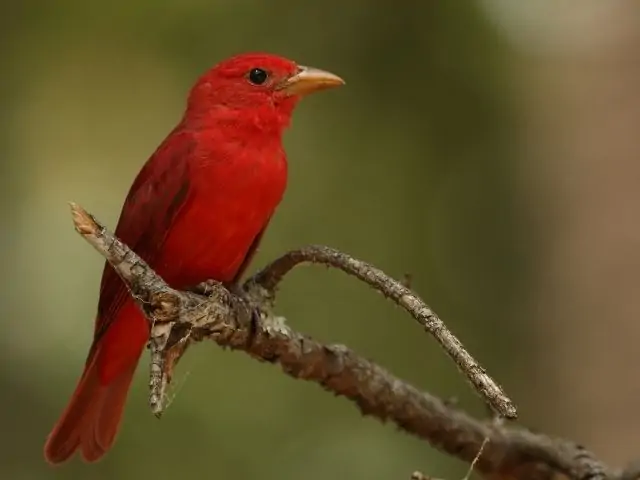
- Summer Tanagers were also documented in multiple locations, including Kenneth Hahn SRA and Murphy Ranch Park, extending their presence well into the fall migration period.
- Desert Doves and Hummingbirds: The persistence of Inca Doves in Lake Los Angeles and unexpected White-winged Doves in the coastal lowlands highlight the slow but steady range expansion of these southern species. A Broad-billed Hummingbird frequented feeders in the Big Morongo Canyon Preserve, providing a notable desert sighting for a species that is typically restricted to Arizona's mountains.

Shorebirds and Waders: The Wading Extravaganza
The return of southbound shorebird migration was robust, with coastal estuaries and inland wetlands acting as critical stopover points.
- Ultra-Rarities: The season delivered a fantastic suite of rare shorebirds, demonstrating the diversity that can appear along the Pacific Flyway. This included the region's first ever Red-necked Stint photographed at the Bolsa Chica Ecological Reserve, a major coup for Orange County birders.

- Inland Movement: The Piute Ponds continued to be a magnet, hosting a Baird's Sandpiper and multiple Stilt Sandpipers, the latter being a scarce migrant in Southern California. The presence of Reddish Egret along the lower Los Angeles River also drew attention.
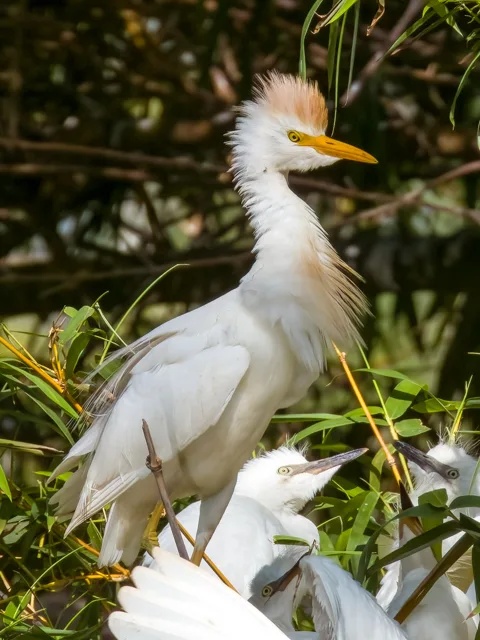
- Egret Flocks: Reports of Western Cattle-Egrets at Piute Ponds, Malibu Lagoon, and Apollo Park hint at the species’ nomadic post-breeding dispersal into the region, often following cattle or disturbed agricultural areas.
The Ongoing Conservation Narrative
The findings of the Southern California summer report occur against the backdrop of the 2025 U.S. State of the Birds report, which revealed continued widespread declines in American bird populations across almost all habitats, including in the West. Southern California, with its immense habitat fragmentation and high human population density, is cited as a region where pressures on at-risk birds will only intensify.
The local resilience of species like the American Dipper, and the presence of dedicated birding communities actively monitoring habitats, provide critical data and conservation hope. The concentration of rare and vagrant species underscores Southern California's immense ornithological importance as a landing zone for wayward migrants—a living barometer of conditions far beyond its borders.
As the region transitioned into fall migration, birders were reminded to prepare for the expected "hordes" of Yellow-rumped Warblers and White-crowned Sparrows, while keeping watch for late passerine vagrants and the always-exciting possibility of an East Asian stray or deep-water diving duck arriving at a local reservoir. The summer of 2025 will be remembered as a season where the coast delivered tropical surprises, the deserts hosted rare visitors, and the resident birds quietly affirmed their tenacity in the face of ongoing environmental challenges.
