

South Carolina's Lowcountry region is a geographical and cultural treasure defined by its unique coastal environment. Stretching from the border with North Carolina down to the Georgia line, this area is a sprawling network of salt marshes, tidal creeks, maritime forests, and—most famously—the deep, often dark, cypress-tupelo swamps. This distinctive landscape, shaped by slow-moving rivers and the ebb and flow of the Atlantic tides, creates one of the most biologically productive and beautiful ecosystems in North America
For birdwatching enthusiasts, the Lowcountry offers an unparalleled experience, particularly concerning wading birds and waterfowl. Unlike the arid habitats of the West or the dense forests of the Northeast, South Carolina birding is about the interplay of land and water, where the most sought-after species are often found balancing delicately on a cypress knee or soaring above a brackish marsh. The state is a vital part of the Atlantic Flyway, serving as a major wintering ground and a crucial stopover point for birds migrating along the Eastern Seaboard.
The Reign of the Waders: Herons, Egrets, and Ibises
The defining feature of Lowcountry birding is the sheer abundance and accessibility of its wading birds. The expansive, nutrient-rich coastal marshes provide an endless buffet of small fish, crabs, and insects, sustaining immense nesting colonies known as rookeries.
The most visually striking birds in this ecosystem are the egrets and herons. The tall, snow-white Great Egret is ubiquitous, often seen patiently stalking prey in shallow waters. It is easily distinguished from the smaller, more active Snowy Egret, which uses its brilliant yellow feet to "foot-paddle" and flush out prey.
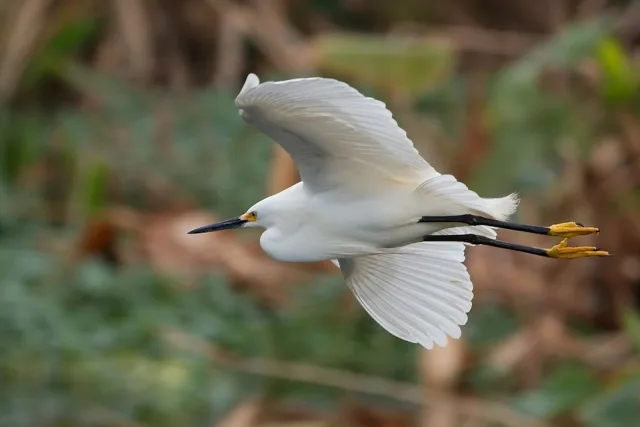
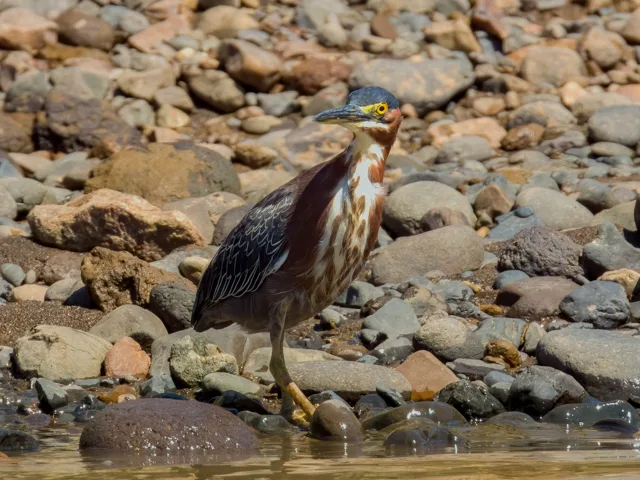
Other common residents include the Great Blue Heron, a massive and imposing figure standing at the edge of the wetlands, and the more secretive Green Heron, often found lurking among the dense vegetation along creek banks. For serious birders, a rewarding search is for the Yellow-crowned Night-Heron and the Black-crowned Night-Heron, two nocturnal foragers that are more easily spotted resting during the day in shaded tree limbs near the water.
In addition to the herons, the Lowcountry hosts large populations of ibises and spoonbills. The White Ibis, with its dramatically down-curved bill, probes the mud in large, coordinated flocks. In the southern parts of the state, the iridescent pink of the Roseate Spoonbill—a bird often mistaken for a flamingo—is becoming an increasingly reliable sight, demonstrating the subtropical influence on the state’s birdlife.
Inland Wonders: The Cypress Swamps
Moving away from the immediate coast, the Lowcountry's interior is dominated by the legendary blackwater swamps—forested wetlands where the water is stained dark by tannins from decaying vegetation. These habitats, defined by towering Cypress and Tupelo trees, offer a completely different set of birding opportunities.
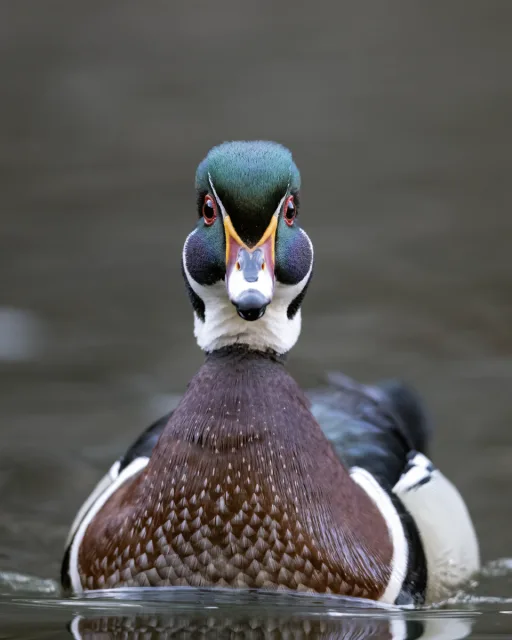
The swamps are the primary domain of the Wood Duck, perhaps North America's most beautiful waterfowl, which nests in tree cavities above the water. They are also a haven for several fascinating and highly specialized avian residents:
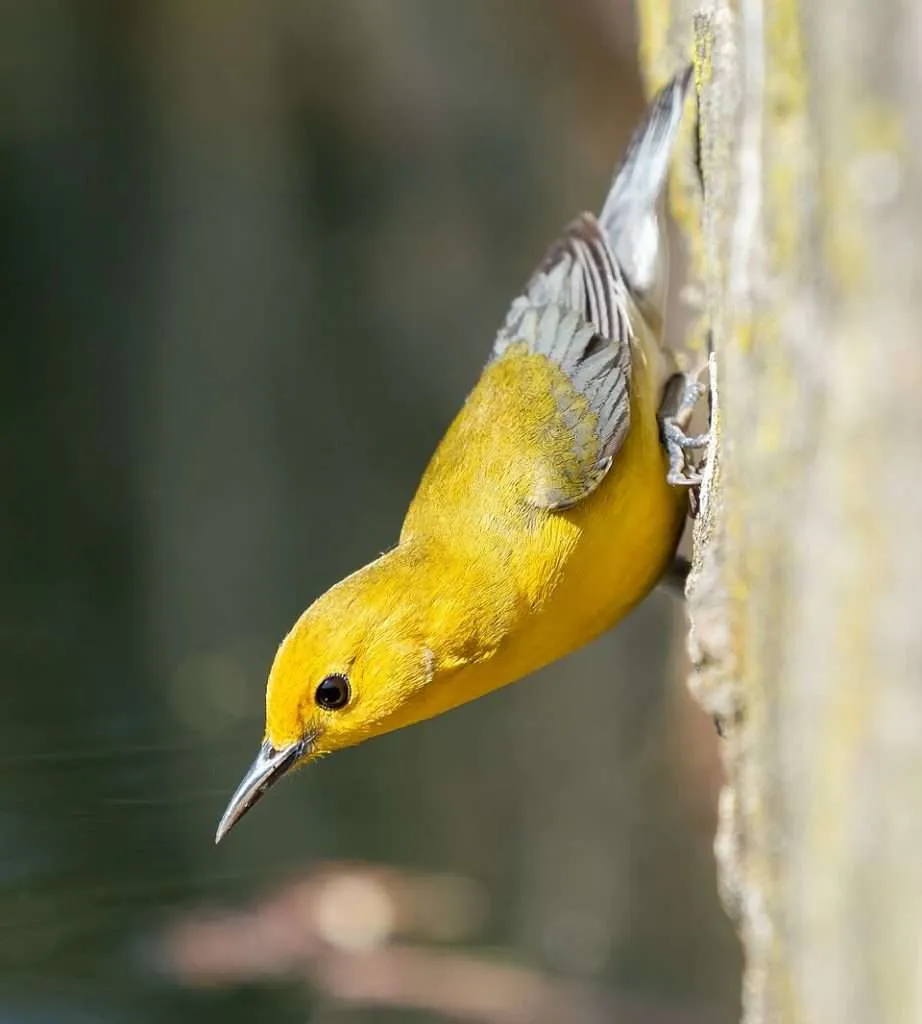
Prothonotary Warbler: Often called the "golden swamp warbler," this bird is one of the most stunning sights of the spring and summer. The male is entirely bright yellow-orange and nests almost exclusively in tree cavities over or near water.
Barred Owl: The iconic call ("Who cooks for you? Who cooks for you all?") of the Barred Owl echoes through the swamps. These large, resident owls thrive in the dense, moist environment where they hunt rodents and small reptiles.
Anhinga (or "Snakebird"): Related to cormorants, the Anhinga is famous for swimming with only its head and neck exposed above the water, giving it the serpentine appearance that earned its nickname. It is frequently seen perched on branches with its wings spread to dry after diving.

Prothonotary Warbler
Premier Lowcountry Birding Hotspots
South Carolina offers numerous sites that provide accessible, high-quality birding:
1. Cape Romain National Wildlife Refuge
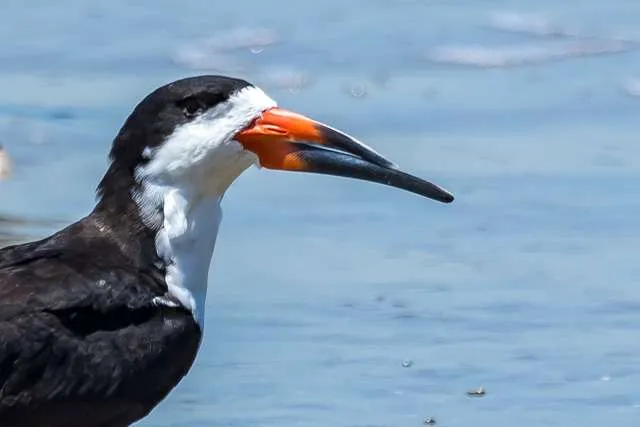
This expansive refuge, located north of Charleston, encompasses 60,000 acres of pristine barrier islands, tidal flats, and estuaries. It is internationally recognized for its role in protecting shorebirds and seabirds. It is a critical nesting area for the Loggerhead Sea Turtle and provides sanctuary for hundreds of thousands of wintering waterfowl. Birders visit to see huge numbers of American Oystercatchers, Black Skimmers, and the federally threatened Piping Plover.
2. Bear Island Wildlife Management Area (WMA)
A vast property managed for waterfowl, Bear Island is renowned for its managed impoundments—large, shallow ponds that are drained and flooded to provide food. In winter, this area attracts massive numbers of ducks, including Northern Shovelers, Green-winged Teal, and the beautiful Mottled Duck. It is also excellent for spotting wintering raptors.

3. Huntington Beach State Park
Easily one of the state's most accessible and popular birding locations, Huntington Beach offers diverse habitats within a short walk. The park features a large, managed brackish marsh where birders can observe nearly all of the Lowcountry’s wading birds at once. It’s also famous for providing reliable views of the Painted Bunting, one of North America's most colorful songbirds, during the summer.
4. Francis Marion National Forest
This large forest complex, spanning hundreds of thousands of acres, includes large tracts of pine savanna and river floodplains. It is the best place to search for the federally endangered Red-cockaded Woodpecker, a unique bird that nests only in cavities in living pine trees. The forest also offers excellent trails for finding songbirds like Bachman's Sparrow and Brown-headed Nuthatch.

Conservation and the Future of the Coast
The ecological health of the South Carolina Lowcountry is inextricably linked to the decisions made regarding development and water management. The region faces significant pressure from coastal development and the threat of sea-level rise, which directly impacts the fragile salt marsh ecosystems.
Conservation efforts are critical and often focus on land trusts and perpetual easements to prevent the fragmentation of large forest and wetland tracts. Protecting these areas is essential not only for the resident wading birds but also for the massive pulses of migratory songbirds, raptors, and waterfowl that rely on this coastline to complete their trans-continental journeys. The beauty of a sunrise over a cypress swamp, punctuated by the cry of a Bald Eagle or the synchronized flight of a flock of White Ibises, continues to inspire generations of South Carolinians and visitors to ensure this unique coastal environment endures.
